AUTONEWS
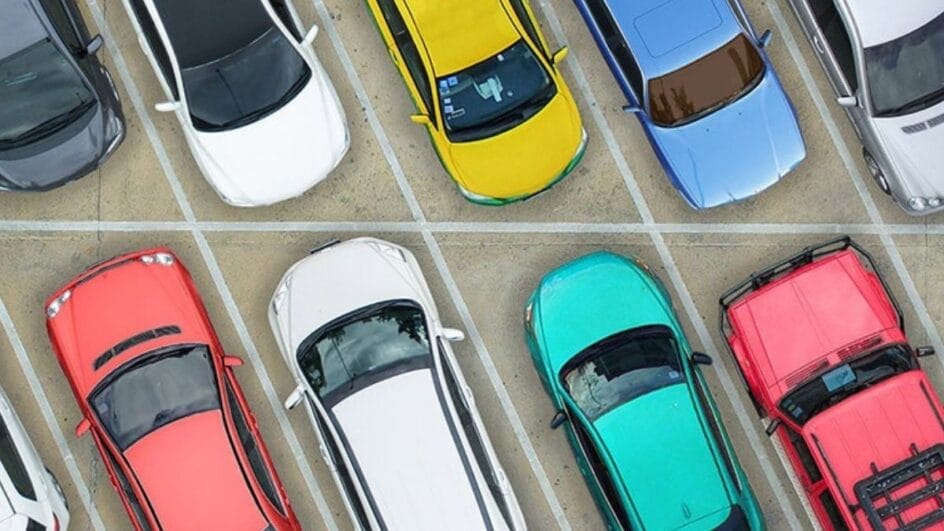
Color is crucial, at least when it comes to reselling cars. Tastes vary, so a Seat Ibiza in "Mystic" - a mix of rose gold and apricot - may be classy for some and unbearable for others, but the market has clear rules. Cars with striking colors often lose value, while gray, white and black are more sought after and find a new owner more easily.
Gone are the days when the streets were flooded with bright colors. In the 1970s, orange, yellow, green and red dominated, along with popular brown, light blue and ochre shades. However, the turn towards so-called colorless cars began in the early 1980s, and the number of black, white and gray cars has been steadily increasing since then. Today, more than half of the cars offered on the popular platform Mobile.de are in these three colors, writes the German Auto Bild.
The trend towards monotony is not just a matter of fashion, but is closely linked to a large share of commercial registrations. Last year, more than two-thirds of all new passenger cars were registered for business use, according to Autonews.
Companies and fleet managers are playing it safe. Take, for example, an orange mass-produced model, which will have a lower resale value than one in gray or black. These colors carry little risk, while white, for example, is particularly popular with small cars exported to southern Europe and Africa.
On the other hand, used car buyers have more freedom. It is precisely in this dominance of neutral tones that the opportunity for a bargain lies. Anyone who is open to less sought-after colors has a good chance of finding a great deal. An analysis by Mobile.de showed impressive results: for a VW Golf (first registered since 2013), silver cars are 17.9 percent below the average price, and for a BMW 3 Series (since 2012), the discount is as much as 33.9 percent. The likely reason for this is the large number of affordable vehicles from fleets - such as those of the German army or railways - which often have high mileage and modest equipment.
When buying a car, many elements are taken into consideration. Number of doors, engine power, fuel consumption, interior space, and maintenance costs, to name just a few. To these is added one that is sometimes overlooked: the car's body color.
Do vehicle colors influence resale price? Could white, black, and gray cars, the predominant colors in our fleet, be sold for higher prices? Which colors should be stocked in greater quantities?
The answers to these and other questions can be obtained if customer interests and different consumer profiles are known, with vehicle color being a relevant aspect to be analyzed when the dealership manages its inventory.
When buying a new car, color is an essential criterion for many consumers. Besides being a personal preference, there is a common belief that the vehicle's color can affect its resale value.
In this colorful article, we sought answers to whether car colors actually play a significant role in resale pricing. Trying to escape the monotony of white, black, and gray.
Colorful theories...Color is a visual characteristic that can attract or repel potential buyers. Some people prefer more discreet and classic shades, while others opt for vibrant and exuberant colors. Choosing the right color can help a vehicle stand out in the resale market, while a less popular option can negatively affect the chances of winning over the public.
In other words, color can have a significant impact on the resale value of the vehicle. Some shades are in higher demand, which can increase the resale price of the vehicle.
Others, being less sought after, result in a lower resale price. However, it is important to emphasize that the influence of color on the resale price varies depending on several factors, such as the region, market trends, brands and models, as well as the technological features that the vehicle has.
Car color preferences vary over time and also between regions and segments. Traditional colors, such as white, black, and gray, which are the most prevalent in our country, as well as other more discreet tones, tend to be more accepted. Neutral colors, as a general rule, have a wider spectrum of customers and are considered "safer" for consumers.
Despite this, there is also demand for more vibrant colors, such as red, blue, and yellow, which attract buyers seeking a sportier and more exclusive style. These shades may have a more loyal fan base, but are less popular overall.
Although there is a perception that a car's colors can significantly influence its resale value, there are no studies or concrete data to support this theory. And what works for one dealership may not work for another.
Some people argue that car color has a minimal impact on resale price. Others suggest that certain colors help reach customers more easily. The topic is far from being a consensus. Much less scientific.
Changing the color...Is it possible to change the color of a car? The answer is yes. However, this change can affect both the resale value and the legality of the vehicle. Changing the color of a car must be done by specialized professionals and involves paying a fee to the IMT (Portuguese Institute for Mobility and Transport), and this characteristic must be recorded in the vehicle's document (Registration Certificate or Vehicle Registration Document).
It is important to note that a custom color will, in principle, be more difficult to sell and may therefore imply a lower resale price. Although the color of a car can influence its resale value, there are other factors that are part of the equation.
White, black, or gray cars tend to have stable demand and can be sold for higher prices. Still, it is essential to conduct market research and consider other relevant factors, such as make, model, vehicle condition, and equipment.
The choice of car color should be based primarily on the owner's personal preferences and lifestyle. The satisfaction and pleasure of driving a car that reflects the personality of the buyer has the potential to add value.
Autonews


Nenhum comentário:
Postar um comentário