AUTONEWS
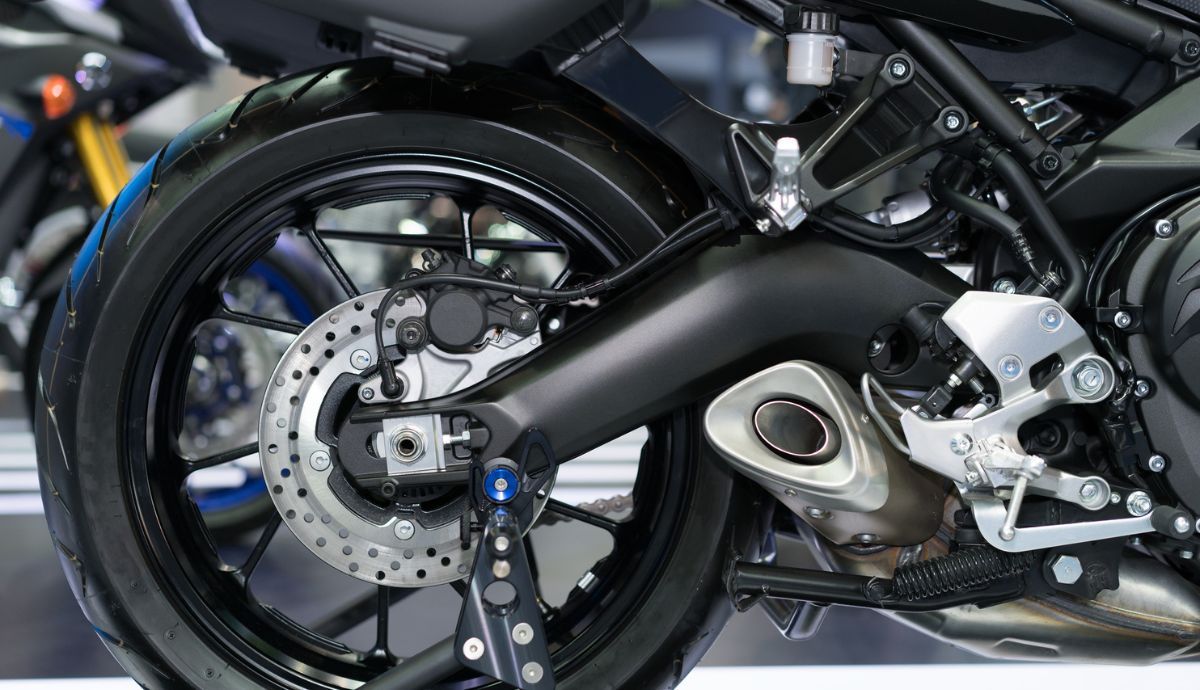
Evolution of motorcycle brake systems
The evolution of motorcycle brakes began with rudimentary mechanisms such as the simple friction brake and progressed to drum brake systems, followed by disc brakes in the 1960s, which offer greater efficiency and power. More recent innovations include systems such as combined braking system (CBS) and anti-lock braking system (ABS), which distribute braking force or prevent wheel lock-up, respectively, with ABS technology being increasingly integrated into models of various engine sizes and even with features such as traction and stability control.
Understanding the evolution of motorcycle brake systems is to delve into a history of technological innovation dedicated to improving braking safety and efficiency. From primitive shoe brakes to today's advanced ABS systems, the transformation has been remarkable and has had a significant impact on motorcyclist safety.
Motorcycle Brake Systems...Brake systems are sets of mechanical and electronic components designed to slow down or stop a vehicle in a controlled and safe manner. On motorcycles, these systems are essential for rider safety, allowing for an effective response in critical situations.
Historical Evolution of Braking Systems...Motorcycle brake systems have evolved considerably over time; let's take a look.
-Shoe Brakes...The earliest brake systems for motorcycles included drum brakes, similar to those on bicycles, where rubber pads pressed against the rim to slow the motorcycle. Although simple, these brakes were inefficient, wore out quickly, and had limited braking power.
-Drum Brakes...Drum brakes represented a significant improvement. They consisted of shoes that expanded to rub against the inner walls of a metal drum. Although they offered better braking than shoe brakes, drum brakes tended to overheat, especially under heavy use, which reduced their effectiveness.
-Disc Brakes...Introduced in the 1960s, disc brakes represented a revolutionary advance. They use pads that press against a metal disc to stop the motorcycle, offering more effective and consistent braking. Disc brakes dissipate heat more efficiently and perform better in wet conditions, overcoming the limitations of previous models.
-Drilled and Floating Discs...Innovation continued with the development of drilled discs that improve heat dissipation and floating discs that allow for more precise adjustment and reduce uneven pad wear.
-ABS Brakes...Anti-lock braking systems (ABS) represent the state-of-the-art in braking technology. Using sensors and an electronic control unit, ABS adjusts braking pressure to prevent wheel lock-up during hard braking, significantly improving control and safety.
Brake System Maintenance...Maintaining a motorcycle's brake system involves regular visual and functional inspection, checking the level and quality of the disc brake fluid, the condition of the pads and discs (or linings and drums), and adjusting the cables. Preventive maintenance is crucial and includes changing the brake fluid every two years, replacing worn parts (such as pads and discs) as needed or as per the manual, and cleaning the components to ensure efficiency and safety.
What to check and do
Brake fluid (disc system):
Check the level in the reservoir.
Change the fluid every two years or as recommended in the owner's manual, as it accumulates moisture and particles over time.
Symptoms such as a "spongy" feel in the lever may indicate the presence of air in the system, requiring bleeding.
Pads and discs (disc system):
Visually inspect the pads. When worn, they can emit high-pitched noises and cause damage to the discs.
A warped disc can cause vibrations when braking.
Brake pad wear varies with use; the manual or a mechanic can help identify when the disc needs replacing.
Brake shoes and drums (drum system):
Check the wear on the shoes, which wear down with use.
Make the necessary adjustments to ensure there is no excessive play in the pedal.
The play in the pedal should not exceed about 3 cm before the brake is applied.
Keep the brake cable lubricated and in good condition.
Visual inspection:
Check for strange noises during braking.
Observe if the lever or pedal is lower than normal.
Check the efficiency of the brakes.
General maintenance:
Always consult the owner's manual for specific information for your motorcycle model.
Dirt can compromise brake efficiency, so clean them regularly.
If in doubt or if there are signs of wear, seek a specialized workshop to ensure safety.
Brake system maintenance has evolved with technology. Older systems required frequent adjustments due to the rapid wear of brake pads. With the advent of disc brakes, maintenance has focused more on regular inspection of brake pads and the hydraulic system.
The ABS system, in turn, requires not only mechanical maintenance but also verification of electronic components to ensure proper functioning.
Importance of Brake Evolution...The evolution of brake systems has not only improved motorcycle safety but has also transformed the riding experience, allowing motorcyclists to enjoy longer and safer journeys. Each technological advancement in brake design has represented a step towards safer and more reliable motorcycles.
The evolution of motorcycle braking systems is proof of how technology can dramatically improve safety. From rudimentary shoe brakes to sophisticated ABS systems, each innovation has contributed to making the motorcycle a safer and more enjoyable means of transportation.
Autonews


Nenhum comentário:
Postar um comentário