AUTONEWS
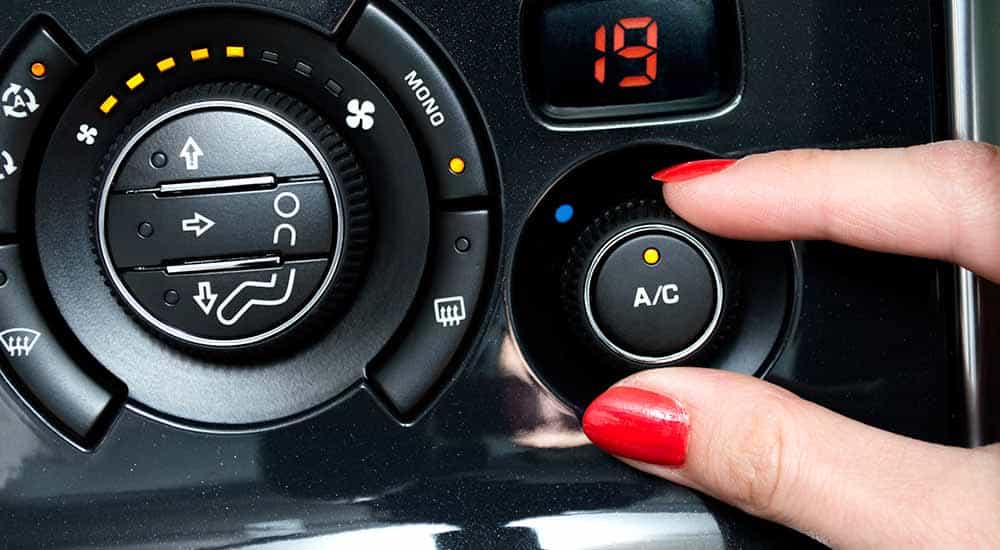
Don't wait until the last minute - check if your car's air conditioning is working properly
A few simple checks can save you money, prevent breakdowns and ensure a more pleasant summer drive.
With the first warmer days, many drivers notice that the air conditioning in their car is not working as well as before - it cools less, spreads an unpleasant odor or is simply not as efficient as in previous seasons. This is why preparing the air conditioning in your car should not be left for the first heat wave.
A few simple checks can save you money, prevent breakdowns and ensure a more pleasant summer drive.
In addition to comfort, proper air conditioning is also important for safety. Driving in hot weather without a cooled cabin increases fatigue, reduces concentration and places an additional burden on the driver, especially on long journeys and in city traffic jams, reports T portal.
The air conditioning in your car is not only for cooling. It also helps remove moisture from the cabin, reduces window fogging and contributes to the quality of the air in the vehicle. If the system is not maintained regularly, it can lead to reduced cooling performance, unpleasant odors, the accumulation of bacteria and mold, and increased strain on key system components.
The most common mistake drivers make is to start using the air conditioning only when temperatures are already seriously rising. This is when problems are usually discovered and service centers are overwhelmed. It is wiser to check the system in time, while there are fewer crowds and potential repairs are easier and cheaper.
What to check first...The first sign that the air conditioning is not working properly is poor cooling. If the air coming out of the air vents is not cold enough or the cabin is cooling too slowly, the system may be lacking refrigerant or have some other malfunction. You should also pay attention to unusual sounds when turning on the air conditioning, as well as unpleasant odors spreading through the ventilation.
The cabin filter is also very important. It traps dust, pollen, and other impurities, and when it is dirty or clogged, the air conditioning works less well and the air quality in the vehicle decreases. Replacing the cabin filter is one of the basic and often overlooked steps in preparing your car for the warmer months.
Experts also recommend disinfecting the evaporator and ventilation ducts, especially if the air conditioner smells musty or musty. Bacteria and fungi can easily grow in such an environment, which is not harmless, especially for allergy sufferers, children and people with sensitive respiratory tracts.
When is it time for service...If the air conditioner is not cooling well, the device should be checked at a service center. There, the pressure in the system, the amount of refrigerant and any leaks are checked. If necessary, the gas is topped up, the oil in the compressor is changed and the operation of the entire system is checked.
It is important to know that the air conditioner naturally loses some of the refrigerant over time, so occasional checks are not a luxury, but part of regular maintenance. If the problem is ignored, the driver may end up with a more serious and expensive breakdown, for example in the compressor.
It is good practice to turn on the air conditioner during the winter, at least occasionally. This keeps the gas and oil circulating through the system, lubricates vital parts, and reduces the risk of a breakdown when the air conditioner is needed again.
How to use air conditioning properly in the summer...Many drivers immediately turn the air conditioner on to its lowest setting as soon as they get into an overheated car. This is not an ideal solution. First of all, it is a good idea to briefly open the doors or windows to let the hot air out of the cabin. Only then can the air conditioner cool the interior more effectively.
Too much difference between the outside and inside temperatures is also not recommended. In addition to putting a strain on the system, it can be uncomfortable for the body. As a rule, it is best to maintain a comfortable, but not too low, temperature in the cabin.
It is also useful to know that air conditioning consumes fuel, or energy, in electric cars. However, saving should not mean sacrificing basic comfort and safety. A properly maintained system will work more efficiently and with less strain.
What many forget...Drivers often think that just “charging the air conditioner” is enough, but this is not always the solution. If there is a leak, blockage or problem with the compressor, simply adding gas will not solve the cause. That is why a thorough inspection is a far better option than a quick and superficial intervention.
Also, unpleasant odors from the ventilation are not just an aesthetic problem. They can warn of accumulated moisture, bacteria and dirt in the system. If this is not resolved in time, staying in the car can become unpleasant and, in the long run, unhealthy.
Therefore, it is worth taking a little time to check the air conditioning before the summer season. A properly functioning system means a more pleasant drive, less stress on the road and a lower likelihood of experiencing an expensive breakdown in the middle of the hottest weather.
Checking if your car's air conditioning (AC) is working properly involves a few simple tests you can do from the driver's seat and under the hood. A healthy system should deliver consistent cold air, maintain steady airflow, and operate without unusual noises.
1. The performance test (Driver's Seat),,,Start with a basic check to see if the system is reaching optimal temperatures.
Settings: Start your engine, set the AC to the coldest temperature, turn the fan to the highest speed, and engage the "Recirculate" or "Max AC" button.
Temperature reading: After 5–7 minutes, use a digital thermometer in the center vent.
Normal: The air should be between 35°F and 45°F (approx. 2°C to 7°C).
Rule of thumb: The vent temperature should be roughly 30°F to 40°F lower than the ambient outside temperature.
Airflow: Test all fan speeds. If airflow is weak or doesn't increase with higher settings, your cabin air filter might be clogged.
2. The visual & sound check (under the hood)...Open the hood while the engine is running and the AC is on.
Compressor clutch: Locate the AC compressor (a cylindrical component with a pulley). You should see the center hub—the clutch—spinning along with the pulley.
If it never engages or clicks on and off every few seconds, the system likely has low refrigerant or an electrical fault.
Pipe temperatures: Look for the two metal AC lines.
Thicker pipe (low pressure): Should feel icy cold and may have condensation on it.
Thinner pipe (high pressure): Should feel warm but not dangerously hot.
Cooling fan: Ensure the electric cooling fan near the radiator is running while the AC is active.
3. Red flags to watch for...If you notice these signs, your system may need professional service:
Unusual noises: Grinding, squealing, or loud buzzing can indicate a failing compressor or worn-out drive belt.
Bad odors: A musty smell often means mold or bacteria in the vents, while a sweet, chemical scent could indicate a refrigerant leak.
Visible Leaks: Look for oily or greasy residue around hose connections or the compressor; refrigerant often leaves an oily slick where it escapes.
Cabin leaks: Water pooling on the passenger-side floorboard usually means a clogged drain tube.
Autonews




Nenhum comentário:
Postar um comentário