AUTONEWS
The challenges for Nissan in 2026 after a turbulent 2025
Nissan enters 2026 at a sensitive point in its recent history. After several years of poor results and turbulent leadership, the arrival of a new CEO in 2025, Ivan Espinosa, initiated a global restructuring process that is still underway, but is already showing positive results.
Results that provide motivation to move forward and accelerate. The Japanese manufacturer has chosen the classic response to the squeeze: attack. And it will do so with new products. In the case of the European market, this will be done with three new 100% electric models.
The offensive is based on well-known and recognized names, but with a clear change of direction: Leaf, Micra, and Juke will all play in the same electric field. Three different segments, one basic technology, and a common goal: to regain relevance in a market where electric vehicles are no longer a niche, but represent an increasingly larger share of the total.
The new Nissan Leaf marks an important turning point. The model that helped popularize the electric car in 2010 returns in 2026 with a differentiated positioning: it abandons the compact sedan format and presents itself as a crossover with more robust — and aerodynamic — lines, aligned with current European tastes. It is not, therefore, just another generation, it is an attempt to reposition a historic name in a much more competitive market.
The electric Juke is the last element of the offensive yet to be revealed...The new 100% electric Nissan Juke. Not yet revealed, the electric Juke will have a difficult mission: to replace, in the long term, one of the models that most marked Nissan in Europe this century, now without a combustion engine.
Everything indicates that it will maintain its irreverent visual character, but associated with a dedicated electric base. And we already know what it is: the AmpR Medium that also serves the new Leaf. It is expected that they will share most of the components, including batteries. There are still no confirmed specifications or concrete launch date, beyond the confirmation of its arrival in 2026.
The electric Juke concludes a year for Nissan that will also continue to be marked by the ongoing restructuring process. The manufacturer has been reducing costs, streamlining factories, and reviewing priorities, both in Europe and globally. The logic is simple: less dispersion, more focus on key markets and products with scale.
Nissan will present many more new products — from purely combustion-powered to 100% electric — in other parts of the world in 2026, with more regional than global focus, reflecting the evolution of the automotive industry in recent years, reacting to specific tastes and needs, as well as the geopolitical context.
Stellantis and Nissan...Probably the two automotive groups facing the greatest difficulties at the moment are Stellantis and Nissan. The year 2026 will tell whether or not the newly appointed CEOs (Antonio Filosa at Stellantis and Ivan Espinosa at Nissan) will be able to reverse the negative results recorded in 2025.
For Stellantis, it will be a year of strategic decisions about the future of the group's 14 brands, many of which are in serious trouble. Nissan, in turn, will have to quickly return to profitability to avoid the risk of a possible takeover by a competitor.
In 2026, Nissan faces critical structural, financial, and market challenges, focused on recovering profitability and adapting to electrification, as outlined in its medium-term plan "The Arc". After record losses in 2024/2025, the company seeks to restructure operations, launch new models, and increase competitiveness in electric vehicles (EVs) and hybrids.
Here are Nissan's main challenges in 2026(below):
1. Financial crisis and restructuring...Profit Recovery: Nissan faces the need to reverse billions of dollars in losses, aiming to improve its operating margin to over 6% by the end of fiscal year 2026.
Job and Capacity Cuts: Part of the strategy involves cutting 9,000 jobs and reducing global production capacity by 20%, including closing the factory in Wuhan, China, by March 2026.
High Debt: Automotive debt has reached high levels, and the company is struggling to maintain positive cash flow in the face of cuts and the need for investment.
2. Competition and Sales in China and the USA...Market loss in China: The rise of local electric vehicle manufacturers has caused a drastic drop in sales, pressuring Nissan to renew 73% of its portfolio in the country by 2026.
Performance in the USA: Limited sales and an outdated portfolio in 2024/2025 require the launch of 7 new models in North America to recover market share.
EV competition: Nissan lost its leadership in EVs in Japan to Toyota (with the bZ4X) and needs to react to fierce competition from BYD and Tesla.
3. Electrification and product development...Launch of Electrified Models: The "The Arc" plan foresees 16 new electrified vehicles by 2026, an expensive and complex endeavor.
EV Cost Reduction: The goal is to reduce the cost of next-generation EVs by 30% to achieve price parity with combustion engine vehicles (ICE) by 2030.
Lack of Hybrids: The initial exclusive focus on pure electric vehicles, neglecting hybrids previously, put Nissan at a disadvantage against competitors that offer both, requiring a rapid course correction.
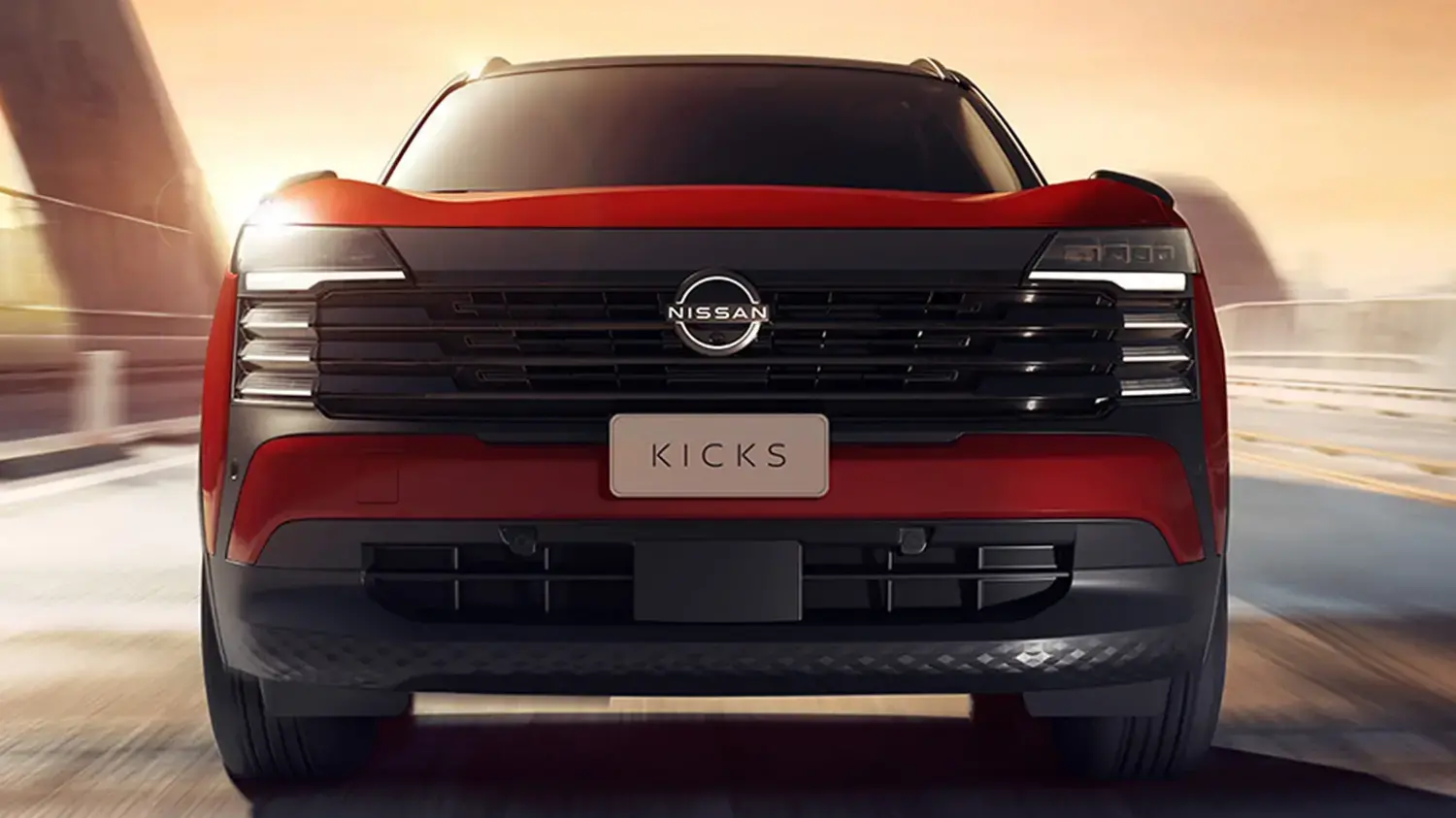
4. Portfolio Renewal (Brazil and global)...New Kicks 2026/Kait: The launch of the new generation Kicks (called Kait in some contexts) in 2026 aims to compete with modern SUVs (Pulse, Kardian, T-Cross), but the price increase of the new model may drive customers away from the old entry-level segment.
End of Models: The discontinuation of the Versa without a clear successor in 2025/2026 increases the pressure on compact SUVs.
5. Alliance with Renault-Mitsubishi...Adjusted Cooperation: Nissan will intensify the alliance to share platforms (such as the CMF-B used in the new SUV) and reduce development costs, a delicate balance after tensions in the partnership.
In short, 2026 will be the year of the "trial by fire" for CEO Makoto Uchida, who will have just over a year to reverse the trajectory of declining sales and losses, transforming Nissan into a company focused on affordable EVs and competitive hybrids (e-POWER).
Autonews


Nenhum comentário:
Postar um comentário