HYUNDAI
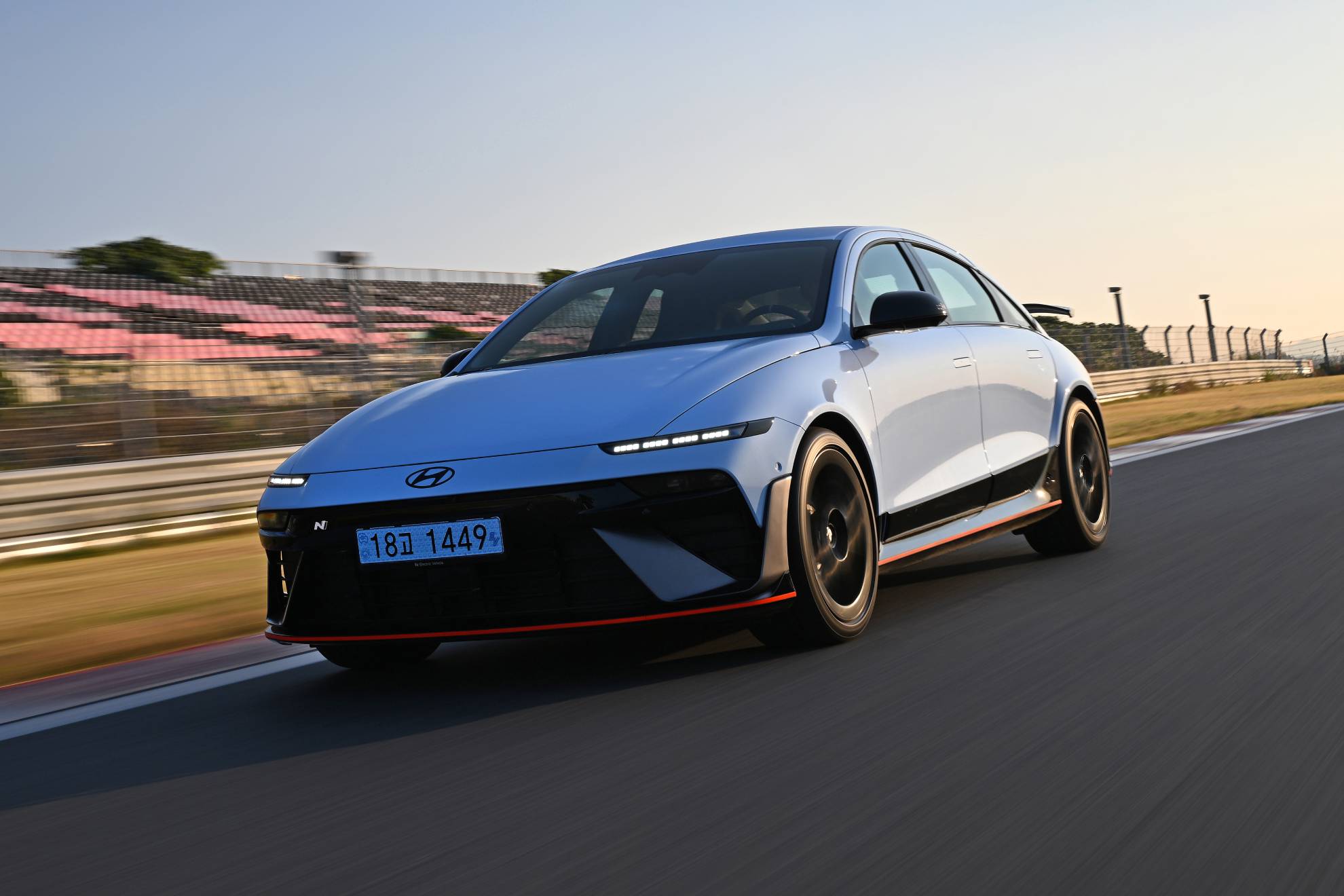
Ioniq 6N: More fun than the Porsche Taycan GTS, and half the price
In its purest form, electric propulsion is silent, and this, considering the advantages and disadvantages, is a positive thing. Pedestrians, residents, and long-distance drivers will certainly confirm this. In other contexts, such as motorsport (WRC, Endurance, and F1 being the main examples), the deafening roar of combustion engines as their revolutions per minute increase is appreciated, always creating much more impact than the monotonous hum of an electric motor in a Formula E single-seater.
The new Hyundai Ioniq 6N is one of the electric sports cars that seeks to prove that it is possible to have the best of both worlds. With a top speed of 257 km/h (well above average for electric cars), this 2.2-ton sedan accelerates from 0 to 100 km/h in just 3.2 seconds thanks to its two motors which, together, produce 448 kW/609 hp, and can reach up to 650 hp in brief 10-second bursts (after which the powertrain needs another 10 seconds to recover).
If these numbers seem convincing, they become even more so when you consider that its price will be around €83,000: although not exactly a bargain, it is almost half the price of a Porsche Taycan GTS (700 hp, 250 km/h, 0-100 km/h in 3.3 seconds and a price of €154,159). This is without taking into account that the German car includes some optional extras that are paid for separately, while the Korean one comes with almost everything as standard.
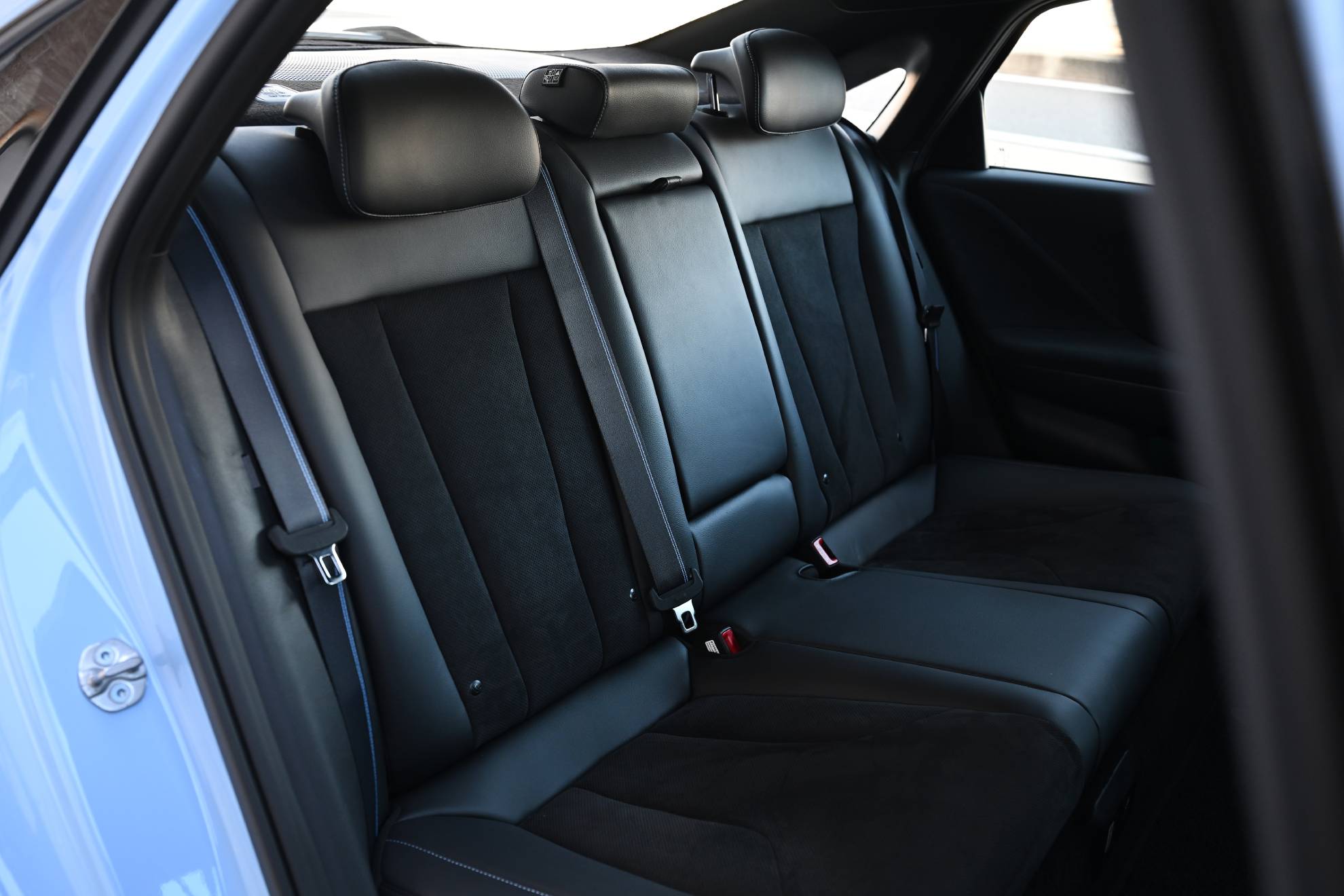
And the association makes even more sense considering that the body styles have similar concepts — both are four-door sedans — with the Taycan being slightly longer, at 4.963 meters, 2.8 centimeters longer than this Ioniq 6 N. The Korean car, however, has a wheelbase of almost three meters (and 6.5 cm longer than its German rival), which translates into ample interior space.
Three people can comfortably fit in the rear seats, although they will find more legroom than headroom (the sloping roofline doesn't allow for miracles). The 371-liter trunk is limited in a car that is almost five meters long.
Interestingly, the connection with Porsche comes from a different source. Frank Moser, director of the 718 and 911 ranges at the German brand, acknowledged that the Ioniq 5N "opened his eyes and was a model that changed everything in the perspective of brands seeking to inject emotion into electric sports cars." This also applied to Porsche, which from then on began developing and testing virtual gear changes and synthesized sounds of combustion engines full of cylinders and power for its electric cars, which are currently undergoing dynamic testing. A major blow for Hyundai, considering where and from whom this information comes.
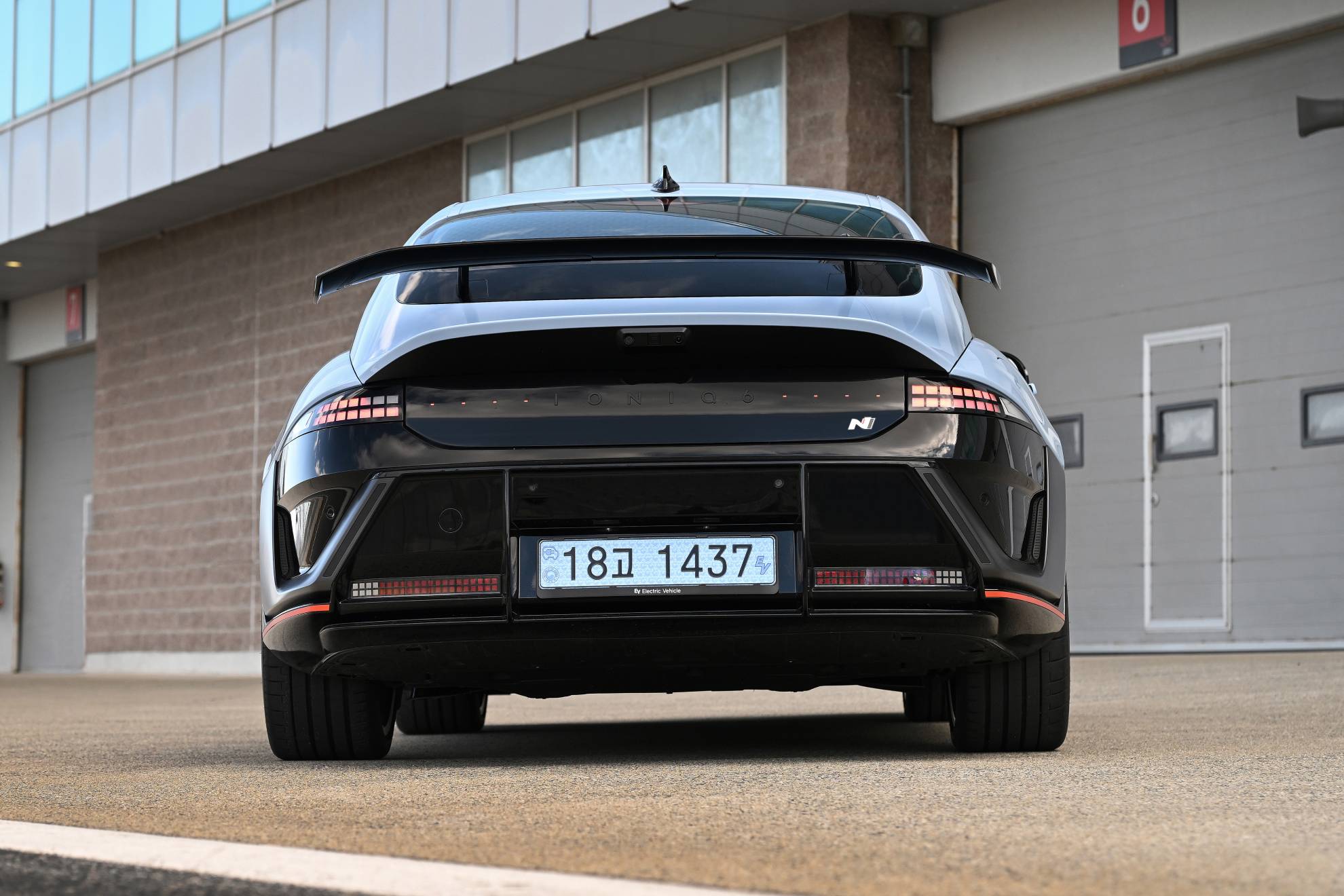
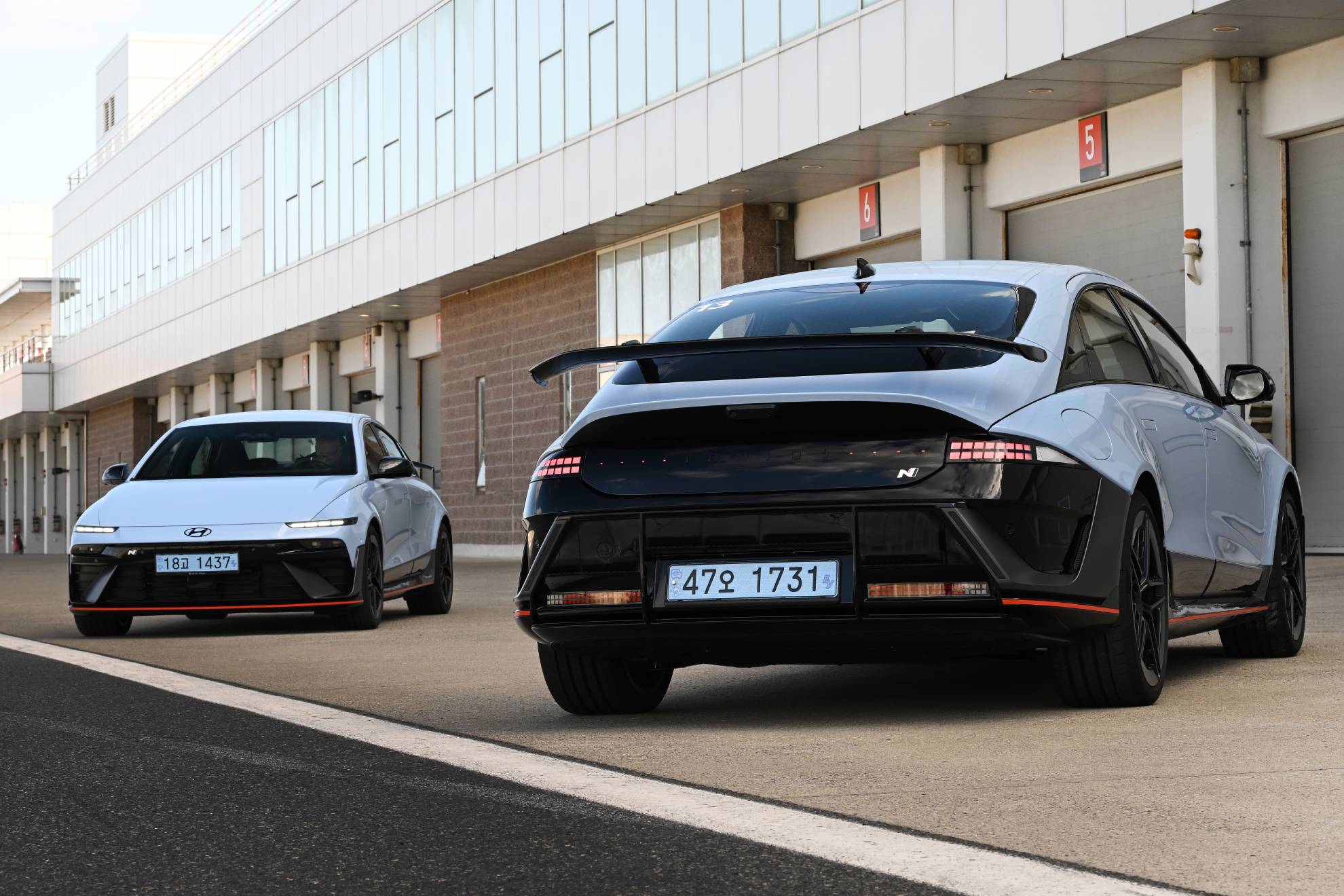
Ugly duckling or charming swan? Visually, the Hyundai is considerably less attractive than the Porsche, but few will remain indifferent: some will love it, others will hate it, as is the case, incidentally, with most of the Korean manufacturer's most recent models, which have been betting on a polarizing style, especially in this decade.
In addition to its "chilling" profile, this turbocharged N version also adds two controversial elements: a black panel that extends from the bottom of the bumper to the rear aerodynamic profile (regardless of body color) and a rear wing that resembles a swan's neck. All these additions significantly compromise aerodynamics, which worsens from 0.21 (in the standard version) to 0.27 in this case. Given this bold design, the widened side skirts at the ends of the body even seem relatively discreet.
Body rigidity has been improved through additional welding points, adhesives, and structural reinforcements. Key improvements include a stiffer rear stabilizer bar and structural reinforcement in the lower part of the body, increasing rear rigidity for more precise steering response, reduced vibrations, and greater driving comfort.
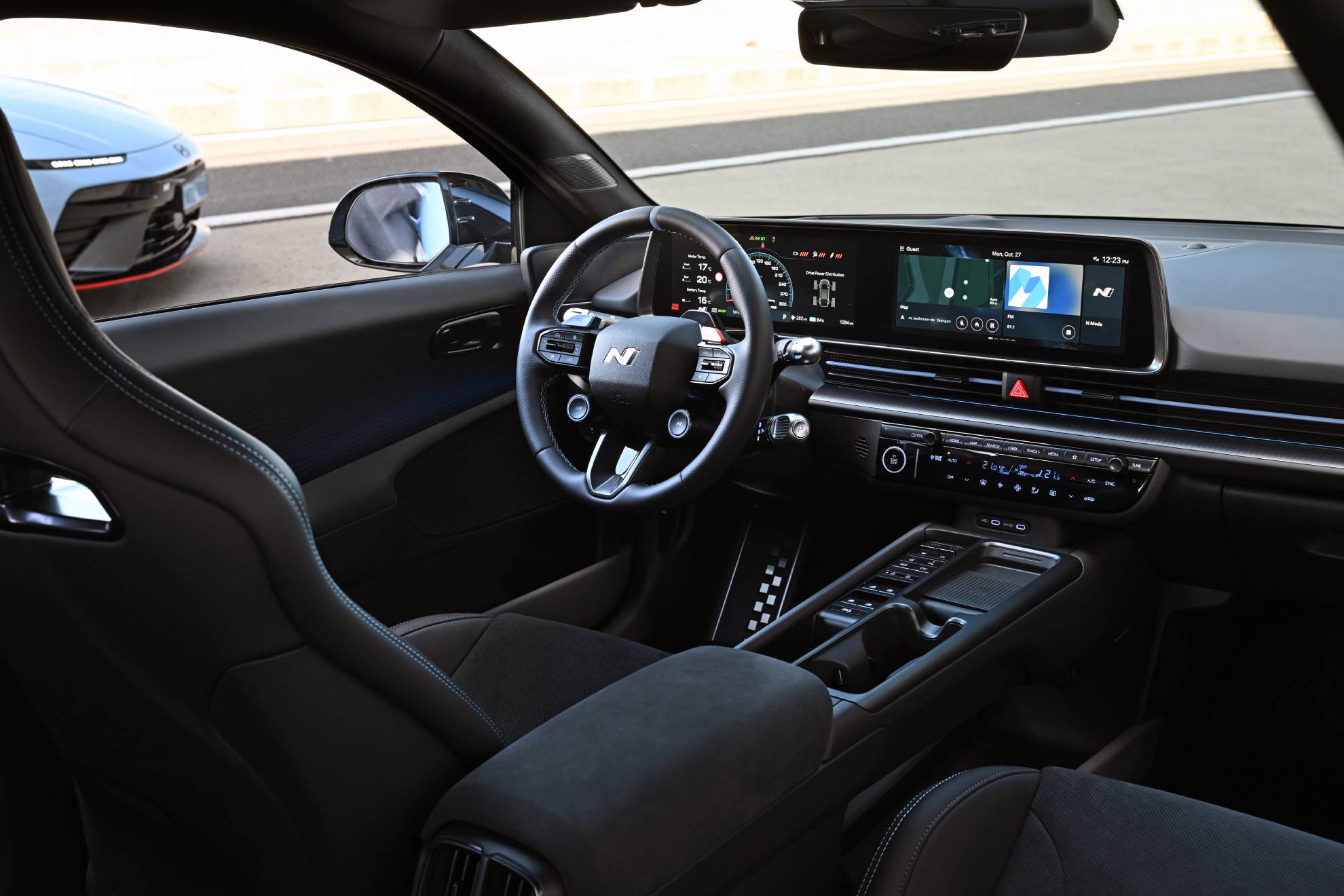
The interior of the 6 Series has been partially redesigned. It adopts the same "video game controller" style steering wheel as the 5 Series N, packed with buttons, with a thick rim partially covered in perforated leather for better grip (Alcantara would offer even more grip and be more uniform, since it's used in other parts of the cabin). The sports seats have side bolsters, integrated headrests, and manual adjustment to reduce weight.
The 12.3-inch instrument panel features several displays, some specific to the N model, and is complemented by a head-up display. The central screen of the infotainment system is the same size.
The plastic trim that imitated aluminum in the standard version has been replaced with anthracite trim, offering a better aesthetic impact, and a wireless charging tray for cell phones is available.
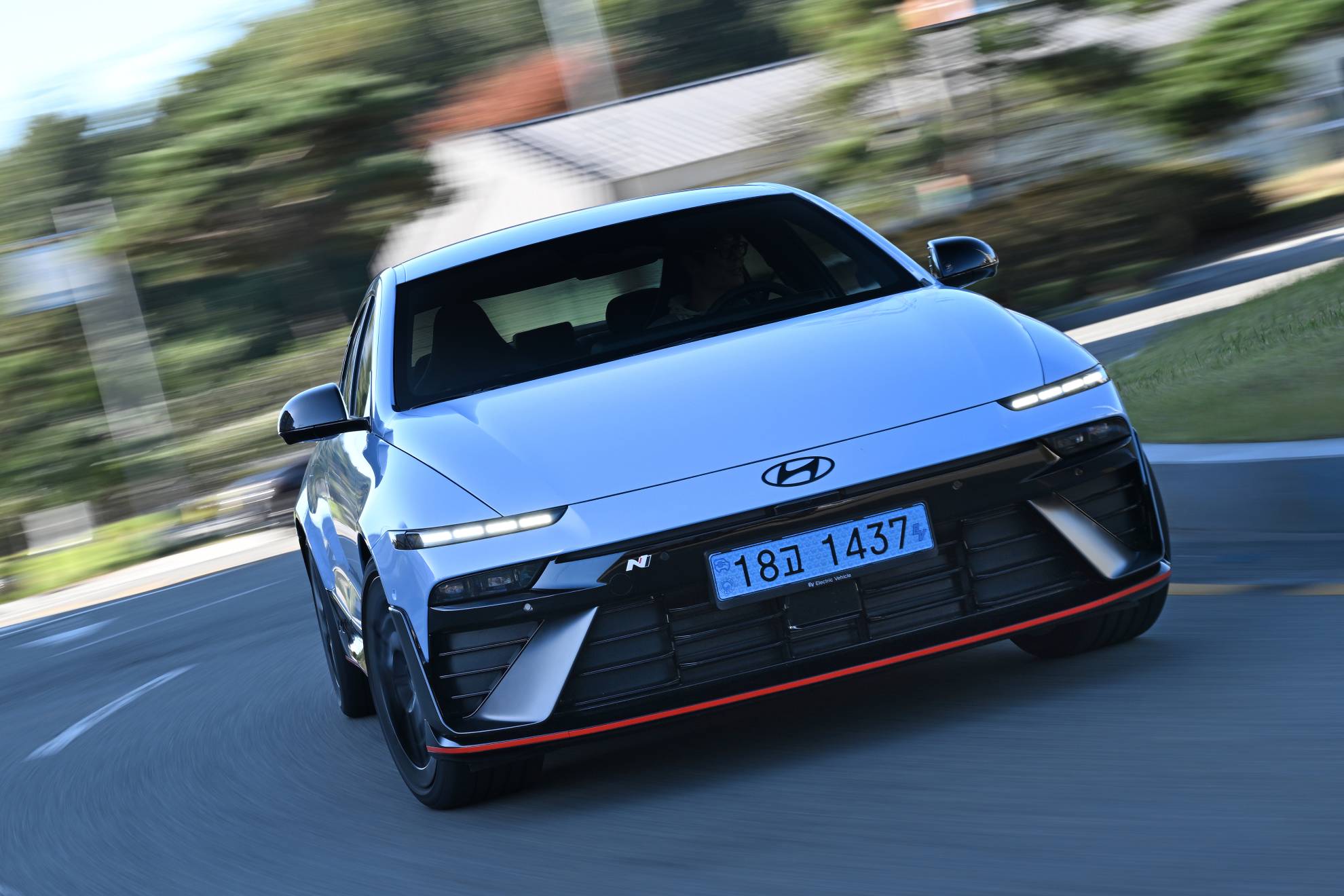
Maximum 650 hp…but only part-time…The vehicle has two electric motors (both permanent magnet synchronous): the front motor delivers a maximum power of 226 hp (238 hp in Boost mode) and the rear motor reaches 383 hp (412 hp in Boost mode). The battery has a gross capacity of 84 kWh and the entire system operates at 800 volts, allowing fast charging in direct current (DC) up to 240 kW (the Koreans promise a charge from 10% to 80% in just 18 minutes under ideal conditions). Fast charging in alternating current (AC) can be performed at a maximum power of 11 kW (in this case, a full charge will take 7 hours and 40 minutes). The official range is 487 kilometers, based on an average consumption of 18.7 kWh/100 km.
When it was presented with so many stylistic details, some even thought that the Ioniq 6 with the N suffix was destined to be more of an object of contemplation than a performance-oriented sports car, but Manfred Harrer, head of Hyundai's Performance division, quickly corrects that idea: "Our development was focused on future customers who will actually use the 6 N for intense driving sessions, similar to those on a track."
For an electric sports car to be truly fast on a track, certain requirements must be met. For example, a powerful cooling system for the battery and the entire electrical system — something that the Ioniq 6 N naturally possesses after intense testing on the legendary Nürburgring circuit. But Harrer puts the image of electric sports cars into perspective: “It’s not very difficult to develop electric cars with a few hundred horsepower; the real challenge is achieving consistent and exceptional performance while ensuring powerful and linear braking, as well as the fun and effective driving experience demanded by the typical customer of these sports cars, regardless of the type of propulsion.”
In the case of the Ioniq 6 N, this means, among other things, large brake discs for exceptional consistency and variable response depending on the selected driving mode. This translates into significant advantages when driving aggressively, such as on a racetrack. And, in fact, in this case, consistent speed reduction is very well achieved, inspiring confidence in the driver. The same can be said of deceleration which, depending on the driving mode, can reach 0.6 g. This means that occupants feel the pressure under the seat belts as soon as the driver releases the accelerator pedal.
The chassis has been substantially modified compared to the basic version of the Ioniq 6, with changes to the suspension mounting points and the addition of electronically adjustable shock absorbers. These measures have also further reduced the vehicle's center of gravity compared to the Ioniq 5 N.
The result is a simply breathtaking driving experience. On rural roads with some irregularities, bumps are smoothed out and driving comfort is enhanced. On the track, the vehicle also gains additional rigidity, preventing lateral or longitudinal body roll, which considerably improves handling.
Even driving on this Namyang circuit, within the South Korean brand's R&D complex, vibration frequencies are noticeably absorbed. In addition, the all-wheel drive, with its emphasis on rear-wheel torque, and a torque vectoring system that distributes the total torque of 770 Nm, results in phenomenal cornering performance and inspires great confidence in the driver.
Is there room for improvement? Yes: the steering could be a little more precise and the braking less artificial (although very resistant to showing signs of fatigue), and the car feels heavy (and it is, at 2.2 tons) when approaching tighter corners at very high speeds, which generates understeer despite the predominance of torque delivered to the rear wheels, with a distribution of 20% and 80% (in Sport mode) and the weight distribution almost equal between the two axles (49.7% at the front, 50.3% at the rear).
A crushing sound... In other words, Hyundai has managed to create an electric supercar that, in addition to being very fast, is genuinely fun to drive, unlike many electric cars, such as the Taycan itself. And the role of electronics is not limited to its effective performance in systems that enhance driving; even without adding speed or cornering ability, the sound module elevates the driving experience to a level never before achieved by an electric car. It is possible to choose between personalized sound types, adapted to the moment (driver's mood and road/traffic conditions), from the particularly distinctive "Ignition" mode (inspired by motorsport), to the synthesized sound typical of electric propulsion in "Evolution" mode, and even the futuristic science fiction tones of "Lightspeed" mode. The latter two are optional, but the first is a viscerally immersive roar created by Hyundai engineers — intense, explosive, almost deafening and directed inwards, barely reaching the outside.
Fortunately, the sound can be turned on and off, because not even the most aggressive driver wants to exorcise their demons daily; otherwise, the constant presence of this shocking soundtrack would be tiresome.
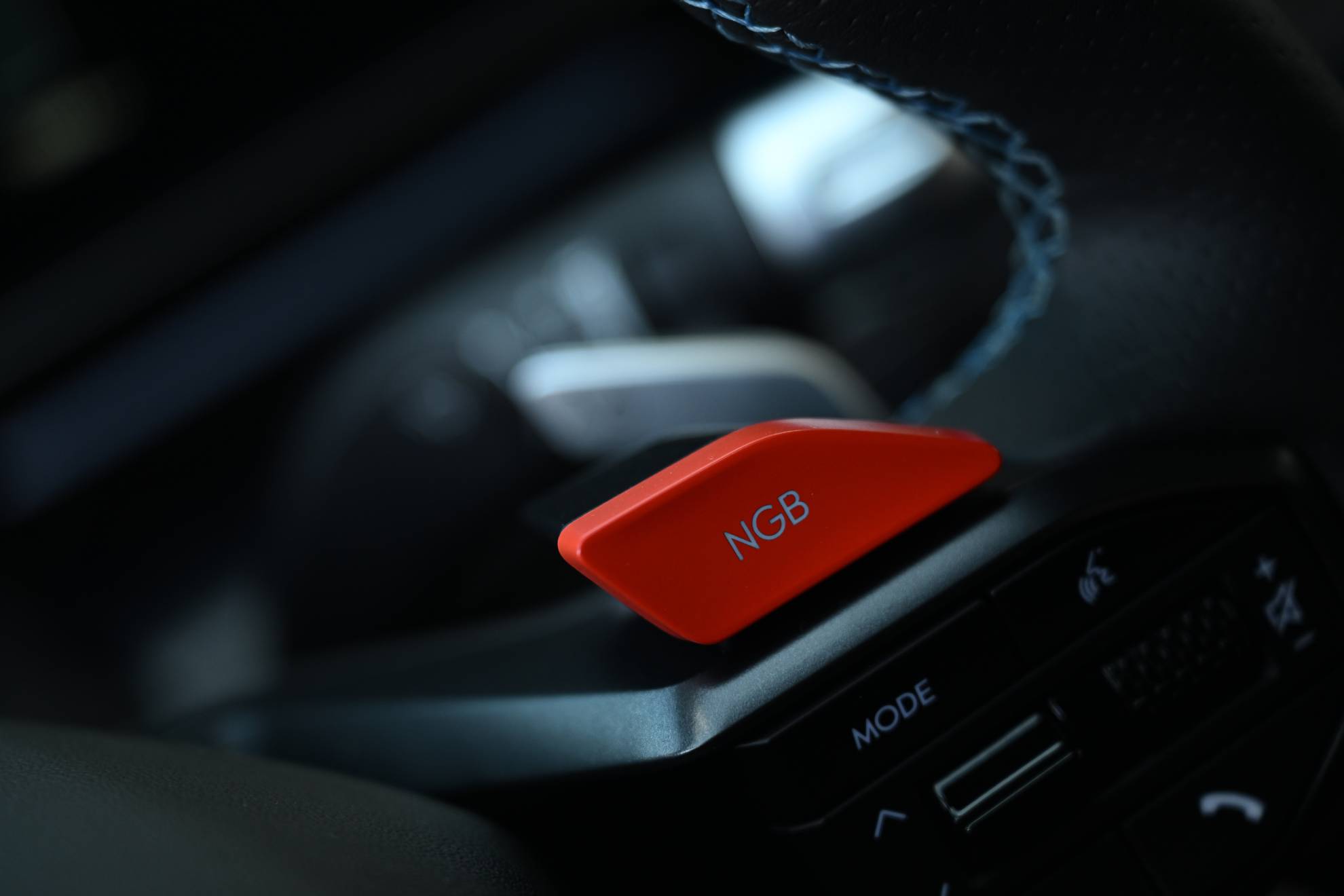
The 'N' World...There are several features in the N line designed to make driving as exciting as possible. Starting with the N e-Shift virtual selector, which uses paddles behind the steering wheel to provide unprecedented levels of fun when driving electric cars, bringing the driving experience closer to high-quality video game simulators. It even simulates fuel cutoff, as in combustion engines, if the driver doesn't shift gears in time.
Another feature that will get your heart racing is the N-Track Manager, integrated into the infotainment system. On one hand, a "ghost car" is displayed on the screen, representing the best lap time in that driving session (revealing whether the driver is performing better or worse than their best lap). On the other hand, there are a number of controlled drift parameters that allow even average drivers to perform safe and spectacular drifts.
The N Battery function pre-conditions the battery to the ideal temperature according to the driving style (Start/Sprint/Endurance). The N Drift Optimizer allows controlled drifts with different levels of intervention from the stability and traction control systems. The N Torque Distribution manages the torque distribution between the front and rear wheels in a fully variable way (in 11 levels). The N Pedal defines the "sport" configuration of the accelerator pedal (with 3 different levels), and the N Regenerative Braking sets a maximum of 0.6 g for greater braking durability, with a limit of 0.35 g when ABS is activated. In short, the menu is quite varied and customizable. Just choose and enjoy, as long as you have the budget to pay the bill.
First impressions...If we say that this is the most exciting electric sports car for track driving, and that it's also perfectly usable in everyday life, at a much more attractive price than the alternative, we're not exaggerating. Spacious and functional inside, it offers reasonable range (at more moderate speeds) and very fast charging (up to 240 kW), provided charging stations are available. Porsche chose it, and so did we.
by Autonews


Nenhum comentário:
Postar um comentário