AUTONEWS
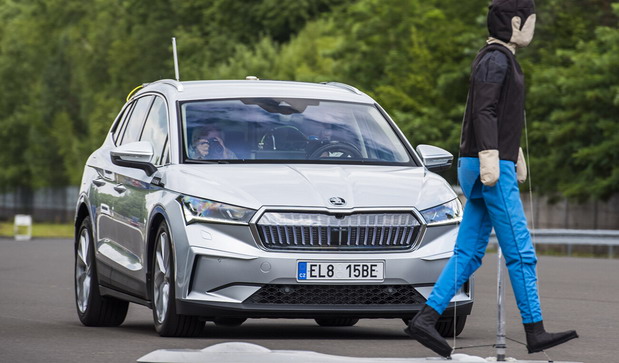
Which cars are more dangerous for pedestrians?
Electric cars now pose the same risk to pedestrians as cars powered solely by petrol or diesel engines. This is confirmed by a new study by scientists from the University of Leeds published in the journal Nature Communications. The main conclusion of the study is that electric cars are no longer more dangerous to pedestrians than petrol cars.
This is a significant development. Just twelve years ago, the situation was completely different. Back then, electric cars were called silent killers. They could be driven silently and unregulated. This made it difficult for cyclists and pedestrians to notice cars and resulted in a significantly higher number of road accidents. At least compared to the number of diesel and petrol cars that ran over pedestrians.
According to the study, the researchers believe that the number of accidents involving electric cars fell sharply after 2014. That was the year the Acoustic Vehicle Alert System (AVAS) was created. However, the system did not become mandatory until July 1, 2019, Autonews reminds.
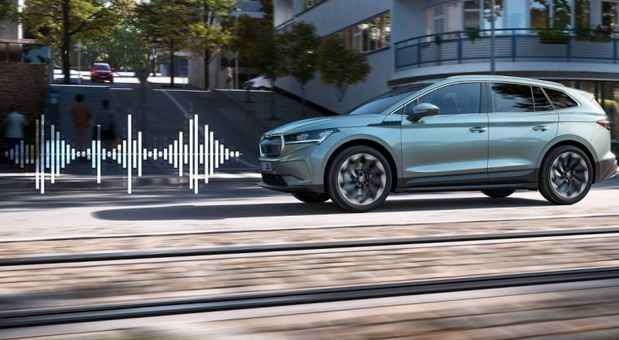
AVAS will ensure that electric cars produce less noise at lower speeds. The goal is actually quite simple. The researchers also studied injuries or deaths in collisions between electric cars and pedestrians. Compared to other vehicles, electric vehicles do not cause more serious injuries or deaths to pedestrians, which is likely due to the fact that more and more electric cars are coming with better safety systems from the factory.
However, there is one exception in the study. Hybrid cars are still involved in pedestrian accidents twice as often as pure gasoline, diesel and electric cars, and the researchers were unable to find a direct explanation. These types of cars produce the same amount of noise as gasoline and electric cars. The driving experience is no different either. The researchers’ only explanation was:
– This could be due to a change in the behavior of hybrid drivers.
Most dangerous types of cars below:
-Large vehicles, specifically SUVs, pickup trucks, and vans, are significantly more dangerous for pedestrians than standard passenger cars. This increased risk is primarily due to their greater height, heavier weight, and blunter, more vertical front ends.
Why Larger Vehicles Are More Dangerous:
-Higher Fatality Risk: Being hit by an SUV or light truck increases the odds of a fatal injury for pedestrians by 44% compared to a passenger car. For children, the risk of death is even more alarming, rising by 82% compared to being struck by a smaller vehicle.
-Injury Severity and Location: The design of larger vehicles means they often strike a pedestrian in the torso or head, causing more severe, often fatal, internal injuries. In contrast, lower-profile cars are more likely to hit a pedestrian in the lower extremities and roll them onto the hood, which may result in less severe injuries.
-Visibility Issues: Taller, boxier front ends create large blind zones directly in front of the vehicle that drivers cannot see, which is especially hazardous for children and people in wheelchairs.
-Turning Collisions: Studies by the Insurance Institute for Highway Safety (IIHS) found that SUVs and pickup trucks are substantially more likely than cars to hit pedestrians when making turns at intersections.
-Braking Distance: Heavier vehicles generally have a longer braking distance, meaning they take longer to stop when a hazard is detected.
Specific Vehicle Types:
-Pickup trucks have been found to be particularly deadly, with a 42% greater likelihood than cars of hitting a pedestrian when turning left.
-Buses also have a high risk per mile for killing pedestrians compared to cars, likely due to their massive size and frequent interaction with pedestrians in urban areas.
In one study, some specific models such as the Chevrolet Traverse, Ford Explorer, and Volkswagen Atlas had pedestrian automatic emergency braking (AEB) systems that did not perform well in the dark.
Safety experts and advocates encourage automakers to redesign vehicles with lower, more sloped front ends to improve pedestrian safety. Organizations like the IIHS provide ratings and information on vehicle safety, including crash prevention technology.
Autonews


Nenhum comentário:
Postar um comentário