AUTONEWS
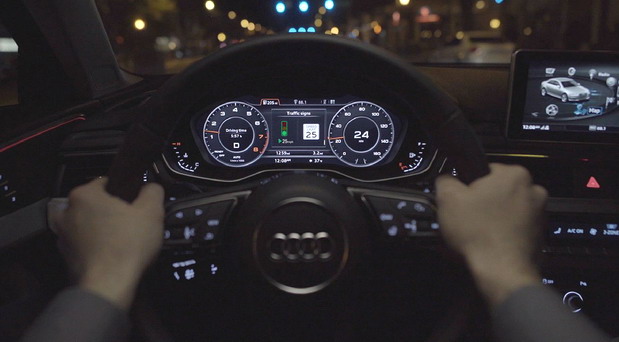
Heavy traffic and increasing number of accidents increase the tension felt by drivers
The fear of driving, known as amaxophobia, is apparently becoming more widespread, especially at night. As many as 43 percent of young drivers in the Netherlands say they are afraid of driving in the dark, reports Autonews.
Driving is one of the most complex tasks people perform every day. Drivers must constantly make quick decisions, process numerous visual and auditory stimuli, assess risks and predict the behavior of others. Heavy traffic and the increasing number of accidents increase the tension felt by drivers.
Young drivers are particularly affected by the significant increase in anxiety behind the wheel. A new survey conducted among 1,068 Dutch drivers shows that the younger generation is facing fear while driving. One in four young drivers regularly experiences anxiety about driving.
The survey, conducted by the analytical agency "PanelWizard" for the OSW platform, paints a picture of a generation marked by nervousness in traffic.
Nearly 43 percent of young drivers experience increased anxiety as soon as it gets dark or when the weather conditions worsen. In addition, more than 20 percent of all drivers say they regularly feel nervous behind the wheel, while among young adults, this percentage increases to 25 percent.
The study shows that a lack of self-confidence leads young people to avoid certain traffic situations, with more than one in five drivers deliberately avoiding certain routes or traffic conditions.
Worryingly, 13 percent of young drivers avoid the highway if possible. Although the highway is designed to be safer and easier to drive, many find it too stressful.
In addition, 33.5 percent of young drivers become nervous because of the behavior of other road users. Driving anxiety has serious consequences for young drivers’ lives, with almost 12 percent reporting that their fear of driving affects their studies, work or social life.
Unpredictable traffic conditions, such as traffic jams, bad weather and driving at night, are important triggers for anxiety at the wheel. Around 40 percent of drivers experience additional stress in such circumstances.
The behavior of other road users also plays a significant role: a third of respondents, or 33.5 percent, say that this regularly makes them nervous.
The study also shows that women are more likely to suffer from fear of driving than men. For example, 30 percent of women say that they regularly feel anxious while driving, compared to 11 percent of men.
Heavy traffic and the increasing number of accidents significantly contribute to the increased tension and stress felt by drivers. This scenario creates a more challenging and often dangerous driving environment.
Several factors are interconnected in this cycle:
Congestion and delays: The unpredictability of travel time and constant traffic jams generate frustration and anxiety.
Aggressive behavior: Drivers under stress may adopt more aggressive behaviors, such as disregarding safe following distances, excessive acceleration, and abrupt lane changes, which increases the risk of collisions.
Fatigue and inattention: Prolonged exposure to a stressful environment can lead to mental fatigue, decreasing reaction time and the driver's attention span.
Public safety initiatives and the adoption of defensive driving practices are essential to mitigate these effects and promote a safer road environment for everyone.


Nenhum comentário:
Postar um comentário