RENAULT

Renault Clio 2026: The French city car undergoes a complete transformation in its sixth generation
The Renault Clio was born 35 years ago as the successor to the Renault Supercinco. It's a curious coincidence that now, with the launch of its sixth generation, the two coincide for the first time in the brand's history in a diamond shape. And they will have one more thing in common: they will be the only two sedan models in the range; the rest are all SUVs.
This Clio is now in its sixth generation, boasting the title of the brand's best-selling car and king of Europe, even in 2025, when its fifth generation will be discontinued. But, despite the fantastic success of the current model, Renault has taken some risks with its design (which, incidentally, is led by the Spaniard Paula Fabregat).
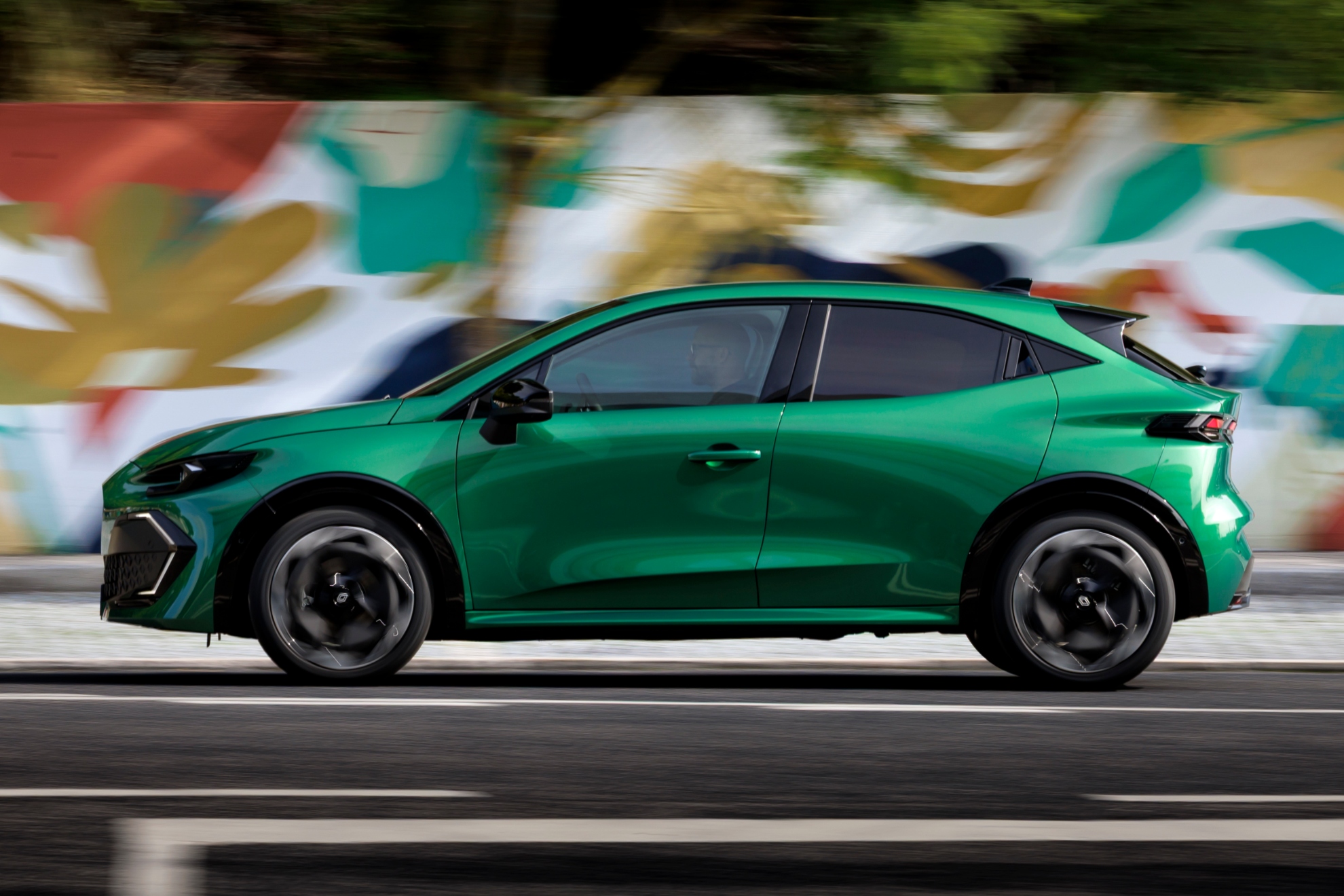
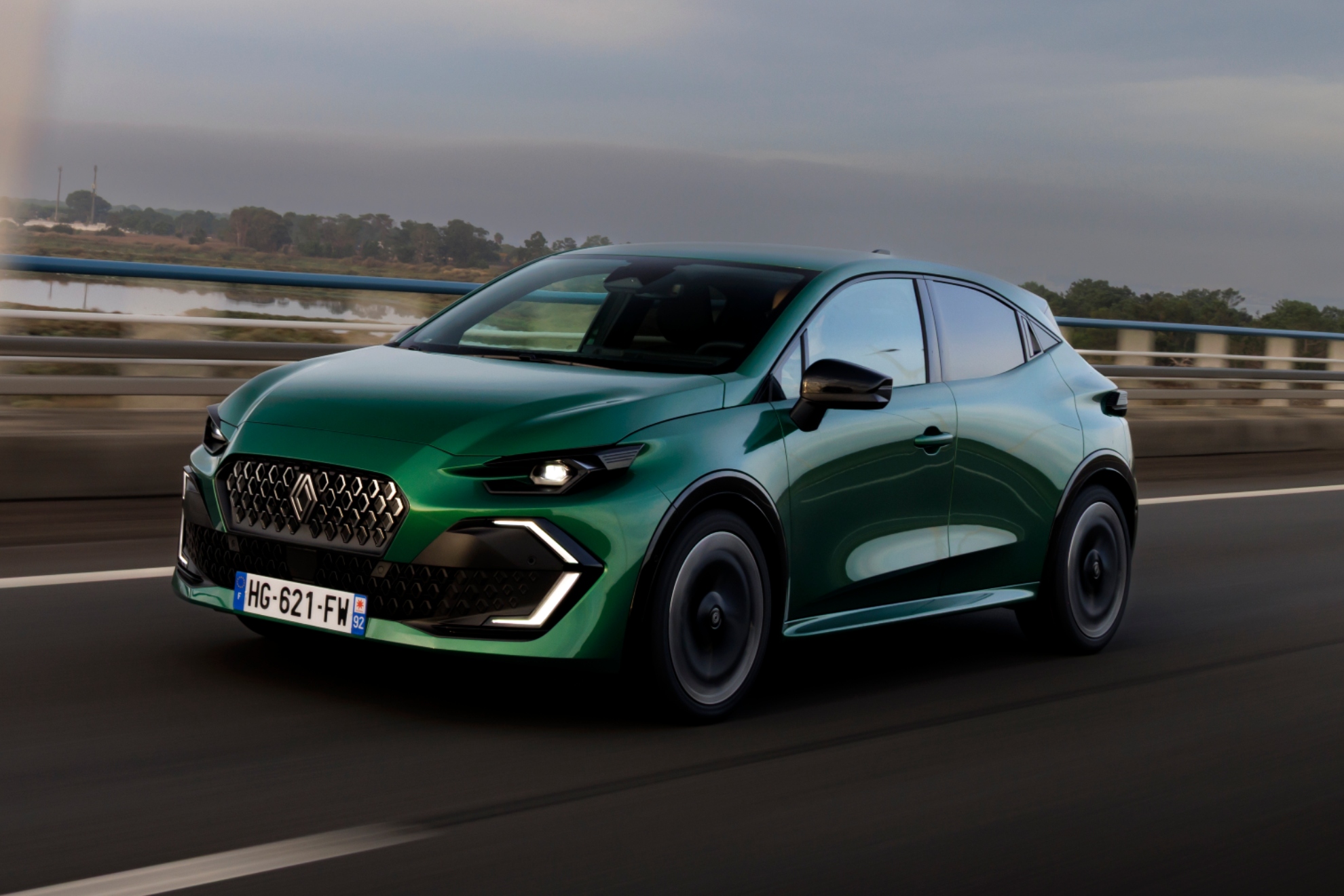
Because the new Clio has a very particular design language. It looks nothing like the Captur and subsequent models — except for a few details, such as the grille with the diamonds flanking the logo in the center. This can be understood as normal, given what we mentioned earlier, since it's the only sedan, along with the R5 (which, incidentally, inhabits a different universe, the electric one, and carries the stigma, in this case positive, of the past).
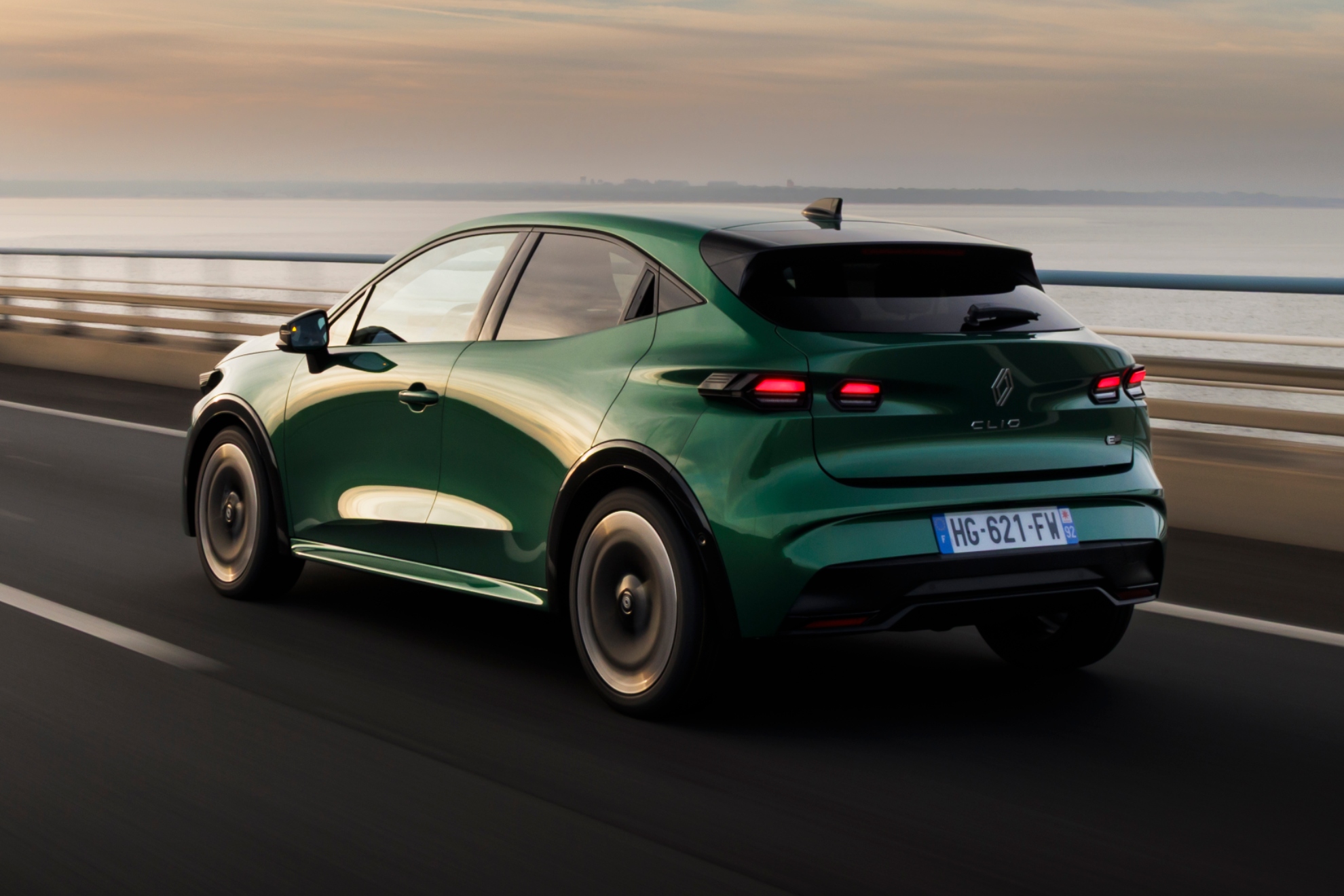
The front end presents a unique detail: the entire central section (the grille) is positioned forward. Furthermore, the headlights are quite distinct and complex in their structure, although they present a conventional light signature. On the side, there's a concave central section that its creators call "almond," giving it a special touch, while the rear, with its two triple taillights, has a very sporty look. Curiously, Renault decided to move the camera from the rear logo to prevent theft of this part, positioning it lower (and, note, more exposed) on the bumper.
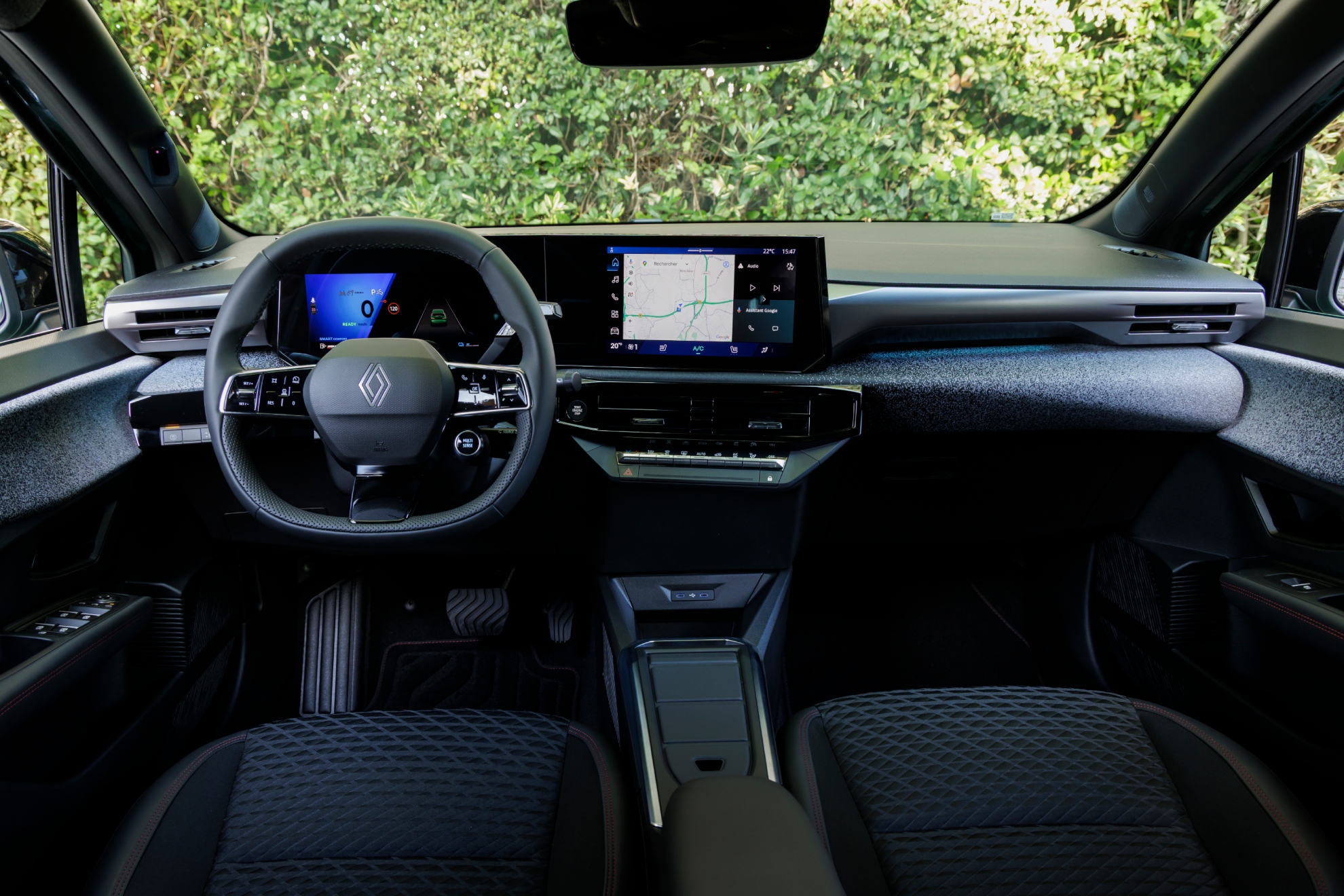
The interior features several updates, including a completely redesigned screen layout with a large 10-inch digital instrument panel—the same size as the main screen, now in landscape format. What you will appreciate most (besides the fact that these sizes are standard across all versions) is the inclusion of Google services (maps and voice assistant), just like in its larger siblings, although this is only available from the second version onwards.
The dashboard also features a new design in the main area, in front of the passenger, with a lower section covered in fabric and intricate decoration, and an upper section with equally complex shapes that mimic the look of exhaust pipes. There is no doubt that the designers did not limit themselves to making superficial changes, but rather completely redesigned the car.
The chassis has also changed, with altered proportions. The 2026 Renault Clio is seven centimeters longer (the wheelbase has increased by one centimeter) and four centimeters wider (the track has also increased). This results in a firmer stance (complemented by excellent steering). The only thing that didn't fully convince us was the firmness of the hybrid's suspension, which we found a bit demanding… although perhaps the quality of the Portuguese asphalt didn't help. We'll have to see it for a longer period… and with more versions, since Renault mentions different chassis configurations (in terms of stabilizer bars and shock absorbers) depending on the engine.
Complete engine review...Although the new Clio's platform is the same CMF-B as the previous generation (with the aforementioned dimensional changes), the real evolution lies in the engine range, which now offers almost all options...except the much-criticized diesel.
The Clio V was the first to be electrified…and the VI, logically, follows the same path. It does so with an E-Tech hybrid engine improved in every aspect. For example, the combustion engine (a naturally aspirated four-cylinder) goes from 1.6 to 1.8 liters and gains power and torque. As in the previous version, it is combined with two electric motors (one for propulsion and the other for electricity generation for a slightly larger battery – from 1.2 to 1.4 kWh) to, together, increase the power from 145 to 160 horsepower. But above all, what drivers will appreciate most is its efficiency… if we can achieve the official average of 3.9 liters per 100 kilometers (the first time a Clio has gone below 4 liters). The secret may lie in the significant role of the electric component: in fact, Renault claims that up to 80% of urban and intercity driving can be done using electric propulsion. Add to that a larger fuel tank (39 liters) and we are talking about official ranges exceeding 1,000 kilometers.
Our first test drive of the car was with this engine, which proved to be quite pleasant overall. Over 100 kilometers around Lisbon, mainly on coastal roads between cities, we achieved a fuel consumption of 4.5 liters per 100 kilometers, driving normally and using the new Smart Eco driving program. This program analyzes our driving style (especially throttle control) and applies the parameters of the other three modes that best suit the situation: ECO if we are driving at low speed or using the throttle smoothly, Comfort or Sport if we are driving more aggressively.
The gasoline/LPG engine, which will be added to the production line by 2026, will also bear the ECO label, offering 120 horsepower and an impressive range of 1,450 kilometers (1,450 kilometers) with both tanks. In addition, those who prioritize the use of LPG will be pleased to know that the tank capacity has been significantly increased from 32 to 50 liters. In other words, more savings for your wallet.
Finally, the most conventional engine is the 1.2-liter three-cylinder turbocharged gasoline engine with 115 horsepower (the same block used in the Rafale or the hybridized Espace), which will define two guidelines: it will be the most suitable version for fleets (which represent no less than half of Clio sales in Europe).
The 2026 Clio range is simple, with the three engines already mentioned (although only the hybrid and gasoline versions will arrive in the first half of 2026) and three trim levels (Evolution, Techno and Esprit Alpine). Renault claims that the Evolution version already has a good level of equipment (very close to that of the Techno), therefore, the cheapest variant, at €18,990 (1.2 TCe), would be more than just a low-cost option intended only for fleets.
Autonews


Nenhum comentário:
Postar um comentário