KGM
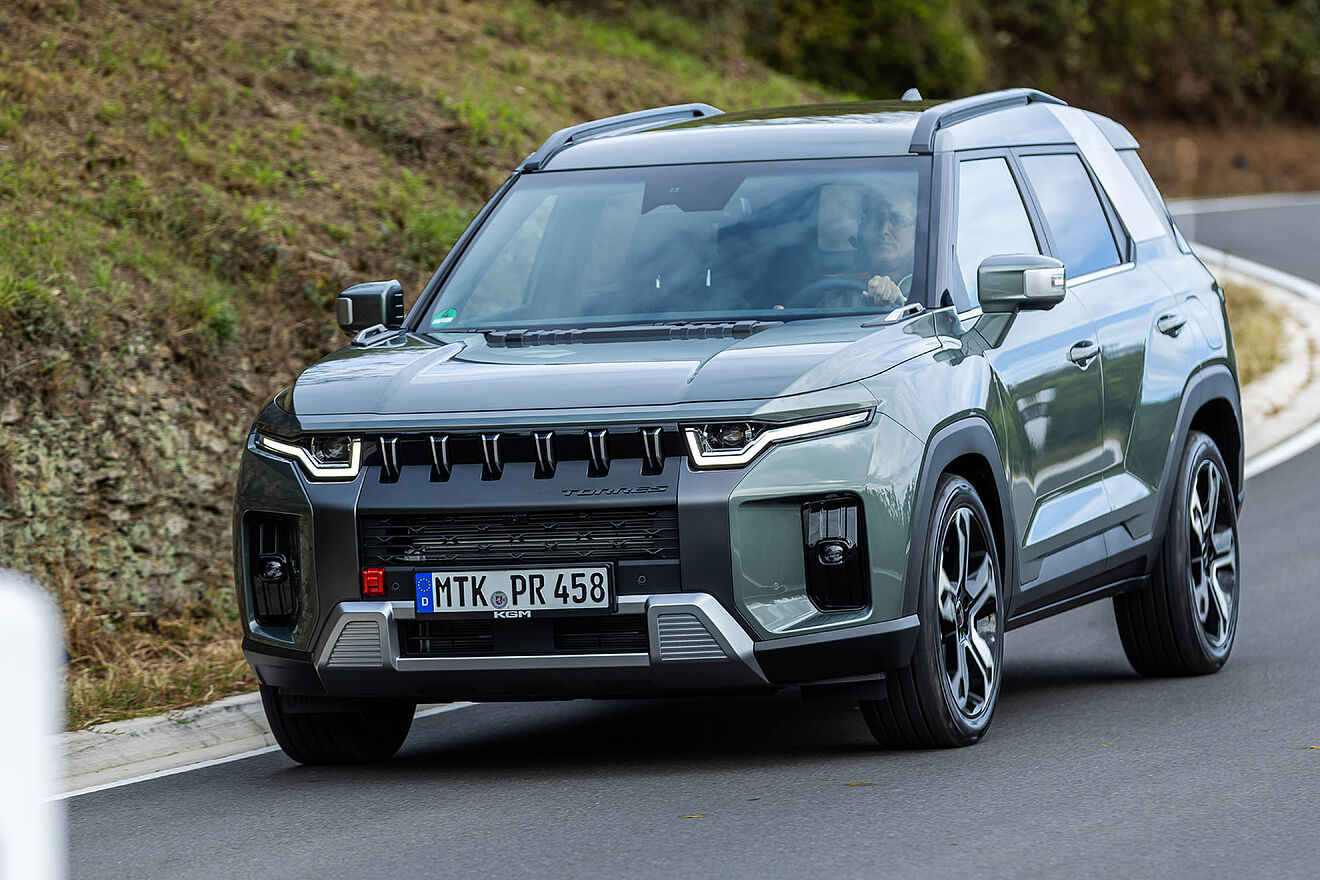
We drove the KGM Torres Hybrid: the anti-Toyota RAV4 that can revolutionize your segment
The Torres debuted in 2023 as KGM's leap into the world of large SUVs, aiming to compete head-to-head in a segment dominated by seven-seaters and ECO-certified technologies. It offered an innovative design, in the purest classic 4x4 style, and a compromise between spaciousness and a more attractive price.
These attributes, for some reason, prevented the model from consolidating itself in the demanding Spanish market. In 2024, it sold only 411 units, and so far in 2025, it has sold 249 units (31% fewer than in the first nine months of last year).
Perhaps it was because it started life with a 163-hp gasoline engine that underpowered and over-consumed, or because it launched just as LPG models were no longer attracting attention (a fuel that is offered as standard, by the way). Or simply due to the commercial transformation that the South Korean brand underwent to become KGM, the truth is that, compared to its main rivals, the Torres has been a residual model in terms of sales.
However, all of this could change with the arrival of this Hybrid version, which represents an unprecedented technological leap, incorporating a state-of-the-art electrified system developed with a luxury partner: BYD.
As with the electric Torres EVX, KGM relied on BYD, a world leader in electrification, to create the hybrid system for this Torres HEV. The system includes a 1.5-liter Miller-cycle turbocharged gasoline engine producing 150 hp, specifically designed for this hybrid system, along with a 177 hp electric motor with 300 Nm of torque. The combined output is 204 hp, ensuring remarkable performance at top speeds of up to 180 km/h. However, the main attraction of this version is its efficiency, determined by an average fuel consumption of 5.8 l/100 km, which represents a 28% savings compared to the Torres with a manual gasoline engine and 36% compared to the automatic 4x4. This is mainly due to the system itself, which operates in both series and parallel to ensure the lowest possible fuel consumption.
Whenever possible, the electric motor will drive the wheels, allowing the 1.5 Turbo to act as a generator. However, during peak demand, the combustion engine will provide backup, although it can also operate independently of the entire unit.
All of this is possible thanks to a 1.84 kWh battery with NMC chemistry, which, of course, was not developed by BYD, but by Sunwoga (the company that supplies the batteries for the iPhone, no less). A significantly larger battery pack than those used by direct competitors like the Toyota RAV4 (1.6 kWh) or the Hyundai Tucson (1.4 kWh). The cherry on top: the e-DHT transmission, without fixed gears, which offers smooth and fast operation, leaving behind the uncomfortable CVTs of other brands.
The result: a system that allows driving in electric mode for up to 94% of the time in the city, with smooth transitions between modes and a complete absence of vibrations. Power delivery is smooth and very progressive, while driving refinement surpasses even that of many Japanese and Chinese competitors, thanks to the reduced noise and the specific sound insulation materials of this version.
A claim that, while it may seem like a marketing gimmick, becomes reality as soon as you get into the Torres Hybrid and drive the first few kilometers. Whether in a fuel consumption test, like the one performed in the first part of the trip, or in normal driving, the system stands out for its refinement. The cabin's soundproofing is perhaps the most notable aspect, along with the hybrid system's increased performance.
Simply accelerate hard to notice how the two motors work together, and the car continues to gain speed. Equally important is the paddle-shift braking regeneration system, unusual among its competitors, with up to three levels, though none of them with a single-pedal effect.
The e-DHT transmission is particularly enjoyable: it simulates virtual gears, avoids the "CVT belt" effect of other hybrid solutions, and responds immediately to driver input. The additional weight of the hybrid system does not compromise agility, allowing for direct steering response and sufficient stability for any terrain. It is true that its focus is primarily on road use, focused on comfort, with an independent suspension (McPherson struts at the front, multi-link at the rear) with specific shock absorbers that excellently isolate uneven terrain.
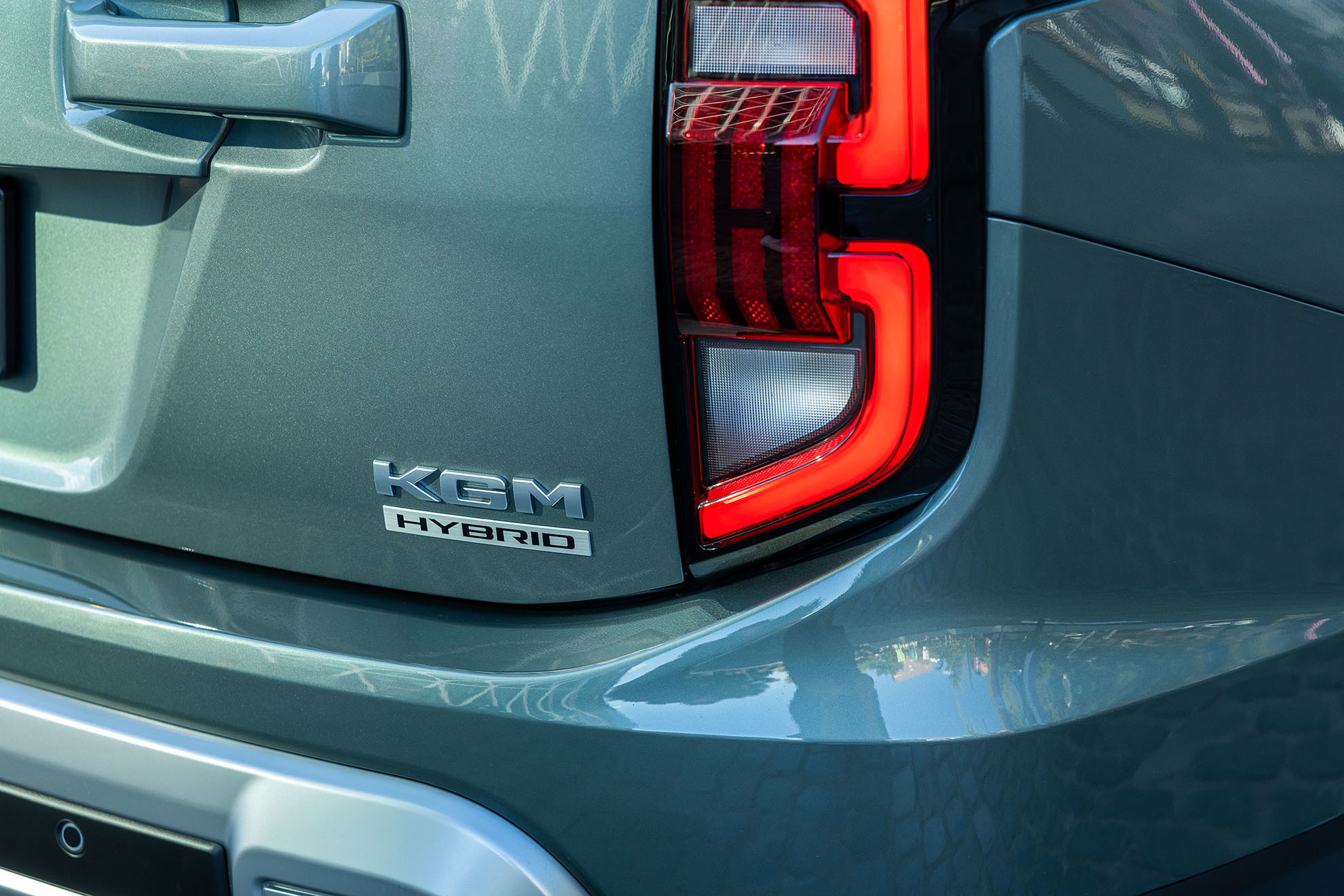
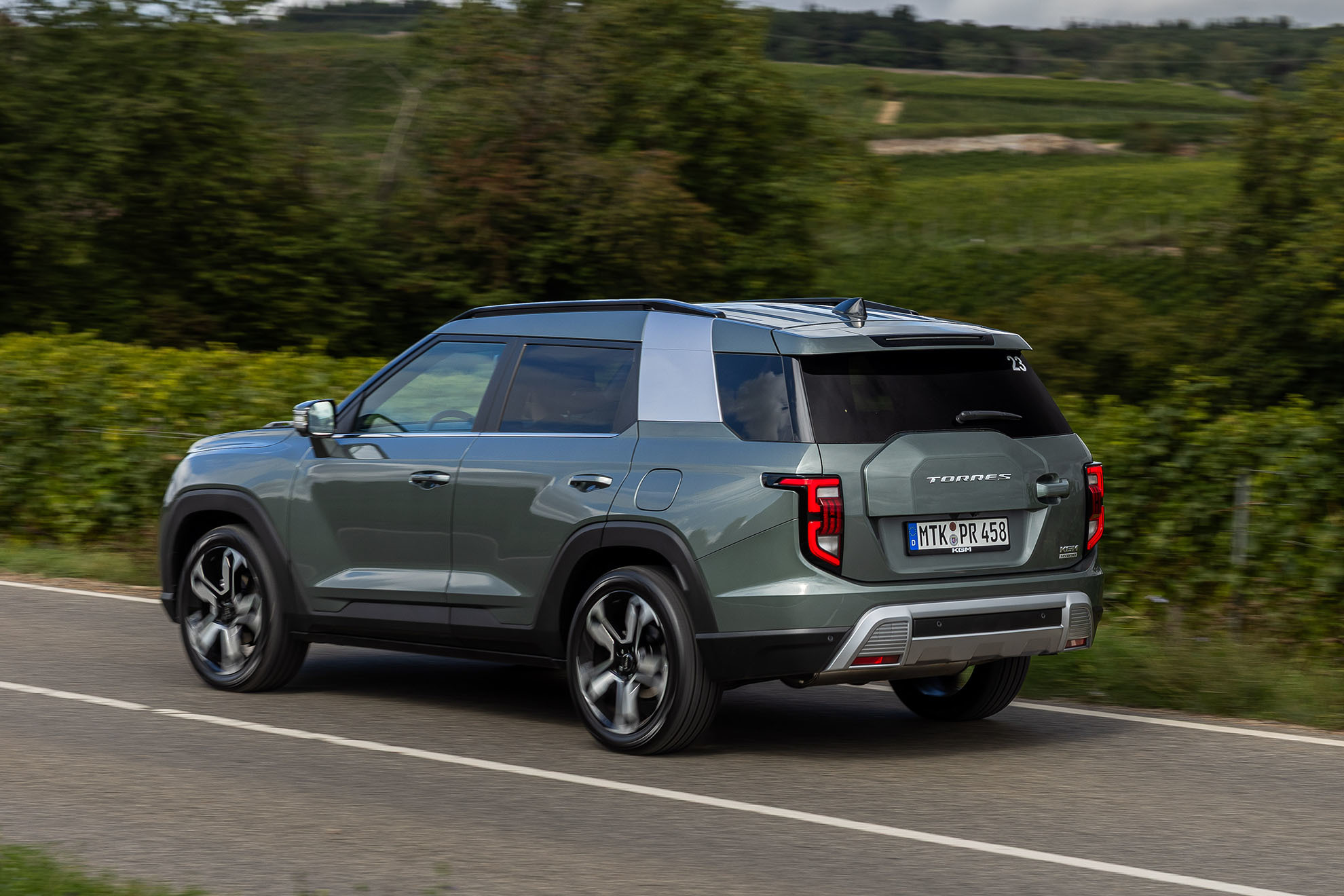
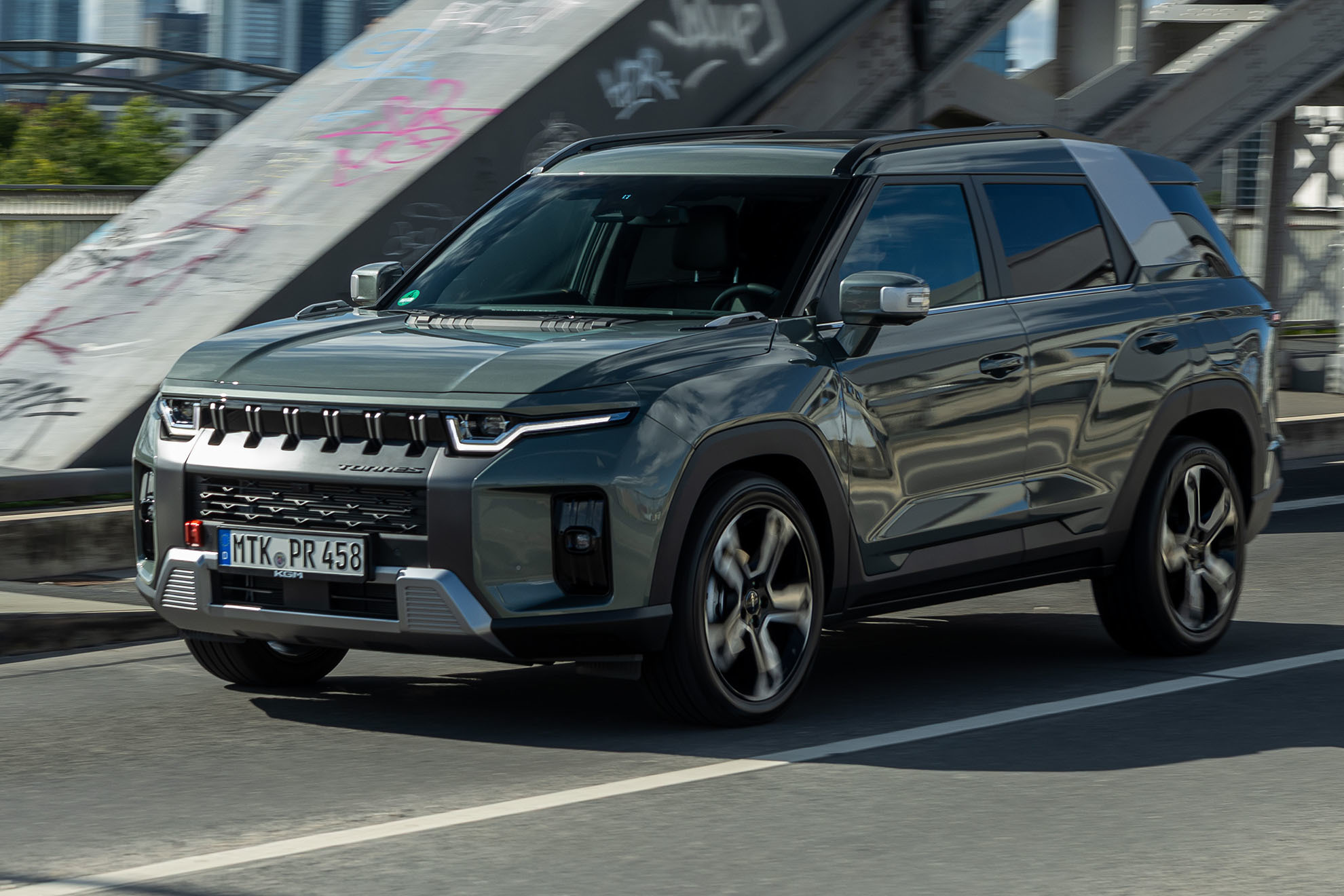
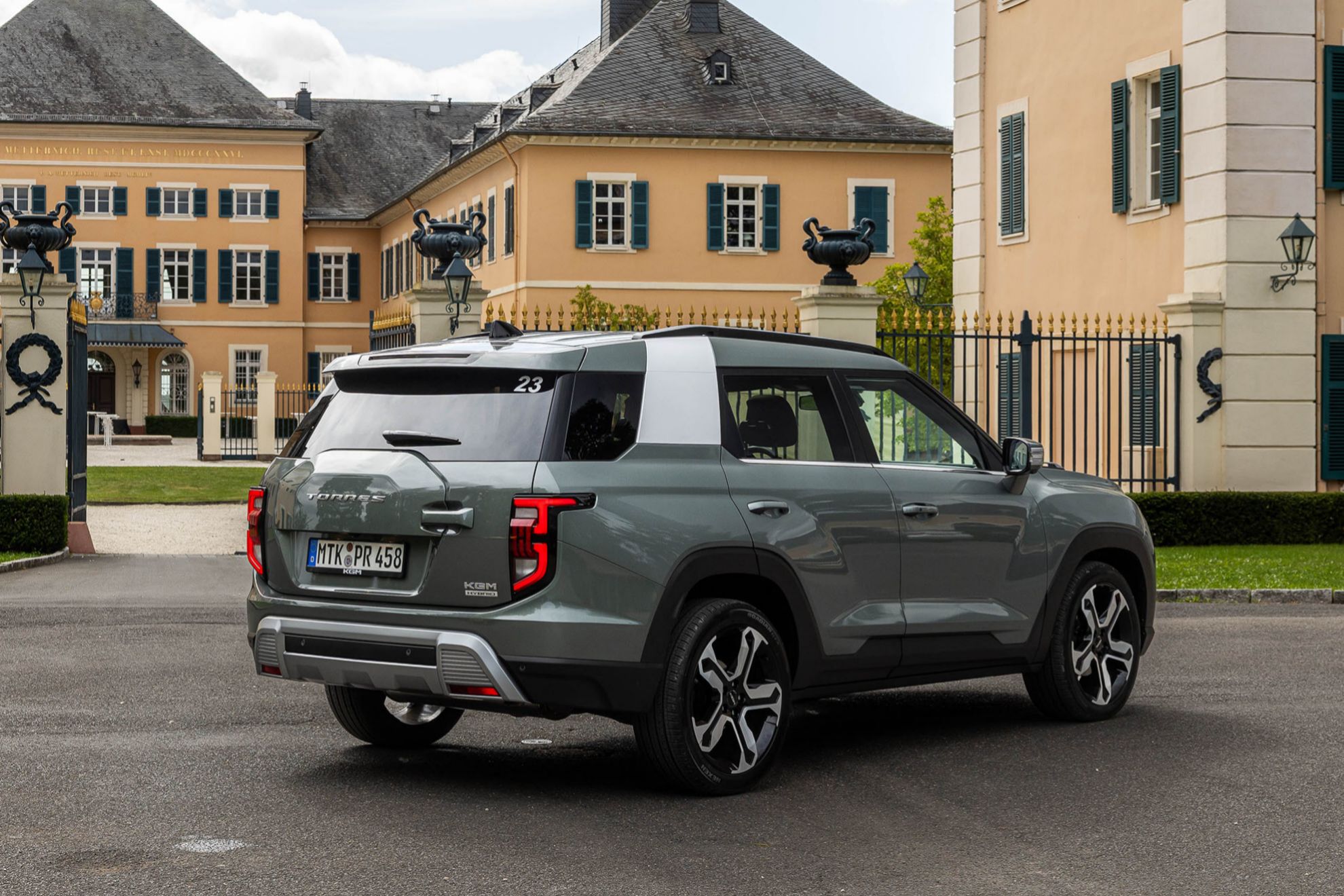
The changes, inside... In terms of design, the Torres Hybrid remains unchanged externally and maintains the model's unmistakable DNA: square lines, a "robust" look, and a well-defined front end with a vertical grille dominated by six slats and LED daytime running lights shaped like the Ursa Major constellation. The reference to classic off-road vehicles is evident, though modernized with chrome accents, large hood handles, red trailer towing trim, and an easily recognizable rear end thanks to the spare tire cover. Two wheel options (17" and 18") and a six-color palette—including Latte Greige—provide this touch of personalization.
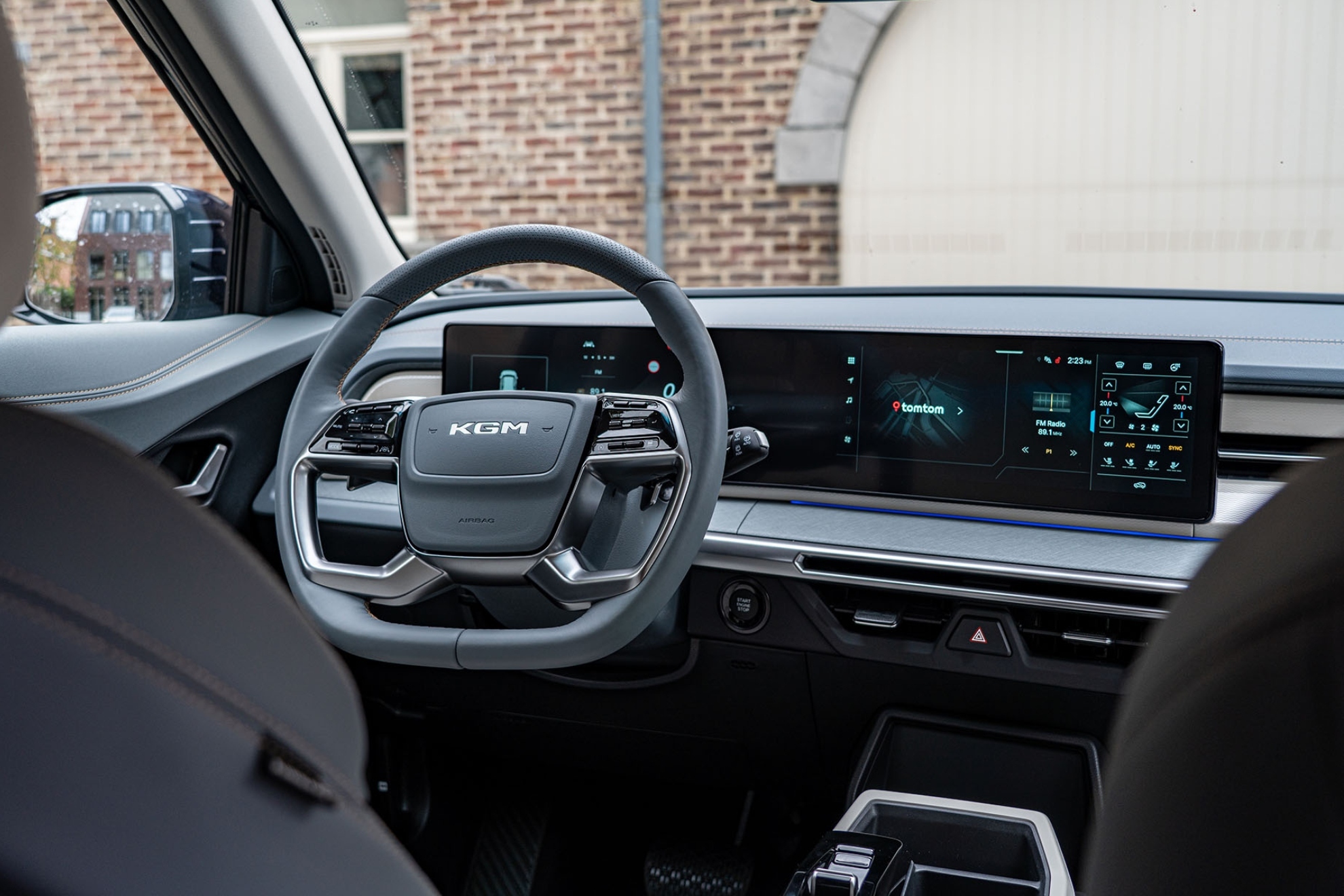
However, it's the interior that changes the most compared to the original Torres, starting with the inclusion of the KGM initials on the steering wheel to reinforce its identity, and continuing the same aesthetic and quality path seen in the EVX. In addition to the use of higher-quality materials, the technological component is confirmed by the panoramic curved screen that combines two 12.3" displays, with new graphics, wireless synchronization with Apple CarPlay and Android Auto, and integration of the climate control system into the central screen. The evolution is so significant that there are almost no physical buttons, emphasizing the minimalist philosophy.
There are no changes to the car's ergonomics or spaciousness, features for which it already excelled. The rear seats are extremely spacious, and the trunk is colossal, with 839 liters of capacity up to the roof and 1,662 liters with the second row folded down—a figure far superior to that of any direct competitor.
Unbeatable price: the boost you need?... The Torres Hybrid positions itself as the most affordable hybrid SUV in the D segment on the market, thanks to its starting price of 31,500 (including promotions) or 28,800 (including financing). This price corresponds to the Trend trim level, which also offers ample features: dual-zone climate control, sensors and camera, 17-inch wheels, a fully digital instrument panel, seven airbags, and all the essential safety features.
However, there are many rivals, but if we focus on the best-selling ones, the Torres Hybrid is 8,700 more affordable than the Renault Espace, 7,200 cheaper than the Toyota RAV4, 5,150 less than the Nissan X-Trail, and even cheaper than the Hyundai Tucson, Kia Sportage, or the recently introduced MG HS Hybrid+.
That said, the Torres Hybrid is the most balanced option for those looking for a large hybrid SUV that's economical to own and operate. It surpasses its gasoline (and LPG) predecessor in efficiency and driving pleasure, while retaining all the charm and robustness of the original design. Its comfort, cutting-edge technology, and ECO label make it a smart buy, both in terms of price and versatility.
Autonews


Nenhum comentário:
Postar um comentário