DS
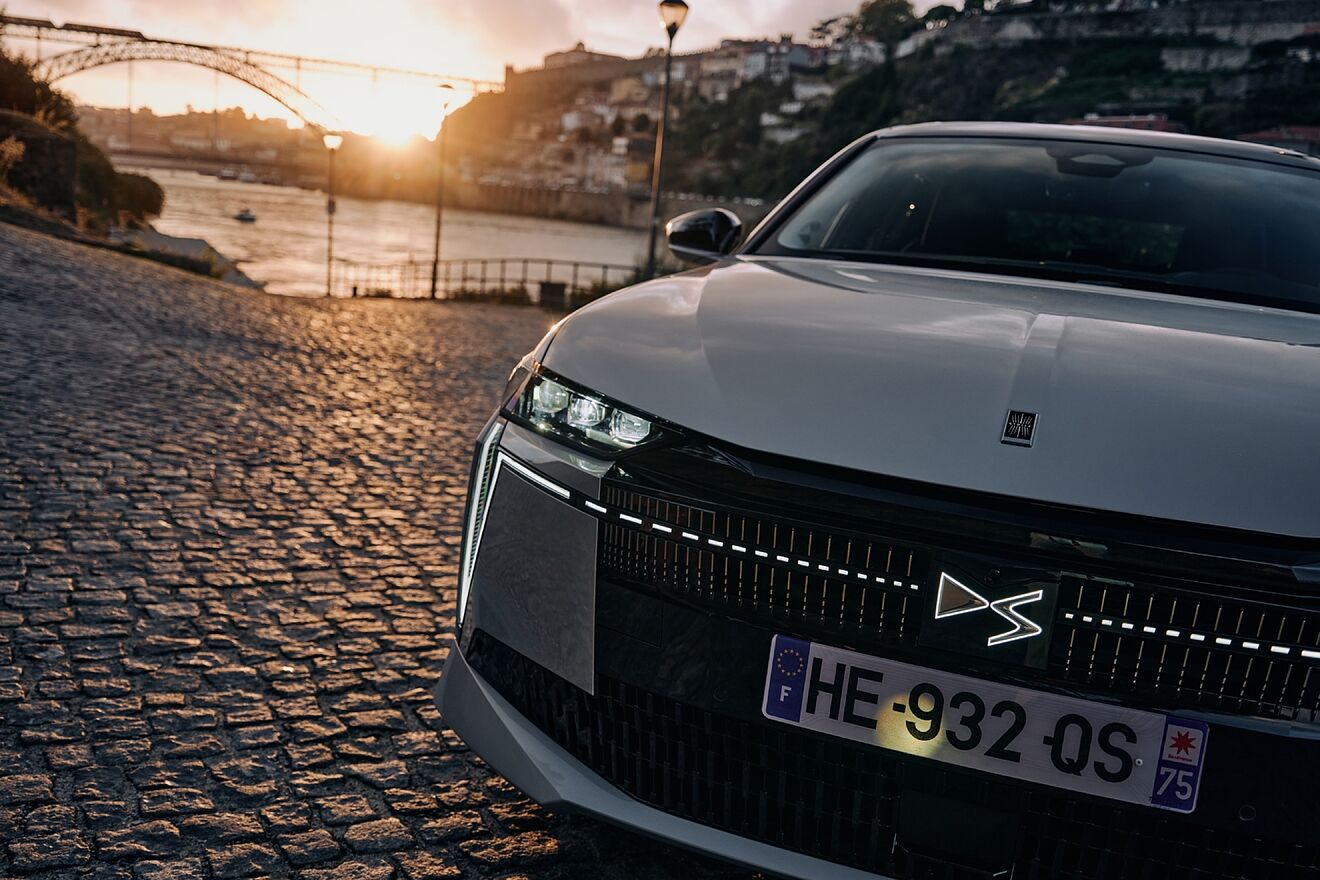
We tested the 2025 DS Nº4: a premium compact with a different style
Competing in the premium segment has always been difficult for traditional manufacturers, which is why the formula they've used in recent years is to use complementary brands specializing in higher price ranges. This strategy worked particularly well for Cupra and is one that DS Automobiles continues to pursue within the Stellantis group (in fact, it's a profitable brand within the conglomerate).
The DS Nº4 is the latest evolution of the French premium compact and arrives with the ambition of strengthening its status against its German rivals. This third generation is more refined and features a new name—"Nº4," an inevitable association with Chanel Nº5—that aims to emphasize the French brand's more distinguished and sophisticated side. Finesse oblige.
The aesthetic update is discreet but effective. Many of the chrome surfaces have been replaced with gloss black elements, in a "less is more" approach that accentuates the elegance and purity of the lines.
After a period of absence since its launch, DS accelerated in 2025 with the arrival of the Nº8 and the extensive revision of the now-named Nº4, thus emphasizing the impact of the changes... which are undoubtedly significant, but not enough to be considered a new generation. We had the opportunity to see and drive it in Portugal, and they undoubtedly give the French compact a fresh and interesting look.
The first change is in the name: from DS 4 to DS Nº4, following the path blazed by the DS Nº8, the French brand's flagship. There are also no major changes to its platform, the EMP2, which offers all powertrain options, from diesel to electric.
In fact, it's the only one among its theoretical rivals (Audi A3, Mercedes A-Class, BMW 1 Series, etc.) that can boast this. And the DS Nº4 exploits this ace to the fullest, bringing to market all four (true to its name) powertrain options. Starting with a 145-horsepower gasoline micro-hybrid engine, moving on to a 225-horsepower plug-in hybrid, the 213-horsepower E-Tense electric motor, and, by the end of the year, a diesel engine as well.
All engines currently available have been improved over their predecessors. In fact, the base model is now the new 1.2-liter turbocharged gasoline engine (which, with 145 hp, replaces the previous Puretech) with 131 hp and mild hybridization...though not so mildly hybridized, as it is capable of powering the car exclusively on electricity (not for long...but in many situations, as we discovered, in urban driving, up to half of our trips can be done on electricity).
We were able to test it on a short drive through downtown Porto, where it proved, above all, to be smooth and refined in operation (with fairly fluid transitions between electric and combustion propulsion) and efficient in terms of power... at least in relaxed driving. Perhaps the best part is that its range can reach 1,000 kilometers... at least according to the manufacturer's claims.
The plug-in hybrid is the most evolved, bringing with it significant mechanical changes. This is especially true of the battery, which has a capacity of 14.6 kWh (a 29% increase), increasing its range by 30%, from 62 to 81 kilometers (a shame it's still short of 90 kilometers, which would offer similar purchasing advantages to the all-electric models). Its electric motor is also more powerful (now delivering 125 hp instead of 110), but total output remains at 225 hp.
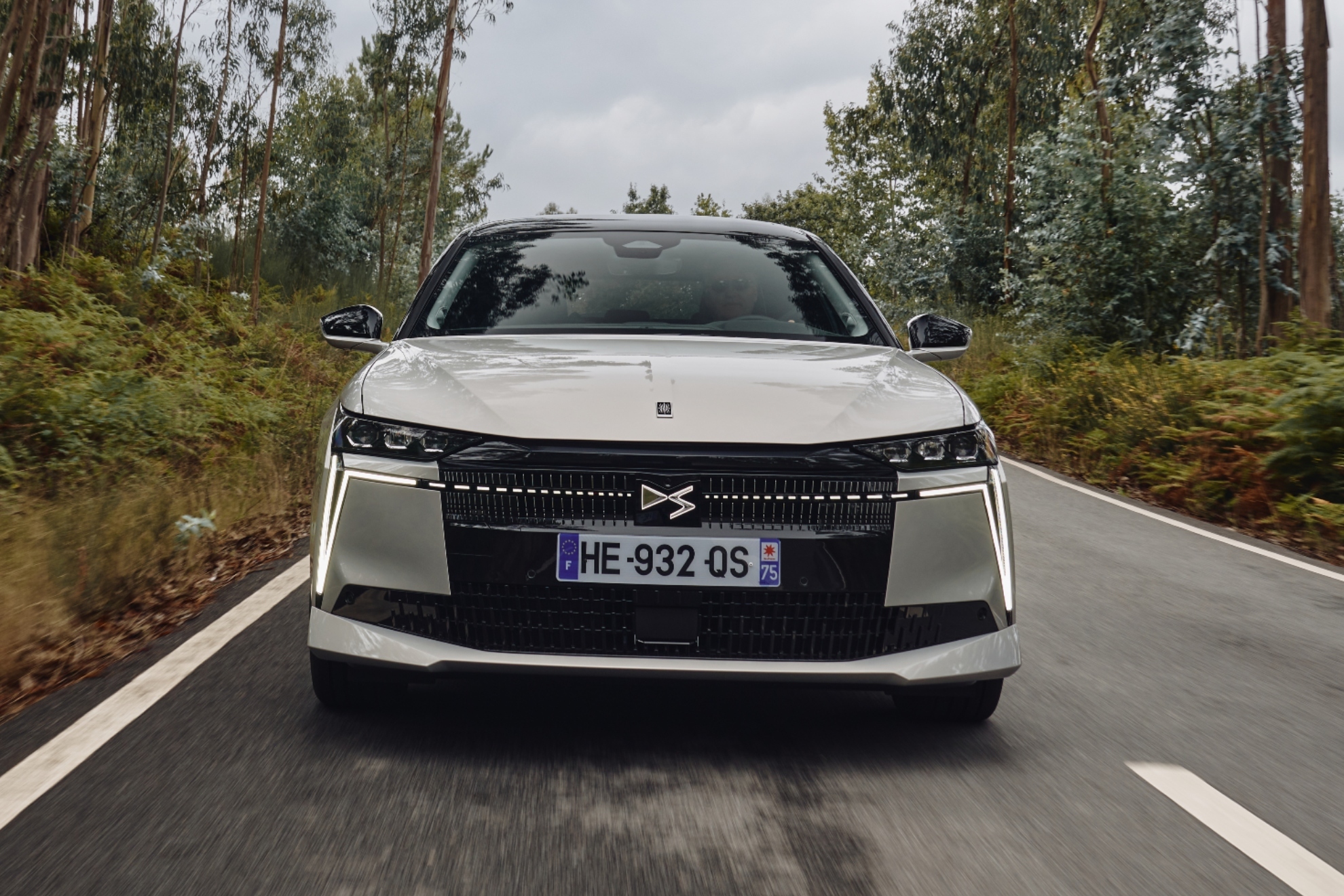
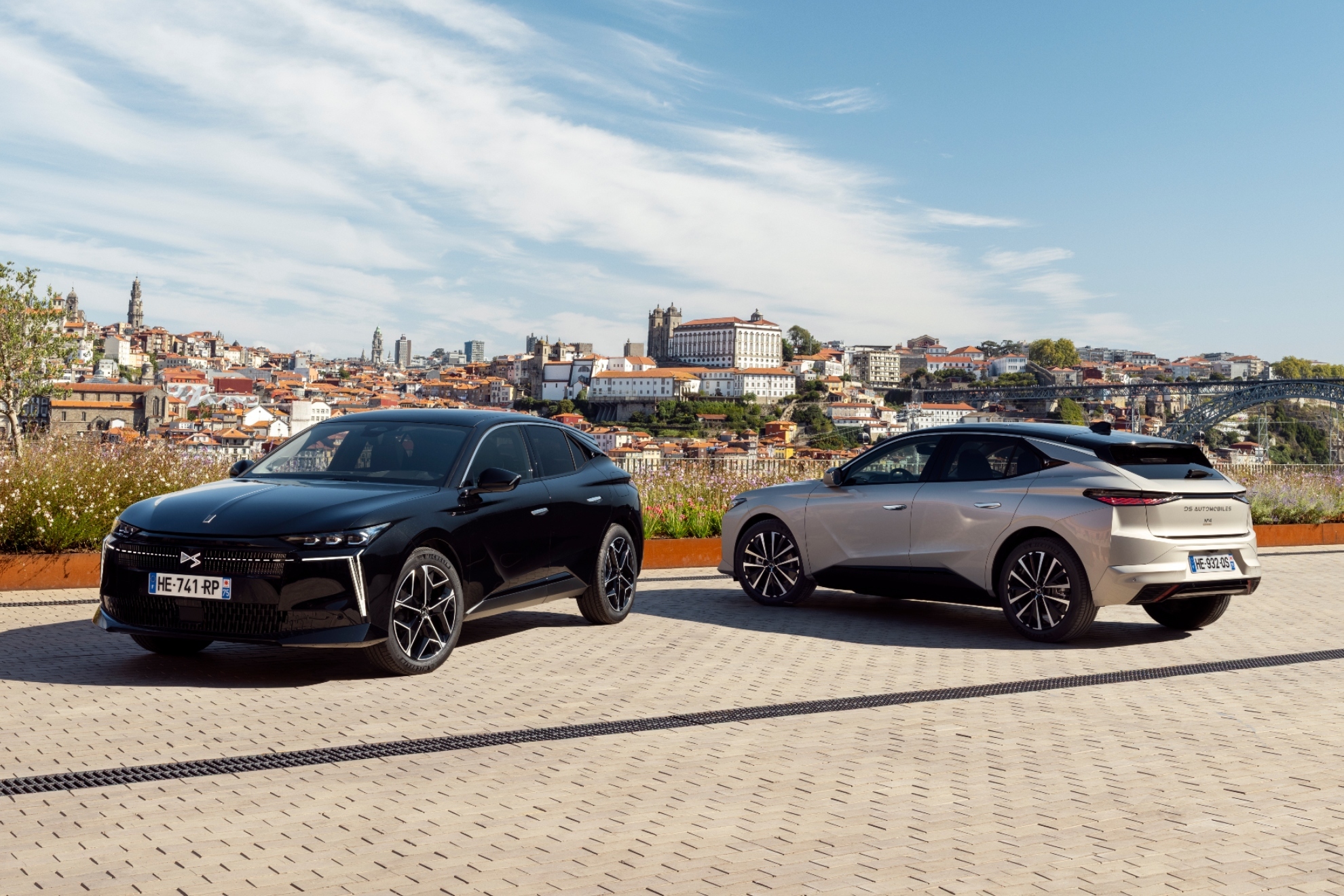
At the front, the Matrix LED headlights (on the top-of-the-line Etoile models) and the beam of light that runs along the edges of the bumper until converging on the illuminated logo in the center stand out.
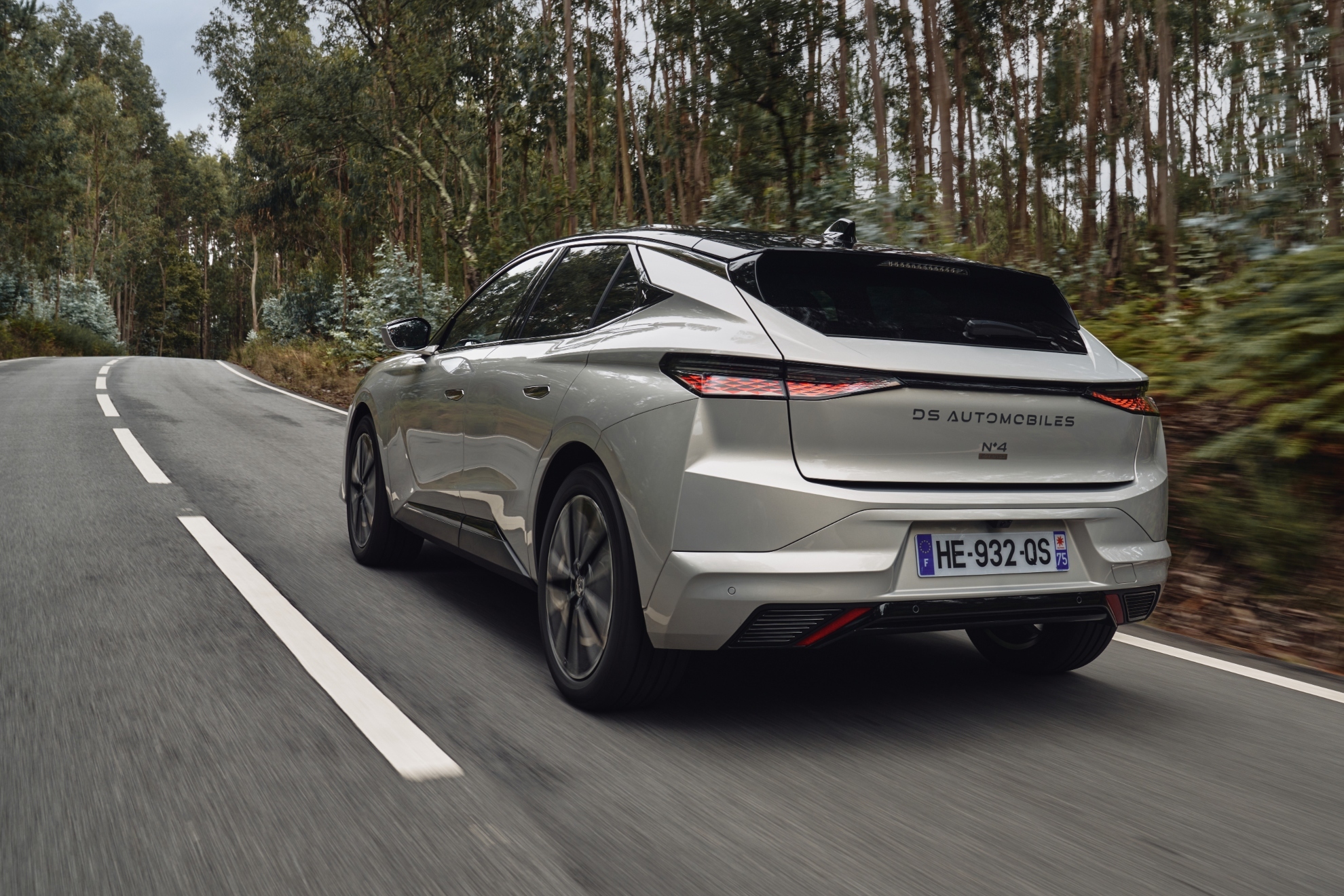
At the rear, the new lighting signature with a "black mask" and laser-engraved embossed scales reinforces the exclusive character, now accompanied by the "DS Automobiles" inscription—an element that will appear on all of the brand's models.
We tested the DS Nº4 E-Tense...The version we were able to test for the longest time was the electric E-Tense, which, with 213 horsepower, offers more than enough performance, but not overwhelmingly so. This, in our opinion, is a success, as it allows the DS Nº4's strengths to shine more clearly—and undoubtedly its strength. And not only because of the quiet ride (which is a given in an electric car, but which must also be accompanied, as is the case, by good insulation from the exterior), but also because of the comfortable suspension, a DS/Citroën tradition that continues to thrive here.
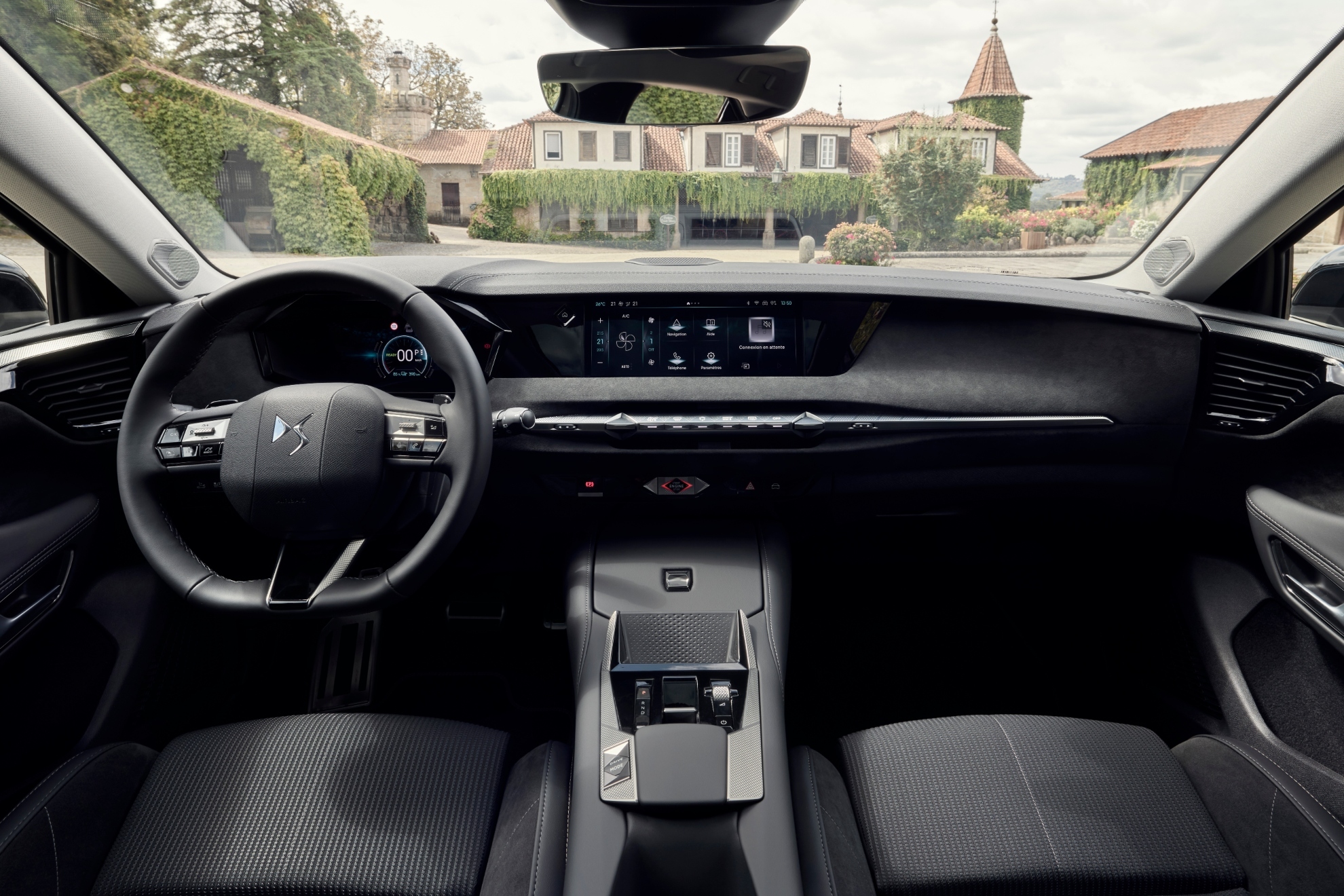
Inside, there are fewer changes. Just a new design for the digital instrument panel (truly modern and very easy to read), inspired by what we saw on the DS No. 8...and little else. Although, of course, the small—absurdly useless—screen that the DS 4 had in the center console is gone.
The interior is truly enjoyable. The seats are very comfortable—a Citroën tradition—and the supple suspension makes it secure on uneven roads. However, it lacks a sporty feel, although the configuration of its engine range already tells us that this is not what it aims for, far from it. Whether or not it is "the most comfortable compact on the market," as DS boasts, remains to be seen, but it is certainly well positioned to be so.
We still need to know the specifications of the BlueHDI diesel, which in the original model delivers 130 horsepower (in fact, it's still sold as the DS 4).
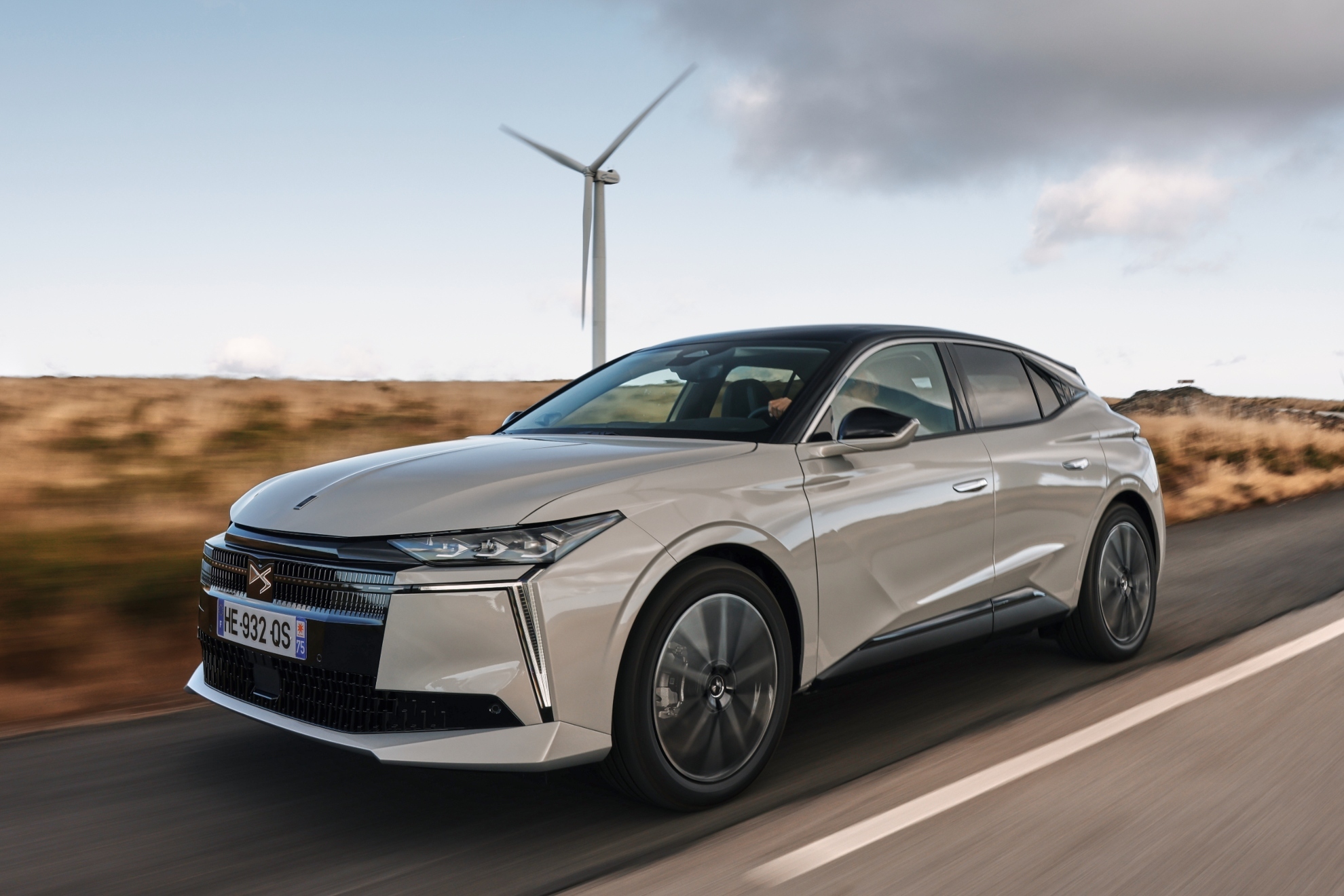
New look...Although the DS No. 4 hasn't changed internally—it maintains the same base—the design has been significantly updated, especially at the front, which will be very recognizable, especially at night.
It's based on the configuration we saw on the DS E-Tense Performance prototype, with boomerang-shaped daytime running lights that give it a very modern touch. But the most original element is the pixel-shaped light strip that connects the headlights to the illuminated logo in the center of the grille.
At the rear, there aren't many changes. The taillights maintain the DS 4's characteristic scale design, but now incorporate an inscription with the brand and model name, which, in our opinion, is very out of place. It's very ostentatious, and the chosen font doesn't seem quite appropriate... but it's still a small detail that doesn't detract from the DS 4's distinctive and original character.
Of course, some things remain the same...like the somewhat limited trunk capacity, especially in the more electrified versions, since, depending on the engine, its capacity varies between 360 and 430 liters.
Prices start at €38,600 for the Hybrid with the Pallas trim (the entry-level model), which includes 19-inch wheels, dual-zone climate control, and front and rear parking sensors with a rearview camera, among other features. The plug-in hybrid and the electric E-Tense will be priced the same with the same equipment, both starting at €45,400, before subsidies.
Autonews



Nenhum comentário:
Postar um comentário