AUTONEWS
Only half of the models pass the safety test in the GTÜ winter tire test, and cheap tires failed to make a name for themselves
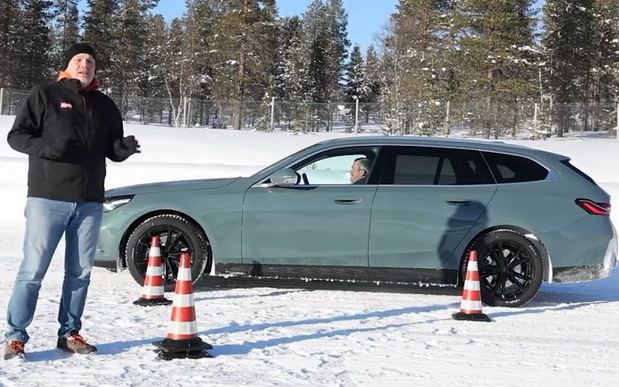
In the latest winter tire test conducted by GTÜ (GTÜ - Gesellschaft für Technische Überwachung, a German independent organization for technical supervision and testing of vehicles), in cooperation with Auto Zeitung and the Austrian ARBÖ, ten models of winter tires in the size 245/45 R19 were tested. The tests were conducted on the current BMW 5 Series, and the goal was to compare the performance of premium and more affordable winter tires in real conditions - on snow, wet and dry surfaces.
The tires tested were from well-known premium manufacturers Bridgestone, Continental, Goodyear, Michelin and Pirelli, as well as more affordable brands Vredestein, Yokohama, Linglong, Maxxis and Triangle. The price difference between the top and the cheapest models is large. While a set of premium tires costs around 1,000 euros, Chinese alternatives can be purchased for a third of that amount. But the crucial question remains, is the difference worth it when it comes to safety?
As Jutarnji.hr reports, traction and stability in the snow proved to be the ones that still separate the top from the rest of the range. Bridgestone, Goodyear and Michelin achieved the best results, while Pirelli also showed very good performance. Continental, Maxxis and Vredestein lag behind and were rated only "satisfactory", while Linglong and Triangle failed in almost all disciplines. Yokohama disappointed especially in lateral grip and stability.
On wet surfaces, Goodyear and Pirelli won, ahead of Continental, Bridgestone and Michelin. This is where the key differences between the brands come to the fore. When braking from 100 km/h with cheaper tyres like Maxxis, the test BMW was still driving at 40 km/h at a time when the premium models had already come to a complete stop. With Linglong and Vredestein, this "residual speed" was 30 km/h, which is also a difference that in real conditions can mean life or death.
On dry asphalt, the differences are less pronounced, but Triangle surprised with the second best result in that category. However, overall, its performance remains too weak to be seriously recommended. The greatest durability was demonstrated by Michelin, whose tires last up to 46,750 kilometers, with minimal cost per kilometer and a favorable environmental balance. Bridgestone stood out with its efficiency, while Goodyear combined high safety with good environmental indicators.
In the final ranking, Goodyear won first place, ahead of Michelin and the new Pirelli, which stood out with sustainable materials and reduced consumption, but slightly failed in the aquaplaning test. Bridgestone and Continental were also rated “highly recommended”.
The GTÜ conclusion is clear: only half of the tested tires can be recommended without restrictions. Although they are more expensive, premium tires offer greater safety, better resistance and long-term profitability, while cheaper models save money when buying, but put their “head in the bag” on the road. See the complete test results links below:
>>>https://www.gtue.blog/sicherheit-praxis/winterreifen-im-test-premium-oder-preisbrecher/
>>>https://www.gtue.blog/wp-content/uploads/250921_Winterreifentest_2025_DS.pdf
Autonews



Nenhum comentário:
Postar um comentário