TOYOTA
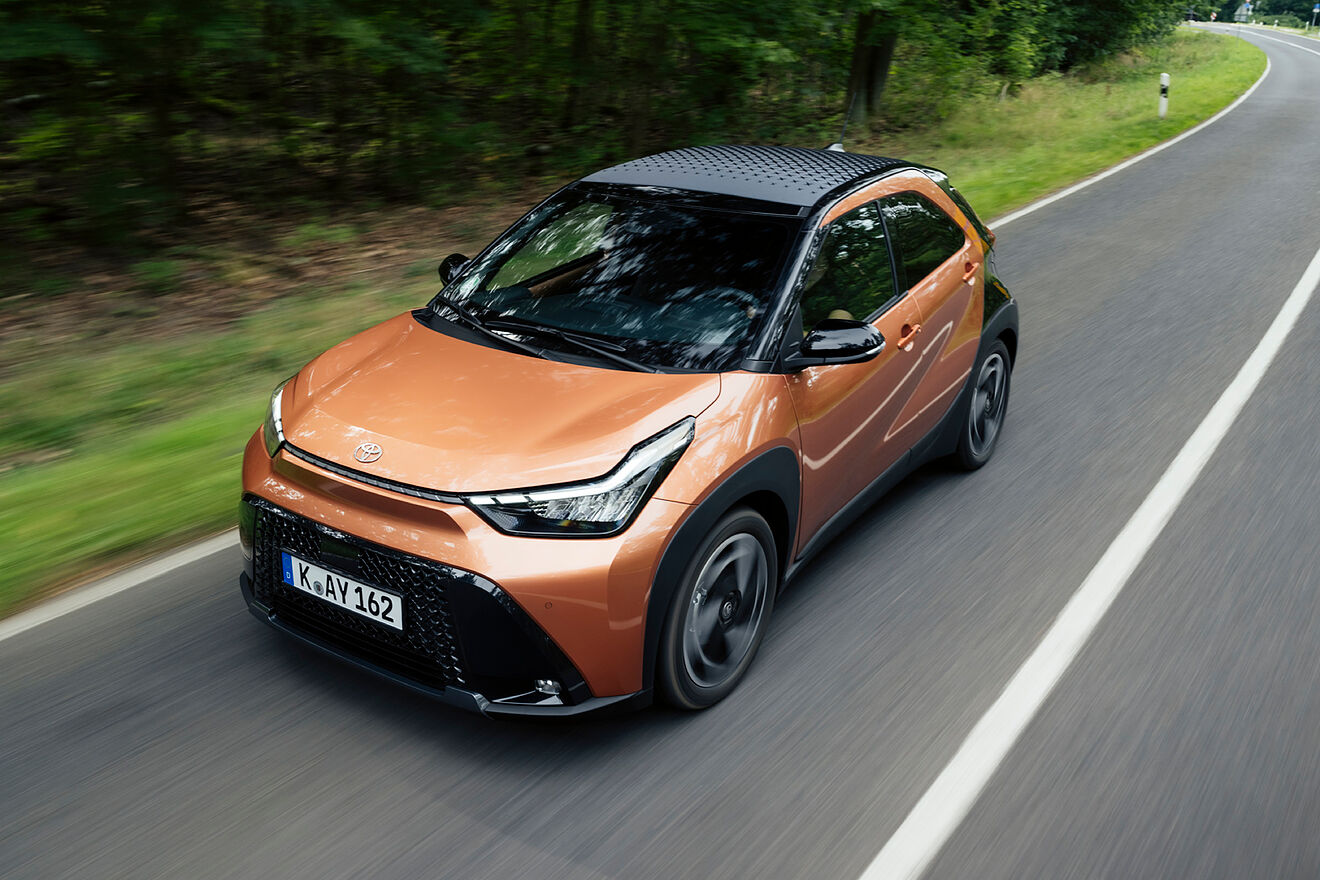
Toyota Aygo X Hybrid: Europe's most fuel-efficient car
Almost 30 years have passed since its first hybrid car (the legendary Prius in 1997), and Toyota wouldn't be what it is today without that car and everything that followed. 33 million hybrids have been registered worldwide, seven million of which are in Europe, where 70% of the Japanese brand's sales are currently cars with powertrains that combine a gasoline engine with an electric motor.
The Aygo X is a project entirely focused on Europe: it was designed and developed in Brussels, the gasoline engine is manufactured in Poland, and the car is produced in the Czech Republic on the GA-B platform, the same as the Yaris, but in a shorter wheelbase version.
It replaces the only existing version, which at the time featured a small 1-liter engine producing only 72 hp, with significant advantages on several levels. This is achieved by combining the 1.5-liter, 3-cylinder engine with 91 hp/120 Nm of torque with two electric motors: one to power the gasoline engine and the other (80 hp) to directly drive the wheels, in most situations in conjunction with the power provided by the gasoline engine.
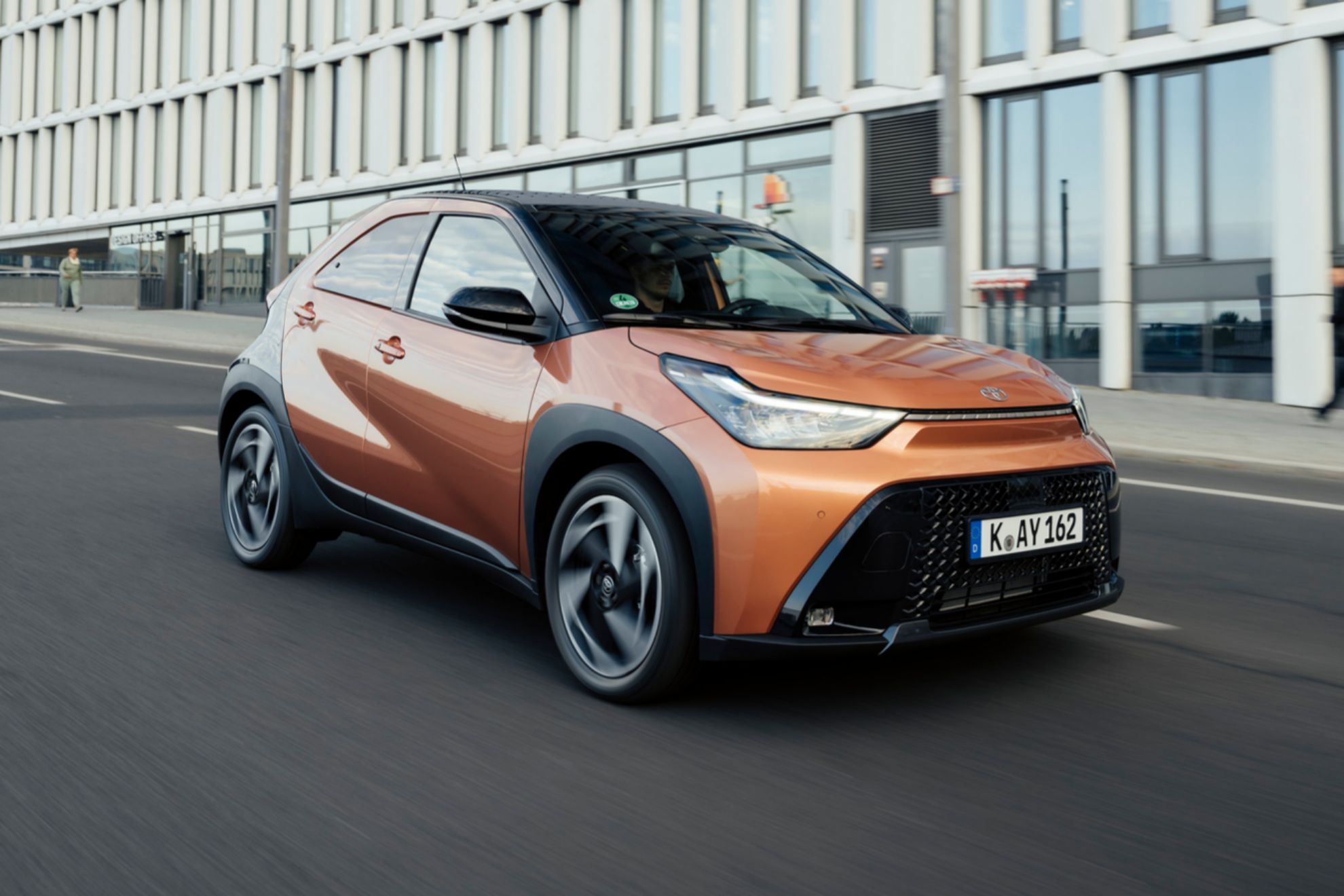
Only 3.7 l/100 km...That's an additional 44 hp of power, which translates into a much smoother, more agile, and dynamic drive. Acceleration from 0 to 100 km/h is now 9.8 seconds, five seconds less than the previous version, while the top speed is 172 km/h, compared to 150 for the car it replaces. Fuel consumption also improves significantly, dropping more than a liter to 3.7 l/100 km. This engine change brought with it a series of body modifications and a new hybrid system configuration compared to what Toyota uses in its other gasoline and electric models, but without external charging.
First, the front overhang had to be increased by 7.6 cm (to accommodate the 1.5-liter engine), and the 12-volt battery was moved from the front to the bottom of the trunk (which, however, maintains the same 231-liter capacity, slightly smaller than that of the rivals Fiat Panda and Kia Picanto/Hyundai i10) to compensate for the additional weight of the larger engine. Furthermore, the small battery (0.76 kWh and 12 kilograms) now has its modules positioned side by side (under the rear seats) instead of opposite each other (as in all other Toyota hybrids), allowing it to be installed in a car with a much shorter wheelbase. This set of measures also allowed the weight distribution to remain virtually unchanged (64% front and 36% rear), which is important for maintaining the Aygo X's dynamic balance (handling efficiency has even improved, as the car's center of gravity has been lowered by 4 cm). This despite the 140-kilogram weight gain compared to the model it will soon replace.
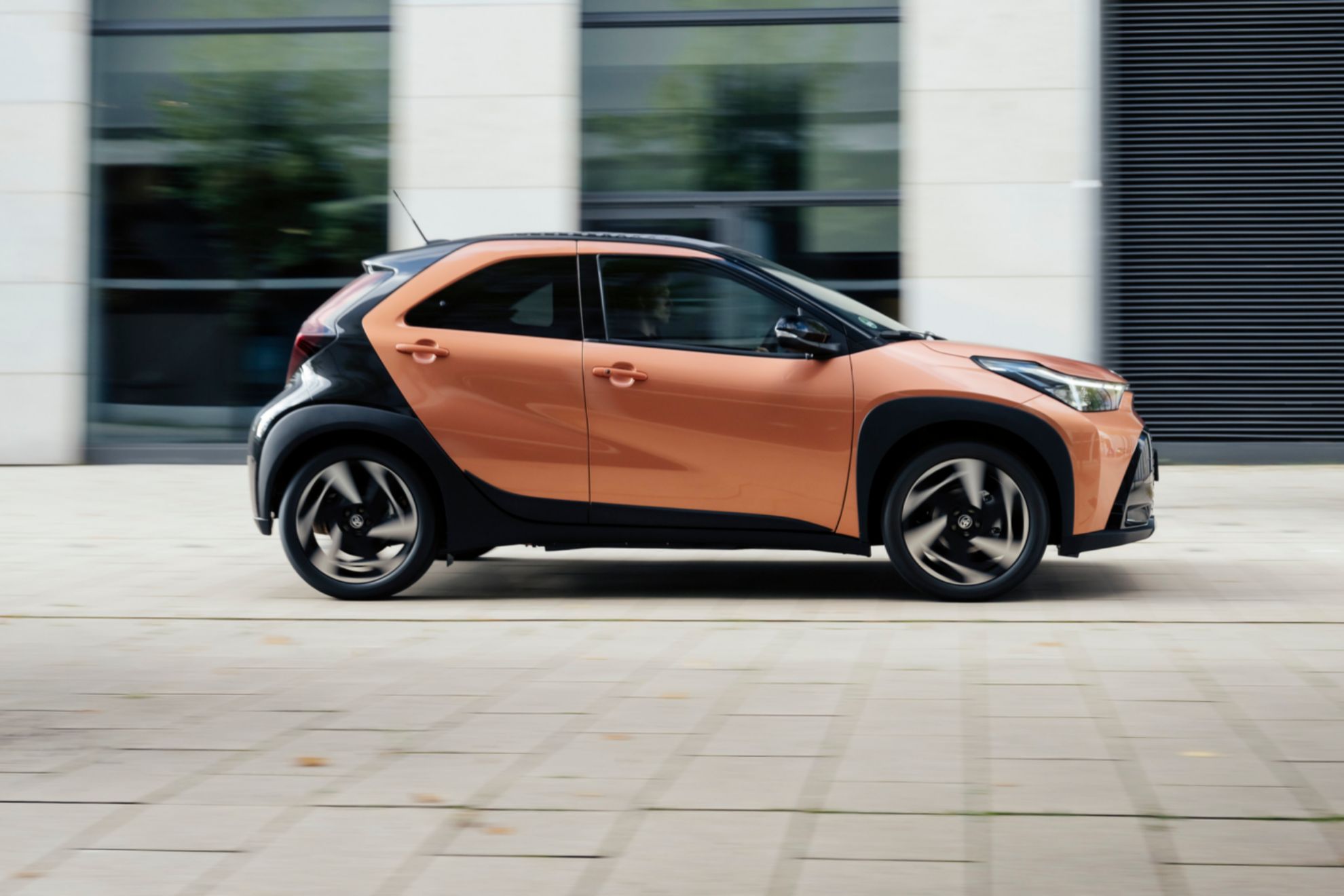
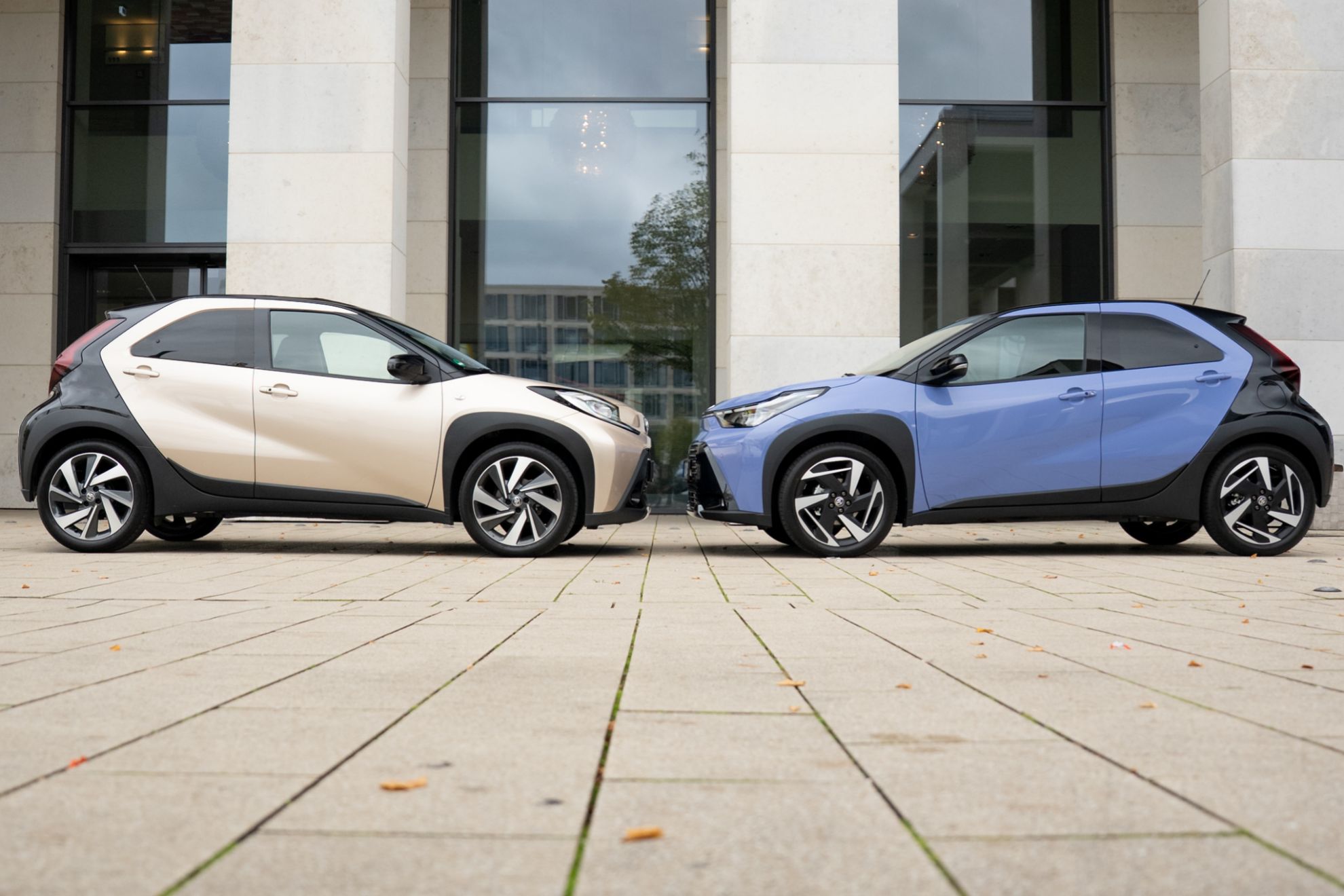
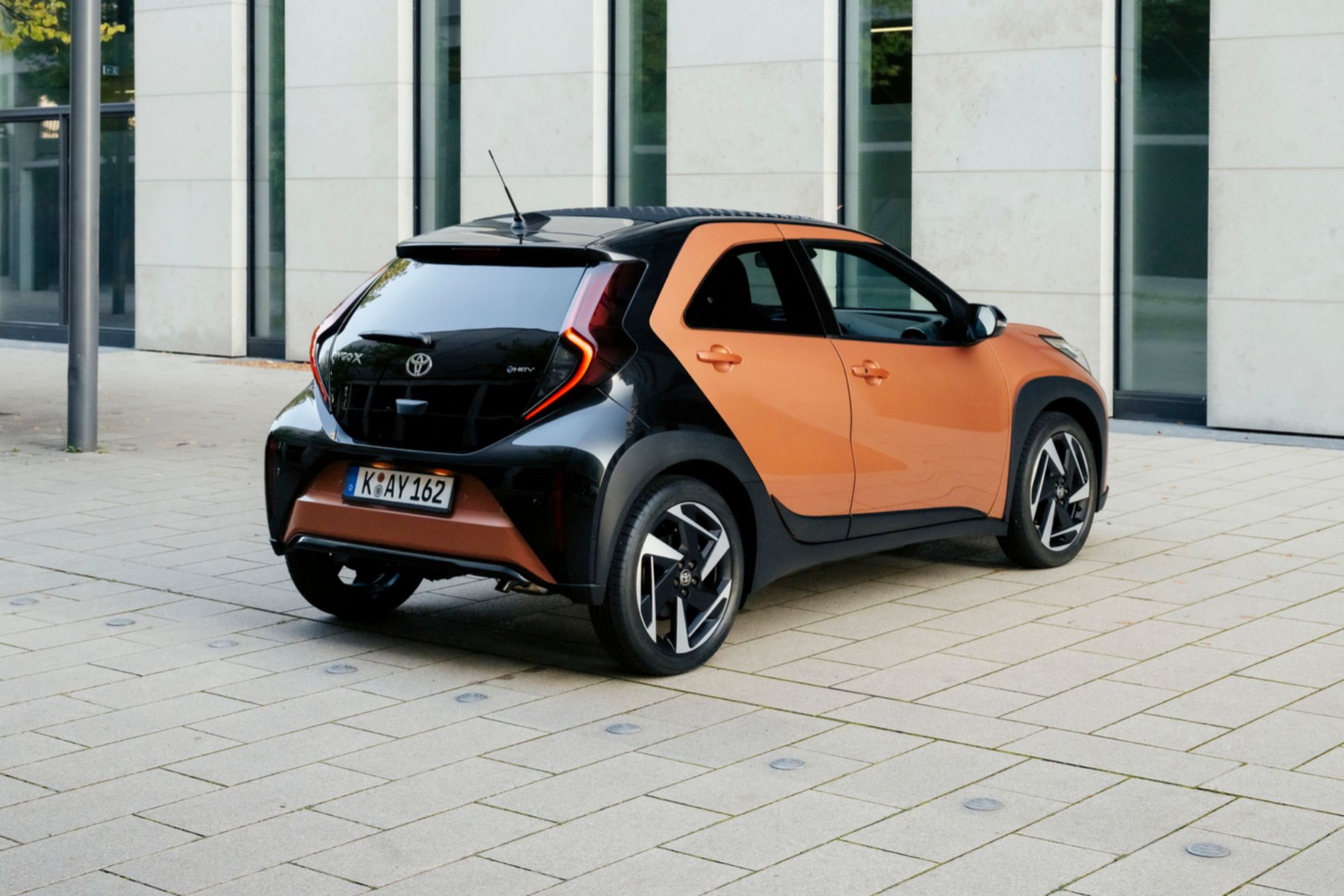
Taking advantage of the technical changes to the front end, Toyota also modified the design, with a redesigned hood, headlights, and bumper, and moved the turn signals to the outside mirror housings (previously located on the fenders). Also noteworthy is the arrival of a new GR Sport version with a two-tone body and black hood. It features exclusive exterior and interior finishes, but also incorporates a specific chassis configuration, with slightly firmer springs and shock absorbers and more direct steering response, according to César Romero, the Spanish director of this project, who has been with Toyota Europe for 13 years, after joining the automotive industry from Seat.
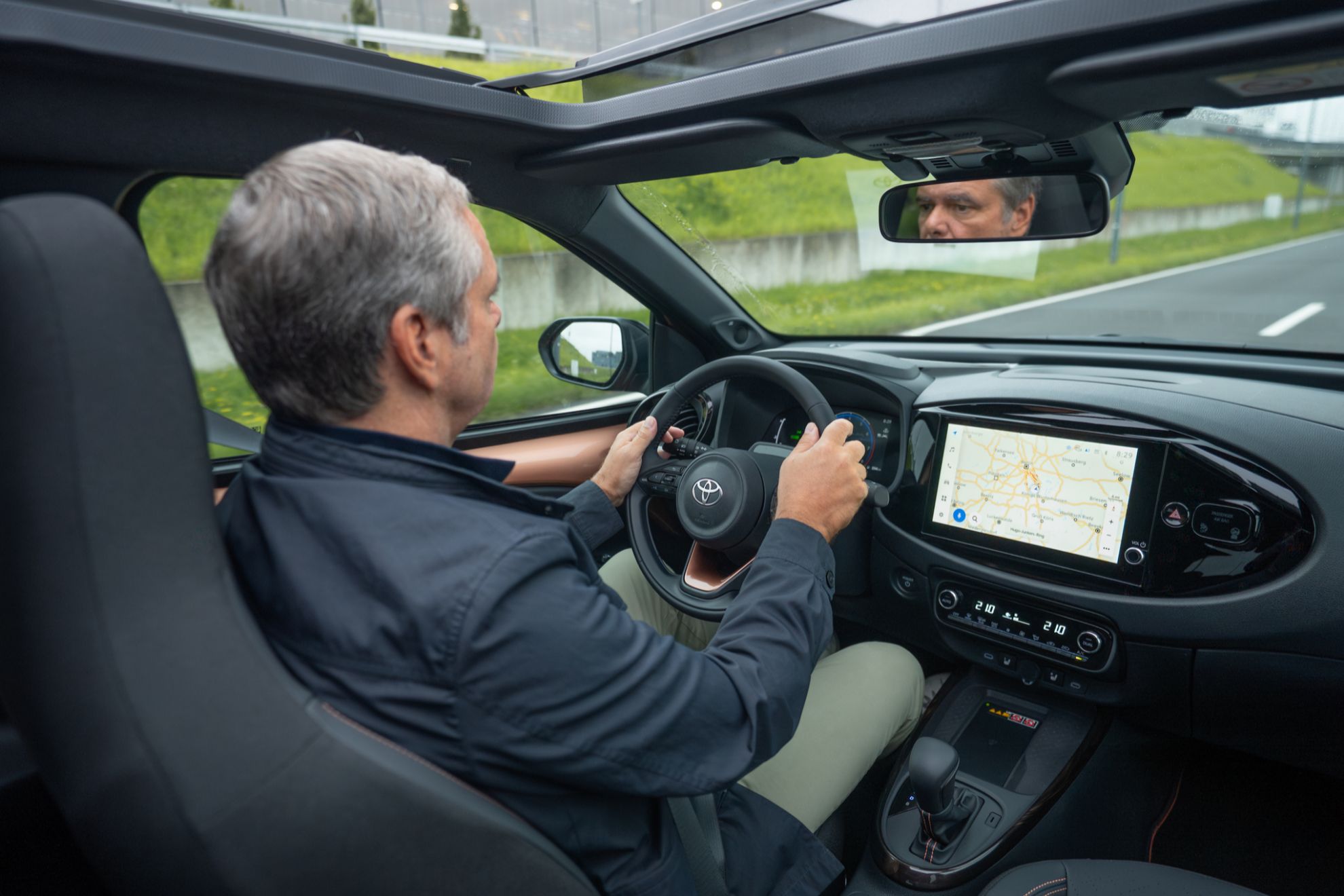
Inside, the updates are less significant, but they are there. A new and larger 7-inch digital instrument panel is present in all versions, along with the same climate control system as the Yaris, an electric parking brake (a button replaces the previous mechanical lever), new USB-C ports, a digital key for vehicle access, and a tray in the center console for wireless cell phone charging.
Toyota will begin selling the new-generation Aygo X in the transition from 2025 to 2026, but has already given us the opportunity to test it for the first time in the outskirts of Berlin, Germany.
The dashboard (made entirely of plastic) is dominated by the elliptical central infotainment screen, 10.5 inches on the higher-end versions (9 inches on the entry-level and mid-range versions). Users can now connect their Android devices wirelessly, as was already possible with Apple CarPlay.
The available space remains unchanged, with two adults comfortably seated in the front and two rear seats, recommended for passengers up to 1.70 meters tall. Those taller than this will have the top of their head touching the ceiling and their knees touching the backrests of the front seats.
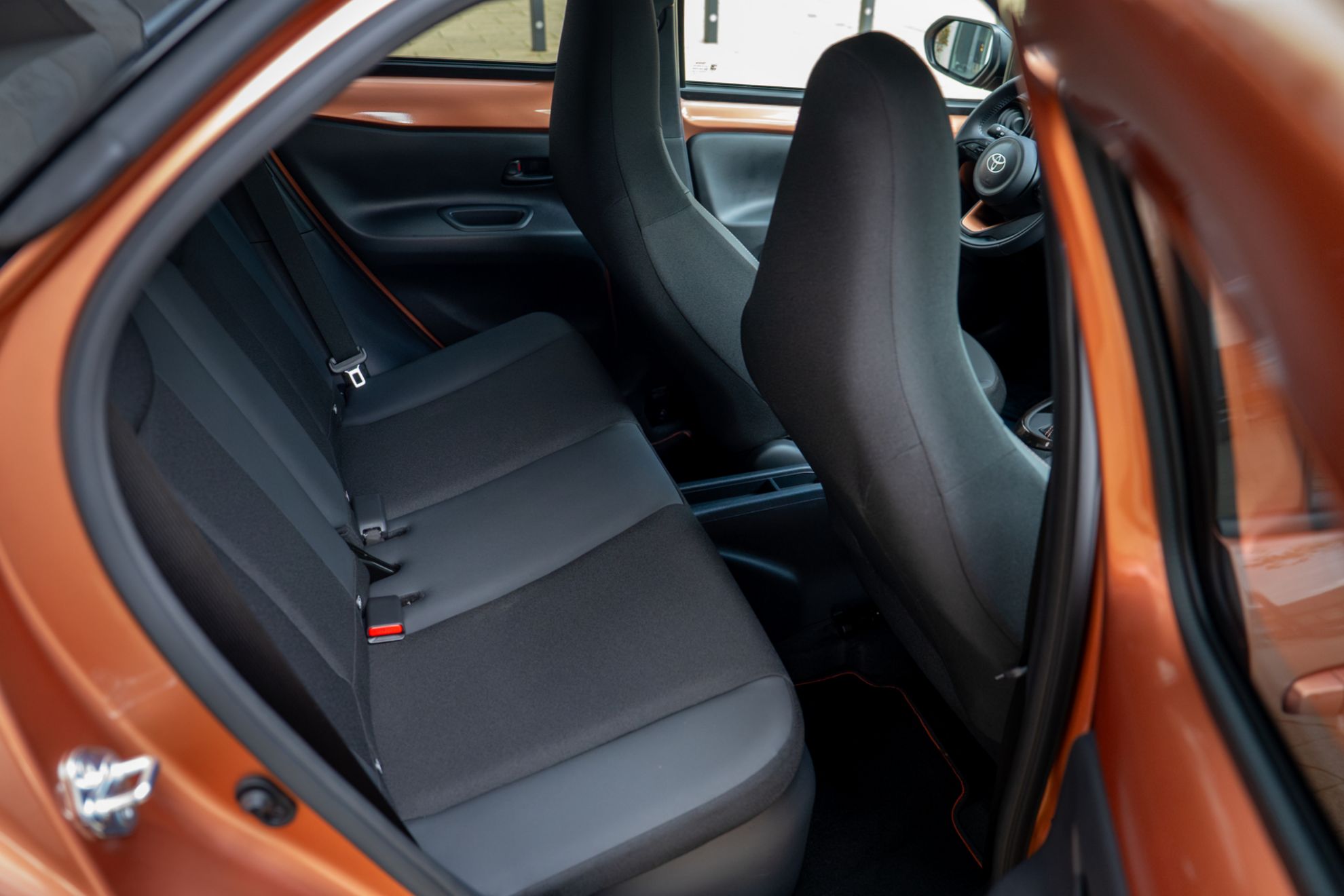
All of this is normal for an A-segment car, as is the lack of direct rear air vents or the creation of a high step when folding the rear seatbacks to increase trunk capacity. The rear doors have limited opening range, which can be uncomfortable for larger passengers.
While it's not a new engine, it's important to understand how it works in a smaller and lighter car (just over 1,000 kilograms) like the Aygo, compared to the Yaris and Yaris Cross, which also use it. The first positive point concerns the level and quality of onboard noise: although the engine is still a three-cylinder, it certainly has more displacement and power, and is assisted by an electric motor. Therefore, it undergoes much less stress during acceleration, resulting in a less harsh sound than its predecessor.
Toyota also implemented more sound-absorbing materials in the Aygo X, behind the dashboard, on the hood, around the engine, and in the exhaust system. Decibels from outside have been significantly reduced, and engine noise has improved, although I didn't notice (even looking at it) the increased thickness of the side windows advertised by Toyota.
The steering has acceptable weight and a gear ratio suitable for a predominantly urban car (2.7 turns lock-to-lock). Braking is consistent and responds immediately to pressing the left pedal.
The driving modes don't differ significantly, and those that do exist affect only the engine (steering response remains unchanged), with Eco mode being slightly (only slightly) slower to rev than Power mode. Position B on the transmission selector increases the system's ability to recharge the small battery, with no difference in regenerative deceleration. When coasting, without the accelerator pedal applied, the gasoline engine shuts down below 130 km/h (81 mph). The same applies to urban or semi-urban driving, as long as the accelerator pedal is very light. However, electric traction is limited to 65 km/h (as long as the battery is still charged), even if the driver is wearing flip-flops to avoid waking the gasoline engine.
This is a way to reduce fuel consumption and make driving quieter, although the main purpose of the hybrid system is not to cover long consecutive distances in electric mode. This is not even possible with such a small battery.
During this 137-kilometer test, the average final fuel consumption was 4.2 liters/100 km, not far from the approved 3.7. Equally interesting is that the gasoline engine was off more than half the time (60%, to be exact). This idling will increase the longer the trip in urban and heavy traffic.
In short, the new Aygo X reduces fuel consumption and improves performance, in both cases substantially, thanks to the adoption of the hybrid system that Toyota had only used in larger cars until then. The interior is quieter than before in the 2021 Aygo, which also receives some changes to the front, taking advantage of the need for a longer front overhang.
Autonews


Nenhum comentário:
Postar um comentário