RENAULT
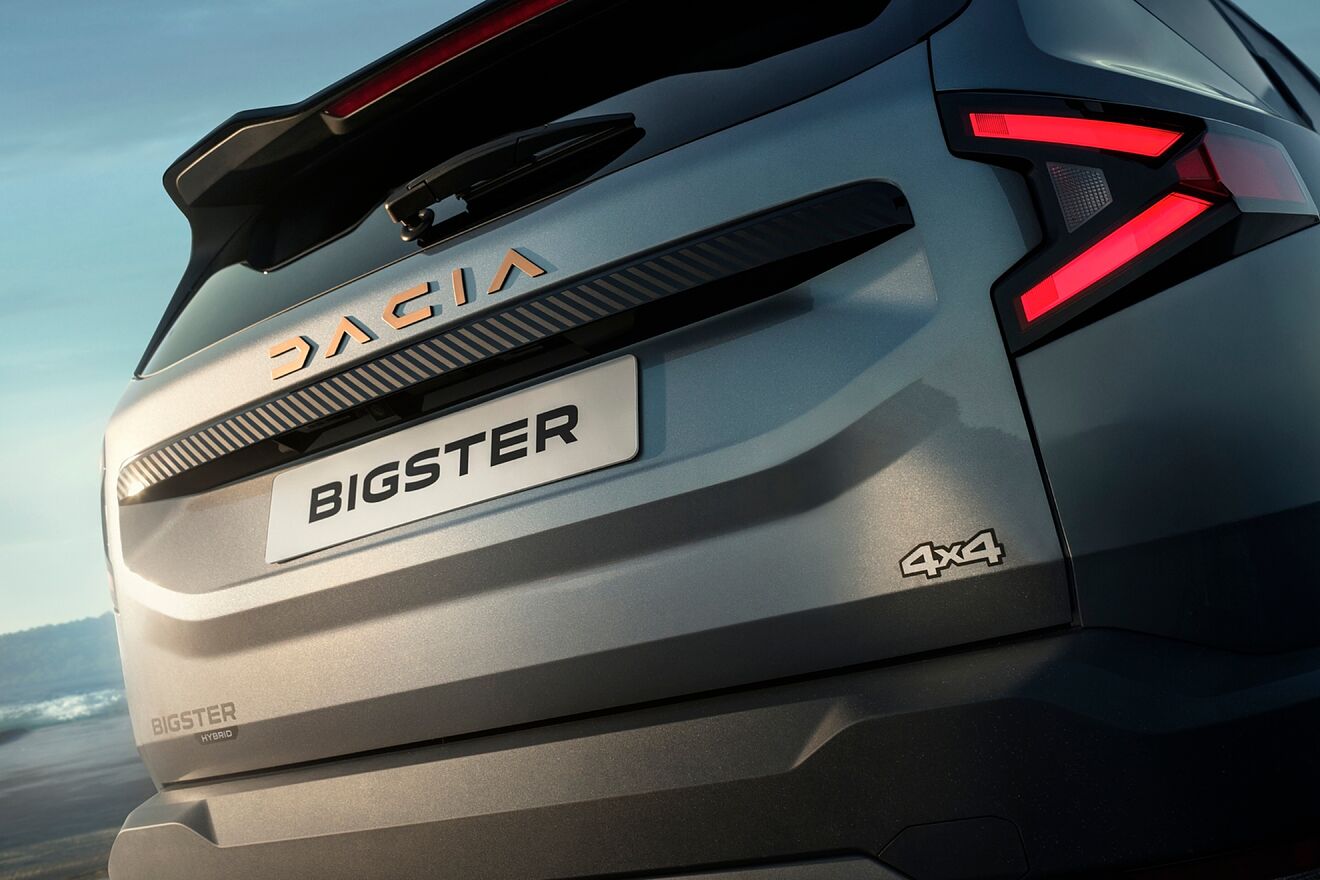
Dacia's super hybrid with an engine that combines electricity, LPG, and gasoline
Dacia continues to advance...and now it does so with an unprecedented technological combination that will be offered in its two top-of-the-line models, the Duster and Bigster.
It is a road vehicle that combines a bi-fuel gasoline combustion engine, meaning it can also be powered by liquefied petroleum gas (LPG), and incorporates a rear electric motor that also converts it to all-wheel drive.
With 19-inch wheels and two-tone paint, this isn't the spartan-spec Dacia you might remember. High-end features include a power tailgate, panoramic sunroof, wireless smartphone charging, adaptive cruise control, and a power-adjustable driver's seat. The Bigster also combines a 10-inch digital driver's display with a 10.1-inch touchscreen, while dual-zone air conditioning is also offered.
The engine lineup is impressively diverse for a no-frills SUV. Dacia discontinued diesel engines a few years ago, but the Bigster has an efficient hybrid setup. In fact, it's the first Renault Group vehicle to use a Hybrid 155 setup. It consists of a combustion engine, two electric motors, a 1.4 kWh battery, and a nifty automatic transmission with four gears for the internal combustion engine and two for the electric motors.
The four-cylinder gasoline engine produces 108 hp, while one of the electric motors provides an additional 50 hp. The other electric motor acts as a starter/generator. With this powertrain, the Bigster always starts in pure electric mode. Without providing exact figures, Dacia says the compact SUV operates in zero-emission mode in the city up to 80% of the time.
A less complex powertrain is the TCe 140, with a 1.2-liter three-cylinder turbo engine that benefits from a mild-hybrid setup. This is the first time a Dacia has received this Miller-cycle engine and benefits from such an electrified setup. The small engine is mated to a six-speed manual gearbox. Front-wheel drive is standard, but a 4x4 configuration is available.
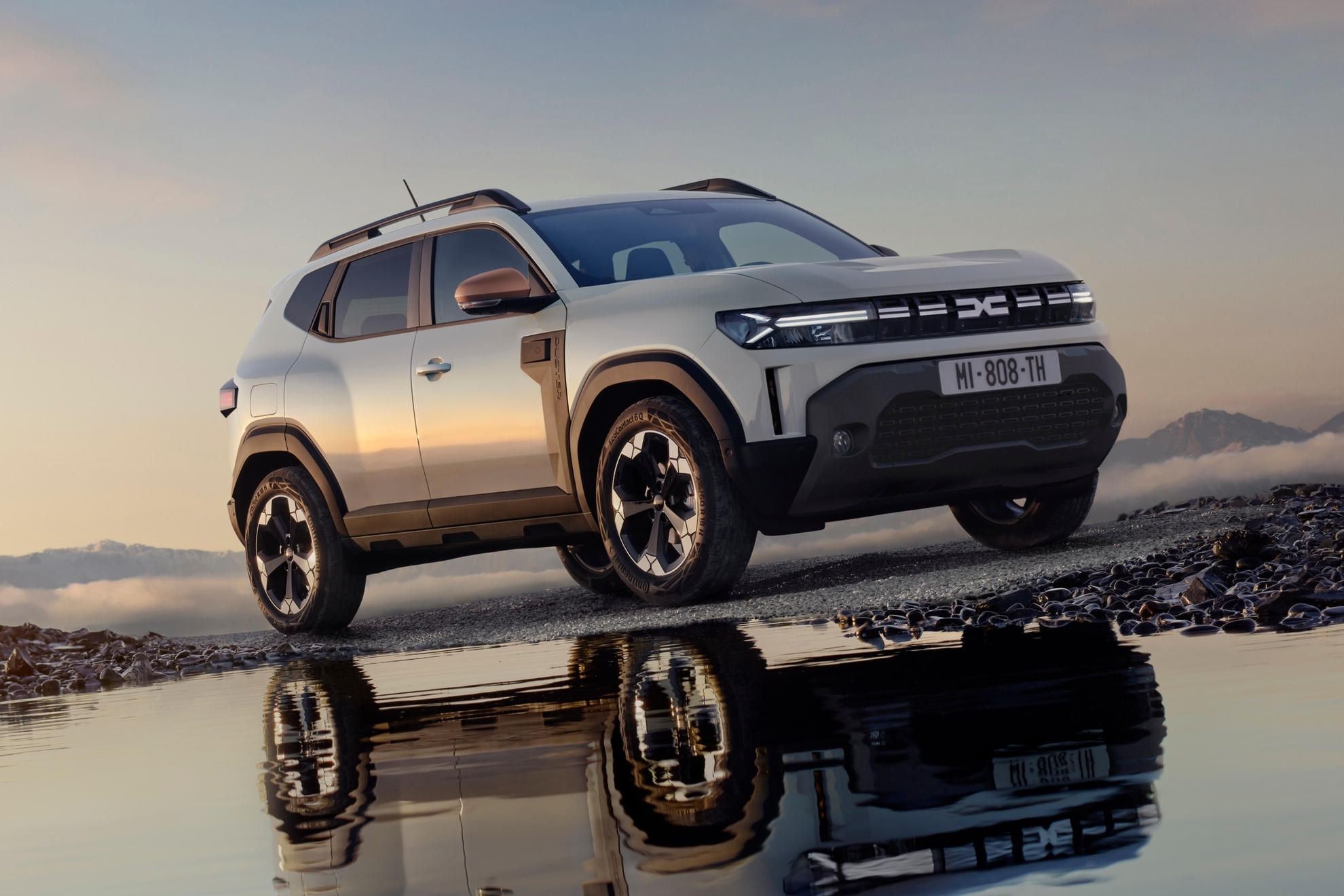
They will be differentiated by the commercial name: Duster and Bigster Hybrid-G 150 4x4, and will be available in Europe later this year. They will be accompanied by an update to the rest of the powertrains: the conventional hybrid engine now has 155 hp, the mild hybrid gains 10 hp to reach 140 hp, and the Eco-G LPG engine increases from 100 to 120 hp.
But the Hybrid-G engines will be Dacia's most technologically advanced. They consist of a 1.2-liter, 140-horsepower bivalent engine mated to a six-speed dual-clutch automatic transmission (which, for the first time, will be operated by steering-wheel paddle shifters). The rear axle is driven by a 31-horsepower electric motor, powered by a 48-volt battery, coupled to a two-speed gearbox, which can be disconnected to operate exclusively in front-wheel drive.
Total system output is 154 hp, while torque from both motors is 230 Nm for the front and 87 Nm for the rear. The rear electric motor is capable of intervening at speeds of up to 140 km/h, although its most notable contribution is during acceleration and, especially, in off-road driving situations.
According to Dacia, the Duster and Bigster with this engine offer fuel consumption of 7.1/7.2 liters with LPG and 5.5/5.6 liters with gasoline. Another figure that will please future owners is the range they offer, up to 1,500 kilometers, thanks to their two 50-liter tanks (so the gasoline range will also be sufficient in areas with limited LPG supply).
Up to six 'tools' to adapt the driving style...Furthermore, the Duster and Bigster Hybrid-G will offer drivers several options to adapt the operating mode to each driving situation. For example, through the Auto programs (which automatically manages 4x2 and 4x4 traction); Eco (the most efficient, which operates only in 4x4 when grip is needed); and Snow (which prioritizes all-wheel drive when slippery surfaces are detected).
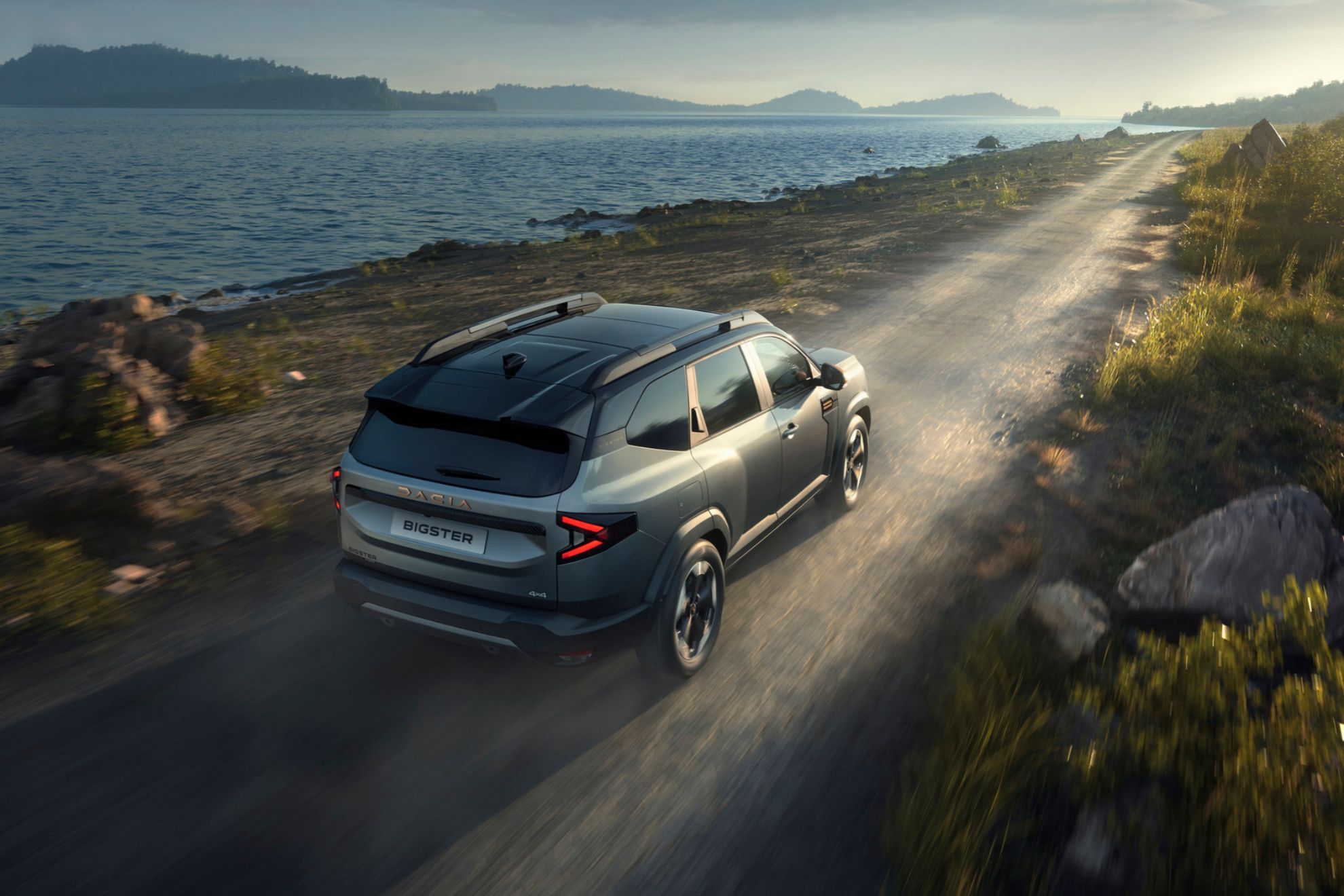
We also have a program for purer off-road driving, such as Sand/Mud, which optimizes traction on terrain with limited grip, the possibility of blocking traction distribution if we are going to drive through very complicated off-road areas or descent control, which is always a good help on steep slopes (the car maintains the speed we set between 3 and 30 km/h).
Autonews



Nenhum comentário:
Postar um comentário