AUTONEWS
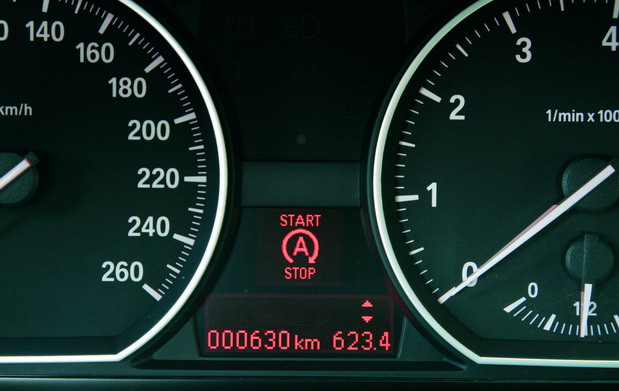
Start-stop system in a car: Fuel savings or additional burden for drivers?
The Start/Stop system (correctly spelled STOP and START or ECO) is an automotive technology that automatically shuts off the engine after a few seconds of stopping the vehicle and restarts it, also automatically, when the brake pedal is released (in automatic transmission vehicles) or when the clutch pedal is pressed (in manual transmission vehicles). The purpose of this system is to reduce CO2 emissions.
In 1983, Fiat introduced the world's first car with a Start/Stop system with the launch of the D-segment executive sedan: the Fiat Regata ES (Energy Saving). This special model featured aerodynamically enhanced details, such as sunroofs on the front windows and a small spoiler in the trunk, to maximize the technology.
This model featured a 1301cc Lampredi engine, delivering 65 hp, and the starter motor, battery, and alternator were reinforced for this system. Dubbed the Citymatic, it was so innovative that buyers complained that others thought the driver was constantly dropping the car. The world wasn't ready for this technology yet, as it was eventually discontinued by the brand in the late 1990s, with the final release of the Fiat Seicento Citymatic.
Meanwhile, in 2004, a new implementation of the system was introduced by Valeo to equip the Citroën C3, followed by other brands as this technology became mandatory.
For the system to engage, in cars with a manual transmission, the vehicle must be in neutral and the clutch pedal must not be depressed. In cars with automatic transmissions, the brake must be depressed.
The start-stop system is a technology developed to reduce fuel consumption and emissions. Its basic function is to automatically turn off the engine when the vehicle is temporarily stopped, for example at a traffic light or in a traffic jam, and to restart it when the driver presses the clutch (for manual transmissions) or releases the brake (for automatic transmissions).
Start-stop system in a car...Manufacturers promise a reduction in fuel consumption of 3 to 10 percent, and in conditions of dense city traffic, savings can reach up to 15 percent. According to analyses published by the Croatian Automobile Club, this can mean up to several hundred euros in fuel costs per year. Turning off the engine while the vehicle is stationary also reduces emissions, which is a key argument in the fight against air pollution in urban centers. However, behind these impressive figures lies another side of the story that causes serious concern among vehicle owners, writes Autonews.
Load...The main reason for skepticism lies in the additional load that the system places on key car components. Although manufacturers claim that vehicles with start-stop technology are equipped with reinforced parts, the fact is that the starter and battery are used incomparably more often than in vehicles without this system. Instead of starting several times a day, the engine is started dozens of times during just one city trip. This inevitably leads to faster wear. Vehicles with this technology require special, significantly more expensive batteries (AGM or EFB) and more durable starters. When the time comes to replace them, the cost can exceed the achieved fuel savings many times over, turning the environmental measure into a financial burden for the owner.
Owners of vehicles with turbochargers are particularly concerned. Experts warn that suddenly shutting down the engine after more dynamic driving interrupts the cooling and lubrication process of the turbine, which operates at extremely high temperatures. This thermal shock can cause serious and expensive damage in the long run. It is recommended that after a fast drive, the engine be left idling for at least a minute to cool down the turbine, which directly disables the start-stop system. This is why many drivers turn off the system as a precaution to preserve one of the most expensive components of modern engines.
The decision depends on the driver...The decision to use the start-stop system ultimately depends on the driver, but there are situations in which its deactivation is almost mandatory. In "start-stop" driving with very short stopping intervals, the system does more harm than good because the load on the components is maximum, and the fuel savings are negligible. Also, at very low outside temperatures or when the engine is under a higher load, such as towing a trailer, it is smarter to spare the battery and starter of additional load. Although car manufacturers have invested significant effort in adapting vehicles, weighing the potential savings against the risk of expensive repairs leads many to press the button marked "A" and take control of their engine.
Disadvantages Start/Stop:
-Battery wear: This requires slightly more battery power than conventional vehicles, as the engine is repeatedly turned off and on while driving. This can lead to faster battery wear, especially if the battery isn't specifically designed for the system.
-Discomfort in extreme conditions: In extreme heat or cold, the start-stop system may shut off the engine while the air conditioning or heater are in use. This can result in discomfort for vehicle occupants, especially during extended stops.
-Maintenance costs: These cars may have slightly higher maintenance costs due to potentially greater wear on components such as the starter motor.Despite its benefits, Start-Stop has a drawback that's especially important in hot climates like Brazil. When the engine is turned off, the air conditioning compressor, which is driven by a belt connected to the engine, also stops working. Consequently, the air is no longer cooled, and the fan continues to run, but the interior of the car heats up quickly.
"This is the main annoyance drivers report. It's not a system defect, but a consequence of its operation. And for many people, this ends up being a decisive factor," explains Autonews.
Mundoquatrorodas



Nenhum comentário:
Postar um comentário