ROVER

Rover Streetwise: the very interesting English crossover
Dead man squared. Not only did Rover Streetwise cease to exist long ago, but the Rover brand is also history — it was reborn as Roewe after the former went bankrupt and was bought by the Chinese, and it remains there to this day.
There were many Rovers that marked the history of the car — such as the P6 or the futuristic SD1 —, but we felt the need to also include the Streetwise in this group, despite not having stood out for its engineering or innovative design.
However, Streetwise was the precursor to a niche that remains to this day.
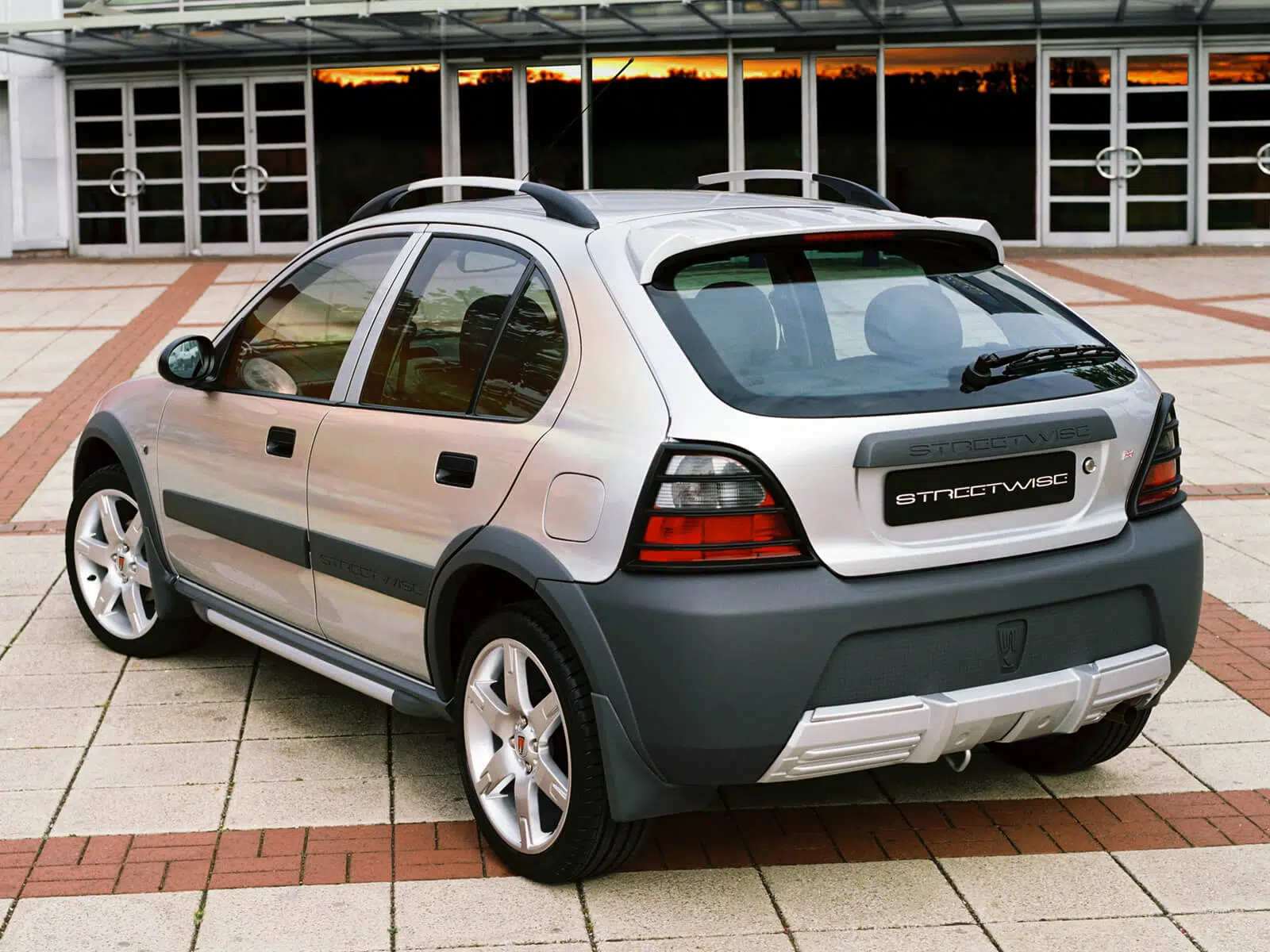
Being a reductionist, the Rover Streetwise is nothing more than a “gunned up” Rover 25, a sort of “zero-calorie Mad Max” version of the 25. Dressed in an armour made up of bulkier bumpers, wheel arch protectors, thick side mouldings and even roof rails, the compact model also saw its ground clearance increased by 40 mm — but no four-wheel drive.
It was above all a bet on image, an attempt to attract a younger audience to Rover — the brand was associated with a much higher age group — and given the expected urban use of the car, honestly, why four-wheel drive?
Rover itself branded it as “The Urban On-Roader” and the media were somewhat perplexed by its purpose — was this nothing more than an empty marketing exercise?
The inspiration... The inspiration came not only from a new generation of SUVs with a more road-oriented character — the first signs of the future craze were already being felt — but also from models such as the Audi Allroad, Volvo V70 Cross Country or the Renault Scénic RX4.
Also derived from conventional cars, but larger and with family purposes, they added to the more "macho" and rugged look, some off-road competence, integrating four-wheel drive into their mechanical and dynamic arsenal.
And we can remember other examples such as the Citroën AX Piste Rouge or the Volkswagen Golf II Country, closer in concept to the Streetwise, but also equipped with all-wheel drive.
The Rover Streetwise was due to be launched in 2003, just two years before Rover went bust, but it must have hit a nerve.
Despite the brand's obvious struggles, it enjoyed some success and just a year later Volkswagen was launching the Polo Dune, the precursor to the German brand's entire current Cross range, which followed the same recipe with less added plastic as the Streetwise.
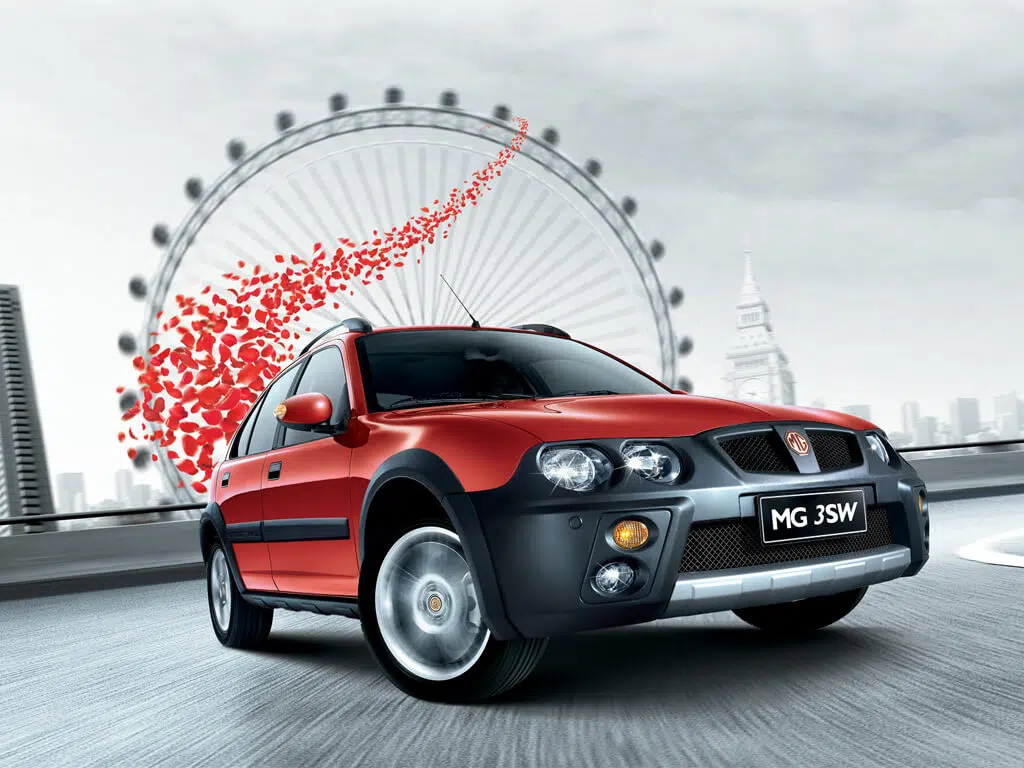
The legacy...It's still a recipe for success. The visual appeal of these versions is usually similar to that of the sports variants, even though they have few or no advantages over the models from which they are derived.
Nowadays, it is relatively common to see cross-this, x-that or active-that versions of conventional cars in the most varied ranges of the most varied brands, which generated so many other speeches about the "holy grail" lifestyle, maintaining the same recipe introduced by Rover Streetwise.
Regardless of our opinion on the real value of these variants, we must give due recognition to Rover Streetwise, the first to see a new opportunity and seize it.
Unfortunately, it was not enough to keep Rover open.
The Rover Streetwise would end its production in 2005, with the closing of the British brand's doors, — it was produced in more than 14 thousand units.
Mundoquatrorodas


Nenhum comentário:
Postar um comentário