AUTONEWS
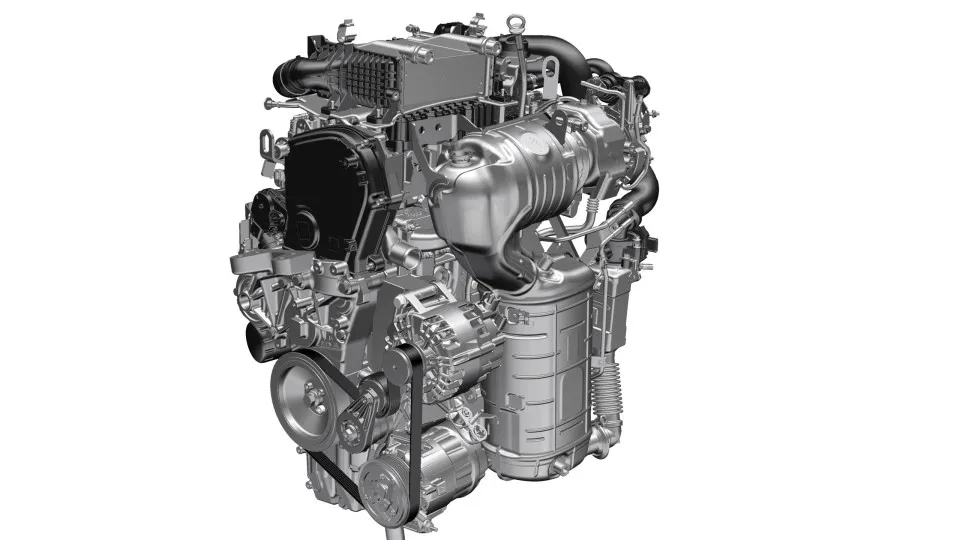
Stellantis' new MultiJet engine line to use green diesel
Late last year, Stellantis announced that its entire range of passenger cars and light commercial vehicles is compatible with hydrated vegetable oil (HVO)-based diesel, a fuel that serves as an alternative to traditional diesel.
This 'green' diesel is a biofuel derived from renewable raw materials such as used vegetable oils, animal fat and edible oil residues, unlike traditional petroleum-based diesel. The hydrogenation process used to produce HVO generates a cleaner, sulfur-free fuel with low levels of aromatic compounds and pollutants.
It is also validated to power Euro 5 and Euro 6 engines identified with "XTL" on their respective filler necks. Additionally, certain non-XTL Euro 6 diesel vehicles are compatible with Diesel HVO when they are equipped with one of the following engines:
-1.3 MultiJet
-1.6 MultiJet
-2.0 MultiJet
-2.2 MultiJet
-4.0 MultiJet New
-3.0 V6 MultiJet
-2.3 MultiJet (F1A - Fiat Ducato)
Green Diesel HVO...HVO (Hydrotreated Vegetable Oil) is a hydrotreated vegetable oil known as green diesel. It is a very promising alternative and renewable fuel for the national energy matrix. Its use (consumption) practically eliminates CO2 (carbon dioxide) emissions into the Earth's atmosphere. Over its life cycle, it emits 50% to 90% less GHG (greenhouse gases) compared to fossil diesel.
In addition to all these advantages, HVO reduces fine particulate matter (PM) by 33%, hydrocarbons (HC) by 30%, carbon monoxide (CO) by 24% and nitrogen oxides (NO) by 9%. All pollutants with high emission levels when biodiesel is consumed.
Used pure or mixed with petroleum diesel in high proportions, green diesel is as efficient as fossil diesel, ideal for use in current engines without the need for adaptation. Furthermore, it is possible to use the infrastructure of existing oil refineries to produce HVO.
HVO can be produced using various types of raw materials without competing with food production. It can be produced from vegetable oils, such as soybean oil, sunflower oil, wood chip oil, as well as residual edible oil (frying oil) and animal fat. However, these oils must come into contact with hydrogen under high pressure to form green diesel.
HVO is produced by the chemical process of hydrotreating (HDT). Through this, the raw material reacts with hydrogen gas under controlled conditions of pressure and temperature, to produce a fuel similar to fossil diesel. Biodiesel, on the other hand, is produced by the chemical process of transesterification. Through this, the raw material reacts with methanol (alcohol), to produce a fuel different from petroleum diesel.
HVO production is not 100% green, as it requires fossil inputs, such as hydrogen gas derived from natural gas. Furthermore, the use of HVO can increase the fuel consumption of vehicles, compared to high-content fossil diesel blends.
Mundoquatrorodas




Nenhum comentário:
Postar um comentário