AUTONEWS

Nissan Increasingly Uses Green Steel
Nissan has announced that it will expand its use of low-CO2 steel produced in Japan. Through this initiative, the proportion of low-emission steel that Nissan uses in Japan in fiscal 2025 is expected to increase fivefold compared with fiscal 2023. Sustainability is at the core of Nissan's business, which strives for a cleaner, safer and more inclusive world. The company is committed to accelerating its efforts to realize a sustainable society in all aspects of its business.
This initiative reflects Nissan's ongoing commitment to promoting environmental sustainability and contributing to a greener, more sustainable future.
To achieve these goals, Nissan has stepped up its decarbonization initiatives from raw material procurement. Steel parts account for around 60% of the weight of vehicles, so using low-CO₂ steel makes a significant contribution to reducing emissions throughout the entire life cycle of cars. A large part of CO₂ emissions occur in the reduction of iron ore in blast furnaces. Green steel aims to reduce these emissions by using low-carbon iron ore raw materials or by replacing blast furnaces with electric arc furnaces.
According to the Japanese brand, the use of green steel reduces CO2 emissions by around 30%.
As explained in the statement, around 60% of the weight of the cars corresponds to steel parts. For this reason, there is a clear reduction in CO2 emissions throughout the entire life cycle of a vehicle.
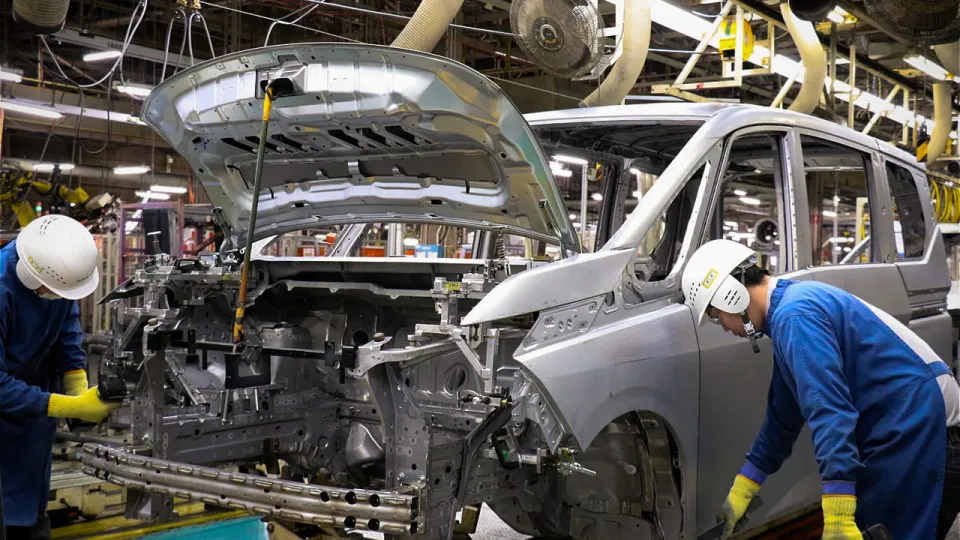
Through this initiative, the proportion of this material used by the company in the eastern country in the fiscal year 2025, which begins on April 1, will be five times higher compared to the fiscal year 2023. Nissan aims to reduce CO2 emissions by 30% throughout the entire product life cycle by 2030 and achieve carbon neutrality by 2050. To this end, the company has stepped up its efforts towards decarbonization throughout the entire process, from material procurement.
Steel parts represent approximately 60% of the vehicle's weight. Therefore, the use of low CO2 emission steel contributes significantly to reducing emissions throughout the vehicle's life cycle. A significant portion of CO2 emissions originate from the reduction of iron ore in blast furnaces. With green steel, the goal is to reduce emissions by using iron ore raw materials with reduced carbon content or by switching from a blast furnace to an electric arc furnace.
Nissan will begin using green steel in vehicles for the Japanese market in 2023, with the adoption of Kobenable® Steel from Kobe Steel. Nissan will significantly expand its use of steel through the use of Nippon Steel Corporation's NSCarbolex Neutral®, JFE Steel Corporation's JGreeX ®, and POSCO's allocated carbon reduction steel. These green steel products reduce CO2 emissions during production through a mass balance approach.
Nissan places sustainability at the heart of its business, aiming for a cleaner, safer and more inclusive world.
Nissan is committed to accelerating its commitment to realizing a sustainable society in all aspects of its business.
Mundoquatrorodas


Nenhum comentário:
Postar um comentário