AUTONEWS
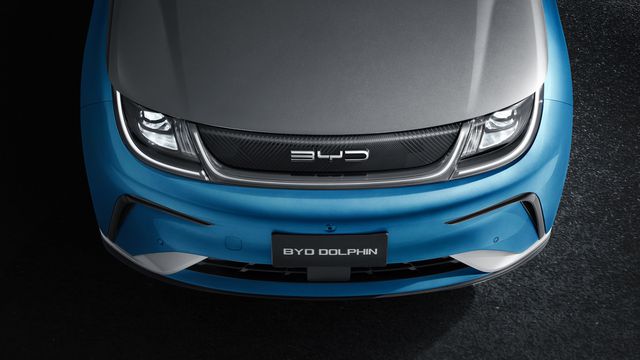
Five years of rapid growth in Europe for Chinese electric carmakers came to a halt in 2024 as trade barriers added to the challenge of growing sales in a stagnant market.
Brands led by SAIC Motor’s MG registered 3.5% fewer EVs in the region over the whole of 2024, according to data from automotive researcher Dataforce, marking their first annual decline since entering the market. Overall, the automakers that also include BYD and Xpeng gained a share of around 8.5%.
December marked the second month of additional tariffs imposed by the European Union after the bloc found that state aid provided an unfair advantage to all electric vehicles made in China.
Across Europe, Chinese carmakers held 8.2% of the EV market in December – a slight increase from November but still below average. The data covers EU countries, the UK and members of the European Free Trade Association such as Norway.
The additional EU taxes, which take the rates to over 45% in the case of MG, began to have an impact on the market earlier this year.
Originally scheduled to come into effect in early July, the tariffs were subject to heated negotiations and several amendments before implementation. They remain a source of contention even among the non-Chinese automakers that were affected, with Tesla and BMW both taking legal action to block them.
Meanwhile, MG, the long-standing British brand whose parent company SAIC is state-owned, lost its sales lead in Europe among Chinese brands as volumes fell sharply after a stockpiling drive in June to meet a deadline set at the time.
BYD has maintained its steady push into the region despite being subject to a 17% surcharge on top of the EU’s standard 10% import tax. The company has expanded into Greece and partnered with French car rental company Ayvens to bolster its position with corporate customers. The automaker is moving forward with plans to build a factory in Hungary to help it skirt the new tariffs, and is also planning a $1 billion plant in Turkey, which has a customs union agreement with the EU that would make BYD cars built there duty-free. Other companies are also making inroads. Newcomer Xpeng has cemented its position in third place behind MG and BYD with a push into EV-friendly countries including Denmark, Norway and the Netherlands, according to Dataforce analyst Julian Litzinger.
Despite recent setbacks, Chinese EV competitors remain an “existential threat” to European automakers, automotive researcher Jato Dynamics said in a January report. While trade disputes have hampered their progress in Europe and the U.S., electric vehicles are rapidly conquering the Chinese auto market, and the country’s manufacturers are gaining ground with low-cost models in emerging markets. European consumers have not enjoyed the same price benefits. BYD’s Atto 3, which starts at 37,990 euros ($39,548) in Germany before subsidies, sells for 44 percent less in China, according to Jato.
There is a similar price difference for the 26,995-pound ($33,525) MG4, another popular small SUV, shipped from the U.K. to China. Still, the Atto 3 remains much cheaper than the slightly larger Volkswagen AG ID.4, which costs 48,635 euros in Germany. Indeed, the price advantage is one reason BYD, for example, can shrug off the EU’s additional tariffs and continue to expand. Western automakers such as BMW and Tesla, which are also subject to EU tariffs, have less flexibility to absorb the extra costs.
In its objection this month, BMW said the additional duties would not strengthen the competitiveness of European manufacturers, would slow the decarbonization of the auto industry and would “harm the business model of globally active companies.” The German company said it still hoped for a negotiated deal between Brussels and Beijing, adding that “it is important to avoid a trade conflict that only has losers in the end.”
Mundoquatrorodas




Nenhum comentário:
Postar um comentário