BIMOTA
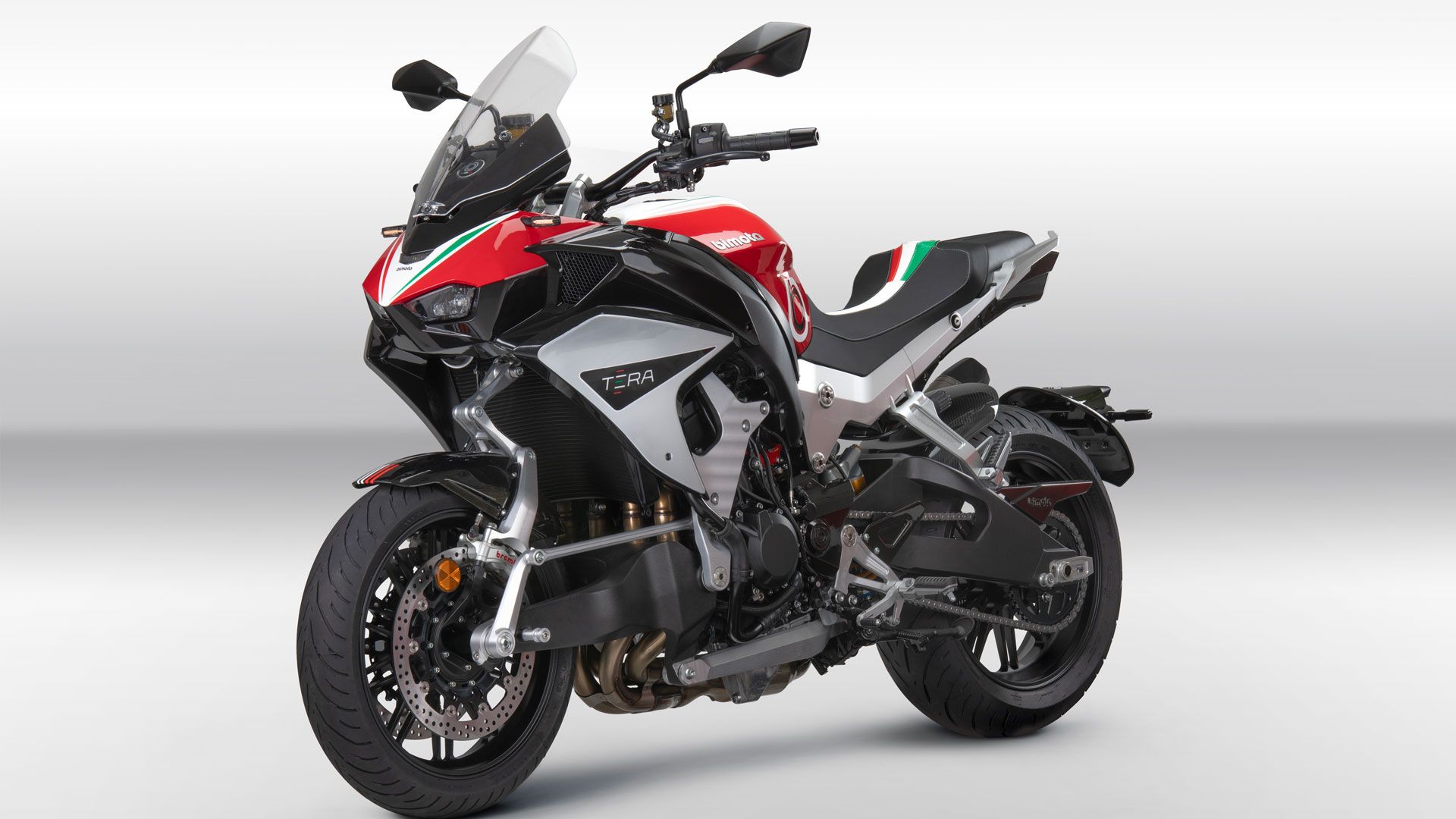
Bimota TERA, the first Tesi crossover
The Bimota TERA is the third model born from the new era of the Italian firm in which the collaboration with Kawasaki is one of the fundamental pieces of its new structure. On this occasion, it is also the first crossover model from a company that has rarely opted for tourism-oriented models.
The name of the Bimota TERA comes from the acronym TEsi con Regolazione dell'Altezza (Tesi with height adjustment), and it is the first Bimota that we can consider to be integrated into the current crossover segment, but keeping some particular characteristics of the brand unchanged. , including a completely different front system than usual.
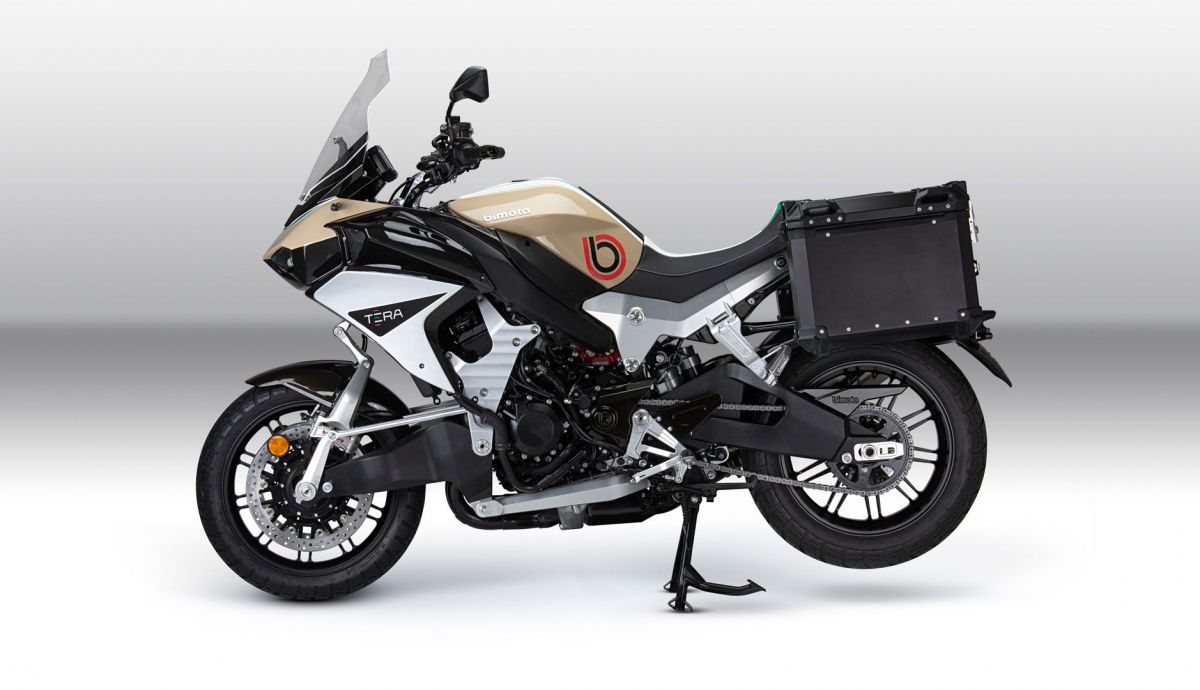
EXCLUSIVE ENGINE...The engine of the Bimota TERA is the Kawasaki that also powers the H2 series models of the Japanese firm and also the Bimota Tesi. It is a 998 cc inline four-cylinder that develops a power of 147 HP (200 HP) at 11,000 rpm and a torque of 137 Nm at 8,500 rpm.
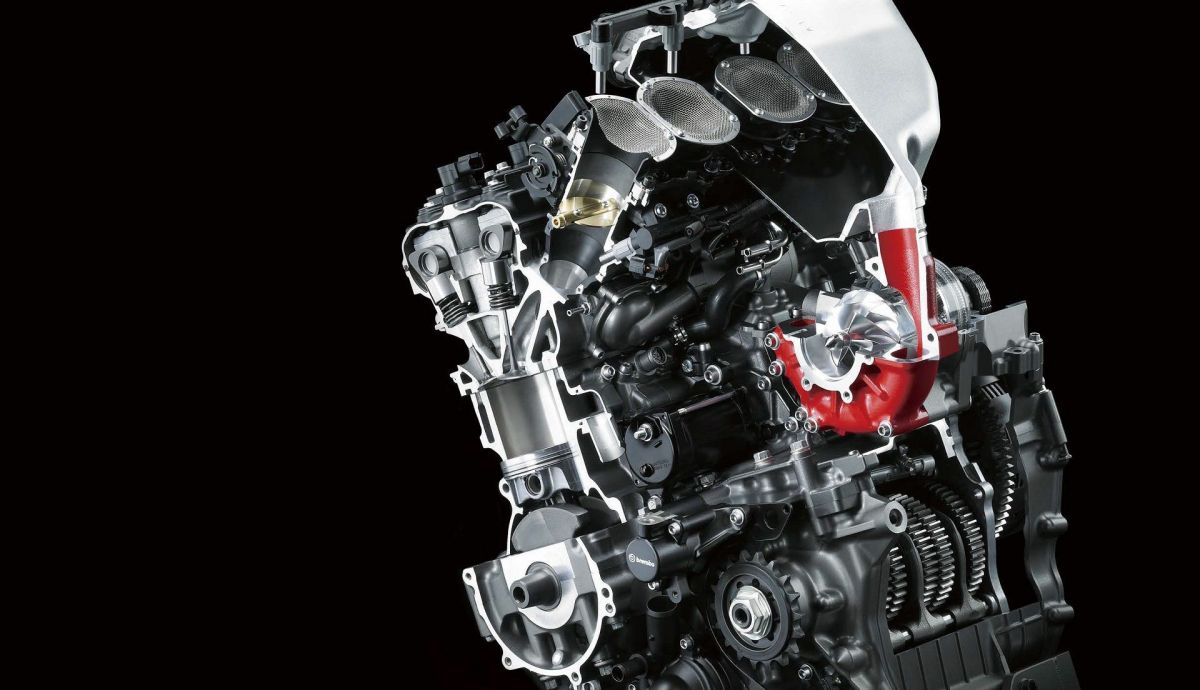
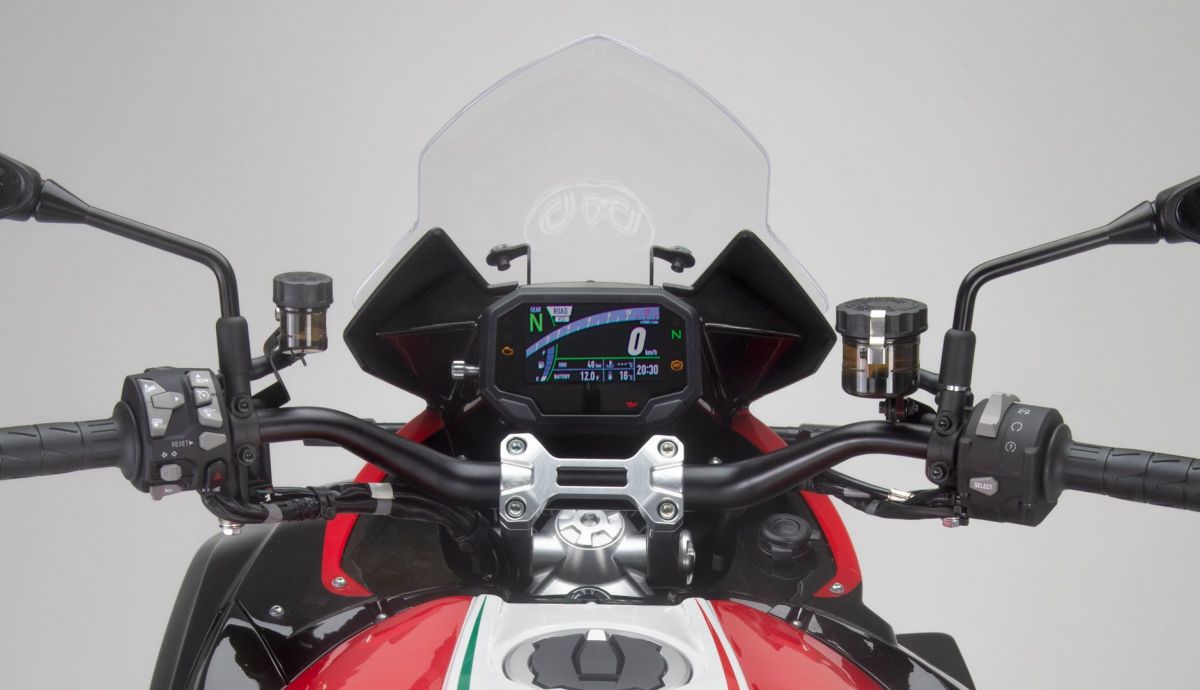
HERITAGE...The use of Kawasaki mechanical technology also allows you to take advantage of all the electronic work of the Japanese firm, so that the TERA has the different engine settings, aids and electronic assistance, which are managed with a control panel. common digital with other models of the Japanese firm.
A new exhaust system signed by Akrapovic has been designed, made of titanium and with a double outlet that has a carbon fiber end part that helps the motorcycle's performance to be excellent. The firm declares an acceleration from 0 to 100 km/h in 3.5 s and from 0 to 200 km/h in 8.2 s.
This Bimota system has the particularity of separating the steering and suspension functions in the front wheel, thus being able to regulate the sinking of the front part during braking and offering high rigidity to the front axle by not having sliding tubes like telescopic forks. , which also cause friction.
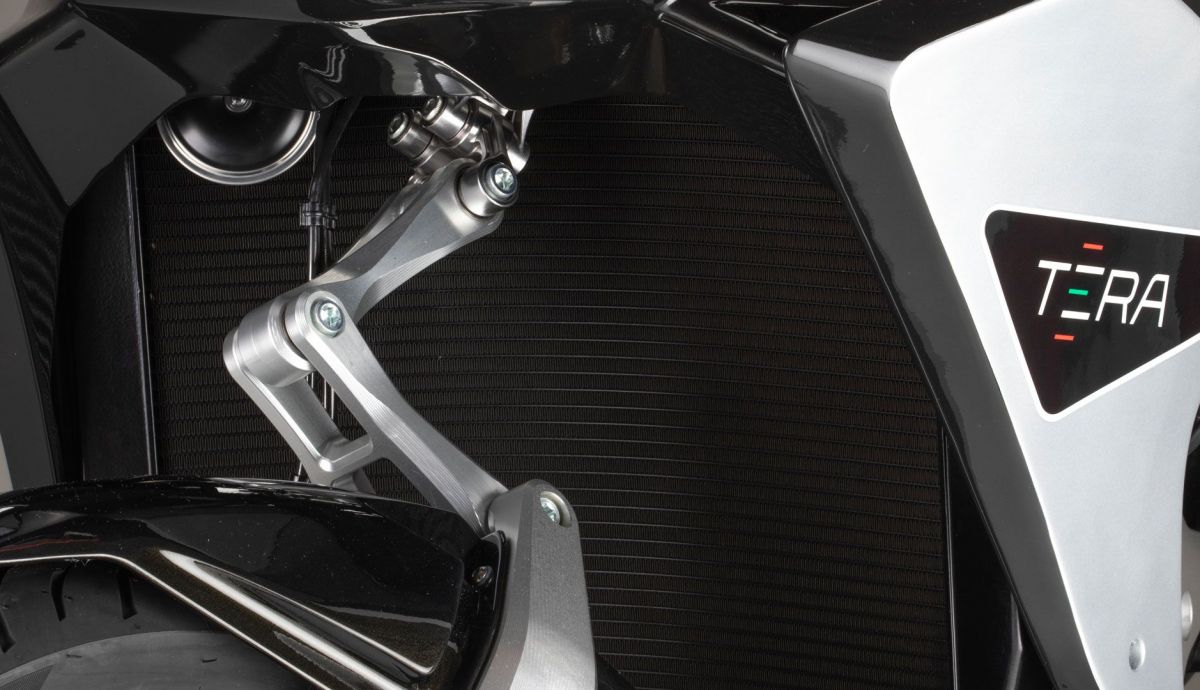
The wheel continues to be anchored by a double horizontal swing arm that has a tie rod to regulate the movement of the crosshead and control the advance of the wheel with the operation of the suspension. This swingarm is anchored to a duralumin plate that in turn is attached to the chassis that supports the steering mechanism and the engine.
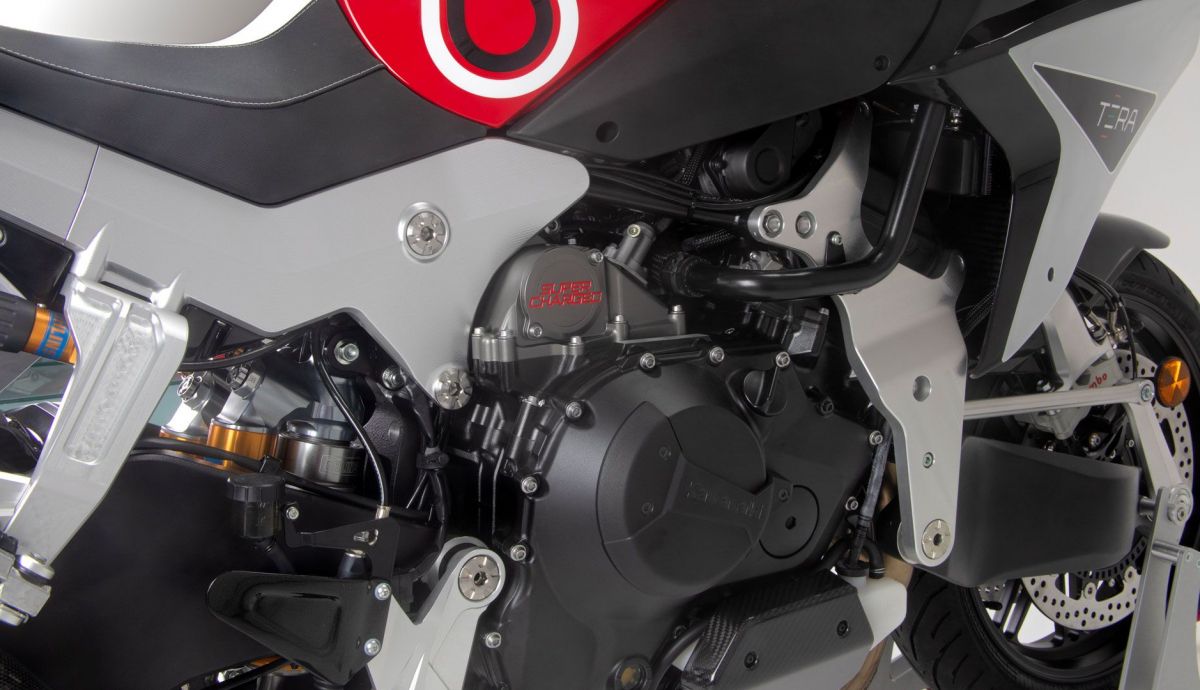
The rear shock absorber is activated by the usual connecting rods and the front one receives movement from the front wheel by means of a tie rod that runs along the motorcycle below the engine and also activates connecting rods. Depending on the system, the wheel travel is different, 114 mm and 135 mm in the case of the Öhlins or 145 mm and 165 mm in the case of the Marzocchi front and rear respectively.
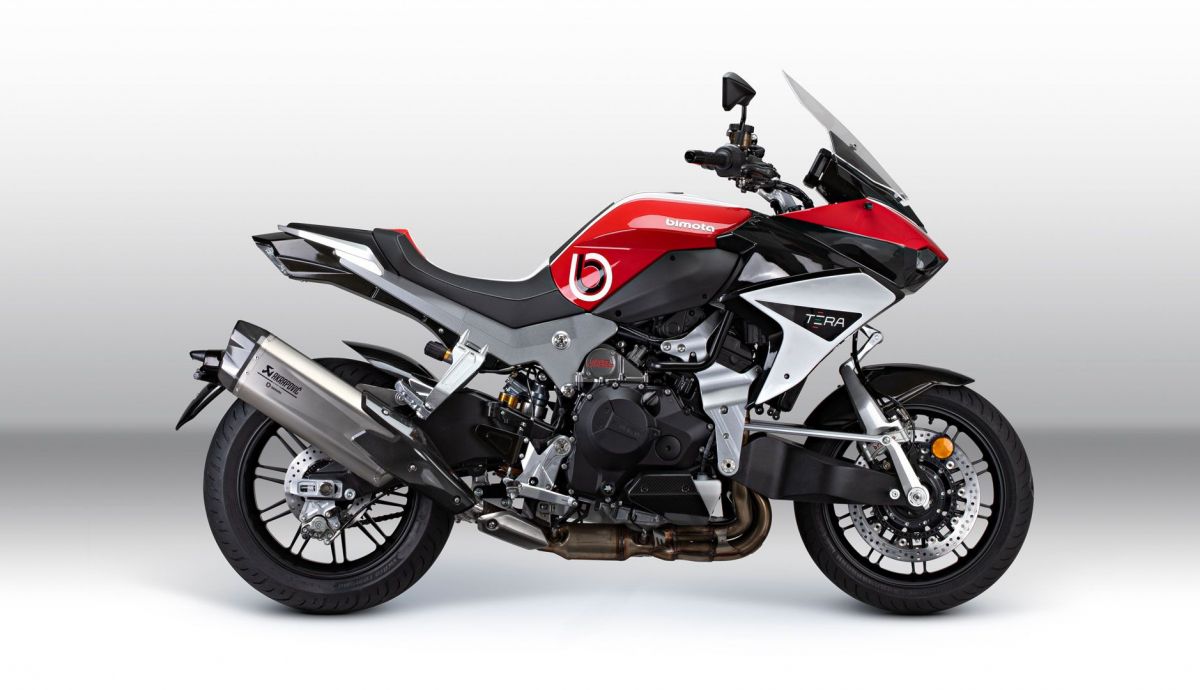
The rims and brakes are also unconventional in some respects, with the front wheel having an oversized hollow hub to which 330mm discs are anchored, with the calipers held both above and below radially on the seatstays. of the direction. The tire sizes are the usual ones, 120/70 and 190/55 on 17” wheels.
WIDE...By joining a segment such as the crossover intended also for traveling and also as a duo, the new Bimota has been equipped with a wide fairing with a high screen, a very spacious double seat that is adjustable in height from 820 mm in 30 mm up and down, which means a huge range of ground clearance and also with large volume side cases.
The new steering system has also made it possible to improve not only the feel of the steering at low speed, making it more sensitive, but also to reduce the turning radius by increasing the steering radius. Compared to that of the TesiH2, the new system allows a steering turn of 35°, 8° more.
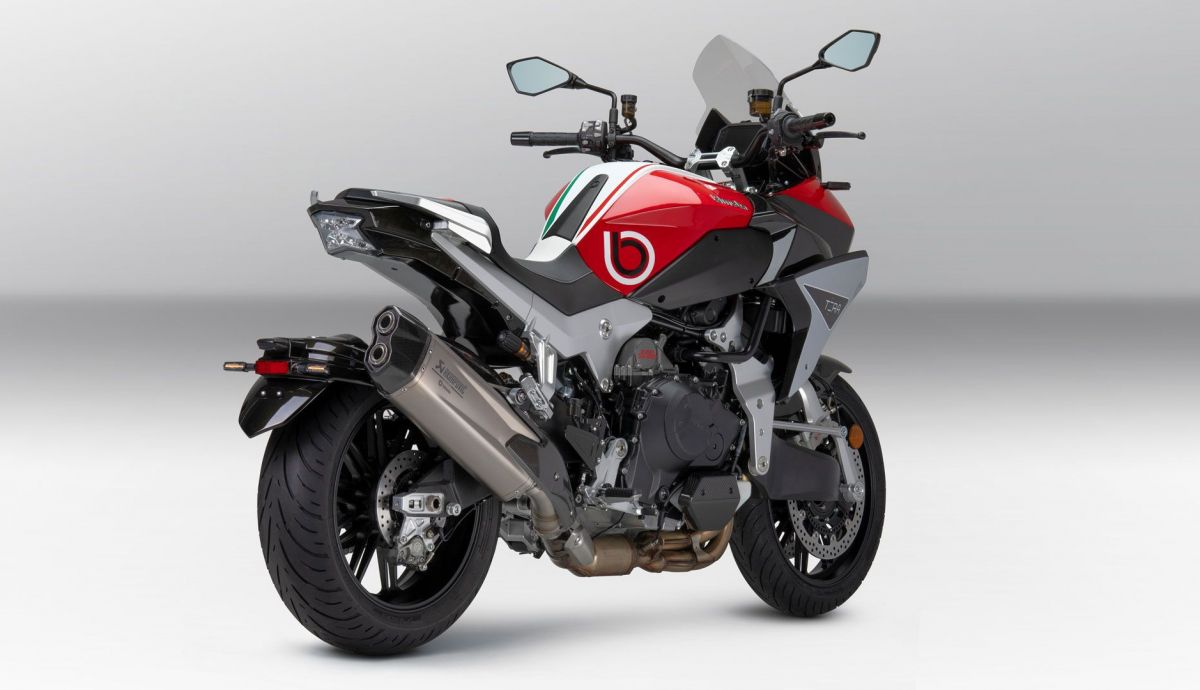
There are USB and 12V power sockets, heated grips, a more comfortable passenger seat, a tank bag and an extended windshield that are part of the list of original accessories for the bike.
Reporting: Pepe Burgaleta


Nenhum comentário:
Postar um comentário