AUTONEWS
Euro 7: The mountain that gave birth to a mouse
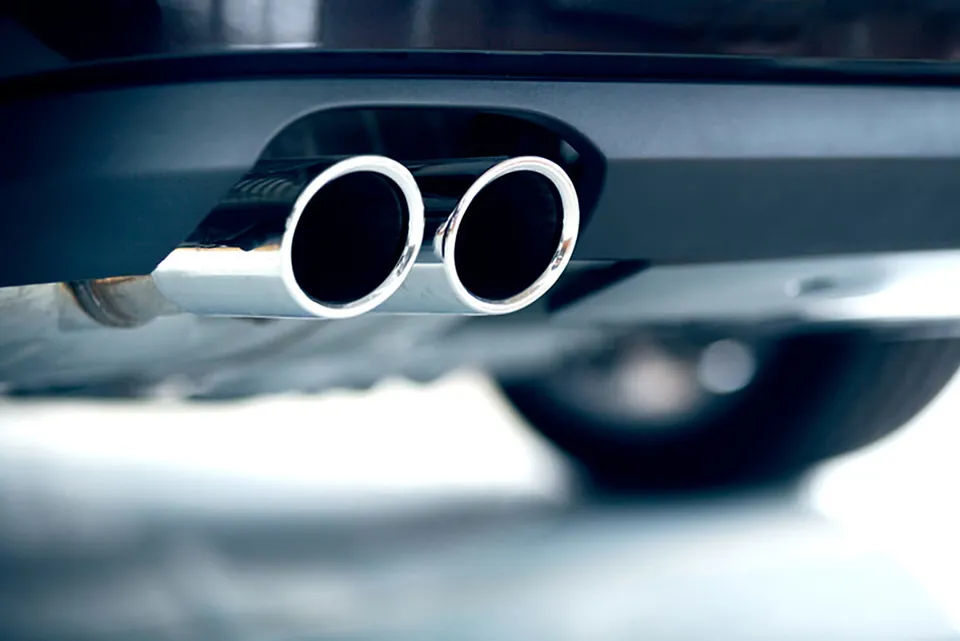
In the famous European standard there are more limitations on brakes and tires than on the exhaust.
After the hopes placed on the new Euro 7, the system that will limit consumption and polluting emissions from 2025, the mountain gave birth to a mouse. Tires and brakes are penalized, but not the exhaust.
Much was expected from the most recent version of the standard that regulates polluting emissions from vehicles to be sold from 2025, Euro 7, which many anticipated would make the transition from combustion engines, and should be more limiting than the current Euro 6 and with eyes set on 2035, the year in which only electric vehicles, or similar ones, will be able to be sold. But 329 members of the European Parliament voted in favor of not additionally penalizing emissions from future cars, with only 230 voting against and 41 abstaining.
Even if the targets for pollutants emitted into the air were not considerably restricted, the least that could be expected was that the ability of manufacturers to be creative in the consumption they declare for their models, on which the corresponding emissions depend, would be limited. Especially when it is known that there is a very large difference between the data announced according to the European WLTP method and the reality, determined by each of the new vehicles sold through the measurement systems carried on board and which measure consumption and emissions in real driving conditions. use.
Despite rising expectations, what ended up happening was forecasts falling short, with Euro 7 essentially maintaining the limits already foreseen in Euro 6, thus preventing manufacturers from having to introduce new systems into vehicles designed to reduce harmful emissions that, according to manufacturers, would increase the price of models, which could eventually make smaller cars less competitive.
If emissions from automobile combustion engines benefited from relief and remained unchanged, the same will not happen with vans and heavy vehicles. But the biggest changes to be introduced by Euro 7 concern tires and brakes, the former because they produce microplastics that end up entering human food and the latter because they give rise to very fine metallic particles that harm the environment and health. The longevity of electric vehicle batteries is also included in the new framework.
The standards now approved will be discussed by each of the member countries, before passing into law and being applied. You can see below the video of the press conference, with rapporteur Alexandr Vondra, about what was approved.
by: Mundoquatrorodas


Nenhum comentário:
Postar um comentário