sexta-feira, 23 de outubro de 2026


YAMAHA


2027 Yamaha TRACER 9 GT+

The new Tracer 9 GT+ takes a clear step towards the future as the top range sports tourer sees a host of updates for 2025. Powered by the thrilling 890cc CP3 three-cylinder engine, the new model showcases Yamaha’s innovative Y-AMT (Yamaha Automatic Manual Transmission) and cutting edge adaptive technologies including electronic suspension, adaptive cruise control and a world first Matrix LED headlight – specification far beyond the category norm.

The lightweight CF die-cast aluminium Deltabox-style frame has Yamaha’s sporting DNA running right through it, while still coming equipped to comfortably carry a pillion and their gear in the optional three-box hard luggage system. The Tracer 9 GT+ also receives sleek new bodywork and a larger, adjustable, windscreen designed to increase wind protection while remaining stylish, compact and sporting in its approach.

The new model receives a highly specified 7in TFT dashboard, which can be set to display one of three distinctive themes, while the full suite of radar assisted aids is provided including adaptive cruise control, blind spot detection and forward collision warning, in addition to Vehicle Hold Control, Unified Braking System and a tyre pressure monitoring system - truly redefining expectations of what a mid-capacity machine should be.

Lightweight SpinForged wheels and dedicated Bridgestone tyres...Manufactured using Yamaha-exclusive SpinForge technology, wheels are lighter and stronger than those produced using more traditional processes, giving a corresponding reduction in inertia for even greater agility and improved fuel economy.

The  Tracer 9 GT+ further benefits from a change in rim thickness on the rear wheel, optimising the rigidity. The wheels are paired with Bridgestone Battlax Sport Touring T32 tyres which were developed specifically for the Tracer range. The internal structure of the tyres has been designed to complement and enhance the handling characteristics of the new model, typically reducing the weight of the front wheel assembly by around 200g, with a 300g saving at the rear. Together the package contributes to a low wet weight of 212kg for optimised handling in a variety of conditions.

The newly introduced Automated Transmission System is standard equipment on the Tracer 9 GT+, re-inforcing its position as the ultimate multi-role motorcycle, creating a machine even more flexible and adept at taking on whatever role its rider needs and wants to take on. 

Introducing the world’s most advanced motorcycle headlight system...Tracer 9 GT+ features a cornering headlight system with sophisticated adaptive Matrix LED headlight technology - a world first.

Comprising of a matrix of multiple low and high beam LEDs linked to a camera which is integrated into the upper part of the headlamp assembly, the technology automatically detects surrounding traffic, natural light sources and weather conditions. Taking this information on board, it dynamically adjusts brightness and light distribution to provide optimal illumination at all times. The system increases rider confidence while riding at night, distributing the light in such a way that it tries to ensure other road users are not dazzled, while adjusting the illuminated area for the rider. The Matrix LED headlight array works with the six-axis IMU to adjust the light beam when a lean angle of seven degrees or more is detected, creating a more comfortable riding experience.

While the adaptive headlights are fully automated, the rider can choose from three levels of sensitivity, while also having the possibility to manually override at any time while riding. 

Integrated riding modes...The new model benefits from five ride modes (three preset and two customisable) which are fully integrated with the six-axis IMU and other technologies, such as the comprehensive suite of lean-sensitive rider aids, Cruise Control, electronic suspension and, where fitted, the Y-AMT transmission.

These Ride Modes, ‘Sport’, ‘Street’, ‘Rain’, ‘Custom 1’ and ‘Custom 2’ can be toggled on the fly using a control on the newly-designed right-hand switchgear. The factory modes are preset with different intervention levels to suit the varying conditions, while the ‘Custom’ options enables the rider to adjust the individual parameters in the YRC menu of the TFT, or by using the app. When using the app, any new custom YRC settings will be uploaded and available for the rider to select the next time the app is connected to the bike.

High specification 7in full colour TFT dashboard...Tracer 9 GT+ comes equipped with a comprehensive 7in TFT dashboard. The meter features three different themes to match the rider’s preference and riding style, with additional layouts for navigation, music and calls.

Each theme is designed to emphasise the different sides of the Tracer 9 GT+, from a stripped back sports design to an information packed touring layout and a more casual, design driven screen which displays core details in a visual theme inspired by Yamaha’s Jin-Ki Kanno development philosophy.

Built upon Yamaha’s award-winning CP3 platform, the TRACER 9 GT+ exudes personality in every component. Its 890cc three-cylinder engine—renowned for exceptional torque and acceleration—delivers thrilling performance, while the high-end Deltabox chassis incorporates sophisticated electronic suspension for superior comfort and control.

The TRACER 9 GT+ comes standard with radar-linked adaptive cruise control, a braking assist system, hill-hold control, and Yamaha’s innovative Y-AMT transmission, which allows the rider to switch between automatic and manual shifting at the touch of a button. The TRACER 9 GT+ transforms from a sports bike into a tourer in a way other motorcycles can only dream of, making it the perfect companion for life’s journey.

Powered by CP3...The critically acclaimed CP3 engine needs little introduction. Famous for its high-torque characteristics and incredible midrange acceleration, the latest specification version of the 890cc three-cylinder motor delivers a peak power output of 119ps at 10,000rpm, with 93Nm of torque at 7000rpm.

With optimised gear ratios and a distinctive growl from the twin exhaust system and tuned intake, the TRACER 9 provides an addictive ride which puts a grin on the rider’s face every time they open the throttle.

Lightweight CF aluminium die-cast frame...Complementing perfectly the CP3 engine, Yamaha’s aluminium Deltabox frame provides high levels of rigidity to provide an engaging and sporty ride.

This is manufactured using Yamaha’s proprietary CF (controlled filling) die-cast process, which enables the construction of an extremely light and strong frame with varying wall thicknesses throughout, allowing for a finely tuned design with rigidity optimised to deliver class leading handling.

A holistic design approach sees the Deltabox frame mated to an extended aluminium swingarm and steel subframe, now longer yet lighter than before, to provide more room for rider and passenger. The combination contributes to a motorcycle with outstanding high speed stability and the carrying capacity required from a motorcycle developed to convey two people and their luggage in style and comfort.

Combined with lightweight wheels and high-specification KYB suspension, the 2025 Tracer 9 GT+ delivers an agile and secure riding experience – without compromise.

Integrated riding modes...The new model benefits from five ride modes (three preset and two customisable) which are fully integrated with the six-axis IMU and other technologies, such as the comprehensive suite of lean-sensitive rider aids, Cruise Control, electronic suspension and, where fitted, the Y-AMT transmission. 

Semi-active, high quality KYB suspension...Electronically adjustable suspension units, which has been developed specifically for the Tracer 9 GT+ in collaboration with KYB.

Called KADS (KYB Actimatic Damper System), it is the most advanced suspension system found on any Yamaha production motorcycle. This ‘semi-active’ system dynamically adjusts the damping and riding experience using real time data detected by the six-axis IMU, such as lean angle, load, acceleration and the amount and speed of the suspension stroke, providing a ride which can deliver a sporting ride without compromising comfort.

The rider has the choice of different modes at the touch of a button, and the dynamics are further determined by the selected YRC riding mode, delivering a firmer, more sporting setting in Sport mode, with a greater focus on comfort in Street and Rain mode.

KADS is further integrated into other advanced and convenience systems, such as the brake control, Adaptive Cruise Control and the Unified Brake System. The result is a truly confidence inspiring riding which adapts itself to the wide range of environments in which this versatile machine has been designed to be ridden in. 

More comfortable ergonomics...Revised ergonomics include a modified handlebar, footrest and seating arrangement creating a more comfortable riding experience for both rider and pillion, without compromising the machine’s sporting characteristics.

Despite being 150g lighter, the new subframe is 50mm longer than the item found on the previous generation Tracer 9 GT+, allowing for a more generous pillion seat area. The rider seat has been reshaped and is now flatter, with more padding for added comfort. Despite the spec sheet showing an increased minimum seat height of 845mm, most riders should find the Tracer 9 GT+ more accessible as the stand-over distance has been reduced through the slimming and reshaping of the front area of the saddle, meaning a more reassured and confidence inspiring experience, especially for shorter riders.

The seat has two height settings, allowing riders to optimise the ergonomics to best match their physique and personal preference. This allows the saddle to be raised by 15mm, without the need for any tools, while a heated seat is available as an option from the Yamaha Genuine Accessories range. 

Y-AMT- Yamaha Automated Manual Transmission...Yamaha’s innovative Y-AMT (Yamaha Automated Manual Transmission) offers a whole new riding experience, giving the Tracer 9 GT+ customer the choice between a fully automatic transmission system and a finger operated manual shift with electronically controlled auto clutch.

Y-AMT’s manual transmission (MT) offers a completely new way in which to experience the thrill of Yamaha’s acclaimed CP3 motor. With a closer and more refined connection to the brain than the feet, the hands are one of the most tactile and powerful tools the human body has.

Shifting by hand alone, as opposed to a foot-and-hand combination, is not only quicker, but requires less thinking time, allowing the rider to hyper-focus on throttle and brake application, lean angle, body position and tyre grip levels to intensify the ride, especially when cornering.

MT has been developed with sporty riding in mind, and for when the rider wants to remain engaged. It allows for quicker and more consistent changes as the rider looks to extract every degree of performance.

Gear changes are activated through a tactile see-saw switch placed conveniently at the rider’s left-hand fingertips. Riders can either use their thumb and index finger to upshift with the plus lever, and downshift with the minus lever, or opt for a single-finger operation for sportier riding, using only the index finger to shift by pulling the plus lever to shift up, and pushing it to shift down for the ultimate sporty ride.

With no clutch to operate, the rider can more easily time their gear shifts while focusing on their lines, braking and other controls. With no traditionally mounted shift pedal, the rider is also better able to position their lower body through turns – providing excellent stability while cornering and creating an even more reassuring connection with the motorcycle.

At standstill and low speeds, the Y-AMT system controls the clutch and gearbox operation making the machine easier to control when moving off, performing manoeuvres and in heavy traffic. The system completely takes over gear shifting functions when in one of the two AT modes, but can be overridden using the see-saw lever.

Working in conjunction with Yamaha’s electronic throttle (YCC-T) system and its switchable ride modes,  Y-AMT delivers a thrilling ride, giving the rider extra bandwidth to concentrate on the road ahead while enjoying fast and consistent gear changes to maximise performance.

Ideal for commuting and on journeys where the rider wants to enjoy a more relaxing ride, ‘D’ mode delivers a softer and more confidence-inspiring, fully automated, gear shift to aid low speed and urban riding. ‘D+’ mode holds each gear for longer, providing more engine-braking when required, offering more powerful acceleration and a more invigorating riding experience. The rider can toggle seamlessly between the two riding modes by thumbing the button on the right hand switchgear, while the Yamaha Ride Control further tailors the riding experience to the individual’s preferences, allowing tailoring of three power, and the suite of stability control settings.

Toggling between MT and AT modes is easy and can be done on the move by activating the button on the right hand switchgear, allowing the rider to transform the nature of their Tracer 9 GT + in a heartbeat.

Tracer 9 GT + is the very embodiment of sports touring, giving Yamaha’s design team the challenge of creating a fairing with the cosseting comfort of a dedicated tourer, while remaining compact and sporting in its nature.

The new fairing maintains the compact image of the previous generation bodywork but is all new, having been developed in the wind tunnel to optimise airflow around the rider and passenger. Adjustment is made via and electronically operated screen with a total of 100mm movement at the touch of a button while riding. The electric screen’s greater range gives an additional 25mm of height for added wind protection, as well as a 25mm lower setting for summer and low speed riding. The screen shape has also been designed with to carefully manage airflow, reducing turbulence and wind pressure on the rider’s lower body, while an additional spoiler at the bottom of the screen offers even higher wind protection.

At the top of the Sport Touring lineup, the Tracer 9 GT+ now stands out with two new color schemes—Galaxy Blue and the dynamic Performance Silver—further enhancing its unmistakable presence on every journey.

Tracer 9 GT+ – available in Galaxy Blue and Performance Silver starting in the third quarter of 2027

Tracer 9 GT and Y-AMT – available in Tech Black and Ceramic Grey starting in the third quarter of 2027

Tracer 9 and Y-AMT – available in Power Blue and Midnight Black starting in the third quarter of 2027

Price and availability...Tracer 9 GT+ will be available in Cobalt Blue. Delivery dates to dealers and price is not yet set. Other Tracer models have been announced for different markets but currently the only model arriving to Australia is the top-of-the range Tracer 9 GT+.


Autonews and MotorLand


AUTONEWS


Germany, France, and Italy join forces—contrary to Spain’s position—to attempt to curb the wave of Chinese car imports

Germany, France, and Italy—the three largest economies in the European Union—have joined forces to confront the influx of electric vehicles (EVs) from China and safeguard their own automotive industries. Specifically, Germany and France have reached an agreement to urge Brussels to revise its emissions timeline, allowing for the continued production and sale of internal combustion engine vehicles beyond 2035. Italy has also expressed support for many of these proposals.

90% instead of 100%...In concrete terms, they are proposing a 90% reduction in net emissions rather than a 100% reduction. This would allow for the continued sale of hybrid vehicles and even models without any form of electrification—though it is difficult to imagine that cars entirely lacking electrification (even mild forms) would still be manufactured by that time. It is worth noting, however, that the European Commission had previously suggested lowering the target to 90% in a proposal presented in late 2025, albeit with conditions to offset the remaining emissions.

This shift in direction is not driven by a lack of environmental awareness, but rather by a strategic move for industrial survival. China dominates the entire manufacturing process—the "value chain"—for electric vehicles, ranging from the processing of essential raw materials (such as lithium, cobalt, and nickel) to the production of components and batteries at a lower cost than what European manufacturers must pay. This poses a threat to the very survival of Europe’s historic automotive industry.

Furthermore, this approach stems from a need to adapt to the realities of the European market, where some nations—such as Spain—have yet to fully embrace electric vehicles. In the case of Spain, one of the biggest obstacles is the price, which is beyond the reach of many drivers. Other factors hindering adoption include the slow development of charging infrastructure, the need for a garage equipped with a charging point, and "range anxiety." Given this scenario, the European industry faces a choice: sell electric vehicles with lower profit margins compared to Chinese competitors, or pay heavy fines for failing to meet emissions limits.

Among the three countries pushing for this revision, Germany and France are doing so with a strategic, mutually beneficial intent. Berlin gains breathing room for its major automakers, allowing them to continue profiting from internal combustion engine technology—an area in which they have invested heavily. In exchange, Paris secures German support for a requirement that the majority of a vehicle be manufactured in Europe—proposals suggest a 70% threshold (excluding batteries)—as a condition for accessing subsidies or incentives.

However, the European automotive industry cannot yet declare victory; for now, this pact remains merely an intention—albeit a very firm one. For these intentions to become law, the proposed amendment must be debated and approved by the European Council and the European Parliament. Nevertheless, given the economic weight of Germany, France, and Italy within these institutions, the agreement significantly weakens the total ban on internal combustion engines and outlines a new landscape in which we may still be able to purchase cars equipped with exhaust systems.

Incidentally, this agreement runs counter to the position of the Spanish government, which continues to insist on the original plan to cease the production and sale of internal combustion engine vehicles by 2035.

Germany and France have reached a deal to protect Europe's automotive industry, the countries said in a statement Friday(16/10).

The plan aims to cut CO2 emissions and support the development and construction of electric cars in Europe, the statement added.

"Our shared ambition is clear: to successfully transform our automotive industry while maintaining our climate ambition and ensuring that the cars of the future are produced in Europe," the countries said. 

The pact also includes incentives for investment, research and production.

German Chancellor Friedrich Merz welcomed the agreement, describing it as a "good day for car drivers and for jobs in Germany, France and Europe."

"This is an investment signal to industry," he posted on his X account.

French President Emmanuel Macron, for his part, said the agreement shows a "clear ambition to successfully transform" the European automotive industry while upholding Europe's climate goals. 

"We hope that this Franco-German dynamic can swiftly lead to an agreement with our partners, for our jobs and our industry," Macron wrote.

According to a Handelsblatt report, the two leaders have also agreed in principle to require automakers to cut exhaust emissions from new cars by 90% from 2035, without having to offset the remaining 10%, revising the bloc's proposed target.

The pact will need backing from other EU states and the European Parliament to become law.

Germany's largest carmaker, Volkswagen, welcomed the deal between France and Germany to soften EU car emissions rules. In a statement, it called the deal a "strong signal" that shows responsibility to the automotive industry.

"The joint ‌position of Germany and ‌France... ​sends a strong signal to Europe and demonstrates ​its ability to take action," a Volkswagen spokesperson ⁠said.

While still assessing the full details, Volkswagen saw "meaningful flexibilities" that will "help the automotive industry make its contribution to climate protection without jeopardizing its competitiveness," according to the statement.

Hildegard Müller, head of Germany's VDA auto industry association, called the German-French car deal an important step. However, she added that it falls short in key areas for the industry, including jobs and climate.

Müller called for later battery localization in Europe, better rules for trucks, buses, and light vans, and a stronger emphasis on renewable fuels and green materials. 

European automakers have been struggling to compete with their Chinese counterparts in the electric vehicle market,  resulting in cost-cutting measures.

Lower Saxony Premier Olaf Lies hailed the agreement as a "strong signal" in support of Europe's car industry that protects jobs in the sector.

Lies is also on VW's supervisory board, and Lower Saxony is home to Volkswagen. The company's headquarters are located in the city of Wolfsburg.

The joining of forces by Germany, France, and Italy reflects the latest and most profound geopolitical shift in the bloc’s attempt to curb the expansion of Chinese automotive companies in Europe. As the European market witnesses a historic surge by Asian brands, the region’s major powers have decided to act in unison.

Below is an overview of this coalition and the reasons behind the divergence with Spain.

🚗 The Franco-German coalition and Italian pressure... After years of internal disagreement on how to deal with Beijing, the largest economies in the Eurozone have aligned their trade defense strategies:

• The Paris-Berlin pact: France and Germany have signed a joint automotive agreement. The plan focuses on a much stricter definition of "Made in Europe," requiring foreign automakers to relocate not only their manufacturing plants but also their Research and Development (R&D) centers to European soil if they wish to qualify for public subsidies.

• Rome’s alignment: Italy has firmly joined the push for stricter regulation. Heavily impacted by the crisis in local supply chains, the Italian industry—supported by sector organizations like Anfia—has been one of the most vocal proponents of tougher action, even suggesting extreme tariffs (as high as 80%) to halt the loss of market share.

Why does Spain take a contrary stance? Spain’s isolated position regarding the tightening of these measures stems from significant, direct economic interests and a fear of retaliation:

• A hub for Chinese investment: Spain has become a key gateway and manufacturing base for Chinese automakers in Europe. A prime example is the giant Chery, which has entered into a substantial joint venture to produce electric vehicles at the former Nissan plant in Barcelona. Harsh restrictive measures put these jobs and billions in investments at risk. 

• Trade retaliation: The Spanish government fears trade counter-offensives from Beijing. China has already launched anti-subsidy investigations into vital European sectors, such as the pork market—a sector in which Spain is the largest exporter within the bloc.

Measure Adopted--------Details of Commercial Impact:

-Cap on Hybrid Vehicles----The EU and China have reached a landmark agreement to limit Chinese hybrid cars to 350,000 units per year, effectively halving the projected volume.

-Tariffs on Electric Vehicles (EVs)----Imposition of stringent countervailing tariffs of up to 45% on fully electric vehicles imported from China.

-Expansion to Other Sectors----The European Commission has already indicated that this model of automotive restrictions will be used to propose barriers in other markets currently under pressure, such as the chemical sector.

Despite Spanish resistance, the political and economic weight of the Berlin-Paris-Rome axis secures the qualified majority the European Union needs to dictate the direction of the continent’s trade policy—forcing Chinese brands to choose between accepting quotas or accelerating the localization of their manufacturing plants in Europe.

The dynamics within the European Union regarding Chinese car imports have shifted heavily toward a protectionist consensus among the bloc's largest automotive manufacturing nations, putting them directly at odds with Spain's position.

Germany, France, and Italy have converged on strategies to shield the regional market, moving beyond original divisions to curb Chinese automotive expansion.

The core shifts and coalition strategy:

• The Franco-German realignment: In an uncharacteristically unified push, Germany and France signed a landmark agreement on an EU automotive package. This represents a significant shift for Germany, which had previously opposed heavy anti-subsidy tariffs out of fear of Chinese retaliation against brands like Volkswagen and BMW.

• Stricter "Made in Europe" safeguards: The new joint position targets foreign automakers by requiring them to relocate core manufacturing and Research & Development (R&D) to the EU to qualify for public subsidies.

• Italy's call for decisive action: Italy has strongly aligned with these measures. Italian industrial groups have even pressured the EU to enforce drastic emergency tariffs, as local supply chains face severe drop-offs in demand tied to Chinese market penetration.

• Expanding to hybrid quotas: Beyond the existing EV tariffs, the EU successfully brokered a deal to cap Chinese hybrid car imports at 350,000 units annually, aiming to block a loophole where Chinese manufacturers circumvented EV restrictions by flooding the market with plug-in hybrids.

Why Spain stands contrarian...While the EU's "Big Three" have tightened their stance, Spain has consistently urged caution. Spain's opposition to aggressive unilateral curbs stems from two primary vulnerabilities:

1. Investment risks: Major Chinese manufacturers like SAIC Motor and Chery have prioritized Spain as a launchpad for local European production and joint ventures. Cracking down too harshly risks driving away billions in localized industrial investments.

2. Agricultural retaliation: China has strategically targeted Spanish exports, introducing anti-dumping and anti-subsidy probes into EU pork products, directly threatening Spain's massive agricultural sector.

quinta-feira, 22 de outubro de 2026


AUTONEWS


The chargeable battery–fuel cell hybrid answers the challenges of emission-free heavy-duty transport

In late 2026, a pilot project exploring the possibilities of using hydrogen and electricity to power heavy-duty transport on long-haul journeys will begin in Finland. The pilot aims to develop technology that contributes to the EU's objective of emission-free heavy road freight transport.

The pilot project, led by VTT Technical Research Centre of Finland, has introduced a high-tech hybrid truck combining electric mobility and hydrogen fuel cells in a unique way. The SISU Escalate truck, manufactured by Sisu Auto, runs primarily on electricity, and the hydrogen fuel cells serve as an alternative power source for quick charging on long haul assignments. The truck will start normal transport operation in late 2026, and its journey will be continuously monitored and measured through vehicle data and a digital twin.

“We will collect data on the technology, energy consumption, and overall functionality and reliability of different solutions. The vehicle will drive 540 kilometres per day, during which we will monitor how much electricity and hydrogen it is using,” says Mikko Pihlatie, Research Professor at VTT.

The project involves several partners from Finland. The vehicle is manufactured by Sisu Auto, the battery system comes from IONCOR, Kempower supplies the MCS charging infrastructure, while Hevtec is responsible for the vehicle-side charging solution and the integration of the electric powertrain. The truck will be operated by Jylhä Logistics between Vuosaari harbour in southern Finland and the city of Jyväskylä in central Finland. The vehicle’s first, full-electric version was tested in spring 2026 by logistics company Rauanheimo.

Monitoring reveals development areas...“By monitoring the truck for six months, we will gain data about the vehicle’s performance, the ways different factors such as weather conditions impact consumption, and what limitations may occur in the operation of the vehicle. This information will help us develop the charging station network and optimise energy consumption,” Pihlatie says.

The data will allow the pilot team to calculate the most economic ways of driving this kind of hybrid vehicle. Price data on hydrogen fuel and charging will enable the team to estimate how much energy should be loaded and where. The data is benchmarked against diesel-powered vehicles to assess cost benefits.

Finnish winter is a challenge...The truck will operate as an articulated vehicle and also take on regional distribution assignments in the Helsinki metropolitan area. It utilises Finland’s first hydrogen fuel station built in Jyväskylä. There are charging stations at both ends of the long haul route, and a megawatt scale charging station will be built along it.

“A total of four trucks are piloted across Europe in this project, with different structures and power sources. SISU Escalate is the heaviest and longest of these. With its size and the difficult winter conditions in Finland, the operating environment of this truck is the most demanding of the four,” says Pihlatie.

The vehicle will explore particularly how zero-emission powertrains and charging and fuel stations perform in vehicle configurations used in Finland and Sweden. The two countries use longer and heavier articulated vehicles weighing up to 76 tonnes, whereas in other parts of Europe, the total mass of articulated trucks tends to be around 40 tonnes. In this pilot, the gross vehicle combination weight is limited to 68 tonnes.

The truck includes a 650 kWh battery and, as a secondary power source, a fuel cell with a maximum power of 120 kW. Due to the hydrogen tanks and battery pack, the chassis is longer than usual for tractor units. 

Truck full of high tech...The pilot is part of the EU-funded ESCALATE project, which aims to prove that a zero-emission heavy vehicle can operate reliably in real-world driving conditions.

“The SISU Escalate truck is not a product that will be launched in the market, but rather a means for testing the technology. With the learnings from the pilot, we can choose the best solutions for a product series developed for the market. The data will help us develop energy management systems and optimise driving with the battery to maximise the distance that can be driven with electricity. Hydrogen is, after all, the more expensive fuel,” says Petri Kananen, Head of Development at Sisu Auto.

“Battery technology is a key element in the electrification of traffic. The pilot is carried out with a highly demanding setup: the modular battery platform must function in a 76-tonne articulated vehicle, in harsh winter conditions, and on a long-haul route,” says Juuso Kelkka, Senior Manager of Technology Development at IONCOR. “With this truck, we can prove that a lithium-ion battery is a viable solution even in these conditions.”

A rechargeable battery–fuel cell hybrid (often called a Fuel Cell Hybrid Electric Vehicle or system) combines a hydrogen fuel cell (or regenerative fuel cell) with a rechargeable battery pack (such as lithium-ion) to supply electrical power.

How it works:

• Fuel Cell (Primary or Steady Power): Converts hydrogen and oxygen into electricity continuously as long as fuel is supplied, providing a steady baseline output.

• Rechargeable Battery (Dynamic / Peak Power): Acts as an energy buffer, absorbing regenerative braking energy and delivering extra power during high-demand events like acceleration or hill-climbing.

Key benefits:

• Complementary Strengths: Fuel cells offer high energy density and long range (such as in the SISU Escalate heavy truck pilot), while batteries handle fast transient load changes and capture energy recovery.

• Extended Lifespan: Protecting the fuel cell from sharp, rapid power spikes reduces stress and wear on the stack.

• Regenerative Capability: Unlike a standalone fuel cell that cannot easily store energy during deceleration, the hybrid battery captures braking electricity

The "rechargeable battery–fuel cell hybrid" emerges as a promising solution for heavy-duty freight transport, as it combines the high energy efficiency of electricity with the extended range and rapid refueling capabilities of hydrogen. This approach addresses the primary obstacles to relying solely on battery-electric power for large trucks—namely, the excessive weight of the components and the long downtime required for recharging during long-haul journeys.

A real-world example of this technology is currently being tested as part of the European project ESCALATE, led by the VTT Technical Research Centre of Finland. The prototype truck, the SISU Escalate, has begun operating under actual working conditions in Finland.

⚙️ How does the hybrid dynamic work?

The system operates by prioritizing the most cost-effective and efficient energy source for any given moment during a trip:

• 🔋 Primary energy (Battery): The vehicle runs primarily on electricity stored in a massive 650 kWh battery. Since grid-supplied electricity is cheaper and more efficient than hydrogen, the goal is to maximize battery usage.

• 💧 Secondary energy (Fuel Cell): The truck is equipped with a 120 kW fuel cell powered by hydrogen tanks. It functions as an onboard power generator, serving as a "rapid refueling" alternative while in transit, thereby avoiding long stops at charging or refueling stations.

🚛 Operational Challenges (The SISU Pilot):

This practical test was designed to push the limits of current technology within a demanding environment:

• Extreme weight: The vehicle operates with a gross combined weight of up to 68 metric tons—a configuration common on Nordic roads, compared to the 40-ton average found throughout the rest of Europe. • Harsh Climate: Continuous monitoring will assess how lithium-ion batteries and fuel cells perform during the severe Finnish winter, which directly impacts energy consumption and battery chemistry.

• Infrastructure: The route utilizes Finland’s first hydrogen refueling station (in Jyväskylä) and includes charging points at both ends, with plans for a megawatt-scale charging station along the route.

The ultimate goal of this monitoring—which also entails creating a digital twin of the truck—is to develop intelligent energy management strategies that will make zero-emission commercial fleets economically competitive in the future.

by VTT Technical Research Centre of Finland


PORSCHE


Mission S: why does the model promise to outshine the legendary 911?

As promised, the German manufacturer—currently navigating a severe financial crisis, with profits in its automotive division plummeting 98.3% in 2025, from 5.3 billion euros to just 90 million—has unveiled a prototype destined to become the brand’s new supercar. Positioned at the pinnacle of Porsche’s lineup, it will sit above the iconic 911. Known for now as the "Mission S"—a placeholder name, much like "Mission E" was for the Taycan—the concept was revealed in New York; a fitting choice, given that the U.S. is the brand’s largest market, particularly for its most powerful and expensive vehicles.

The new Mission S features a design that appears to draw inspiration from models like the 1997 911 GT1 Street Version and the 2013 918 Spyder. While aesthetically pleasing, the design feels neither particularly modern nor bold—a point underscored by its reliance on styling cues from vehicles that are 29 and 13 years old, respectively. Porsche is keen to highlight that the Mission S will feature a mid-rear engine layout—a configuration already employed in the 911 RSR racing car. This contrasts with the brand’s road-going models, where the engine-and-transmission assembly (with the gearbox positioned ahead of the engine) places excessive weight over the rear axle, complicating handling balance and reducing efficiency—a significant drawback in a competitive racing environment.

Porsche also announced the development of a new engine: an eight-cylinder horizontally opposed unit—which appears to already be installed in the Mission S. In essence, it is a "boxer" engine, similar to the one found in the 911, but with two additional cylinders. The choice is peculiar—unless there is a height constraint—given that boxer engines cannot compete with V8s in terms of efficiency or the number of moving parts. Consequently, the Mission S would have been an ideal opportunity to introduce a V8 into a mid-engine coupe, much like those from Ferrari, Lamborghini, McLaren, or any other supercar manufacturer.

The Mission S, however, was somewhat “unlucky”; not only was North America chosen as its stage, but it was also unveiled to the public on the same day Tesla presented its own concept. With the Roadster—boosted by SpaceX thrusters—capable of “flying,” accelerating from 0–96 km/h in as little as 0.59 seconds, reaching speeds of up to 530 km/h, and clinging to the road as if equipped with suction cups, Porsche’s supercar seems to fall short when it comes to directly challenging the American electric model.

The Porsche Mission S was conceived with the promise of surpassing the legendary 911 by redefining the brand’s performance hierarchy. Unveiled as a mid-engine supercar concept, it is designed to sit directly above the 911 lineup as a permanent, high-end offering—rather than merely a limited-edition model.

The Mission S aims to eclipse the 911 through key strategic and mechanical attributes:

• Unique positioning and platform: Departing from the 911’s traditional rear-engine layout, the Mission S utilizes an entirely new, bespoke mid-engine architecture. This ensures more balanced weight distribution and true supercar-level dynamics.

• Superior power: While exact specifications remain under wraps, the new platform has been developed to accommodate both high-performance internal combustion engines and hybrid powertrains. Industry rumors and projections point to the development of an all-new flat-eight (Boxer) engine, which, when paired with electric motors, could break the 1,000-horsepower barrier.

• A focus on purism: While the 911—and the rest of the automotive industry—are shifting toward massive digital screens, the Mission S embraces a minimalist cabin inspired by classic motorsport. It features a central analog tachometer, physical buttons, and a mechanical key ignition, while eschewing a built-in infotainment system in favor of an integrated smartphone mount. 

• Hypercar design with a historic DNA: The look of the Mission S projects a far more aggressive silhouette than that of the 911. It blends modern visual elements with explicit tributes to Porsche’s track legends, featuring a rear end inspired by the 911 GT1, air intakes reminiscent of the 959, "disc-style" wheels inspired by the 928, and engine ventilation that harks back to the classic 917.

Autonews


SCANIA


New 2027 Scania Super

Scania is tackling one of the greatest challenges of electrification in the transport industry: making electric trucks viable for long-haul operations. The solution combines increased battery capacity, the Megawatt Charging System (MCS), and a practical vehicle configuration, enabling a range of up to 720 kilometers and helping operators strike a balance between payload, charging times, and productivity.

A new configuration specifically targets long-haul routes, combining batteries on the chassis and behind the cab, while incorporating aerodynamic changes that can reduce energy consumption by up to 3%.

Scania has unveiled a new solution to address one of the primary obstacles to the electrification of heavy-duty road transport: covering long distances without turning recharging stops into an operational challenge. The manufacturer states that its new configuration can achieve an electric range of up to 720 kilometers, depending on operating conditions. To reach this figure, the company has installed additional batteries behind the cab, equipped the truck for MCS (Megawatt Charging System) charging, and redesigned aerodynamic elements, according to a statement released by Scania on September 14, 2026.

For long-haul electric trucks, simply increasing battery size can create other issues; more batteries take up space, add weight, and can reduce the payload capacity available to the carrier.

For this reason, Scania has adopted a configuration that distributes battery modules across different parts of the vehicle. In addition to the batteries mounted on the chassis, the manufacturer can place two extra modules behind the cab.

In a typical setup, these modules add approximately 356 kWh of installed capacity, allowing the company to increase the total available energy without relying solely on the space available on the chassis.

With this architecture, certain configurations can achieve a range of up to 720 km. However, Scania itself notes that this result depends on the specific configuration chosen and actual operating conditions.

Therefore, the 720-kilometer figure represents the maximum range announced by the manufacturer, rather than a guaranteed distance for every route, cargo weight, or weather condition.

This strategy places Scania in an increasingly intense competition among heavy-duty vehicle manufacturers. Recently, Volvo also brought an electric truck into production capable of a range of up to 700 km, demonstrating how companies are beginning to make inroads into routes that, for years, remained heavily dependent on diesel.

Megawatt Charging System (MCS) technology aims to address another challenge of long-haul transport. Increasing range is only one part of the equation; for a transport operator, the time a vehicle must remain stationary to regain enough energy to continue its work is equally critical.

With this in mind, Scania’s new solution has been developed to support the MCS (Megawatt Charging System). This technology operates at power levels far exceeding those of conventional chargers, aiming to facilitate shorter, more productive stops.

In practice, this strategy seeks to align charging sessions with the breaks already integrated into road transport operations. However, the manufacturer’s announcement does not specify a single, definitive charging time required to fully replenish the battery.

This is because the outcome depends on several variables: the vehicle’s configuration, its installed capacity, the power available at the charging station, and the condition of the battery. Consequently, it would be inaccurate to frame MCS compatibility as a guarantee of a specific charging duration without further data.

Infrastructure also plays a decisive role. After all, equipping a truck to accept power at a megawatt scale does not guarantee that such high-capacity chargers will be available along every route.

Furthermore, the electrification of heavy-duty vehicles is advancing on other fronts. Manufacturers and technology firms are already developing electric trucks capable of autonomous operation under specific conditions—a development that is driving a broader technological transformation across road transport, logistics terminals, and ports.

A new front-end design reduces air resistance and can cut energy consumption by up to 3%. Scania has also focused on aerodynamics; the new front-end complies with European regulations on increased vehicle dimensions—known as IVD—allowing the total length of the vehicle combination to exceed 16.5 meters. According to the manufacturer, this configuration maintains practical compatibility with semi-trailers and preserves maneuverability, even with an architecture designed to maximize range.

With a new front-end design adapted to the Increased Vehicle Dimension (IVD) regulations, the vehicle configuration achieves maximum range—even when the total vehicle length exceeds 16.5 meters. This allows customers to combine a long electric range with practical trailer compatibility, all while maintaining excellent maneuverability.

When paired with this new front-end design, the vehicle can reduce energy consumption by up to 3%—depending on the specific configuration and type of operation—as aerodynamic drag accounts for a more significant portion of total energy consumption in electric trucks.

“Electric trucks are already part of the transport system, but long-haul operations place very different demands on range, payload, and charging. With this solution, Scania demonstrates how these elements can be integrated in a practical way for customers looking to electrify demanding long-haul routes,” says Lars Gustafsson, Senior Vice President and Head of Solutions Management at Scania.

Long distances, heavy loads, semi-trailer compatibility, charging strategies, and bodywork requirements all influence the viability of an electric truck in daily operations. By positioning additional battery modules behind the cab, Scania can increase installed capacity without relying solely on chassis-mounted batteries. This enables the configuration of long-haul vehicles with a range of up to 720 kilometers, while offering operators greater flexibility to balance range and payload.

In a typical setup, two battery modules can be installed behind the cab, adding approximately 356 kWh of installed capacity—supplementing the batteries already located on the chassis and behind the cab. Combined with MCS (Megawatt Charging System) capabilities, this expanded energy capacity enables electric tractor configurations for long-haul transport using standard European trailer combinations.

“It’s not just about placing batteries in a new position within the vehicle. What matters most is what this makes possible: electric transport over distances that have traditionally been among the most challenging to electrify—by considering range, payload, and charging in an integrated way from the very start,” concludes Gustafsson.

Key Data:

Electric range of up to 720 kilometers, depending on the configuration and operating conditions.

Up to 3% lower energy consumption for battery-electric vehicles when combined with the new front-end design, depending on the specification and type of operation.

Increased installed battery capacity, including two battery modules mounted behind the cab in a typical configuration.

Adds approximately 356 kWh of installed capacity behind the cab, depending on the configuration.

Designed to support MCS (Megawatt Charging System), allowing for shorter and more productive charging stops during long-haul operations.

Works in conjunction with Scania’s new IVD (Increased Vehicle Dimension) front-end design, allowing for a total vehicle length exceeding 16.5 meters.

Furthermore, the new front-end design can reduce energy consumption in battery-electric vehicles by up to 3%. However, this percentage may vary depending on the specific configuration and type of operation.

Aerodynamics is particularly significant because air resistance accounts for a substantial portion of energy consumption at highway speeds. Consequently, reducing this resistance allows for more efficient use of every kilowatt-hour (kWh) stored in the batteries.

The manufacturer also introduced "Scania Dynamic"—an update to its R and S series that incorporates aerodynamic enhancements, digital mirrors, redesigned A-pillars, extended side skirts, and new integrated door handles. Through this comprehensive set of improvements, Scania reports a reduction in total energy consumption of up to 2%, depending on the vehicle configuration and usage.

Specifically regarding its long-haul electric solution—now paired with this new front-end design—the company claims a potential energy savings of up to 3%.

During the early stages of heavy-vehicle electrification, urban and regional routes offered the most favorable conditions. On these paths, trucks could regularly return to a depot and follow a predictable charging routine.

Long-haul transport presents a different challenge: beyond carrying heavy loads, the vehicle must cover hundreds of kilometers while recovering energy without compromising productivity.

It is precisely this combination that Scania’s new solution addresses. The manufacturer offers a range of up to 720 km, approximately 356 kWh of additional battery capacity located behind the cab, support for the Megawatt Charging System (MCS), and aerodynamic gains of up to 3%.

However, these figures do not mean that the transition away from diesel is a settled matter. Economic viability will continue to depend on factors such as payload, route specifics, electricity costs, the availability of high-power charging infrastructure, and the time required to recharge the batteries.

Nevertheless, this development signals a significant shift within the industry. Rather than limiting electric trucks to short-haul operations, manufacturers are now working to adapt them for more demanding routes.

In this context, the 720-kilometer range announced by Scania should not be viewed as a universal promise of distance, but rather as an effort to remove one of the key barriers currently separating battery-powered trucks from long-distance road transport.


Autonews

quarta-feira, 21 de outubro de 2026


AUTONEWS


How a cooler, cheaper catalyst could clean up ammonia-fueled ships

Picture an ocean-crossing engine that burns a fuel with no carbon in it—ammonia—and still faces a warming trap. One slip in the exhaust, and nitrous oxide (N2O), a greenhouse gas with a global warming potential roughly 300 times higher than carbon dioxide, can leak into the air instead of breaking apart.Study Chemistry

That trap is what a team at the Korea Institute of Energy Research (KIER) says it has designed around. Reporting work published in Applied Catalysis B: Environment and Energy, the group led by Dr. Sun‑Mi Hwang describes an exhaust-treatment approach for ammonia-fueled ships that targets multiple pollutants at once. They report roughly 99% removal of the targeted pollutants, at temperatures engines actually see, and at far lower cost than the noble-metal standards the industry knows.

Ammonia is on shipping’s shortlist for cutting carbon, but exhaust cleanup is not a solved problem. In material reported via phys, the KIER team frames that cleanup as the most formidable barrier to ammonia-fueled shipping, and presents two catalysts as an all-in-one answer. One runs at 350 °C—approximately 100 °C lower than conventional commercial catalysts and below the high operating temperatures exceeding 450 °C that have been the norm—and the overall system is described as simultaneously and cost‑effectively removing various greenhouse gases from ammonia combustion.

What’s actually new in the hardware...Two claims stand out. First, performance: the team reports approximately 99% removal of the targeted pollutants. Second, practicality: the catalysts are at least 80% less costly than existing noble‑metal alternatives, and total catalyst usage can be reduced by up to 50% because a single layer tackles multiple species at once. Those three numbers—~99%, ≥80%, and up to 50%—are what make this more than a lab curiosity.

The temperature window matters just as much. One of the catalysts is specified to operate at 350 °C. The team contrasts this with conventional commercial catalysts that need temperatures approximately 100 °C higher, and with other options that require high operating temperatures exceeding 450 °C. Running cooler opens doors: it lines up with the heat actually available in exhaust and avoids extra burners or energy penalties.

From kitchen chemistry to ship stacks: how a catalyst helps...If you’ve ever used a self‑cleaning oven, you know heat alone can break down grime. Exhaust cleanup is the same idea with molecules: you steer them onto a surface that makes the hard reactions easy. The analogy breaks down because, unlike an oven’s indiscriminate burn‑off, ship exhaust needs selectivity—turning targeted compounds into harmless nitrogen without making new problems—and it has to do it continuously at the pace of an engine.

According to the KIER team, the new setup aims to handle multiple greenhouse gases from ammonia combustion in one go. That consolidation is why they can claim less total catalyst material and a single layer doing double duty: one pass, fewer parts.

Why not just stick with today’s catalysts? Cost and heat. Noble‑metal catalysts work but are expensive; the team states their approach is at least 80% less costly than those alternatives. And many incumbent systems want temperatures exceeding 450 °C to do their best work. The KIER catalysts shift that window down to 350 °C for the nitrous‑oxide step and report approximately 100 °C advantage over conventional commercial offerings. Those are not marginal tweaks; they change where you can bolt the unit in and how much you pay for it.

What happens if it falls short aboard a ship...The risk is in what gets through. N2O’s warming punch—roughly 300× CO₂’s global warming potential—means even small leaks matter. The reported ~99% removal target is meant to keep that punch bottled up; missing it would push warming back the wrong way just as shipping is trying to decarbonize.

Why a 100 °C drop is a big deal...Catalytic rates often follow Arrhenius behavior: rate ∝ exp(−Ea/RT). Knock 100 °C off the required temperature at fixed activity, and you’ve implicitly either lowered Ea or found a surface that sustains high turnover at reduced T. The KIER data points let you do a back‑of‑the‑envelope: if a conventional commercial catalyst asks for ~450 °C while the new one works at 350 °C, that’s a shift from ~723 K to ~623 K. For a representative activation barrier of 80 kJ/mol (common for dissociation steps), the naive Arrhenius factor exp[−Ea/R(1/T1−1/T2)] going from 623→723 K is ~exp[−80000/8.314×(−0.00022)] ≈ exp(2.1) ≈ 8×. In other words, at the cooler temperature you’d expect an order‑of‑magnitude rate loss if nothing else changed. Maintaining ~99% conversion at 350 °C, as reported, implies a material that compensates—via higher site density, better adsorption energetics, or a different rate‑limiting step—so the apparent Ea or pre‑exponential works in your favor. That’s the chemical meaning of “same job, 100 °C colder.”

What we don’t know yet...Key details are not public here: lifetime on real engines, tolerance to contaminants, maintenance intervals, and performance over duty cycles. The reports do not specify those numbers, nor do they list the exact cost breakdown behind the “at least 80% less costly” figure or how the “up to 50%” catalyst reduction scales with engine size. Those are the measurements that will decide whether the lab promise holds at sea.

The potential upside, in one sentence...If an exhaust unit can cost at least 80% less than noble‑metal systems, use up to 50% less catalyst, run at 350 °C rather than the >450 °C many systems demand, and still remove roughly 99% of the targeted pollutants, it directly addresses what Dr. Sun‑Mi Hwang has called the most formidable barrier to ammonia‑fueled shipping.

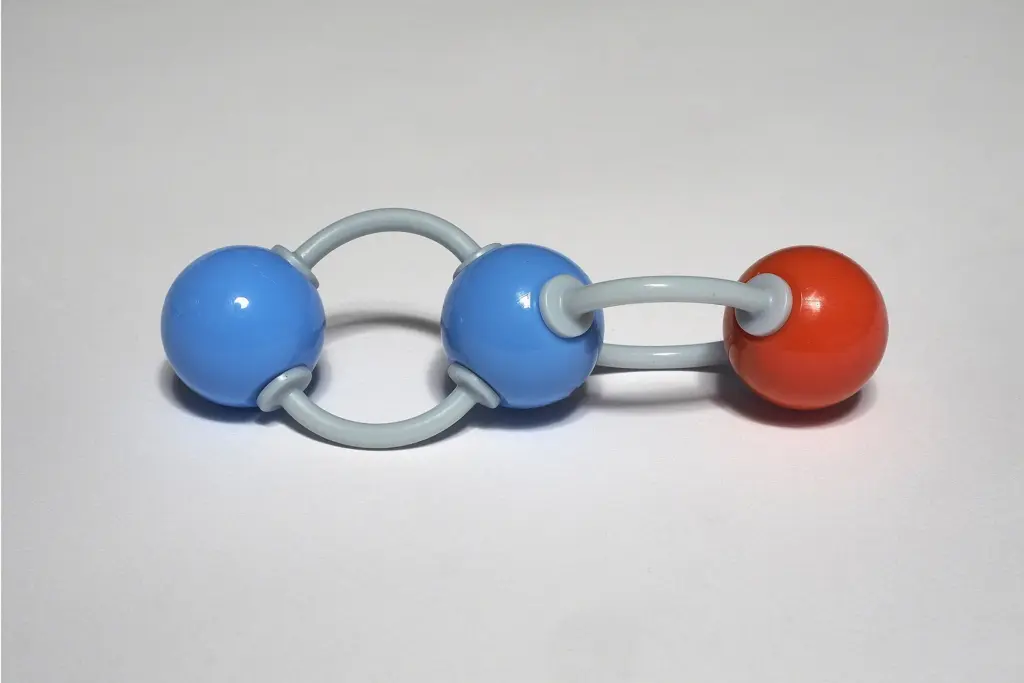
KIER reports catalysts for ammonia-fueled ship exhaust that target multiple pollutants at lower temperatures. Ljeto / Wikimedia Commons (CC BY-SA 4.0) The image above represents a molecular model of nitrous oxide (or dinitrogen monoxide, N₂O, popularly known as laughing gas), where the blue spheres indicate the nitrogen atoms and the red sphere indicates the oxygen atom.

Where the findings live for the record...The study’s findings are published in Applied Catalysis B: Environment and Energy. For readers who want the technical backbone, see “K‑Ni0.4Co2.6O4 spinel catalysts for low‑temperature catalytic decomposition of N2O: Effects of K on activity and NO/NH3 resistance” (https://doi.org/10.1016/j.apcatb.2026.127204).

Ammonia is widely regarded as a next-generation clean fuel for the shipping industry because it produces no direct carbon dioxide emissions when burned, and is relatively easy to transport and store. In practice, however, combustion in marine engines generates nitrogen oxides (NOx), nitrous oxide (N₂O) and unburned ammonia (NH₃). Nitrous oxide in particular is classified as a potent greenhouse gas, and failure to treat it adequately could undermine the carbon-reduction benefits of ammonia as a fuel.

Existing exhaust treatment systems for ships compound the problem. Diesel vessels are designed primarily to remove nitrogen oxides, but ammonia ships must also handle nitrous oxide and unburned ammonia. Installing separate catalysts and equipment for each pollutant would significantly increase space requirements, weight and cost.

The research team addressed the problem by developing a "hybrid catalyst" that simultaneously breaks down nitrogen oxides and unburned ammonia. A single catalyst layer removes both substances at roughly 99 percent efficiency, and the amount of catalyst required can be cut by up to half compared with conventional approaches.

Existing precious-metal-based catalysts for ammonia decomposition are expensive and can generate additional nitrogen oxides during the treatment process. The team's catalyst cuts costs by at least 80 percent compared with precious-metal alternatives.

The team also developed a separate technology for treating nitrous oxide. Their nitrous oxide decomposition catalyst operates at a temperature about 100 degrees Celsius lower than existing commercial catalysts, and can decompose more than 99 percent of nitrous oxide at 350 degrees Celsius — conditions similar to actual ship exhaust environments — without requiring a separate reducing agent.

The research team noted that both catalysts are compatible with exhaust treatment equipment already used on diesel ships, reducing the need for large-scale retrofits. Given the limited space aboard vessels, the technologies also offer advantages in terms of equipment miniaturization and weight reduction.

"This technology can simultaneously reduce multiple pollutants, which has been the biggest challenge for ammonia-fueled ships," Hwang said. "It reflects real-world demands for reduced installation space, lighter systems and improved maintenance efficiency."

She added that the institute plans to refine the technology through pilot demonstrations and support its commercialization to help South Korea's shipbuilding and shipping industries gain a competitive edge in the clean-vessel market.

The research was conducted as part of the Korea Institute of Energy Research's core program, and the findings were published in Applied Catalysis B: Environment and Energy, an international journal covering energy and environmental science.

A research team led by Dr. Sun-Mi Hwang, from the Clean Air Research Laboratory at the Korea Institute of Energy Research (KIER), has developed an innovative catalyst system capable of eliminating approximately 99% of the pollutants generated by the exhaust of ammonia-powered ships. The breakthrough, published in the scientific journal *Applied Catalysis B: Environment and Energy*, simultaneously removes harmful gases and greenhouse gases directly within marine engines, overcoming one of the major obstacles to the decarbonization of the shipping sector.

The challenge of ammonia as a fuel...Although ammonia is considered a promising fuel because it does not emit carbon dioxide (CO₂) when burned, its combustion generates highly polluting byproducts:

• Nitrogen oxides (NOₓ): Direct contributors to air pollution.

• Unburned ammonia ("ammonia slip"): A toxic substance that poses environmental and safety risks.

• Nitrous oxide (N₂O): A potent greenhouse gas with a global warming potential approximately 300 times greater than that of CO₂.

Previously, treating these gases required multiple separate systems, which significantly increased costs and took up valuable space on board.

How the new technology works...The advancement from KIER consists of an integrated approach based on two new catalysts:

1. An "all-in-one" hybrid catalyst: This decomposes nitrogen oxides (NOₓ) and unburned ammonia simultaneously within a single catalytic layer. It reduces the required amount of catalyst by up to 50% and is at least 80% cheaper than conventional alternatives made from noble metals (such as platinum). 

2. Low-temperature catalyst for N₂O: It decomposes nitrous oxide with an efficiency of over 99% without requiring external reducing agents. It operates at 350 °C (approximately 100 °C lower than traditional commercial catalysts), which aligns perfectly with the actual temperature of the exhaust gases exiting ship engines.


Korea Institute of Energy Research (KIER)


PRIORITY


Priority launches new off-road e-bike with solid 96 km of range and Gates Belt

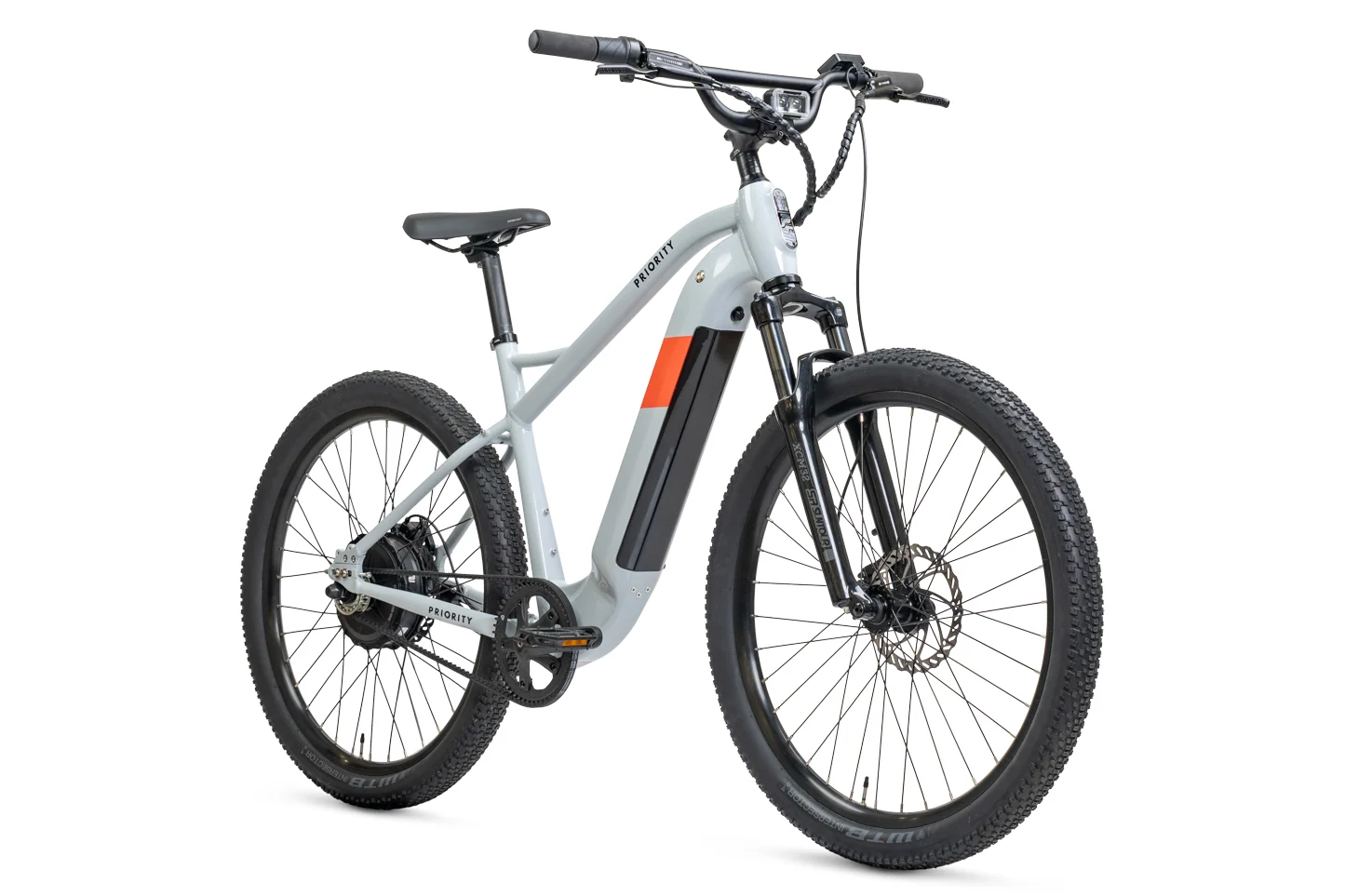
Priority has launched the electric version of the original Sauce bike. The company’s new E-Sauce electric bike features a 750 W rear-drive motor, a larger 720 Wh battery pack, and a low-maintenance Gates Belt Drive. Plus, it is said to offer 60 miles (96 km) of range on a single charge.

New York-based bicycle company, Priority, has released an electrified version of its classic Sauce bike, the E-Sauce. Priority combines a powerful motor, fat tires, and a large battery pack with E-Sauce, making it suitable for daily commuting as well as off-roading. Speaking of powered things, it is equipped with a 750 W rear hub motor, delivering a top speed of 28 mph (45 km/h) with pedal assist. It’s worth noting that the e-bike ships configured as class 2 with a 20 mph (32 km/h) speed limit. 

As for the battery, the company packs a 720 Wh removable battery into the E-Sauce, which is said to provide 60 miles (96 km) of range on a single charge. However, the real-life range of the e-bike depends on riders’ throttle use, elevation, assist level, terrain, and riding speed. It has a 6061 aluminum frame, which weighs around 59 lbs (26.7 kg) and is capable of handling a maximum payload of up to 300 lbs (136 kg), including rider, bicycle, and cargo. 

Furthermore, you get a fork developed with SR Suntour, including 100 mm travel. Stopping power comes from 2-piston hydraulic disc brakes with 180 mm rotors, front and rear, respectively. A Gates carbon belt drive replaces a conventional chain and is designed to reduce maintenance. The e-bike is compatible with a range of accessories, including Priority’s MIK-compatible rack for carrying panniers and cargo, and a new frame-mounted headway mount. 

The rest of the highlights of the E-Sauce include built-in IPX5-rated LED lighting, a taillight, 27.5 x 2.4” fat tires, a frame-mounted rear kickstand, and a backlit display that shows essential riding-related information such as 5 assist modes, a speedometer, trip distance, and an odometer. 

Available in small, medium, and larger size options, the Priority E-Sauce is priced at $2,199. Interested buyers can now purchase the e-bike directly from Priority’s official website. 


by Autonews

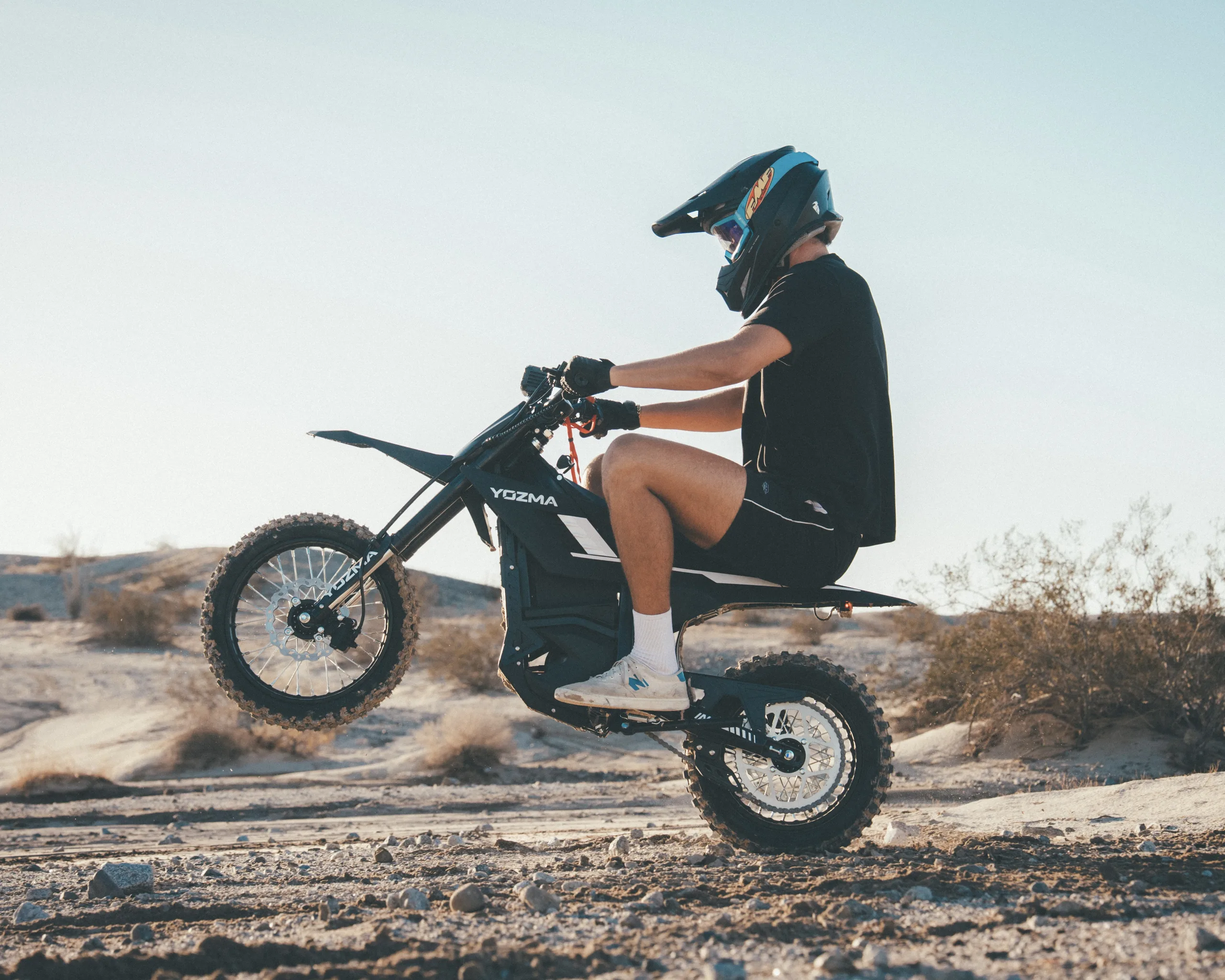
  YOZMA Yozma releases new off-road electric dirt bike with reverse gear and 88 km of range Yozma has launched the all-new IN 11 electric di...