segunda-feira, 27 de julho de 2026


AUTONEWS


Ultraprecise battery scan maps nanoscale electrode thickness variations to improve EV fire safety

A KAIST research team has developed a method capable of detecting minute variations in battery electrode thickness that can contribute to thermal runaway with a precision equivalent to approximately one ten-thousandth of the diameter of a human hair, all without disassembling or damaging the battery. The technology is expected to improve battery safety and quality by identifying invisible defects during the manufacturing process.

A research team led by professor Young-Jin Kim of the Department of Mechanical Engineering has developed a technology that measures the thickness of lithium-ion battery electrodes in a noncontact and nondestructive manner.

The study was led by Dr. Guseon Kang of the KAIST Department of Mechanical Engineering, currently with the Korea Institute of Industrial Technology, as the first author, with Kim serving as the corresponding author. The research findings were published in Nature Communications on June 10.

Why thickness uniformity is critical...The technology combines terahertz waves (electromagnetic waves in the spectral region between light and radio waves) with an optical frequency comb, which divides the frequency of light into evenly spaced intervals like the markings on a ruler and serves as a reference for ultra-precise measurements.

The electrodes in lithium-ion batteries, which are widely used in electric vehicles, are essential components through which electric current flows. Even a slight variation in electrode thickness can cause current to become concentrated in certain areas when charging and discharging, generating heat. If the heat continues to accumulate, it may lead to thermal runaway, a phenomenon in which a battery's internal temperature rises rapidly and can result in a fire or explosion. Maintaining uniform electrode thickness is therefore critically important during battery manufacturing.

Existing inspection technologies, however, have limitations when applied to production environments. X-ray computed tomography can provide detailed images of internal structures, but its relatively long inspection time makes it difficult to use on high-speed production lines. Ultrasonic acoustic microscopy requires direct contact with a liquid medium, while laser displacement sensors can perform rapid measurements but have difficulty precisely analyzing structures inside an electrode.

Combining terahertz with a frequency comb..The research team overcame these limitations by combining optical frequency comb and terahertz technologies. The researchers first directed terahertz waves at a battery electrode and collected signals generated as the waves were repeatedly reflected within the electrode. They then used an optical frequency comb as a reference to analyze the signals with exceptionally high precision and calculate the electrode thickness. This enabled nanometer-scale measurements of the electrode's internal structure without damaging the battery.

At the core of the technology is Fabry–Pérot interference, a regularly spaced interference pattern produced as terahertz waves repeatedly travel back and forth between the front and rear surfaces of an electrode. Much like measuring length by reading the markings on a ruler, the researchers precisely analyzed the interference pattern using the optical frequency comb as a reference to determine the electrode thickness.

As a result, the team successfully measured both the electrode thickness and its complex refractive index (a material's optical property indicating how strongly it transmits and absorbs electromagnetic waves) in a single measurement without requiring a separate calibration process.

Precision at production-line speeds...The researchers validated the technology using battery electrodes measuring between 50 and 150 micrometers in thickness, comparable to the diameter of a human hair. With a measurement time of just 0.2 seconds, the system detected thickness differences as small as 70.1 nanometers in the anode (approximately one fourteen-hundredth of the diameter of a human hair) and 465.5 nanometers in the cathode. This measurement speed is considered sufficient for use on rapidly moving battery production lines.

When the measurement time was increased to 25.6 seconds, the precision improved further. The system distinguished differences as small as 7.8 nanometers in the anode (approximately one ten-thousandth of the diameter of a human hair) and 25.2 nanometers in the cathode. This represents up to a 100-fold improvement in precision compared with conventional time-domain analysis methods, enabling the detection of thickness variations that are completely invisible to the naked eye.

The technology is not limited to measuring thickness at a single point. It can generate a three-dimensional map of thickness across an entire electrode and track gradual thickness variations in real time during production. The researchers also confirmed that the system could accurately measure an electrode tilted at an angle of approximately 45 degrees, demonstrating its potential for application to fast-moving, real-world battery manufacturing lines.

Extending quality control to future batteries...The study is significant because it presents a new inspection technology capable of identifying invisible microscopic defects during production without disassembling or damaging batteries. In addition to lithium-ion batteries, the technology is expected to serve as a key quality-control tool for manufacturing next-generation all-solid-state batteries, which use solid electrolytes instead of liquid electrolytes. By detecting defects at an early stage, the technology could improve battery safety and quality while enabling more stable manufacturing processes.

"This technology is an integrated metrology platform that can simultaneously measure electrode thickness and material properties without requiring a separate calibration process," said Kim. "We expect it to become a key technology for the real-time quality control of production lines for next-generation lithium-ion batteries and all-solid-state batteries."

A research team at KAIST (Korea Advanced Institute of Science and Technology) has developed an ultra-precise, non-destructive inspection technology capable of scanning battery electrodes for thickness variations as small as 7.8 nanometers. Published in Nature Communications, this breakthrough allows manufacturers to identify microscopic defects that lead to thermal runaway without disassembling or damaging the cells.

-Extreme precision: Detects variations equivalent to roughly one ten-thousandth of a human hair width.
-Non-destructive scanning: Measures internal variations entirely through a non-contact scanning method.
-Integrated metrology platform: Simultaneously analyzes electrode thickness and material properties without separate calibration.

Factory floor integration:
-High-speed application: Accurately measures components even when tilted at a 45-degree angle.
-Real-time QC: Perfect for fast-moving, real-world EV manufacturing lines.
-Future-proof tech: Directly applies to current lithium-ion units and next-generation all-solid-state batteries.

Why this matters for EV safety...Microscopic deviations in electrode thickness cause uneven current distribution during charging. Over time, these hot spots trigger local degradation, accelerate short circuits, and cause catastrophic EV battery fires. Catching these invisible defects on the production line significantly stabilizes production quality and prevents fire-prone batteries from ever hitting the road.

If you want, tell me if you are looking for information on:

-The specific optical/acoustic principles powering this scan
-How this impacts solid-state battery development timelines
-Other real-time inspection systems currently used by EV automakers

Provided by The Korea Advanced Institute of Science and Technology (KAIST)

domingo, 26 de julho de 2026


MERCEDES-BENZ


Decades after its launch in Brazil, the Sprinter now features an automatic transmission

Produced in Argentina, the automatic Sprinter utilizes the 9G-TRONIC transmission—a nine-speed gearbox already familiar from Mercedes-Benz passenger cars and adopted for the brand's commercial vehicles in other markets. In real-world use, the main benefit is smoothness. Gear changes are progressive, reducing physical strain on the driver and making driving less tiring in stop-and-go city traffic.

The vehicle retains the well-known OM654 2.0 turbodiesel engine, offering 163 hp and 40 kgfm of torque. It is not designed for sporty performance, but rather for low-end torque, predictability, and efficiency. The automatic transmission aids precisely in this regard: it keeps the engine within the optimal RPM range and eliminates the constant clutch work and gear shifting required on routes with frequent stops.

In practice, the automatic Sprinter becomes a more attractive option for fleet operators, executive transport companies, and delivery services. On urban routes, where drivers stop dozens of times a day, the automatic transmission offers greater comfort, reduced wear and tear, and a smoother driving experience. For passengers, the advantage is felt through smoother acceleration and fewer jerks, particularly in the passenger transport versions.

With proper use, the automatic transmission requires virtually no maintenance, whereas a manual clutch requires preventive replacement—a costly procedure for a vehicle of this size.

The automatic lineup is available in chassis, van, and passenger versions, expanding the range of options for various use cases. In total, the Sprinter range now comprises around 50 configurations, combining both manual and automatic options. Prices start at R$ 274,300 for the chassis-cab version and approach R$ 500,000 for long-wheelbase passenger configurations.

Launched in Brazil in 1997...The segment truly underwent a revolution that year with the arrival of the Sprinter—also a Mercedes and the successor to the MB180. It was a far more modern vehicle, imported from Argentina, where it was assembled using the CKD (Completely Knocked Down) method. As the first Mercedes model to bear a proper name (breaking away from the brand's typical alphanumeric naming convention) and having debuted in Europe just two years earlier in 1995, it stood out as the most modern and technologically advanced passenger van sold in Brazil. Its major rival, the Fiat Ducato, would not arrive until 1998 with a similar offering.

The model was initially unveiled in February 1997, with sales commencing in August of that year. The lineup featured three versions (Standard, Intermediate, and Luxury) and standard specifications that included front-wheel drive, rear leaf-spring suspension, power steering, ventilated front disc brakes, and a five-speed manual transmission. It was powered by a 2.5-liter, fuel-injected turbodiesel engine supplied by Maxion—the most powerful in its class—delivering 95 hp. Torque output was around 22 kgf-m.

It was by no means fast, but it got the job done across the available body styles: cargo van, passenger van (a minibus configuration seating up to 14 passengers), and chassis cab. The gross vehicle weight rating (GVWR) did not exceed 3,500 kg. On the other hand, it was far better equipped and more refined than its predecessor, the MB180; features included a cassette player, fog lights, air conditioning, power windows, mirrors, and locks, heated side mirrors, a rear window defogger, and an instrument cluster that included a tachometer and a digital odometer.

The interior automatic Sprinter 2026(image above) maintains a functional focus, featuring a good driving position, well-laid-out controls, storage compartments, and features tailored for professional use. The lineup has also seen significant upgrades in recent years, such as a multimedia system with voice control, lane-keeping assist, electronic brake-force distribution, and ABS brakes.

Another key factor for commercial customers is maintenance. The automatic Sprinter retains the same service intervals as the manual versions: 30,000 km for the 3.5-ton configurations and 20,000 km for the 4- and 5-ton versions. It comes with a two-year, unlimited-mileage warranty—an important feature for vehicles that cover high mileage.

Behind the wheel, the vehicle feels more refined. While the nine-speed transmission doesn't turn the Sprinter into a light vehicle, it makes the driving experience closer to that of a modern commercial vehicle. During maneuvers, acceleration, and heavy traffic, the system operates smoothly, allowing the driver to focus more on the route and less on mechanical operation.

Features like Auto Hold optimize brake maintenance and significantly improve overall comfort, especially when the vehicle is fully loaded.

The introduction of the automatic transmission also reflects a shift in the Brazilian market itself. The van segment has grown in recent years, driven by delivery services, passenger transport, specialized services, and motorhomes. In this context, comfort and reduced driver fatigue are no longer luxuries but have become key factors in the productivity equation.

Equipped with the modern 9G-TRONIC automatic transmission, the Sprinter was developed to deliver smoother, more precise gear shifts, enhancing both driving comfort and operational efficiency.

This advanced technology contributes to more consistent performance across various operating conditions, helping to avoid inefficient driving habits. The result is greater mechanical durability and increased operational productivity—essential attributes for those seeking daily reliability and performance.

With the arrival of the Automatic Sprinter on the Brazilian market, the Sprinter lineup solidifies its position as the most comprehensive in the segment, combining robustness, safety, and the brand's renowned reliability with even greater comfort and technology.

9G-TRONIC transmission...The 9G-TRONIC automatic transmission features nine gears, reducing engine RPM spikes, increasing gear-shifting agility, and improving vehicle performance during start-ups and across all driving conditions.

For the customer, this advanced technology translates into benefits such as:

• The 9G-TRONIC eliminates the need for a clutch by using a torque converter, which reduces component wear.

• Greater comfort in traffic and urban environments.

• Fluid driving dynamics, offering a safer and less fatiguing experience for the driver.

• Standardized driving behavior, providing fleet operators with greater cost predictability.

The Automatic Sprinter delivers a more comfortable driving experience—especially during urban operations or long shifts—while maintaining the high standards of quality, safety, and performance that set the benchmark in the category. It also reinforces the commitment to providing customers with modern, efficient solutions. In specific tests, the automatic transmission demonstrated a fuel consumption reduction of approximately 8% in urban driving and 5% on highways, though results may vary depending on load, driving style, and route conditions.


Autonews


FORD


Ford GTII analysis

First, since the road and race versions were developed in parallel, aerodynamics were crucial. As Jamal Hameedi, Ford Performance’s chief engineer, explains: “We wanted downforce, but it had to be efficient downforce—we didn’t want to pay a high price in terms of drag. That’s why we moved to a fixed seating position; it really allowed us to reduce the glass area and the frontal area.” So, you stay put in the cockpit while adjusting the pedals and steering wheel to your liking.

The compact, longitudinally mounted V6 engine sits close to the carbon-fiber structure's bulkhead, while the turbos feeding it are positioned further forward, beneath massive aerodynamic channels. The turbo intercoolers are located even further forward, within side structures that resemble a pod racer. Had the GT used a V8, it would have taken up more space and compromised the aerodynamics (not to mention adding weight). Just how much aerodynamics? How much downforce? Well, that is the one thing Ford won’t reveal, as it could allow rival teams to calculate the race version's downforce output.

Yet, you’ll find some form of aerodynamic device at every corner of the bodywork. The buttresses connecting the side structures to the central fuselage form a wing profile (they are also hollow, channeling intake air to the engine—a fascinating detail); the taillights are hollow to vent air from the intercoolers; and there is an underbody diffuser, a splitter, a flat undertray, and an active rear wing. As Hameedi points out, “You’d never have an opening unless it was feeding an intercooler.”

How strange would it be if this cutting-edge aerodynamic engineering were paired with a powerful, classic V8 engine? Well, it features an all-aluminum, dry-sump 3,497 cc V6 engine that develops 647 hp at 6,250 rpm and 746 Nm of torque at 5,900 rpm, sending all that power to the rear wheels via a seven-speed dual-clutch transmission. It uses a double-wishbone suspension setup at all four corners, featuring inboard spring/damper units. Braking is handled by carbon-ceramic discs—with six-piston Brembo calipers up front clamping 394 mm discs (and four-piston calipers on the 360 ​​mm rear discs)—and the steering is hydraulic rather than electric.

And then there’s Track Mode. Turn a knurled dial on the steering wheel to the "T" position, confirm with another button press, and the GT instantly drops by 50 mm. It’s as if the underside of the GT turns into a suction cup. It has a dry weight of 3,000 pounds, which likely means it weighs close to 1,500 kg when fully fueled and serviced. That makes it not much lighter than an Audi R8 V10 Plus, whereas a McLaren 675LT has a dry weight of 1,230 kg...

It is a sensational car to drive. Always agile, it is wonderfully balanced, precise, stable, and rewarding. It’s also thrilling. This isn't one of those relentlessly efficient cars that cares too much about lap times to be fun. Instead, it draws you into its world. It is joyful, exuberant, friendly enough to appeal to the less experienced, and capable enough to fascinate seasoned drivers.

No, the engine isn't particularly charismatic or exciting to use, but the power it delivers is undeniable. Just be aware that you’ll experience the thrill through touch, not sound. And if it didn't have this engine—if it had a V8—the design would be different, and the GT wouldn't have its unique edge. Because the aerodynamics, the buttresses, and those extravagant channels aren't just about instant visual recognition; they allow this car to carve out its own niche in the market. It is a fascinating machine.


Autonews


DOSSIER


AUTONEWS


Farnborough Airshow

From hybrid planes to new engines to long, slender wings, the aerospace industry is laser-focused on designing more efficient aircraft. 

At the Farnborough Airshow, this year’s version of the aerospace industry’s marquee trade event that alternates between London and Paris, the future of flight dominated the conversation this week.

The industry is always looking to reduce the amount of fuel needed to power its aircraft, both to reduce greenhouse gas pollution and to save on fuel costs. But this year saw a wave of optimism that these technologies, as well as an entirely new aircraft, could be coming soon. 

Demand is high across all segments of the aerospace industry — commercial, defense, space and private jets, as well as maintenance, repair and replacement parts. And, on the commercial side, major manufacturers and their suppliers say they are ready to ramp up.

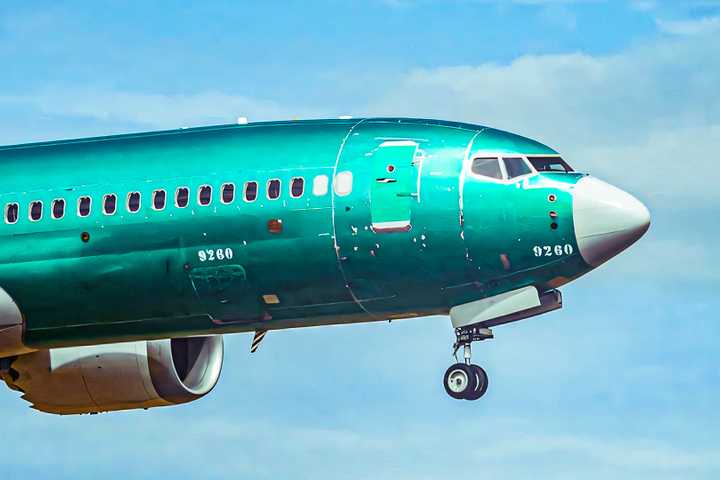
That cautious optimism took hold last year, as Boeing showed promising signs that it was ready to increase production of its most popular and most lucrative plane, the 737 MAX, and solidified into real confidence this year, air show attendees and analysts said after the first days of the weeklong trade show. 

Analysts from Morgan Stanley wrote in a note to investors that the industry’s “upcycle remains in its early innings,” and companies are “investing for sustained growth rather than preparing for a cyclical slowdown.” 

Analysts from RBC Capital opened their optimistic note to investors with the warning that “we have been down this path before,” only to be disappointed later, but admitted that this year “the industry has more confidence” and appears to have fewer risks lurking in the background. 

Stephanie Pope, head of Boeing Commercial Airplanes, told reporters just ahead of the air show, which concludes Friday, that the manufacturer had stabilized its operations, after two years of internal review following a catastrophic 2024, and is now ready to think about optimizing. 

All of that optimism freed attention to turn toward the next entirely new, “clean-sheet” airplane, something neither Boeing nor Airbus have undertaken in nearly three decades. Boeing CEO Kelly Ortberg shifted his tone from just a few weeks earlier, telling some reporters this week he expects the company will have the financial stability to introduce its new program in the next few years. 

Airbus CEO Guillaume Faury doubled down on his expectation that Airbus will launch its next narrowbody program by 2030. 

“We’re not there yet, we are maturing the technologies, but we have a road map,” he told reporters Tuesday.   

Lars Wagner, head of commercial aircraft for Airbus, described the process as a “push and pull.” Airbus is targeting 2030 but it also has to wait until the technology — like engines and digital architecture — that will make it a next-generation plane is ready. 

“If you want to launch such a game-changing product, you have to lay down some bricks,” he said. 

Airbus and Boeing secured just over 300 orders at this year’s air show, slightly above the order count at last year’s Paris air show and 30% higher than the tally at the 2024 Farnborough Airshow, according to aerospace analysts Vertical Research Partners. 

In 2024, Boeing was still reeling from a midair fuselage panel blowout that January and knew its Machinists union in the Puget Sound area, where it builds the majority of its commercial airplanes, was poised to strike later that year. 

This year, Boeing beat Airbus on the orders front, announcing 169 orders to Airbus’ 140. Brazilian manufacturer Embraer secured 58 orders. 

At Farnborough, the companies often marked order announcements with some fanfare and a signing ceremony in one of the temporary “chalets” that popped up around a usually quiet airport. The suburban English town filled with businesspeople clad in suits, cramming into four pavilions full of companies showing off their latest products between meetings with potential customers.

Heading into the show, Airbus was outpacing Boeing on yearly orders, with Airbus reporting 821 net orders from January through the end of June and Boeing reporting 386 net orders after cancellations and adjustments for accounting principles. 

Of the orders placed during the air show, aircraft lessor SMBC Aviation Capital made the largest commitment, ordering 100 narrowbody planes from Boeing and Airbus each. 

Boeing’s 777X program took the biggest hit during the show. The plane-maker said it had last year scrapped one of its first planes due to the amount of repair needed to incorporate design changes after a lengthy certification process. 

Then Tim Clark, president of Gulf carrier Emirates, said the airline wouldn’t accept the first 10 777X planes slated for delivery because of that rework, though he added he felt Boeing was now back on track with the long delayed aircraft family and its overall manufacturing philosophy. 

The next day, engine maker Rolls-Royce revealed that Airbus is considering a 777X rival by stretching its current widebody A350, according to media reports. 

Companies and suppliers vehemently highlighted one problem they do not have: demand. 

Whether the supply chain, which includes a global network of parts makers, can keep up is another question. 

“We’re not in an arena where we don’t have demand; we’re in an arena where we have to keep focused on how do we get better at what we do,” said Chris Raymond, the head of Boeing’s Global Services Division, which provides maintenance and aftermarket support to customers.

Pope, Boeing’s head of commercial airplanes, told reporters its supply chain “is still a little bit volatile,” though it is seeing improvement. 

Boeing and its suppliers face the same problems, Pope said, so Boeing has been working to incorporate the changes to its supply chain it has made over the two years since the 2024 midair fuselage blowout. 

“In many cases, we’re sending experts in to partner and help with them,” Pope said. “That’s something we’re going to have to continue to monitor.”

In a different corner of the industry, RTX’s senior vice president for supply chain Sarfraz Nawaz said at a supply chain-focused panel that companies earlier in the production cycle are lagging behind the industry’s recovery. RTX is a Virginia-based conglomerate that includes Pratt & Whitney, Raytheon and Collins Aerospace. 

Nawaz was referring to what’s known as second- and third-tier suppliers, companies serving companies who then make materials and products for major manufacturers like Boeing and Airbus. 

Those suppliers are struggling to find talented workers and financing to scale up. A slow regulatory process to bring new suppliers on board to fill those gaps is also standing in the way, as are ever-changing geopolitics, from the pandemic to tariffs to the war in Iran.

“Every six months something else is happening,” Nawaz said. “Even though one (challenge) goes away, something else will come up and take its place.” 

Boeing is looking at ways to add redundancy to its supply chain and ensure it doesn’t have a single source for crucial parts and components, in case something goes awry, William Ampofo, a senior vice president for the Global Services Division, said at the panel.

The pandemic limited redundancy in Boeing’s supply chain, Ampofo said. Now, it’s setting up a “heat map” to spot areas of concern before a problem develops. 

In Washington state, home to more than 1,500 aerospace-related companies according to the state’s Commerce Department, suppliers are seeing the increased demand — and that translated to a very successful air show. 

“If you have capacity, somebody wants it,” said Elizabeth Brane, a vice president with aerostructures company Aernnova and board chair for the Pacific Northwest Aerospace Alliance.

Gretchen Reimbold, chief operating officer for Washington-based Mid-Mountain Materials, shared the optimism, speaking at Washington state’s booth during a cheerful happy hour at the end of the third day of the show.

“The aerospace community,” she said, “is rebounding.”

Boeing, opens new tab ​edged Airbus, opens new tab in a subdued series of order announcements at the Farnborough Airshow this week, as the global aerospace industry ‌focuses on fixing lingering supply constraints and catching up on record order backlogs.

The deals — worth tens of billions of dollars — were in line with expectations within the industry for just over 300 orders, reported by Reuters ahead of the event, but fell short of some bullish external forecasts reaching as high as 800 aircraft.

The once-addictive buzz surrounding orders ​at air shows has been fading in recent years as planemakers avoid giving jarring messages at a time when they are ​struggling industrially, and as airlines digest a record number of aircraft still on order.

"I didn't have high expectations of ⁠big commercial orders at the show, not particularly because of the current macro or geopolitical climate, but because a lot of large orders ​are already out there," airline analyst John Strickland said.

Boeing announced firm and preliminary orders for 173 aircraft, helped by a mix of narrowbody ​and widebody deals, while its European rival announced 154 firm and provisional orders, for a total of 327, according to a Reuters tally.

After excluding deals already in manufacturer order books without the buyer initially being named — including Boeing's half of a big lessor order — the overall tally was 218 aircraft.

That's up slightly on the previous Farnborough ​event in 2024, but well below the 2018 cyclical peak of 1,109 orders for the two dominant manufacturers.

Following years of supply-chain disruptions, labour ​shortages and manufacturing setbacks, Airbus and Boeing have amassed order books stretching well into the next decade.

With manufacturers focused on increasing output and airlines facing long ‌waits for ⁠new jets, air shows are generating fewer headline-grabbing orders and even planes than in the past.

"Demand is not the issue," Boeing Commercial Airplanes CEO Stephanie Pope told reporters on the eve of the show.

Airbus showed off its A350-1000 as it considers stretching the jet to counter Boeing's delayed 777X.

Boeing did not bring any of its major commercial variants, three of which are in the process of being certified.

The ​week's biggest commercial deal came from ​the world's second-largest lessor SMBC ⁠Aviation, which split an order for 200 single-aisle jets evenly between the two main planemakers, buying 100 Boeing 737 MAX and 100 Airbus A320neo-family jets.

The deal underscored still-strong demand for narrowbody aircraft, the workhorses of short- ​and medium-haul travel, despite scarce delivery slots and supplier bottlenecks.

Other deals included continued demand for widebody jets, ​with Riyadh Air and Philippine ⁠Airlines shopping at both manufacturers and leasing giant AerCap buying more Boeing 787s.

Away from the main aircraft stands, a key feature of the show was a record order for more than 1,000 LEAP-1A engines from CFM International to ⁠power 500 ​previously ordered Airbus jets.

A previous aircraft order boom stoked in part by low interest ​rates has placed high industrial demands on the engine industry, leading to parts shortages and maintenance delays.

Both CFM and Pratt & Whitney, the main supplier affected, said the industrial situation was ​improving steadily.

sábado, 25 de julho de 2026


SUZUKI


Suzuki eVITARA for 265 euros per month

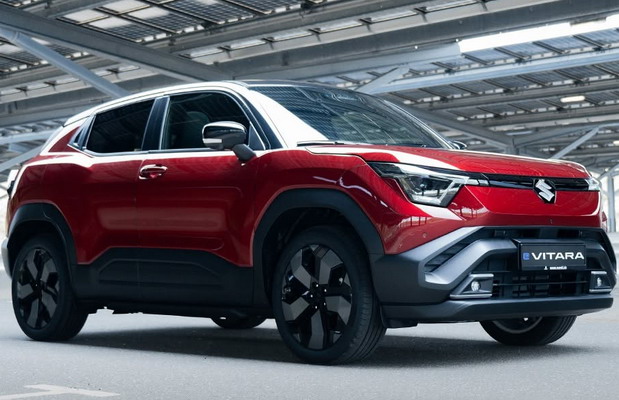
The Suzuki eVITARA is the first fully electric SUV in the brand's history and brings a combination of advanced technology, SUV practicality and reliability for which Suzuki is recognized worldwide.

Up front, the headlights stand out with their LED technology and highly modern look. It is worth noting that the e-Vitara shares the same platform and bodywork as the Toyota Urban Cruiser; the two models also share the same electrical system and are assembled in India.

In profile, the SUV has a muscular appearance with large wheel arches housing 19-inch alloy wheels on the top-of-the-line variant.

The entry-level version of the 2026 Suzuki Vitara features a front-mounted electric motor delivering 144 hp and front-wheel drive. The mid-range version offers 174 hp. Finally, the top-of-the-line model features dual motors producing 184 hp and all-wheel drive.

Despite being a "mass-market" SUV, the electric 2026 Suzuki Vitara boasts a premium interior finish, featuring a leather-clad dashboard and Piano Black accents.

The equipment list is also impressive; the e-Vitara comes standard with a multimedia system and a digital instrument cluster—both featuring 12-inch screens—as well as a wireless smartphone charger, digital climate control, an electronic parking brake, a 360-degree camera system, six airbags, and a comprehensive ADAS package that includes adaptive cruise control (ACC), autonomous braking, and lane-keeping assist.

Produced in India...Although it is a Japanese brand, Suzuki currently operates its main factory in India through a partnership with the local brand Maruti. The new 2026 e-Vitara is sold in markets ranging from Europe to Japan, with production based in Gujarat, India—on the same assembly line as its twin, the Toyota Urban Cruiser.

Developed on the brand-new HEARTECT-e platform, the eVITARA was designed from the very beginning as an electric vehicle. The lightweight and rigid construction ensures excellent stability, safety and efficiency, while batteries with a capacity of up to 61 kWh provide a range ready for everyday duties, but also longer trips.

The interior is dominated by a modern digital cockpit with large integrated screens that unite all the most important functions of the vehicle. The modern cabin design, high level of comfort and quality materials create a pleasant environment for the driver and passengers, while advanced connectivity and intuitive control bring a completely new driving experience.

Suzuki has transferred its many years of experience in all-wheel drive to the electric era through the ALLGRIP-e system with two electric motors, which provides additional safety, traction and stability in all driving conditions. Thanks to improved NVH optimization, noise and vibration are minimized, so the eVITARA provides an exceptionally quiet, smooth and premium ride.

The compact exterior makes it easy to use in the city, while the spacious cabin and SUV character provide comfort and functionality for the whole family.

The promotion for the all-new Suzuki e Vitara at €265 per month refers to a financing offer available through official dealerships like Euro Sumar - Suzuki Sérvia- Vojislava Ilića 145 Niš, highway, Belgrade 11000, Serbia

Offer breakdown starting:

Cash price: From €26,250 (this calculation includes a standard €5,000 state eco-subvention for electric vehicles).

Down payment: A mandatory initial deposit of €7,875 is required to lock in this specific monthly tier.

Monthly Installment: €265 per month.

Warranty Included: Covered by the Suzuki Pro Warranty for up to 10 years or 200,000 km.

The price of the eVITARA starts at €26,250 (including a €5,000 state subsidy for electric vehicles)

Pay €7,875 and drive the eVITARA for €265 per month.

* The Suzuki eVITARA is now available at the Euro Sumar showroom, at Vojislava Ilića 145.

* Suzuki Pro Warranty up to 10 years or 200,000 km. 


Autonews


TOYOTA


2027 Toyota Tundra

Toyota is introducing an updated Tundra for the 2027 model year, giving its pickup truck a more purposeful exterior design, upgraded in-vehicle technology and a new Trailhunter package aimed at drivers looking for factory-installed off-road capabilities.

The refreshed Tundra gets a redesigned front end courtesy of Toyota’s North American teams, including CALTY Design Research in Michigan. Its styling features a more squared-off front profile, a wider stance, rectangular fog lights and a new hexagonal grille treatment tailored to different trim levels. Toyota says the changes are intended to give the truck a more modern and refined look without straying from the rugged character associated with the Tundra. One of the most notable additions is the Trailhunter package, which will be offered on the SR5 trim level. Designed as a more affordable, adventure-ready option, the package includes Michelin LTX Trail all-terrain tires, 18-inch bronze wheels and an upgraded suspension.

Also included are front tow hooks, additional underbody protection, and exclusive Trailhunter badging.

The Trailhunter package adds several off-road electronic systems to complement its mechanical enhancements. These include Multi-Terrain Select, Crawl Control, and a rear differential lock, which are designed to improve traction and vehicle control on rough terrain. Together, the equipment positions the package as a factory-developed choice for buyers interested in trail driving and camping without upgrading to the more specialized TRD Pro trim level.

The technology inside the truck also gets a significant update. Every 2027 Tundra comes with a standard 14-inch display powered by Toyota’s latest audio-visual system. The new interface uses a smartphone-style layout with customizable widgets, faster responses to “Hey Toyota” voice commands, and available AT&T 5G connectivity.

A built-in dash cam will also be standard. When activated, the system uses the truck’s exterior cameras to record 20-second video clips during manually selected or automatically triggered events. Enhanced digital key functionality will allow compatible smartphones to lock, unlock, start and control the vehicle via supported apps.

Other enhancements include a grille-mounted LED light bar, available RIGID fog lights and optional front tow hooks.

Toyota will continue to offer the Tundra with twin-turbo V6 gasoline and i-FORCE MAX hybrid powertrains. The 2027 lineup will include SR, SR5, Limited, Platinum, 1794 Edition, TRD Pro and Capstone trim levels, with Trailhunter available as a package rather than a separate trim level.

Safety equipment will include Toyota Safety Sense 4.0 as standard. The package offers features such as pedestrian detection assist, adaptive cruise control, lane departure warning with steering assist, lane keeping assist, automatic high beams, traffic sign recognition, and proactive driver assistance.

Toyota has not yet released full specifications or pricing for the updated pickup truck. Additional information about the 2027 Tundra is expected to be released in the fall of this year.


Autonews


AUTONEWS


Tracking a flight path to a green aviation future

An Adelaide University-led study has mapped out a route to advance the commercial aviation industry towards a net-zero emissions future, powered by green hydrogen.

Aviation is one of the fastest growing producers of greenhouse gas emissions,  generating around 14% of transport emissions – second to road transport. It is also one of the world's hardest-to-decarbonise industries. Unlike conventional jet fuel, hydrogen produces no direct carbon dioxide emissions during operation and, when generated from renewable energy sources, has the potential to transform the sector.

The comprehensive research, undertaken in collaboration with Hong Kong Polytechnic University, analysed 138 international studies published between 2015 and 2025 to consolidate how far the production of green hydrogen has progressed, and understand what’s needed to see it become commercially viable as a jet fuel solution.

Adelaide University PhD candidate Zahra Jaffary, lead author of the study, said green hydrogen is a viable technology but there are significant uncertainties around its feasibility, deployment and broader sector implications.

“Our research identified the current research trends and the immediate priorities that are needed to fill the gaps in understanding,” Jaffary said.

“There is a need for airport-specific case studies to assess hydrogen infrastructure needs, comparing onsite, offsite and hybrid supply chain models.

“We also need to urgently understand the future demand for fuel at airports, including spatial constraints and what refuelling systems could look like.

“And we need to identify the policy frameworks and regulatory measures needed to enable a successful transition to hydrogen power at the airport level.

"Additionally, hydrogen introduces safety considerations. Its wide flammability range, low ignition energy and need for careful handling require revised systems including design standards, leak detection and operational procedures for both aircraft and airport environments." 

With airport operators set to play a pivotal role in a hydrogen transition, detailed knowledge is essential to inform the significant decisions and investments required, and long-term planning should start soon.

“Much effort is focused on improving the cost and efficiencies of hydrogen production,” Jaffary said.

“Our research has identified what else we need to know, implement and cost in order to make hydrogen jet fuel a reality, particularly given the long lead times for investment and infrastructure development.”  

Co-researcher, Adelaide University’s Professor Shane Zhang, said the report’s findings highlight the need for government intervention and incentives to reduce the growing environmental impact of the sector.

“Without clear signals from airlines and governments, airports have little commercial incentive to invest in costly hydrogen infrastructure,” Professor Zhang said.

“Targeted policies, incentives and regulatory frameworks will be essential to provide certainty for investment and accelerate the adoption of clean hydrogen fuel.

Australia has an incredible opportunity to become a leader in a future hydrogen aviation economy given its abundant renewable energy resources and green hydrogen ambitions, and we need to start getting the ducks in a row.”

Green flight paths could unlock sustainable aviation...‘Green flight paths’ between key global locations could help to fast-track fully decarbonised aviation, according to research funded by IDRIC and led by an international team based at Heriot-Watt University and the American University of Sharjah in the United Arab Emirates.

The research, published in the Royal Society of Chemistry’s top international journal, Energy and Environmental Science, recommends that a small number of long-haul flights with high passenger volumes, such as London to Dubai, could be used to establish these green flight paths by demonstrating and reporting on sustainable aviation fuels (SAF).

SAF are non-petroleum-based fuels that emit significantly fewer greenhouse gas emissions than traditional fossil-based jet fuels.

Dubai and London Heathrow airports are two of the busiest airports in the world and the first and second highest ranked in the world terms of CO₂ emissions from international flights, as well as total international passengers. London Heathrow is already a world leader in SAF ambition and is working towards a target of incorporating 11% of SAF into its overall fuel usage by 2030.

SAF is compatible with existing aviation fuel systems and can be used in current aircraft engines and infrastructure without requiring any modifications. This makes SAF easier to implement since airlines can use it with their current fleets, the study noted.

The green flight paths would encourage the “dedicated large-scale investment” needed to encourage the worldwide adoption of SAF.

Professor Steve Griffiths, Vice Chancellor for Research at the American University of Sharjah, is a sustainable energy expert and lead author of the paper. He said: “The UAE and UK are both highly dependent on long-haul flights, so have a compelling opportunity to lead the establishment of green flight paths, to demonstrate and deploy sustainable aviation fuels. Establishing green flight paths has the potential to not only drive decarbonisation of the aviation sector, but also lead to international cooperation for the development of SAF, and the related clean technologies needed to achieve net-zero by 2050 on a global scale.”

Professor John Andresen, Associate Director of the Research Centre for Carbon Solutions (RCCS) at our University, co-authored the paper and is a chemical engineer with an expertise in fuel processing technology. He said: “The concept of green flight paths is inspired by green shipping corridors, which are paving the way for net-zero shipping. A similar framework for prioritising long-haul flight segments is becoming increasingly urgent, to drive the global production and use of net-zero SAF technologies.”

Currently, widely available sustainable flights are a long way from being a reality. SAF provide a potential route to changing this. Since the chemical and physical characteristics of SAF are almost identical to conventional fuels, they can be safely mixed. However, figures from 2022 show SAF production is way off track, currently sitting at 0.1% of the 2050 net zero goal that has been set by the international community.

There are a number of reasons for this lack of progress, many of which are economic, the researchers explain. SAF production is costly and in its infancy, so significant investment is needed to de-risk and reduce the costs of production. Unlocking investment is key to developing the scalable solutions that will lead to much wider uptake of SAFs.

Targeting a small number of high-volume, long-haul routes would demonstrate the economic viability of the green flight path model because it would speed up the development of commercially viable SAF supply chains, the researchers say. These targeted global locations often lie geographically close to industry clusters already working towards decarbonisation.

Coupling plans for green flight paths with the growing agenda for decarbonising whole clusters of the economy – for example, industry or transport – offers the opportunity to tackle challenges in a coordinated, holistic way, the researchers add.

The research paper also makes a strong case for the ‘climate justice’ of green flight paths. This is because only about 10% of the world’s population currently take flights, so green flight paths rightly place the onus on countries benefiting the most from aviation to develop solutions to make it sustainable. Solutions that can be scaled will also become increasingly important as worldwide incomes rise, along with a likely increase in demand for flights.

Adelaide University

  AUTONEWS China effect: BMW to cut ‘as many as 8,000 jobs’ BMW is planning to cut as many as 8,000 jobs in Germany, according to reports, i...