HONDA
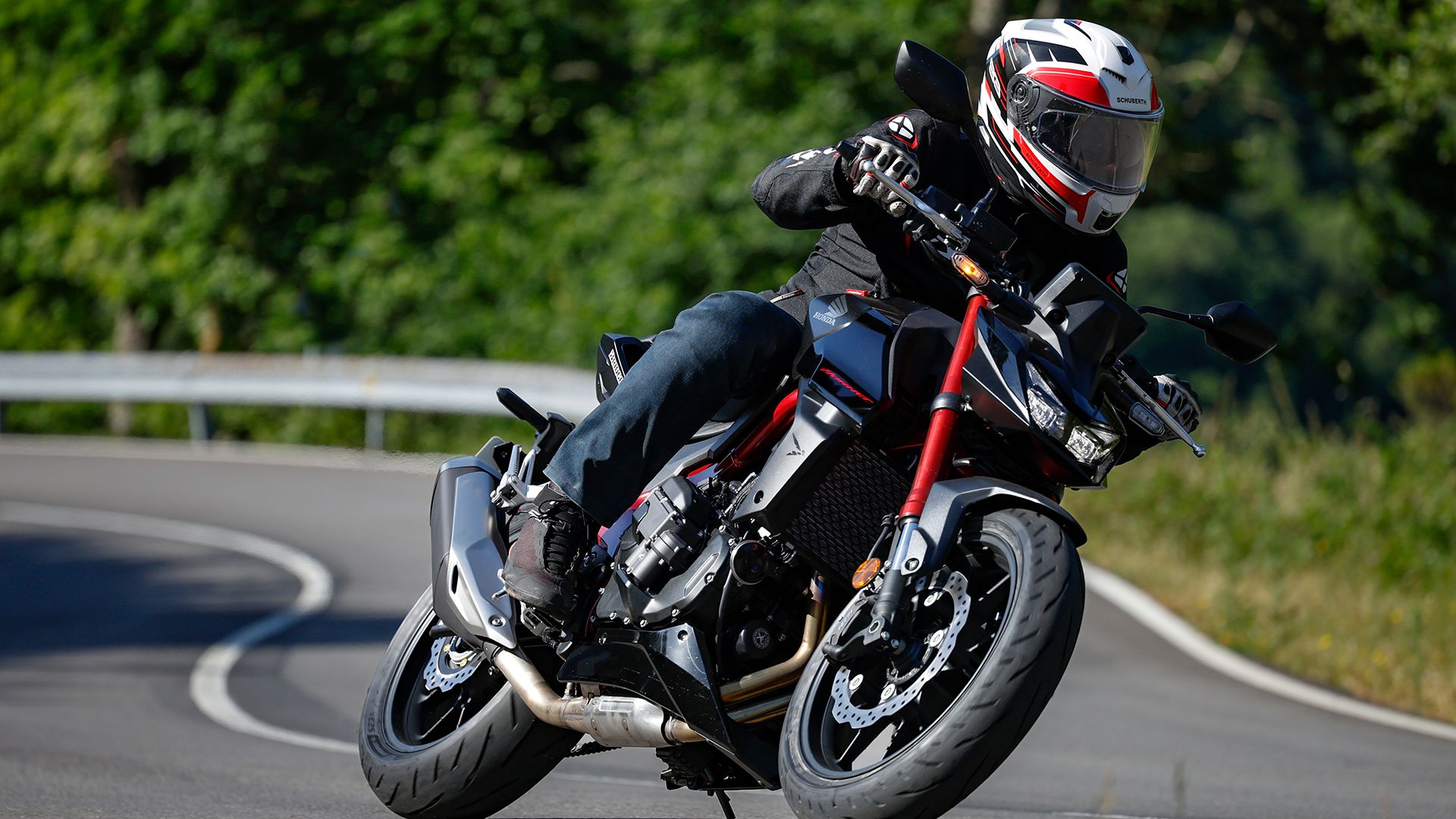
The new Honda CB750 Hornet is now even more technologically advanced
The Honda CB750 Hornet—whose technical specifications can be found at this link—delivers over 90 hp and offers performance that is more than sufficient for the road, even allowing for a sporty riding style. Honda conceived the launch of this middleweight Hornet as a break from the segment's established norms, offering a motorcycle that was both more powerful and more accessible; its success was immediate.
The key to this success was a new-generation engine featuring advanced performance and electronics—yet simple mechanics—paired with a chassis free of excess, both in terms of architecture and components. Details such as the single-overhead-cam (SOHC) valvetrain, a tubular steel frame that uses the engine as a structural element for rigidity, and a narrow rear wheel with a 160mm tire demonstrate the effort to keep costs down without sacrificing performance or effectiveness.
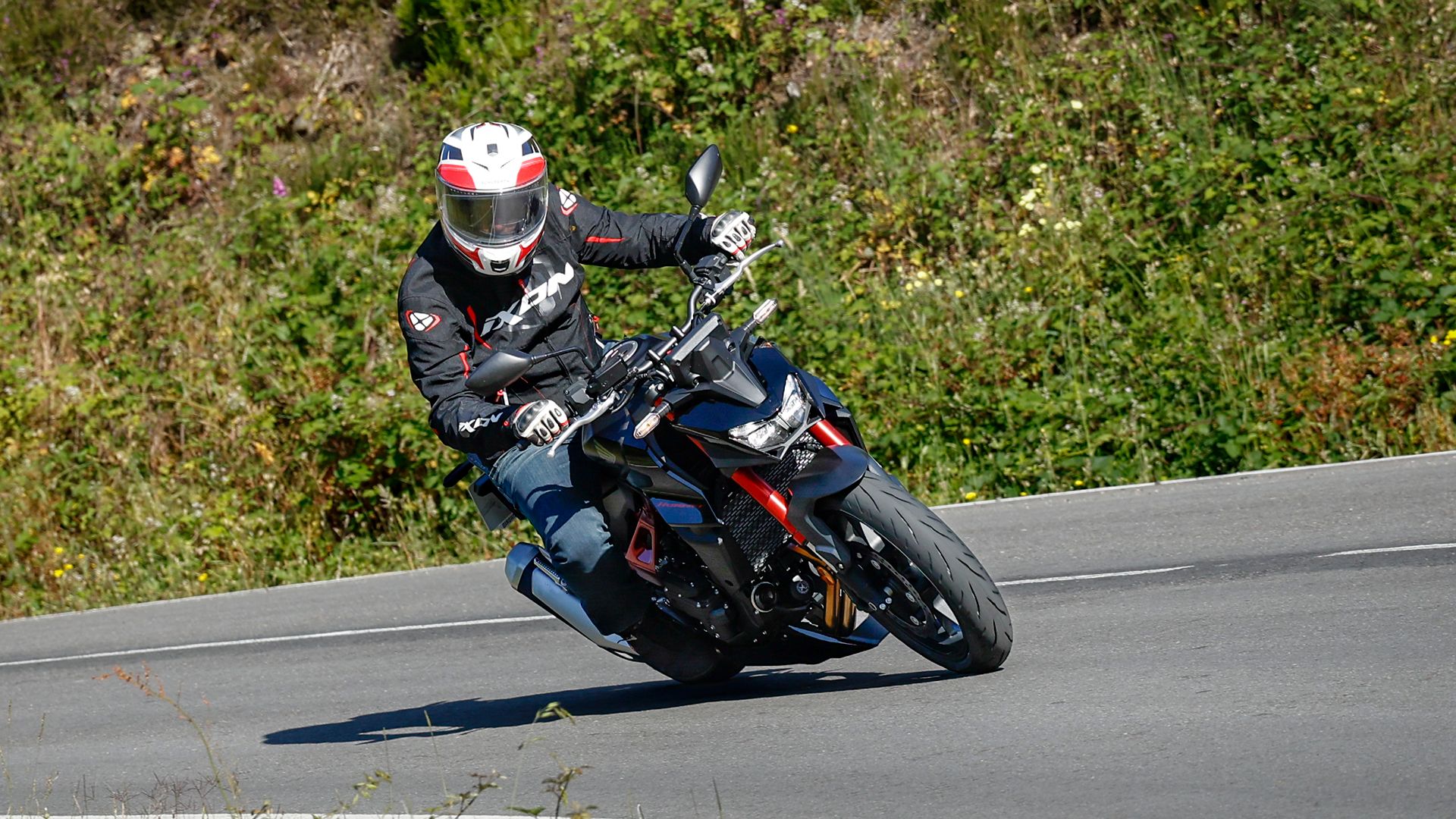
The latest technological update is the electronic clutch system (E-Clutch), introduced last year on the 650 series and now extended to the CB500 and CB750 Hornets, as well as other models like the Transalp. This electronically controlled mechanism engages the clutch automatically. It allows the rider to start moving, shift gears, and even stop the motorcycle without using the clutch lever, which remains in place. Gear changes are still performed using the foot pedal.
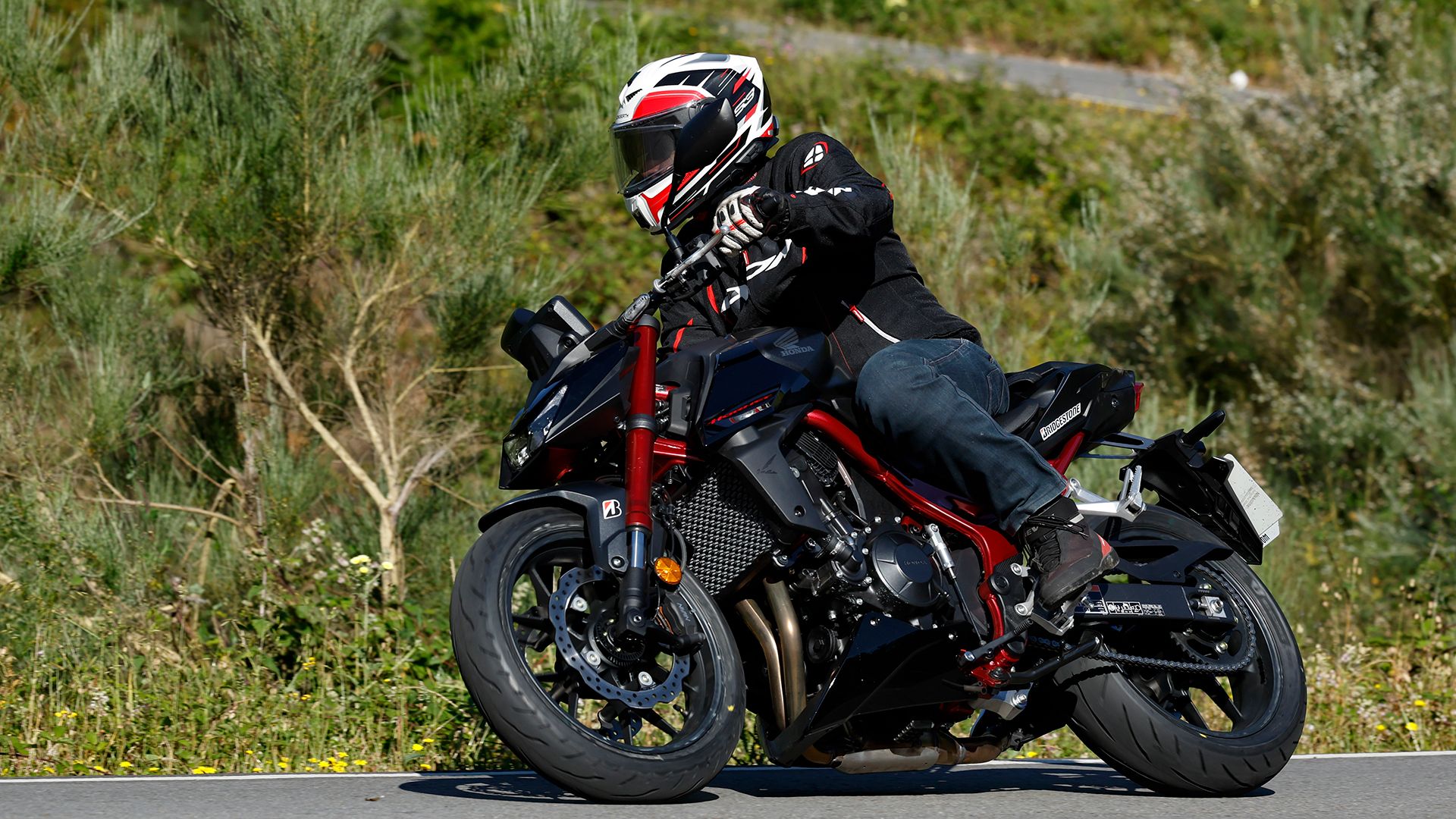
The Hornet had already undergone some changes compared to the initial model, though these were relatively minor: a new LED headlight assembly; a left-hand handlebar switch featuring a joystick-style control to facilitate navigation of the digital display and instrument panel menus; and, finally, modifications required to meet Euro 5+ standards, primarily regarding fuel injection. In terms of electronics, it remains very well-equipped; beyond traction control, engine braking control, and wheelie control, these features can be adjusted and saved into two custom modes to suit different conditions. In the middleweight naked bike segment—where most competitors are models that have been around for years—an electronic system of this caliber is not exactly common.
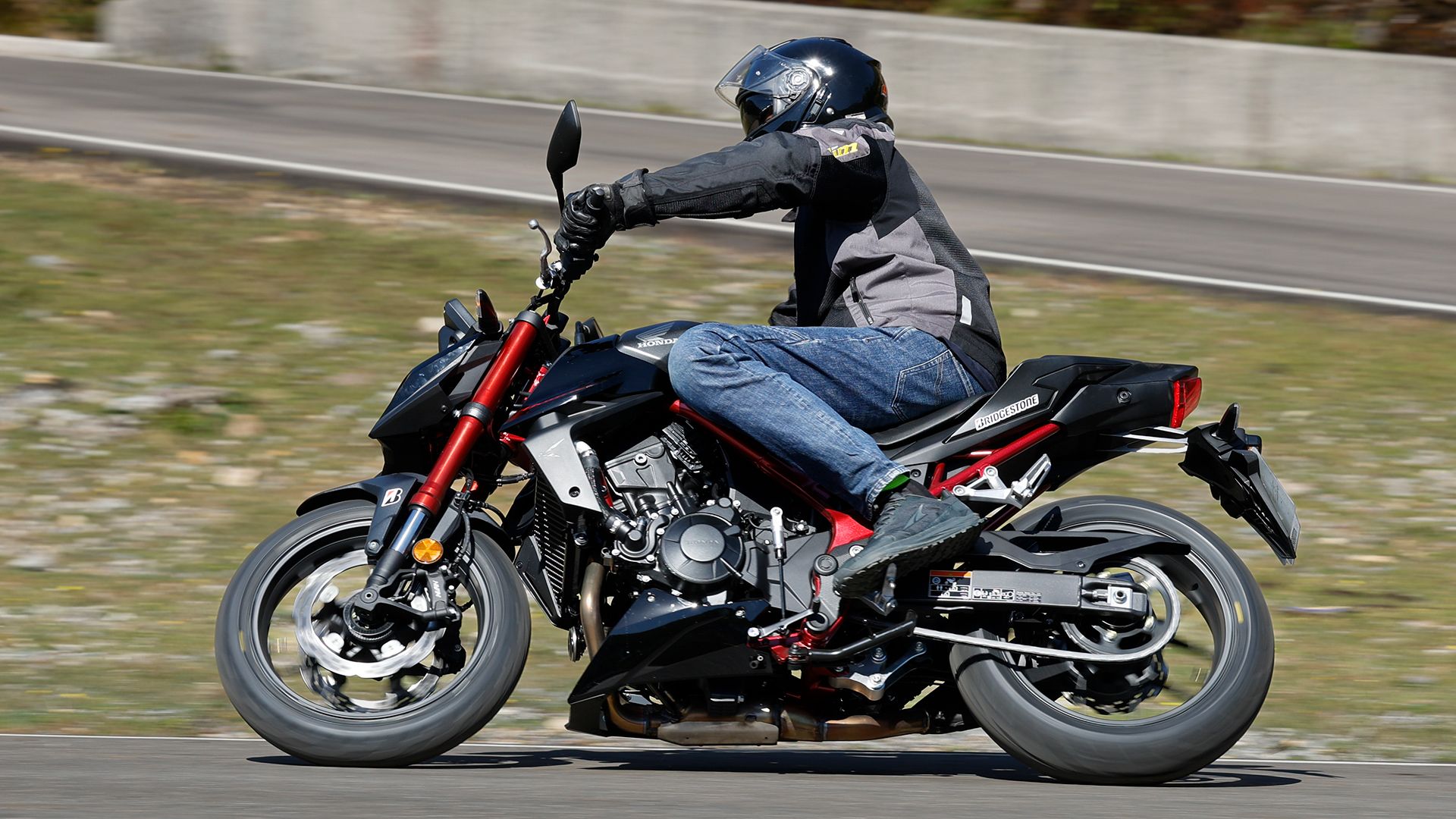
The CB750 Hornet boasts a truly remarkable engine with excellent power and responsiveness, especially for its class, where bikes typically offer lower performance. However, its performance could be enhanced with shorter gearing. In sixth gear, the CB750 is capable of reaching 250 km/h. Given that its top speed in our tests was 206 km/h, adding a few teeth to the rear sprocket could improve mid-range acceleration. Fuel consumption would rise slightly, but for most riders, that is an acceptable trade-off.
The bike's chassis justifies its very attractive price point. While the frame itself draws no criticism—partly because the engine acts as a structural member—there are components, such as the suspension, that lack adjustability beyond rear preload. They perform well in daily riding, even when pushed hard, though they can feel a bit soft in certain conditions; a touch more compression damping at both ends would be welcome.
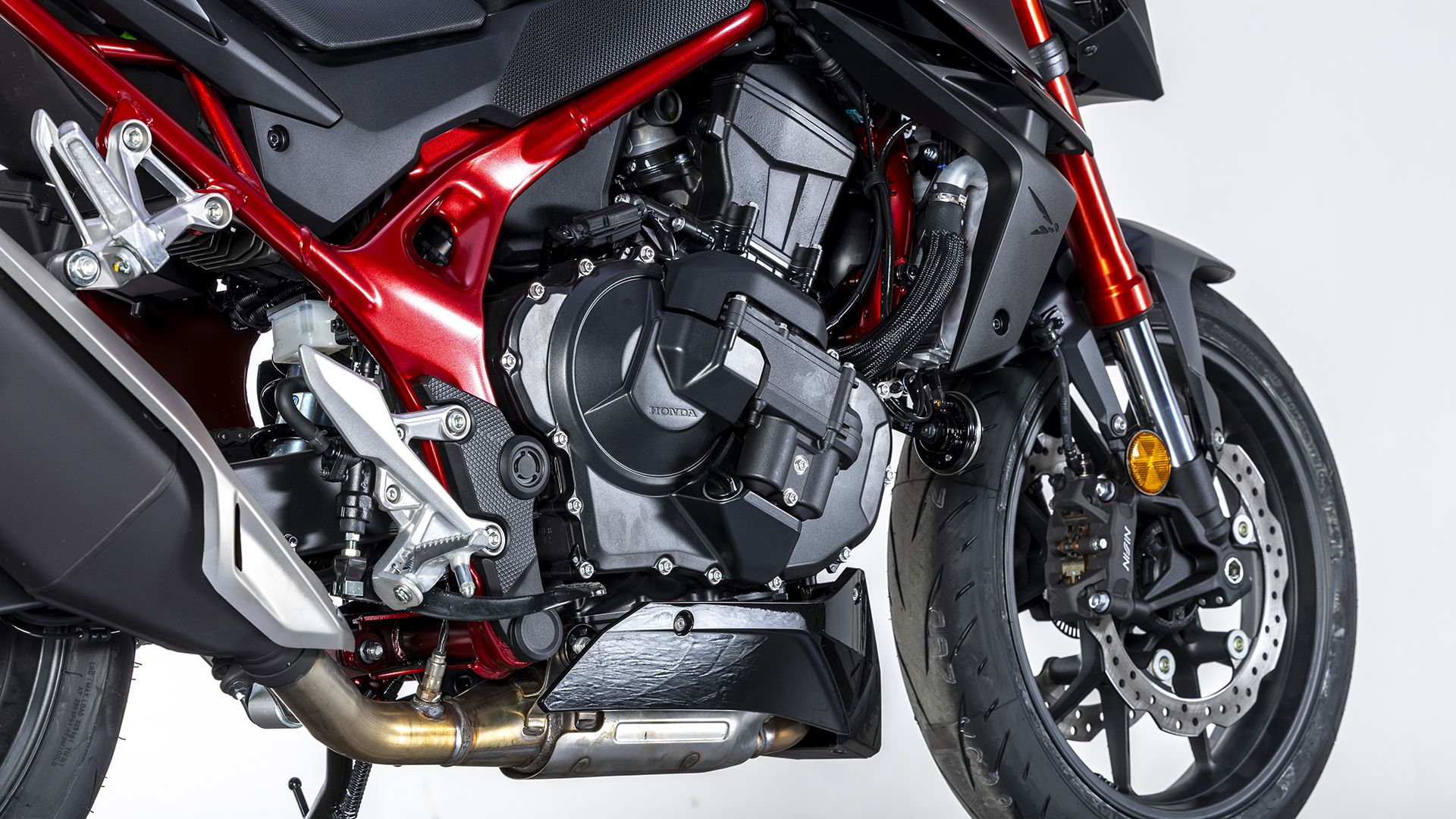
Class-leading power-to-weight ratio...The CB750 Hornet’s parallel-twin engine boosts intake efficiency, while supersport-derived cylinder technology reduces friction. Delivering 67.5 kW at 9,500 rpm and 75 Nm at 7,250 rpm, the engine pulls strongly through the mid-range with an exhilarating surge in revs. Twist the throttle for smooth take-offs, seamless low-speed operation, and uncompromising power. With so much performance packed into such a lightweight chassis, there’s only one thing to do: hold on and enjoy the ride.
Furthermore, equipping the bike with a 160mm rear tire instead of a 180mm one might reduce grip for some riders—specifically those who ride it like a superbike. However, with the Bridgestone Battlax Hypersport S23 tires, the reality is that we experienced absolutely no issues regarding grip, agility, or precision.
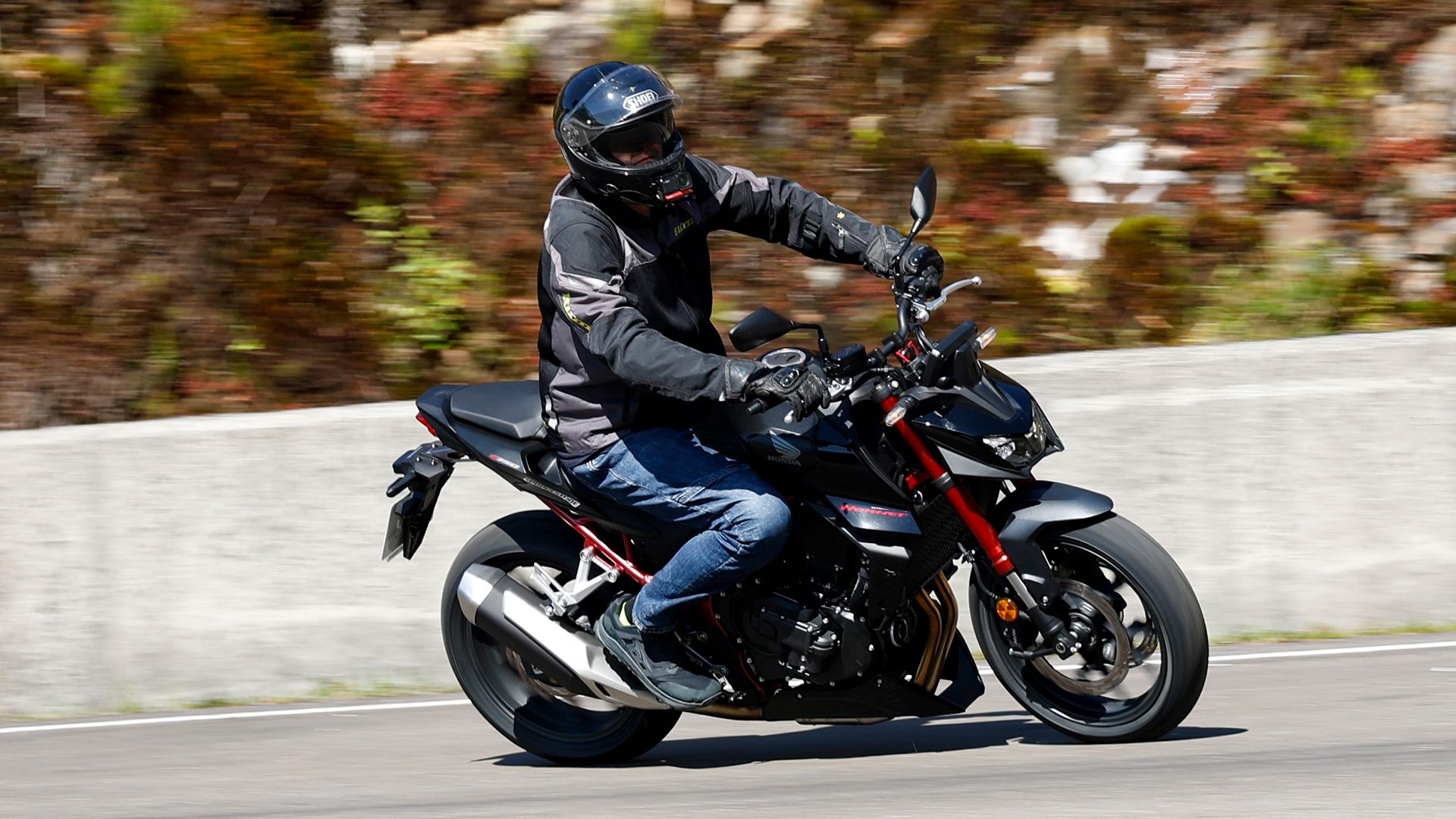
Ultimately, while this bike stands out in its category for its power and top-tier electronics, it does not aim to be the sportiest model in the segment, but rather the most versatile. The engine is capable of handling whatever you want to do, from relaxed city riding to long-distance trips with good range—all without annoying vibrations and at speeds that offer the wind protection typical of a naked bike (or even more, if you wish).
The riding position is quite relaxed, giving you plenty of room to move around. There are even genuine accessories available for carrying luggage. You can connect your smartphone to the instrument panel to receive messages, use GPS, or listen to music while riding. Now, with the electronic clutch system (E-Clutch), it’s even easier, as you can completely forget about using the clutch lever.
The instrument panel warns you to downshift to prevent the engine from running at too low revs, as although it will never stop, you can cause excessive wheel slip, especially if you forget to downshift to first gear when stopping. The truth is that this motorcycle competes in a very fierce market segment, with many competitors, some of them established for years, and it needs to be versatile, as they are motorcycles for daily use.
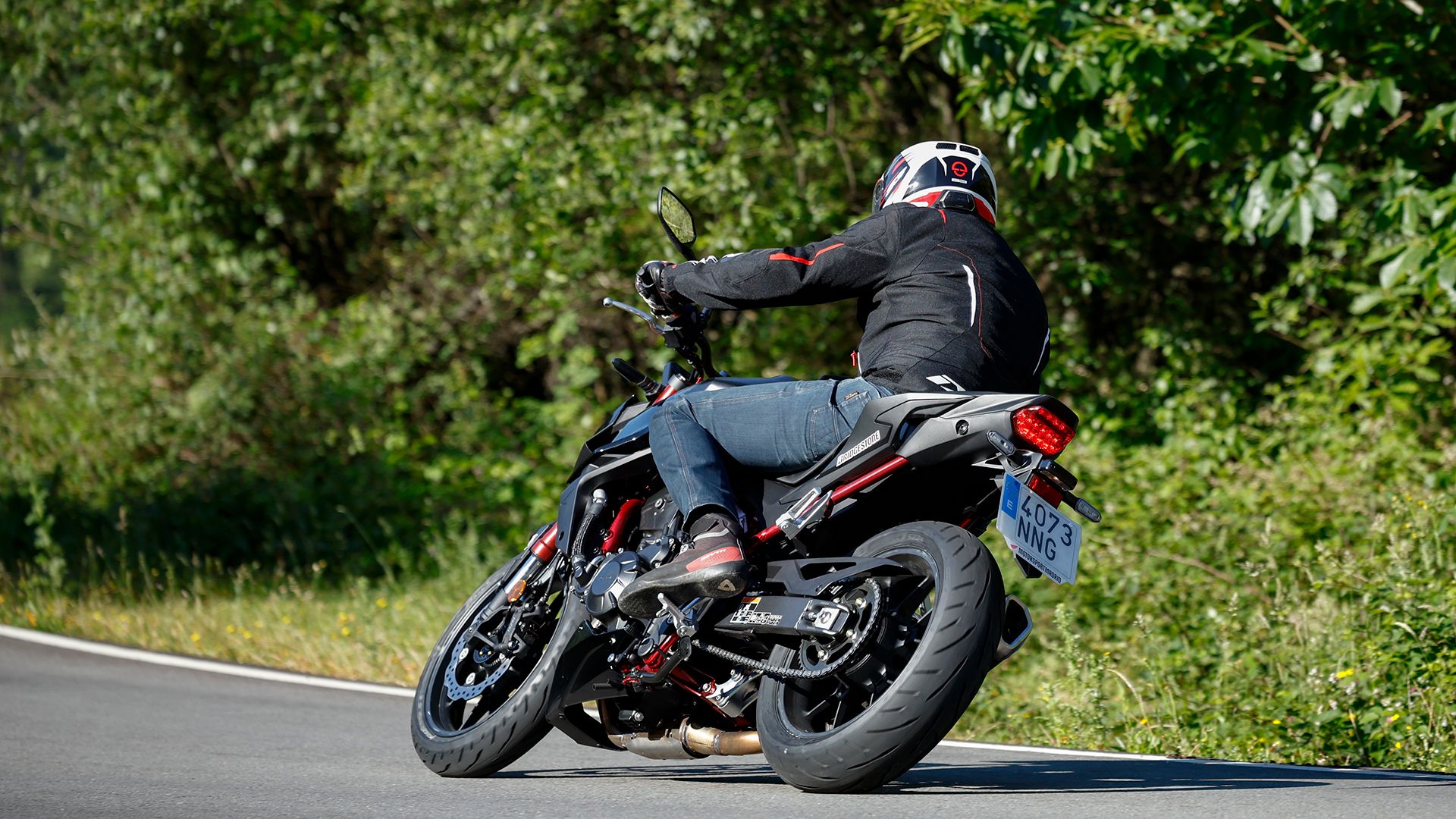
This is the great advantage of Honda: it manages to be efficient in everything thanks to its great engine, the well-known ease of riding of the brand's motorcycles and also due to the low maintenance cost, which barely exceeds 8,000 euros, with its special transmission system, a fundamental advantage in this type of motorcycle.
Autonews


Nenhum comentário:
Postar um comentário