AUTONEWS
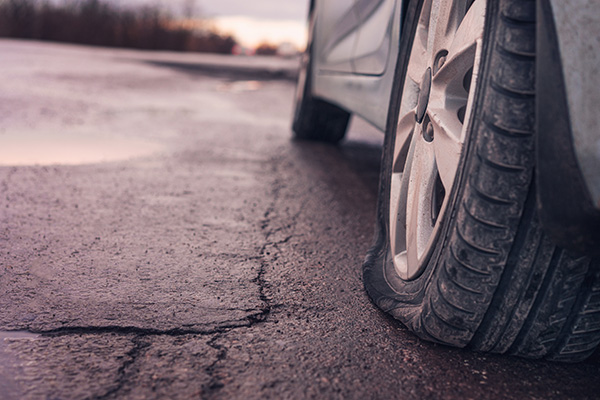
Should you let air out of your tires in the summer: Many drivers make this mistake
As if high temperatures weren't already causing enough problems and questions about how to cool down more easily, drivers also have an additional dilemma. During hot weather, many wonder if they should let some air out of their tires, because their heating also increases their pressure.
The theory is that a tire inflated to the prescribed pressure will naturally increase its pressure due to the summer heat - a pressure that will increase further while driving. While that makes sense, there is no need for any changes, because the increase in pressure caused by heat will not reach excessive values; the key is to never set the pressure below the value recommended by the manufacturer. Therefore, the use of "special" pressure values is not necessary, although the option of adjusting the tires to the lowest pressure specified by the manufacturer still exists, writes Autonews.
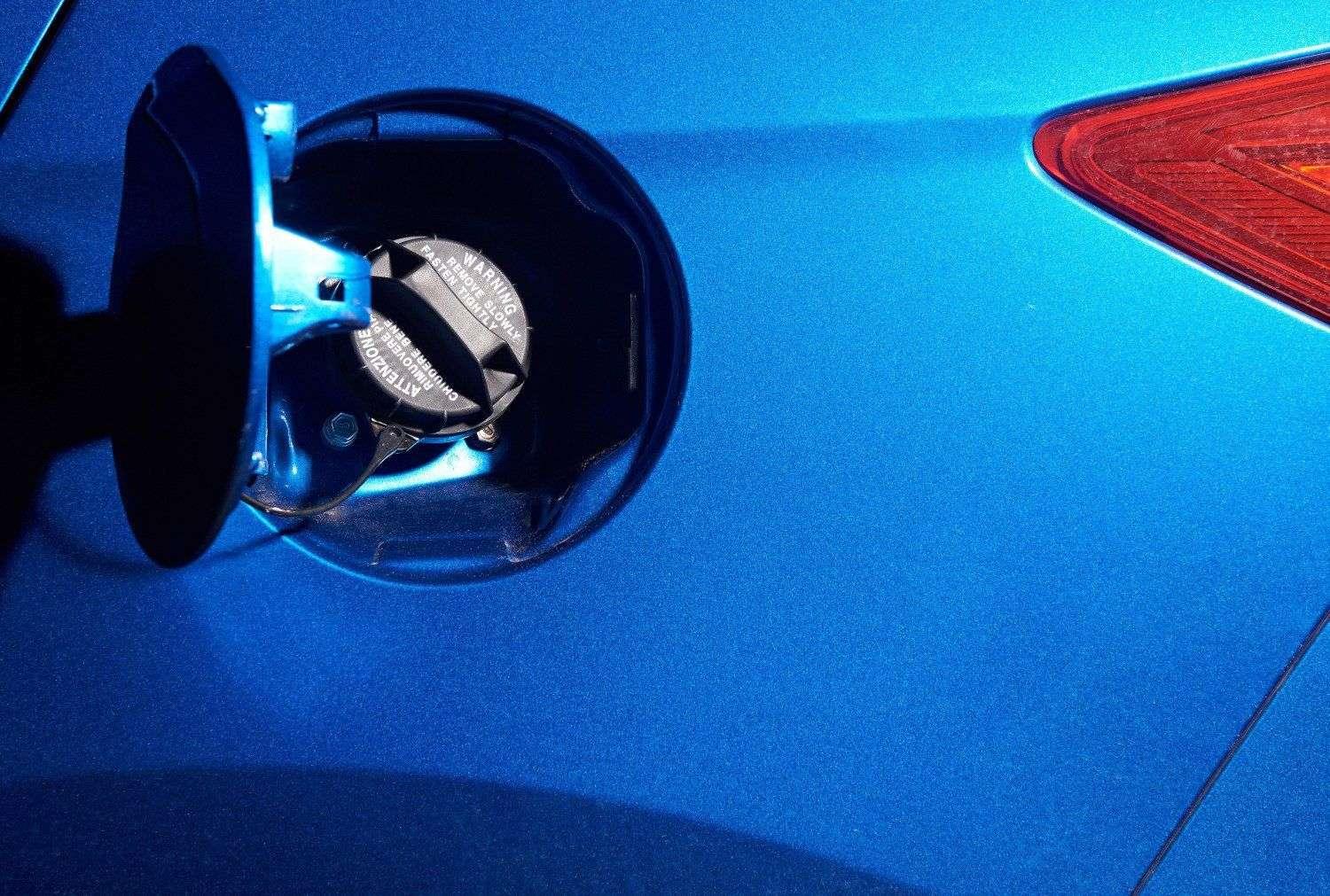
The recommended tire pressure for a particular car depends on several factors, such as tire dimensions, number of passengers and load in the trunk; it also differs for the front and rear axles due to uneven weight distribution. Manufacturers provide the necessary information for setting the pressure on a sticker – which, depending on the vehicle, is located on the driver’s door frame or on the door itself, and sometimes on the inside of the fuel filler flap – as well as in the vehicle’s owner’s manual. Pressure is expressed in three different units: bar, PSI (pounds per square inch) and kPa (kilopascals), with bar being the most commonly used unit in Europe.
When you find the recommended pressure on the tire label, check the pressure and, if necessary, adjust it to the recommended value – but only when the tires are cold (which means that the vehicle has not been driven for more than about two kilometers). It is also recommended to check the tire pressure at least once a month.
Tire pressure...Make sure that you have the correct tire pressure in all five tires. (In case you never noticed, there's a tire in the trunk.) There's plenty of debate about what constitutes "correct" tire pressure, but we suggest going by what your vehicle manufacturer recommends, which should be listed on the side of the driver's door, on the glove compartment door, or in the owner's manual. Don't confuse the "maximum tire pressure" listed on the sidewall of the tire with the "recommended tire pressure" provided by the manufacturer of the vehicle. While it’s okay to inflate your tires to the "maximum tire pressure" number, "Recommended tire pressure" is the ideal pressure you want in your tires. If you're carrying an extra heavy load, follow the recommendation for "heavy loads," which is usually listed in the manual that came with your mother-in-law. (Or your car's owner manual.)
Ready for some more high-school physics? Remember that tire pressure will increase as the outside air temperature rises. In fact, tire pressure will go up approximately one pound for every 10 degrees Fahrenheit. So, tires that were at 35 PSI back in January when you drove to the slopes could easily be closing in on 45 pounds on a hot July day at the beach. Under some conditions that increase in pressure is enough to blow the tire! If nothing else, a tire that's overinflated will wear prematurely and will cause the car to handle and brake poorly. Don't count on your electronic tire pressure monitoring system to alert you to an overinflated tire, either — the warning light will only get illuminated when a tire’s air pressure is too low, not too high.
By the way, while you're out there checking the air in those tires, toss that stupid pencil-style pressure gauge in the dumpster where it belongs and get an accurate, dial-type gauge.
You also have to remember friction. As you drive, there's friction between the tires and the road. Friction means heat — and heat means an increase in tire pressure. So, here's what to do about your car's tire pressure: Check the tire pressure before you start driving. If the recommended pressure is 35 PSI, for example, it means 35 PSI before you start driving. If you check the tire pressure when you stop to get gas two hours later, it will be much higher than 35 PSI. If you check it at this point—after you've been driving--there is no way to know what the correct tire pressure should be. You'll be tempted to let air out of the tires, because the tire pressure will be greater than 35 PSI. Do not do this, because the tires will be under inflated.
Of course, you should always check the condition of your tires' treads. The minimum acceptable tread depth is 3/32 inch. This is about the distance from the edge of a penny to the top of Abe's head. But, if we were leaving on a trip, we wouldn't want the minimum tread. Because somewhere in the middle of that trip, you're going to be below the minimum tread So do you want to buy tires from the guy down the street, or from Uncle Luke's Gas Station and Charm School in the middle of the Bonneville Salt Flats? Why not take the trip on brand-new rubber?
While you're looking at the tire tread, keep an eye out for an uneven wear pattern. “Uneven” means the tire is more worn on one edge. This usually means you need a wheel alignment. Also, run your fingers along the tread and feel for lumps. The presence of lumps could mean that the tire is not balanced correctly. It could also mean that you were a cheapskate when you bought your tires. How do we know? Cheap tires deform more at high speeds. As a result, they can wear peculiarly. The end result can be lumps or other odd wear patterns.
Don't be cheap! This is no time to try to save a few bucks. If you're close to needing tires, get them now.
Steering and suspension...When we talk about steering and suspension components, we mean all the stuff that holds the wheels onto the rest of the car and keeps the tires in good contact with the road—both important features to have, if you don't want to accidentally drive into a bridge abutment. You can't really check most of these components yourself. Go to your mechanic and ask him to check the front and rear suspension components, the steering gear, and related parts, including ball joints and tie rods.
By the way, some vehicles with rear, independent suspensions have ball joints and related components that can fail catastrophically. It's a good idea to find out if your car has this kind of suspension. If it does, don't forget to mention this to your mechanic.
While it is true that hot weather and road friction cause the air inside your tires to expand—increasing pressure by about 1 to 2 PSI for every 10°F increase—modern tires are engineered by manufacturers to safely handle this temporary fluctuation.
Bleeding air from a warm tire creates serious safety hazards:
Dangerous Underinflation: If you let air out while the tires are hot, they will become severely underinflated once they cool down.
Increased Blowout Risk: Underinflated tires sag, causing the sidewalls to flex more against the pavement. This friction generates extreme heat, which weakens the tire structure and drastically increases the chance of a sudden blowout.
Poor Performance & Wear: Lower tire pressure decreases fuel efficiency and accelerates uneven tread wear.
How to correctly manage summer tire pressure...Instead of guessing or bleeding hot tires, follow these standard maintenance steps:
Check when cold: Always measure your tire pressure first thing in the morning before driving, or after the vehicle has been parked in the shade for at least three hours.
Follow the placard: Look for the recommended cold PSI sticker inside the driver’s side door jamb or in your owner's manual.
Adjust strictly to spec: Only add or release air if the cold reading differs from the manufacturer's recommended specification.



Nenhum comentário:
Postar um comentário