AUTONEWS
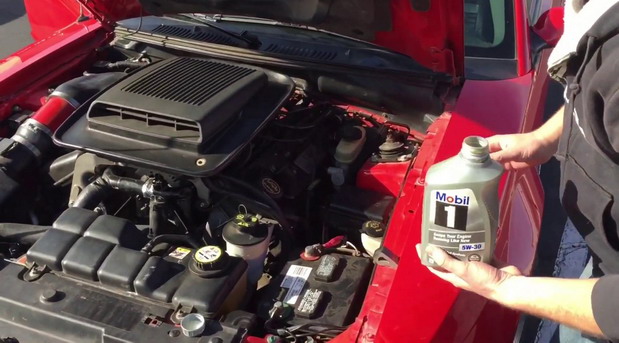
Are modern motor oils shortening engine life? Engineer claims thinner oils have their price
Changes in the automotive industry in recent years have also brought changes in recommendations for motor oils. While in the past, new vehicle specifications often included oils such as 10W40, 10W30 or 5W30, today manufacturers increasingly recommend oils with lower viscosity, such as 0W30, 0W20, and in some markets even 0W16 or 0W8.
According to the former automotive engineer, it is precisely these increasingly rare oils that could have an impact on engine longevity.
The engineer, who runs the YouTube channel Broken Clutch Garage, claims that his conclusions are based on years of work in engine testing programs, during which the durability and wear of new power units were checked. The tests involved completely disassembling the engines after a certain number of kilometers in order to analyze their condition in detail.
In his opinion, the main reason why manufacturers are switching to lower viscosity oils is not to extend engine life, but to meet increasingly stringent fuel consumption and emissions standards, writes HAK revija.
Namely, thinner oils create less internal friction in the engine, which can contribute to better efficiency and fuel savings of about one to two percent. However, the engineer claims that such oils can also have a weaker ability to maintain a protective layer between metal parts during operation.
When this protective film is occasionally interrupted, direct contact between metal surfaces occurs, which can accelerate their wear.
Testing showed a difference...The engineer states that during testing he noticed a significant difference when oils such as 0W20 appeared in the programs.
As an example, he cites the testing of a V6 engine for an American car manufacturer, where, according to him, the switch to a lower viscosity oil led to a shortening of the expected engine life. Instead of the previously projected values, the service life during testing was reduced to around 130,000 to 160,000 kilometers.
An additional problem, according to him, is modern design trends. Manufacturers today use thinner sleeves, lighter pistons and other components that are designed taking into account the specific properties of modern oils.
There are also systems such as variable oil pumps, which can reduce oil flow at lower engine speeds, as well as technologies such as start/stop systems and cylinder deactivation.
According to this engineer, deactivating individual cylinders can lead to a temperature imbalance in the engine, because parts that are not working produce less heat, which further burdens the construction of the unit.
Differences between markets...He particularly highlights the American market, where, as he claims, even thinner oils are often used than in Europe. As an example, he cites that some manufacturers, including Toyota, recommend oils with a lower viscosity in the American market than for European models.
That's why he advises drivers to pay attention to driving conditions and climate. In his opinion, oils like 0W20 can be useful during the winter months, while during the warmer months, oils like 5W20 or 5W30 should be considered.
However, it's important to note that car manufacturers determine recommended oil specifications based on their own testing, and using a different viscosity than prescribed can affect the warranty, engine performance, and long-term reliability of the vehicle. It's recommended to check the manufacturer's recommendations for a specific car model before making any changes.


Nenhum comentário:
Postar um comentário