AUTONEWS
All-season tires save money, but only if you avoid this common mistake
All-season tires are becoming an increasingly popular choice among drivers because they don't need to be changed twice a year. However, that doesn't mean they don't require maintenance. On the contrary, regular inspection and proper care are key to preventing premature wear and preserving their performance.
Selecting suitable tires for your vehicle becomes challenging when you live in a region where seasonal transitions occur without reaching temperatures requiring seasonal tire exchanges. The back-and-forth routine seems unnecessary, so you wonder about alternative solutions. All-season tires represent a practical solution because they have been specifically designed for various weather types. The question remains whether all-season tires would be the most suitable option for your situation. We will examine seasonal tires, beginning with their features and ending with explaining their intended applications and relevant governing rules.
When you need a dependable vehicle for regular driving or plan to embark on a road journey, all-season tires should be considered. Your vehicle needs appropriate tires regardless of your choice of driving conditions. Europcar’s vehicle rental options provide customers with various seasonal vehicles that deliver safe driving experiences.
What exactly are all-season tires? All-season tires function as the multi-purpose tool equivalent for tire use. The tire attributes from summer and winter models blended in all-season types deliver constant, reliable performance throughout the year. During cold weather, the rubber compound maintains enough flexibility for proper grip but retains strength for hot summer driving conditions. The specific tread pattern design works well in water dispersion, which leads to enhanced stability during wet conditions as well as limited contact in light snow situations.
These tires have a drawback because their versatility prevents them from adapting to seasonal characteristics. The tread depth of winter tires goes deeper than that of all-season tires to grab snowy and icy surfaces, and their rubber substance stays flexible for snow and ice. However, all-season tires have reduced effectiveness in freezing conditions. All-season tires lose their durability more quickly during hot summer temperatures because they lack the same resistance levels as summer tires.
The M+S (Mud and Snow) marking on specific tire models indicates their ability to perform well in light winter conditions. The Three-Peak Mountain Snowflake (3PMSF) symbol on tires ensures real winter performance standards because it signifies strict compliance with winter performance standards.
When do all-season tires make sense? Every road and driver presents different characteristics. All-season tires become the best choice for people who reside in areas with mild winters and moderate summer conditions and dislike frequent tire exchanges. These tires function optimally under conditions of minimal snowfall and temperatures above freezing and mostly clear roads.
Winter tires maintain adequate traction on icy surfaces and light snow-covered roads yet dedicated winter tires should be preferred by those who need to drive on dangerous icy roads or steep mountain pass conditions. During the summer season all-season tires deliver safe handling and braking performance yet their lifespan gets reduced when exposed to intense high-temperature conditions than dedicated summer tires made for hot weather.
The all-season tire stands as a practical choice for urban drivers because it needs minimal care. The tire type gives reliable performance all year round so people who avoid seasonal tire swapping will find them useful. Calculating between season-specific tires and all-weather alternatives should begin with analyzing how often you need to tackle challenging driving situations since specific tires provide optimal performance in extreme weather conditions and demanding road conditions.
Car clubs and tire manufacturers emphasize that drivers must not neglect one key rule: regular tire rotation between the front and rear axles.
Why is tire rotation mandatory? The reason lies in the uneven distribution of load on the vehicle's axles. In front-wheel drive cars - which are the most common on our roads - the front tires bear the heaviest load; they are responsible for steering and braking, and transfer engine power to the ground. Accordingly, they wear out much faster than the rear tires. If tires are left in the same positions for years, the difference in the degree of wear becomes drastic, which directly threatens driving safety, reports Fenix Magazine.
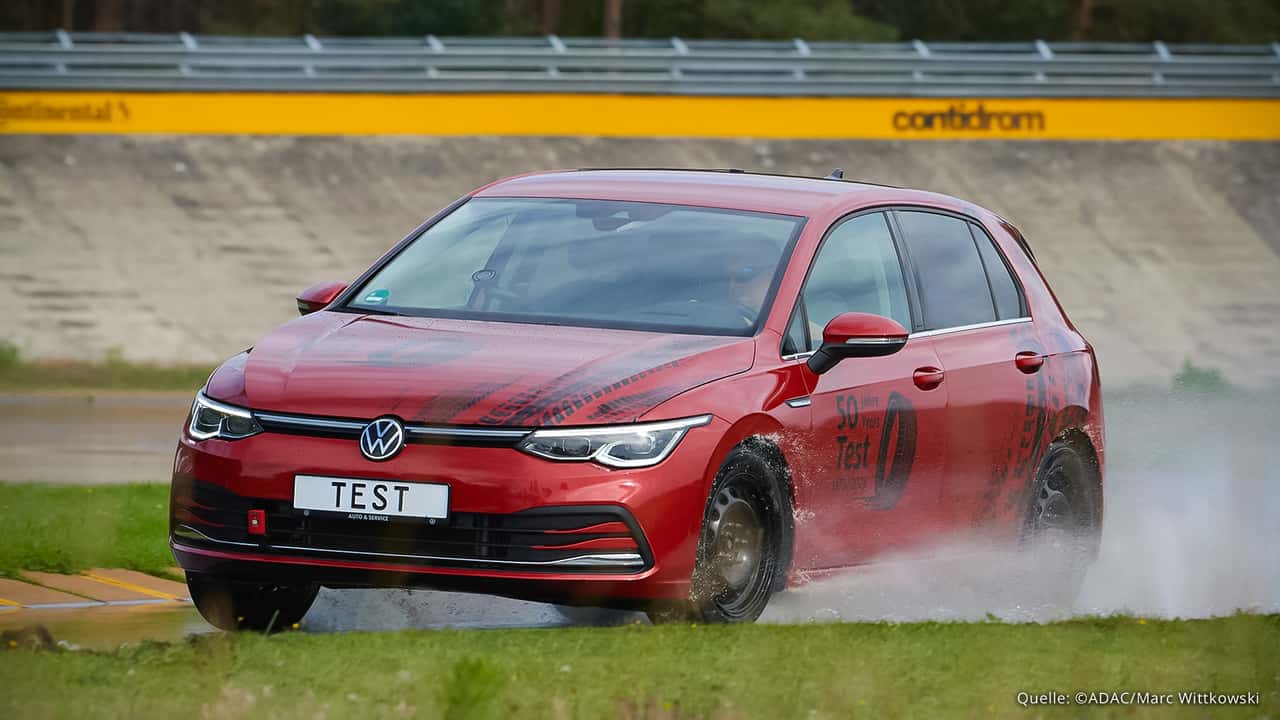
The German automobile club ADAC recommends rotating all-season tires after approximately 10,000 to 15,000 kilometers. Drivers who frequently drive short distances or in urban conditions, or those who drive heavy vehicles (such as electric cars), should check and rotate their tires even more frequently.
The exact way to rotate tires depends on their construction:
* Directional tires: As a rule, they are rotated only on the same side of the vehicle (front right moves to rear right and vice versa).
* Asymmetric tires: Other rotation patterns are possible with these, but the specific instructions of the tire or vehicle manufacturer must always be followed.
Where should the new tires go - front or rear? If you are only changing two tires and not all four, experts and ADAC offer clear, unanimous advice: new tires should always be mounted on the rear axle. Older tires – provided they still have sufficient tread depth – are moved to the front axle.
This practice helps maintain vehicle stability. The rear axle is crucial for the car’s stability when cornering and during sudden maneuvers. Tires with deeper treads on the rear wheels provide significantly better lateral grip on wet roads, drastically reducing the risk of dangerous skidding and loss of control of the vehicle.
Check tire pressure and tread depth: once a month...Regardless of tire rotation, checking tire pressure should become a monthly habit for every driver, especially before long trips. Inadequate pressure not only accelerates tire wear and leads to uneven wear, but also directly affects the extension of braking distances, as well as increased fuel consumption.
Also, the tread depth should be measured regularly. Although the legal minimum in most European countries is 1.6 millimeters, experts recommend replacing all-season tires – especially before the winter months – well before reaching that limit. As tires wear, their grip on wet roads and snow decreases drastically, so it is safer to invest in a new set in good time.
Photo: ADAC


Nenhum comentário:
Postar um comentário