AUTONEWS
What is the worst automotive trend of today?
The answers that the American magazine Jalopnik tried to get show that drivers are not so much annoyed by engines, performance or fuel consumption as by manufacturers' decisions that make cars more complicated and less practical.
Among the most frequently criticized trends were electric and hidden door handles. Many believe that they represent a solution to a problem that does not exist, while at the same time introducing additional possibilities for malfunctions, especially during winter, when the battery is discharged or impractical after an accident.
The Trend: Flush, pop-out, or purely electronic exterior door handles used for styling and minor aerodynamic gains.
The Backlash: They are highly prone to freezing shut in winter, risk trapping occupants if the car loses battery power during an accident, and solve a problem that never existed.
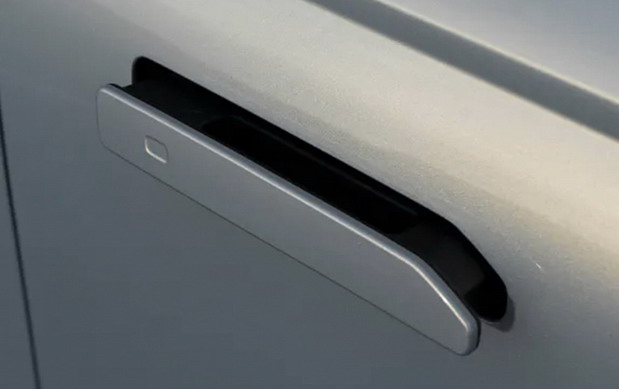
The Jaecoo J7's recessed door handle is designed to retract and improve aerodynamics
A large number of dissatisfied drivers criticize the disappearance of physical buttons from the vehicle interior. Drivers claim that classic controls are easier to use while driving, while switching almost all functions to the central screen distracts attention from the road.
Large wheels with low-profile tires, which have become standard even for family SUV models, have also been criticized. Although they contribute to a more attractive appearance, drivers point out that they reduce comfort, increase the risk of damage on bad roads and significantly increase the cost of replacing tires.
The Trend: Automakers are building hardware—like heated seats, remote starters, or increased horsepower—directly into the vehicle, but locking them behind monthly or annual digital subscription paywalls.
The Backlash: Consumers find it anti-consumer to pay repeatedly for parts and equipment they already financed and own at the point of sale.
Another unnecessary detail perfectly reflects today's automotive industry, where even useful functions are turned into a tool for brand promotion. Instead of making the area next to the vehicle as well lit as possible for safer entry and exit, the priority becomes the projection of a logo onto the ground, which attracts attention but does not bring real added value to the driver.
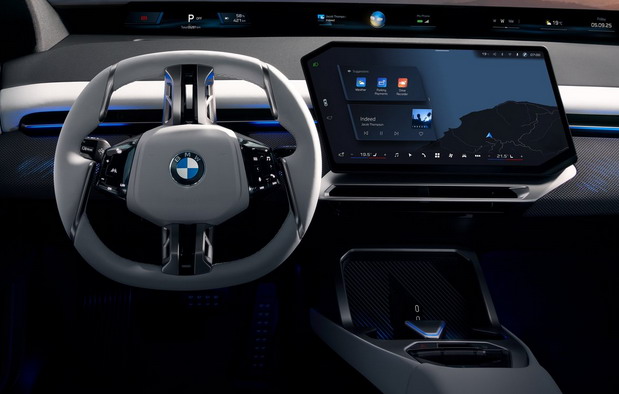
This image shows the high-tech interior of a BMW iX3, highlighting the hexagonal steering wheel and digital instrument panel
Some of the participants in the discussion also warn about the increasingly poor visibility from modern cars due to high side lines and smaller glass surfaces. They believe that drivers should not depend on cameras and sensors to maneuver in situations that they used to solve by looking out the window.
Particularly negative reactions are caused by manufacturers' attempts to charge for certain functions through subscription options (such as a subscription for heated seats), even though the necessary equipment is already installed in the car. Many believe that such a practice could become one of the most hated trends in the automotive industry.
The courtesy light projector on the doors is often considered useless because its function is purely aesthetic. It transforms the vehicle into a light panel, but does not improve safety or practical lighting.
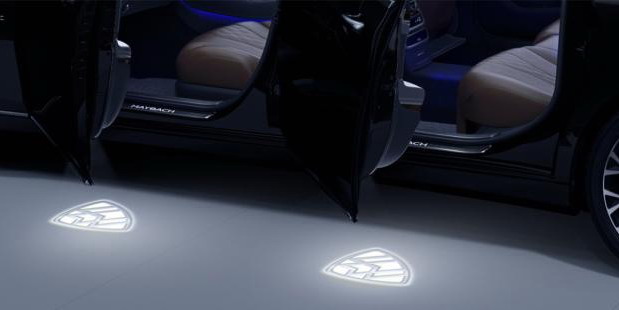
LED courtesy light projector with the Maybach logo
Interestingly, most drivers do not criticize electrification or modern drive technologies. Instead, drivers often resent trends that they see as putting marketing and visual appeal ahead of functionality.
The conclusion is pretty clear. Many drivers want cars that are simple, reliable, and practical for everyday use, even if that means fewer screens, fewer lighting effects, and fewer "futuristic" features. The auto industry may be moving toward a digital future, but a segment of buyers clearly still value common sense.
The worst automotive trend today is the eradication of physical buttons in favor of touchscreen-only interfaces and capacitive touch-sliders. This design prioritizes sleek aesthetics and cost-cutting over driver safety and usability, requiring drivers to take their eyes off the road to perform basic tasks.
The industry-wide shift toward digital-everything creates multiple problems for drivers:Distraction: Adjusting the air conditioning or tuning the radio requires navigating through multiple menus, which increases the risk of accidents.
Capacitive Frustrations: Many touch-sliders (like those used for volume or temperature) lack backlighting, making them nearly impossible to use at night.
System Lag: Unlike a physical knob that responds instantly, touchscreens can freeze, lag, or require multiple taps to register an input.
Other widely disliked industry trends include:Pop-Out Door Handles: Electric or hidden door handles that can fail to open during a collision or leave you stranded when a car battery dies.
Automotive Subscriptions: Paying a recurring monthly fee for features that are already physically built into the car (like heated seats or remote start).
Oversized Wheels & Thin Tires: Putting low-profile tires on family SUVs, which drastically reduces ride comfort and makes the wheels highly susceptible to pothole damage.


Nenhum comentário:
Postar um comentário