AUTONEWS
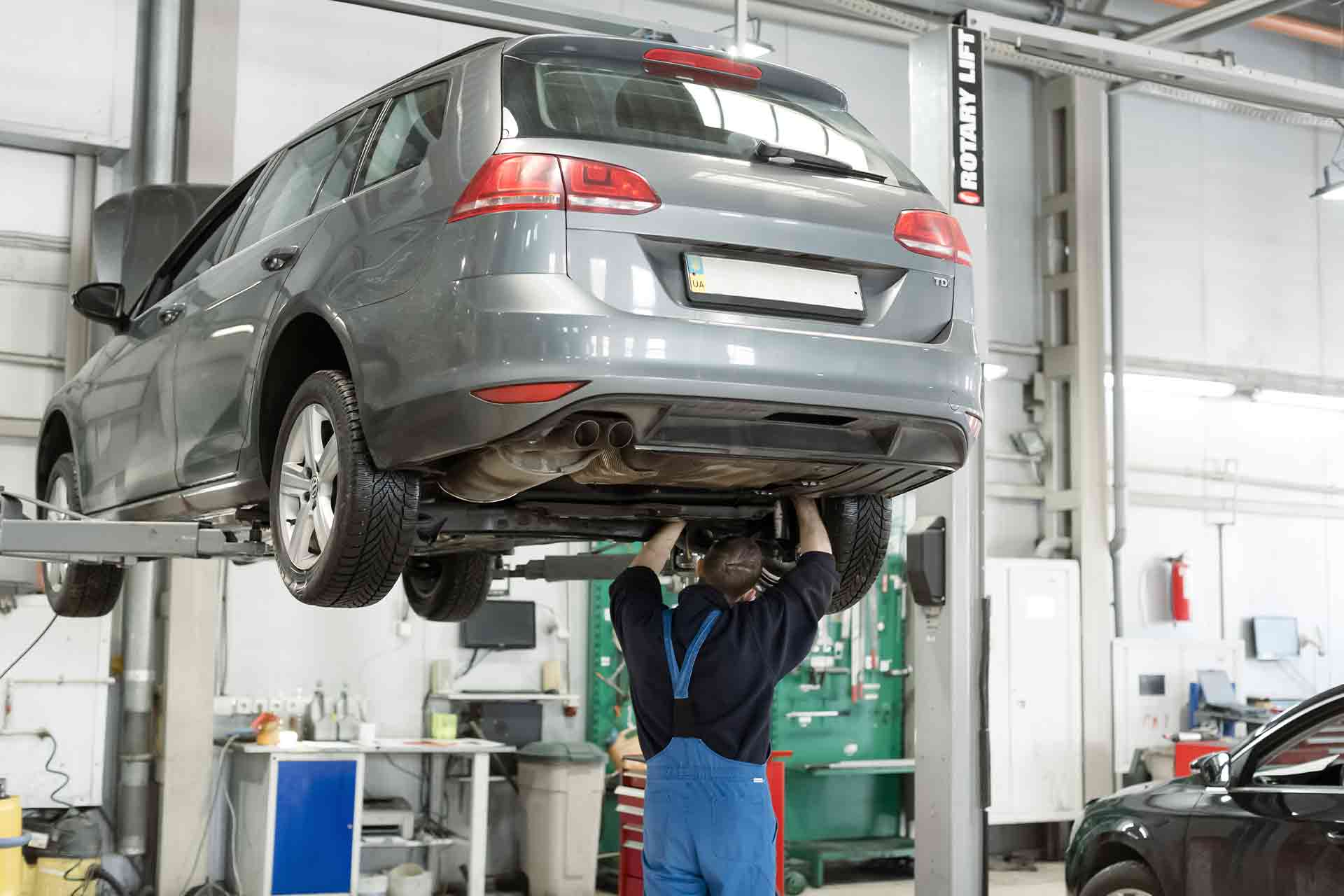
How often should a major service be performed?
A question that plagues almost every driver, sooner or later: when should a major service actually be performed?
Factory recommendations exist, but mechanics often view them with reservations. And for good reason.
According to the factory instructions of some car manufacturers, a major service is scheduled at 120,000 or even 240,000 kilometers. However, in practice, many service technicians recommend checking and replacing key parts earlier. Many mechanics recommend that a major service be performed at approximately 60,000 to 100,000 kilometers, or every four to five years if the vehicle does not reach that mileage.
Why is there this gap between what is written in the manual and what is recommended by mechanics? The answer lies in one word: driving conditions. City driving, short routes, frequent stops, poor fuel quality, dusty roads – all of this wears out parts much faster than the ideal laboratory parameters on which the factory intervals are based.
What is changed and why it is important...A major service involves much more than an oil change. It is a comprehensive check and restoration of the vehicle's key systems. As part of a major service, the timing belt or chain, tensioners, rollers, water pump, auxiliary belts and coolant are most often checked and, if necessary, replaced.
The timing belt deserves special attention. If it breaks while you are driving, the engine can suffer a breakdown that costs many times more than the service itself. It is no exaggeration to say that replacing the timing belt on time is one of the most important investments for the longevity of the engine. Many service technicians recommend that the water pump, rollers and tensioners be replaced together with the timing belt, because these parts are accessed during the same procedure.
Of course, not every vehicle is the same. A good mechanic will not automatically replace everything in a row without an assessment. If a certain part does not show visible damage or wear, its replacement can be postponed - but only with a professional assessment, not based on assumptions.
Small service as the basis of regular maintenance...Before you get to the big service, there is the small service – which should be done once a year or every 10,000 kilometers. This is not an option, it is the minimum. A small service involves changing the engine oil and all filters: air filter, fuel filter and oil filter. In addition, the spark plugs, heaters, brake fluid and coolant, as well as belts, are checked and replaced.
Think of a small service as an annual health check for your car. You don’t wait until you have a headache before going to the doctor. The same goes for a car. An engine running on old oil uses more fuel, heats up faster and its internal parts wear out much faster than they should.
How much does waiting cost...There is no poetry here – there is only math. Ignoring regular service saves money in the short term, but in the long term – it always costs more. A driver who significantly exceeds the recommended interval for a big service increases the risk of serious damage, including a timing belt break in engines that use it. Engine repairs after a breakdown often cost many times more than the value of the vehicle itself.
Experience shows that drivers who regularly service their cars spend less on annual repairs than those who do so irregularly or only when something breaks down. Regular servicing reduces the likelihood of costly breakdowns, extends the life of the vehicle and preserves its resale value.
Driving conditions determine the pace...Mileage is only part of the picture. A driver who drives 5,000 kilometres a year, but mostly in city traffic and short distances, is more exposed to wear and tear on certain systems than someone who drives 15,000 kilometres on the motorway. City driving means more stops, more idling and more strain on the brake system.
That is why the interval of four to five years – regardless of the mileage – is not set by chance. Parts age even without driving. The rubber on the timing belt cracks, fluids lose their properties and seals dry out. Time is a factor as important as the mileage.
Climate conditions also play a role. Vehicles that are used in dustier environments, operate in higher temperatures, or are exposed to salty air require more frequent servicing. For example, an air filter may need to be replaced earlier if the vehicle is frequently used on dusty roads or construction sites.
How to tell when It’s time...In addition to mileage and date, your vehicle often gives you signs. Louder engine noise, vibrations, unusual noises when accelerating or braking, increased coolant temperature, and higher fuel consumption are all signs that a service may be overdue. The problem is that many people ignore these signs or attribute them to the normal aging of their car.
It’s good practice to keep a service logbook and record each service with the date and odometer reading. This paper or digital record is not just a formality – it serves as proof of maintenance when selling the vehicle and is a useful reminder when it’s time for the next inspection.
Where to get spare parts...When it's time for a service, one of the practical questions is where to get spare parts. The quality of the parts directly affects the result of the service - cheap, low-quality parts can fail far before the scheduled date and jeopardize road safety.
When purchasing spare parts, it is important to choose proven suppliers and quality components that match the specific vehicle model. Specialized auto parts stores often make it easier and faster to purchase parts for regular vehicle maintenance.
Service is not an expense, it is an investment...Drivers who regularly service their car not only avoid expensive breakdowns, but also extend the useful life of their vehicle by several years. A well-maintained engine, which has fresh coolant, a properly functioning lubrication system and a new timing belt, runs quieter, consumes less and lasts longer.
The answer to the question of how often to do a major service is not complicated: every 60,000 to 80,000 kilometers, or every four to five years – whichever comes first. A minor service is most often done once a year or after 10,000 to 15,000 kilometers. Behind these numbers lies something more important: a car is a machine that requires attention, not an appliance that works by itself as long as it can be started.
Neglecting service is not saving. It is borrowing money from a future breakdown – with interest.
A major car service typically costs between $300 and $800+ (or approximately £250 to £450+ in the UK, and $400 to $900 AUD in Australia). The exact price depends significantly on your vehicle's make and model, engine size, and where you choose to have the service performed.
General cost breakdown by region(below):
United States: $296 to $600+ is the standard baseline. High-end or luxury vehicles frequently exceed this range, potentially reaching thousands if extensive part replacements are needed.
United Kingdom: £250 to £450+. Independent garages are usually much closer to the lower end, while major brand dealerships charge premium rates.
Australia: $400 to $900 AUD. This covers advanced replacements but excludes extra physical repairs like brake pads or tires.
What is Included in a Major Service?...A major service is a comprehensive vehicle health check recommended every 2 years or 24,000 miles (whichever comes first). It covers everything included in minor or full annual services, plus deep maintenance items:
Engine Maintenance: Fresh engine oil and a brand new oil filter.
Deep filter changes: Complete replacement of the engine air filter, cabin/pollen filter, and fuel filter.Ignition & Mechanical: Brand new spark plugs (for petrol vehicles) and checks on the timing belt/chain.
Fluids system: Brake fluid change, clutch fluid top-up, and power steering fluid top-up.
Safety & electronics: Comprehensive diagnostic error-code scan, suspension check, and extensive steering/braking system inspections.
Core factors influencing the final price(below):
Dealership vs. independent mechanic: Booking through a franchise dealership will cost 20% to 40% more than a local, independent workshop. However, dealerships use Original Equipment Manufacturer (OEM) parts, which may be mandatory to preserve a newer car's factory warranty.
Engine and Spark Plugs: Vehicles with larger engine capacities (such as V6 or V8 engines) require more oil and extra spark plugs, which naturally elevates the cost of materials.
Unforeseen Repairs: The baseline service price only covers inspection and standard filters. If the mechanic discovers worn-out brake pads, failing batteries, or cracked belts, these repairs will add to your final invoice.
Always ask for an itemized, upfront quote before authorizing a garage to begin work so you can review what parts are being replaced
Autonews


Nenhum comentário:
Postar um comentário