HONDA
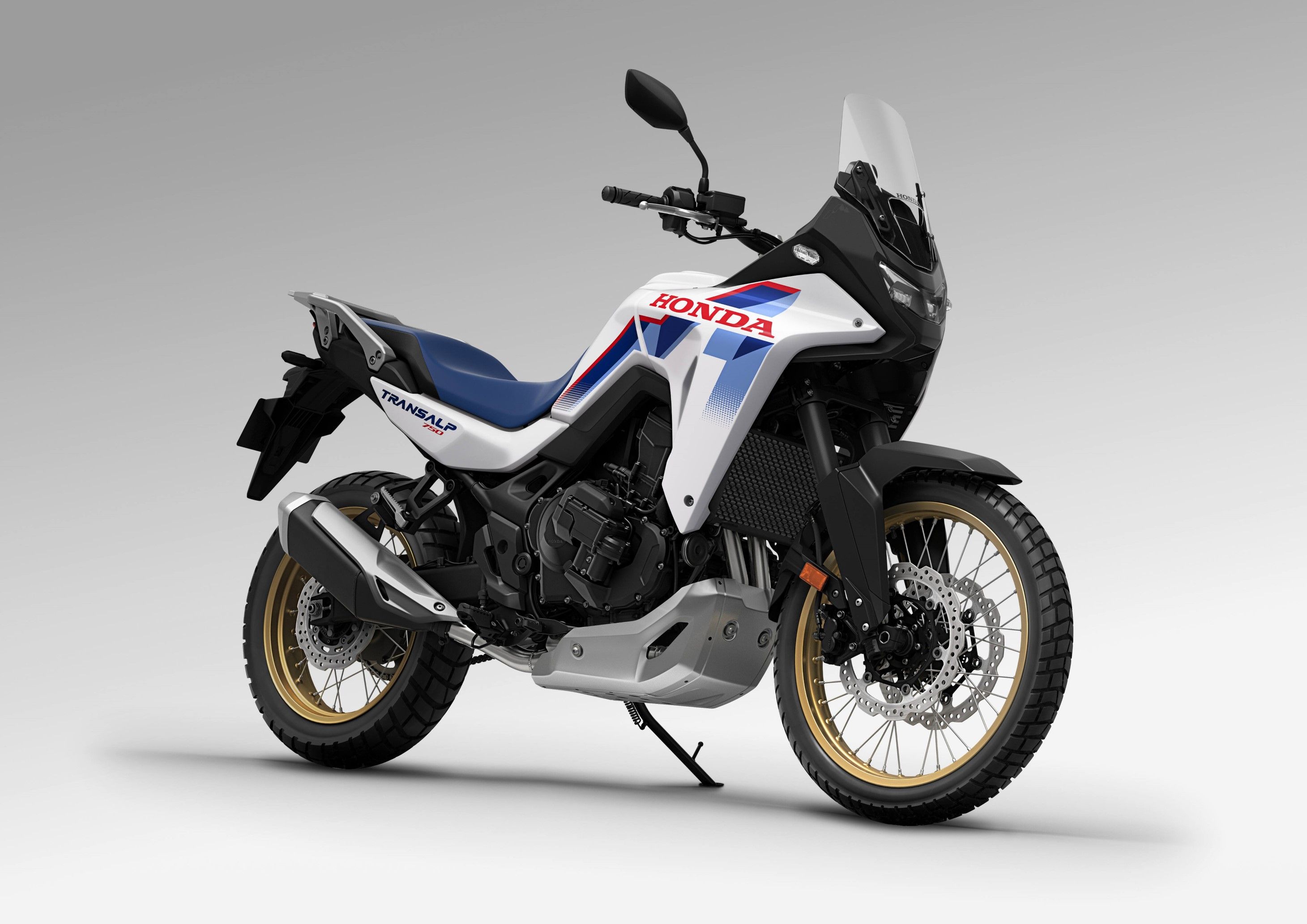
Honda XL 750 Transalp E-Clutch 2026
Honda usually doesn't mess with a winning formula. And the Transalp works. Since its return in 2023, this name has regained its rightful place: that of a well-balanced mid-sized adventure motorcycle, suitable for daily use, with good touring capabilities and some off-road capability.
By 2026, the golden wing brand decided to do the smartest thing you can do with a good motorcycle: improve it.
The new features are concrete, and the electronic clutch is the big attraction.
The system, which we first saw in 2024 on the CB 650, is now present in 15 Honda models, half of them sold in Europe, including the 750cc and 500cc engines. This mechanism allows you to dispense with the use of the clutch, assisting in gear changes and facilitating starts and stops.
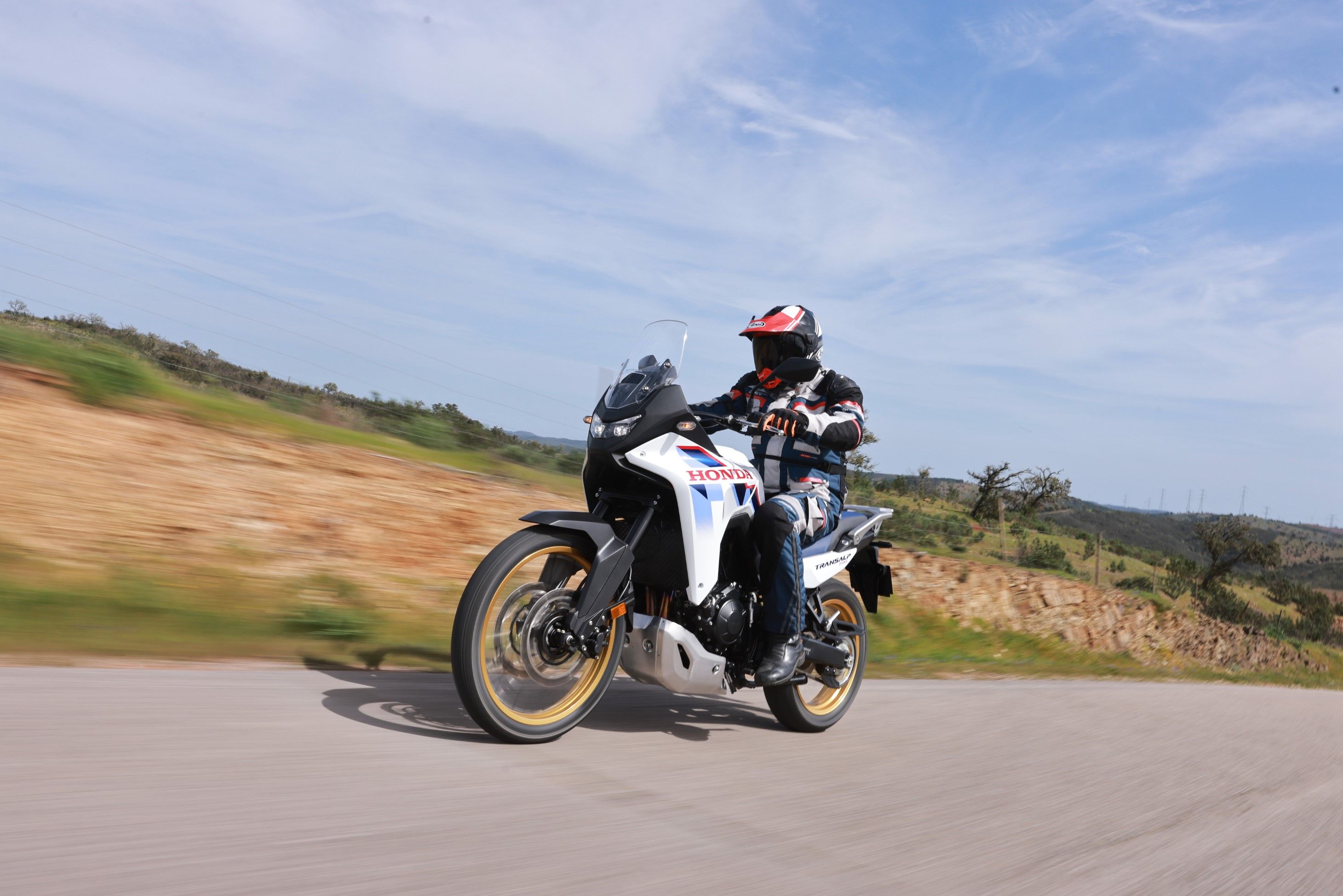
A "democratic" system that allows you to choose between using the clutch lever in manual mode or letting the electronic clutch (E-Clutch) make gear changes more smoothly than a quickshifter. The E-Clutch also allows you to adjust the sensitivity of the gearshift pedal in three levels (hard, medium or soft) for both uphill and downshifting.
And pay attention to the detail of off-road use, because here the system goes a step further: off-road it is possible to change gears smoothly even when the rear wheel is slipping.
This is not a technological whim. It is a real advantage, as the Transalp has an electronic throttle-by-wire system, which the CB 650 and the 500 line with electronic clutch do not have, providing even more benefits for the rider.
This allows the electronic clutch (E-Clutch) to act as a slipper clutch during engine braking, engaging like a half-clutch for smoother, safer and more predictable downshifts. The throttle position sensor (TBW) is what allows the electronic clutch to function with such precision; without it, the automatic accelerations during downshifts wouldn't be so smooth.
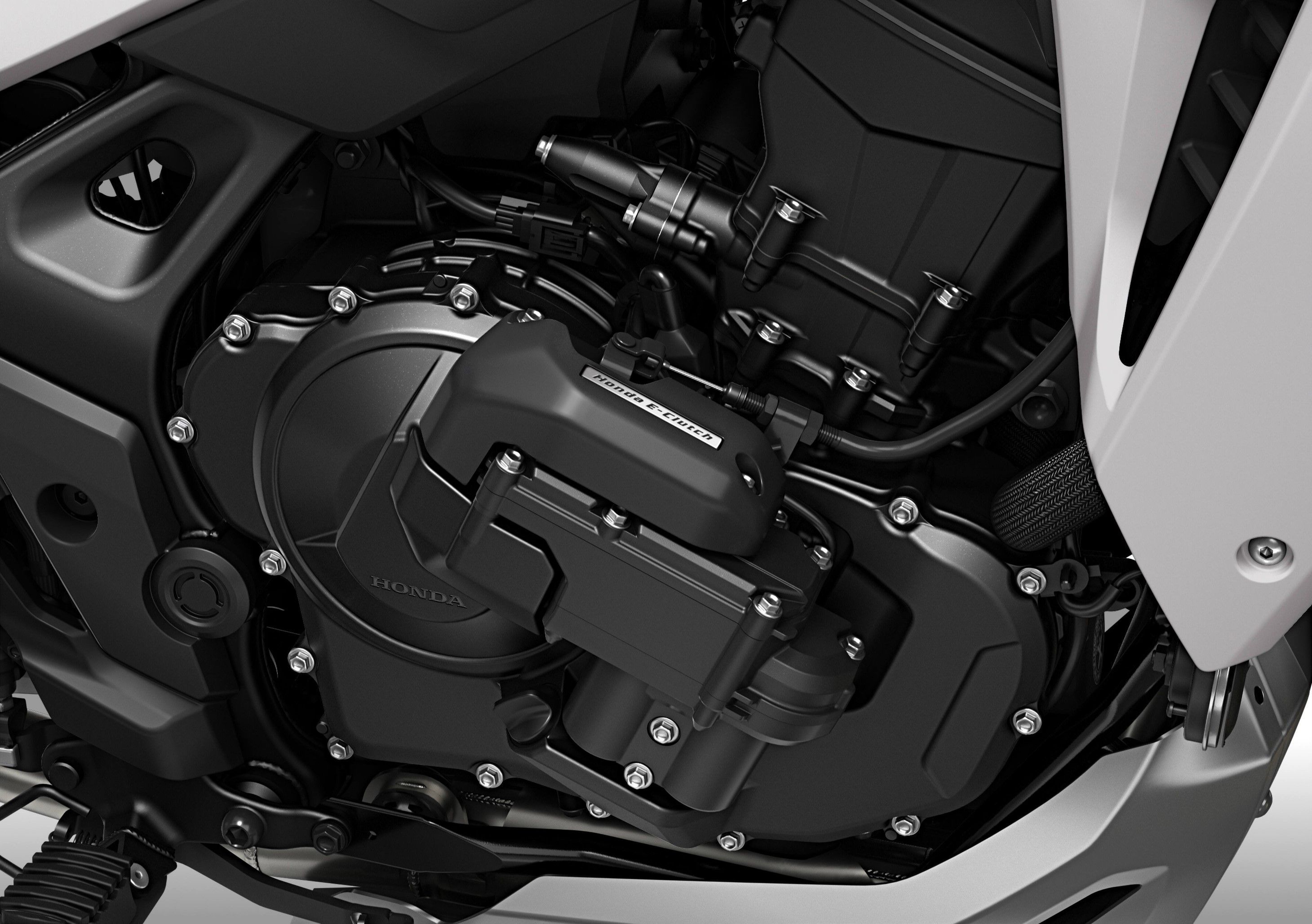
Small detail, big message: it's not just an ordinary clutch, it's also a sophisticated electronic management system.
So, what exactly is the electronic clutch (E-Clutch)? Honda's system isn't a dual-clutch like Honda's DCT, we already know that, it's something different.
It's your old clutch, with the lever exactly where it's always been, but with an intelligent system that decides when to engage on its own. But the gearbox is manual, and you still operate it with your foot and you're the one who changes gears – the DCT is fully automatic, both the gearbox and the clutch.
You turn it on, turn it off, maneuver in a hellish parking lot in forty-degree heat, with your helmet on and your nerves on edge... and the bike doesn't stall. Never. Because the clutch only works when you're not using it. Want to use it manually? Use it. The lever responds. Want to forget it exists? Forget it. It works both ways, and that's a silent revolution, pure democracy. We even managed to start in sixth gear, from a standstill, and the bike takes off, even uphill.
Magical! According to the brand, the system's operation also guarantees a longer lifespan for the discs, as the mechanism always acts with precision.
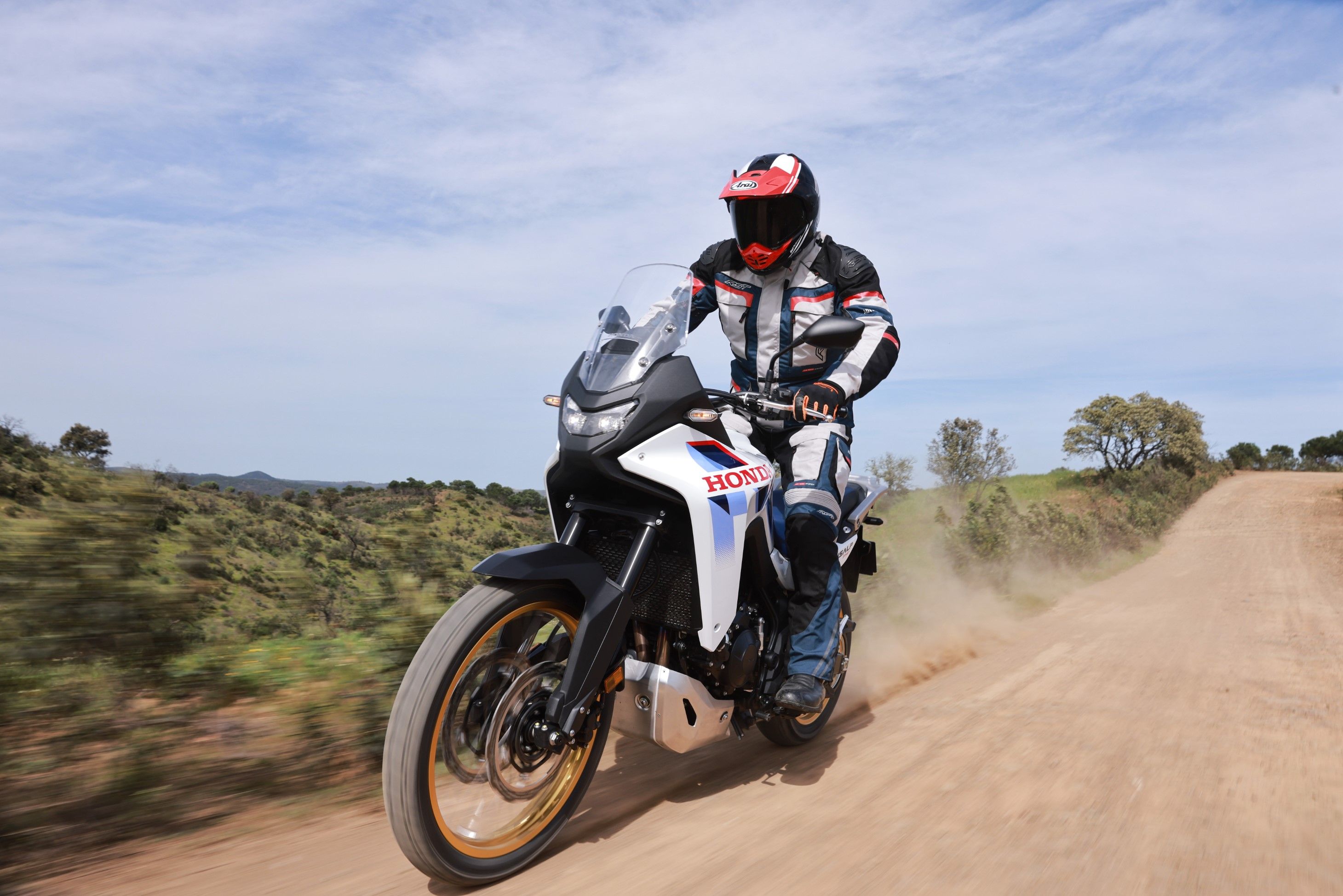
Moreover, for off-road use, those who like to control the bike with the manual clutch in technical areas, or those who like to lift the wheel to get over obstacles, such as ditches, or do wheelies, can do so because, when pressing the lever, the system goes directly to manual mode and, when we stop using it in manual mode, it returns to automatic mode on its own in seconds.
The only downside is the extra weight on the bike. Even so, it's fantastic! The comfort it provides to the hands, the performance in slow-paced urban environments, and the excellent handling on open roads and in sporty riding. It's always part of my equipment. Combined with an engine that remains unchanged.
The heart of the 2026 Transalp is the well-known 755cc parallel-twin engine that delivers 67.5 kW (91.8 hp) and 75 Nm of torque, also available in a limited version for drivers with an A2 driving license. It's an agile and versatile engine. And we can't forget that the electronic clutch is the icing on the cake.

The engine responds with impressive smoothness. It's not a bike that gives you a jolt and leaves you trembling; it's a bike that accelerates consistently, has torque from low revs, breathes easily in the city without effort, and cruises at highway speeds without giving the impression that the engine is going to give up.
The riding position is perfect: upright, comfortable, with that high handlebar that provides visibility and confidence. The chassis, the suspension, the 21-inch front wheel, which is still the ideal size for off-road riding... Everything reflects a philosophy that Honda has been perfecting for decades: the motorcycle works for you, not the other way around.
Tuned...The Transalp also features improvements in its most criticized aspect: the suspension, which is now fully adjustable. This is the other big news, and anyone familiar with the Transalp knows what this means. The 43mm Showa inverted fork retains its 200mm of travel, but in 2026 both the front fork and the rear shock incorporate compression and rebound adjustments, expanding the bike's potential in terms of rider preference and adaptability to terrain conditions.
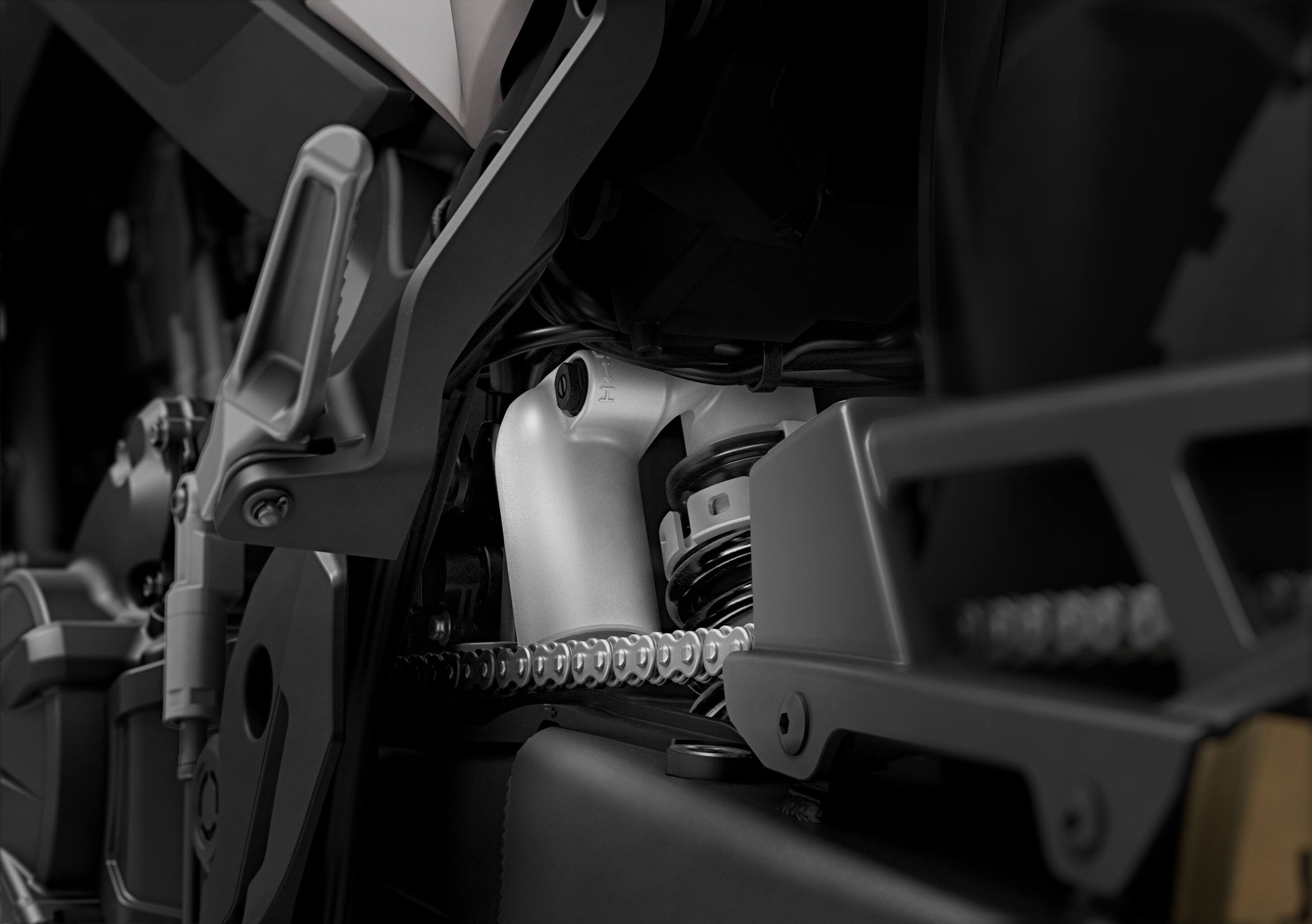
Previously, it was possible to adjust the preload. Now, you can adjust everything. This makes the Transalp a much more robust motorcycle for those who want to explore the limits of off-road capability without sacrificing comfort on the road.
The work on the suspension has been completed, especially on the shock, which was previously unstable and not entirely precise.
Not only is its setting adjustable, but it now resembles that of a full touring motorcycle, with a sporty feel, unlike before, when it was designed primarily for touring, prioritizing comfort above all else. This was a conceptual error in the intended use of the Transalp, now corrected by the brand's engineers, who finally got the suspension right.
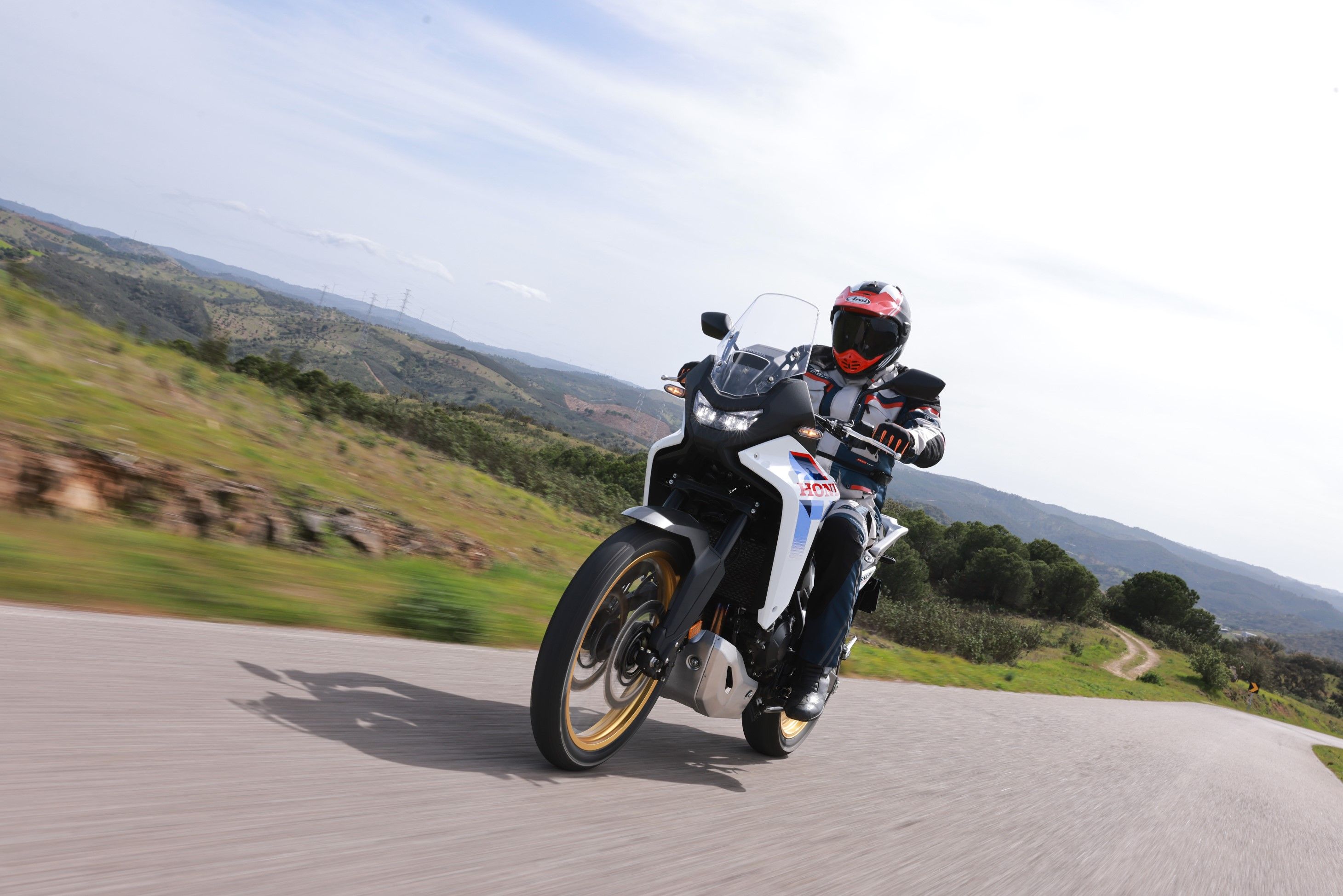
Also included as standard is a 2.5 mm thick aluminum lower skid plate with an improved aerodynamic design. An even more robust and enveloping lower skid plate, with greater coverage, is available as an option, protecting both the crankcase and the exhaust system. This demonstrates that Honda knows who buys this motorcycle and for what purpose.
There are motorcycles that ask your permission to get on. That look at you with a certain superiority, as if saying: "Are you sure you can handle this?". And then there's the Transalp.
The Transalp opens the door for you, hands over the keys and says: "Let's go, let's do this". Honda has spent decades perfecting this philosophy and, with the Transalp's electronic clutch, has taken a step that, let's be honest, not everyone expected. An electronic clutch on a mid-displacement adventure motorcycle.
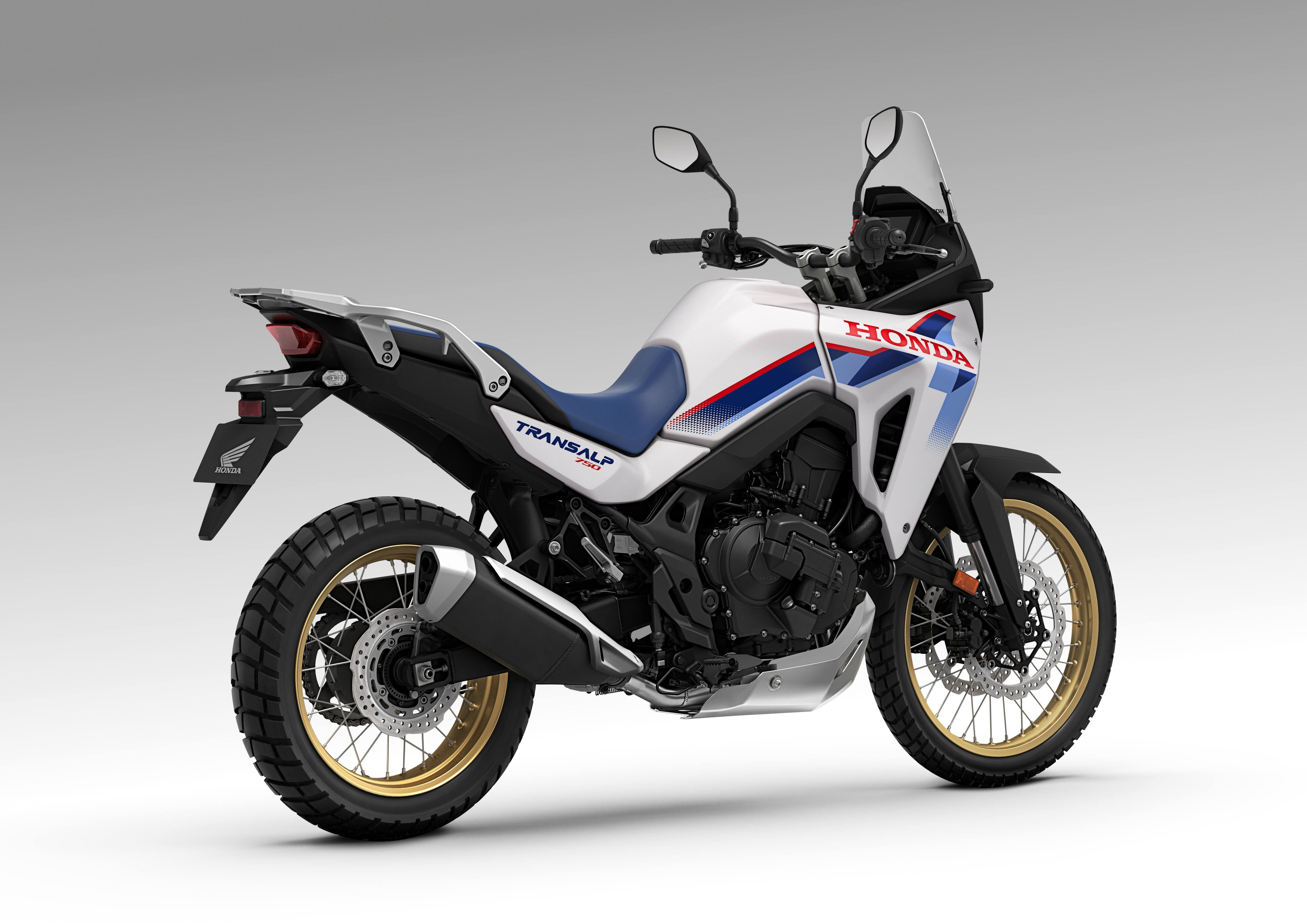
It's not a superbike, but a hypersport. A mid-displacement adventure motorcycle. The one that can be yours. Mine. Compared to the Africa Twin, the Transalp remains the smart choice: less motorcycle on paper, just as capable in practice for 95% of real-world uses. Who is this motorcycle for?
For those who have always dreamed of an adventure motorcycle but feel intimidated by the clutch in traffic. For those who enjoy weekend rides and also use the motorcycle during the week to go to work.
For those who want technology without paying the price of a racing motorcycle. The Transalp is not the most radical motorcycle on the market, nor the most extreme, nor the one that looks most impressive in an Instagram photo.
It's something better: it's the most useful motorcycle. The one you'll want to ride as many kilometers as possible on. The one that won't apologize for you, nor ask you to apologize for it. And, deep down, that's what many of you are looking for.
by Autonews


Nenhum comentário:
Postar um comentário