GM
/i.s3.glbimg.com/v1/AUTH_cf9d035bf26b4646b105bd958f32089d/internal_photos/bs/2026/4/M/hBY6ChRJKspIo75K2Xsg/chevroletsonic-dianteiramovimento.jpg)
New Chevrolet Sonic
General Motors has prepared a new Chevrolet Sonic for the South American market, with which it will compete with models such as the Volkswagen Nivus, Fiat Pulse and Renault Kardian.
Measuring 423 cm long, 177 cm wide and 153 cm high, the Sonic tries to balance sporty proportions with good use of interior space. There are no pictures of the interior yet, but it is said that the Sonic will raise the bar compared to the Onix. The most important feature is the Virtual Cockpit system, which integrates a digital instrument cluster and multimedia system into a single unit.
GM chose Brazil for the world premiere of the Chevrolet Sonic, reinforcing the model's relevance as the brand's main launch in South America this year.
The project introduces a new SUV coupe concept to the compact car segment, incorporating sophisticated vehicle dynamics, a strong visual presence, and a level of detail previously seen only in higher-category vehicles.
Sales begin in May, supported by a communication strategy that reinforces the product's positioning and highlights its main attribute: its striking design. The car's first film features the tagline "It won't leave your head," with the hit song "Can't Get Out of My Mind" as its soundtrack.
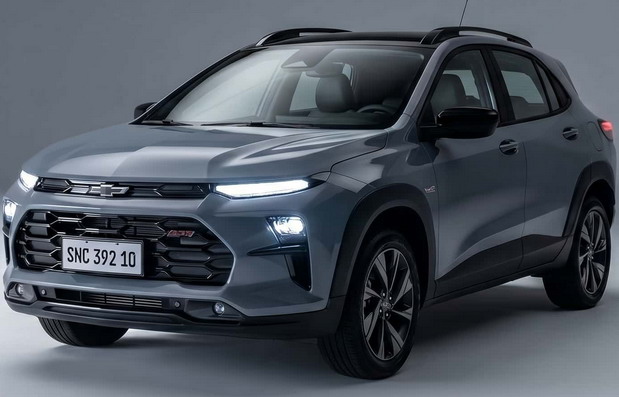
The Sonic was developed entirely in a virtual environment. It originates from a process driven by artificial intelligence that optimizes the collaborative work of engineers and designers from the initial stages, refining body proportions and surfaces in an integrated way. This method allows structural and aesthetic decisions to evolve with greater precision.
Drawing inspiration from models like the Chevrolet Equinox EV, the project proposes a contemporary design, aligned with an increasingly technology-driven urban environment and, at the same time, with the expectations of consumers seeking differentiation to express their personality.
At the front, the Sonic adopts the latest design language of Chevrolet's global SUVs. The higher front end establishes a solid base for the overall design, while the creases on the hood direct the eye towards the center of the vehicle and enhance the perception of width.
The elements are arranged horizontally, with the grille divided into two well-defined levels: the lower portion concentrates the greater visual volume, and the upper portion connects to the LED daytime running lights. This luminous signature reinforces the model's identity and incorporates multiple functions (DRL and turn signal) in a single element, allowing the rest of the front to be resolved with greater precision and less aesthetic interference.
The main headlight uses a projector for high and low beams, a feature that guarantees almost 20% greater illumination power than conventional systems and, at the same time, allows for a discreet opening at the bottom to aid in brake cooling and contribute to aerodynamic efficiency. Another bold solution is the auxiliary fog lights, treated in a minimalist way in the spoiler area, so as not to compete with the other elements.
Also noteworthy is the multi-piece bumper, with different surfaces and color combinations, such as high-gloss black, matte black, and the body color in the top-of-the-line RS version. Crowning the ensemble, the Sonic debuts Chevrolet's updated bowtie, more horizontal and with a black application. The illuminated option is one of more than 70 accessories designed for the car.
It is in the side view that the SUV coupe concept is fully revealed. The arched silhouette leads the design to the rear with a more pronounced slope than in traditional SUVs, while the elongated rear portion of the body differentiates it from adventure hatchbacks. In the Sonic, the roof rack has a load capacity of up to 50 kg.
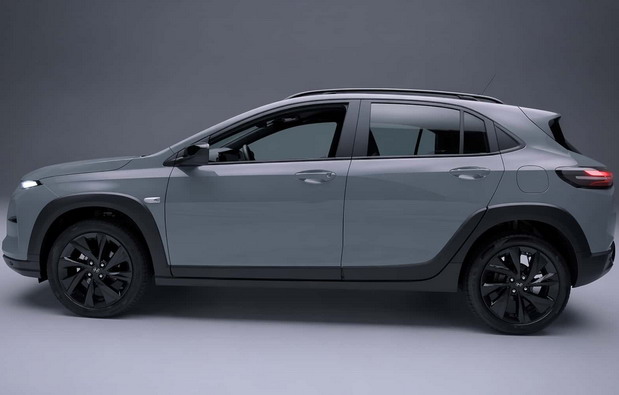
The moldings that surround the entire base of the vehicle, including the fenders, reinforce its robustness, protecting the most exposed areas, and also help to convey the impression that the car exceeds almost 20 cm of ground clearance. The 17-inch wheels have an exclusive design for each version of the product and can receive red accents inspired by Chevrolet's Redline editions.
At the rear, the Sonic intensifies the perception of width through a transverse organization of the elements. The LED taillights, with a three-dimensional construction, extend slightly beyond the body plane and form a segmented bar, creating a technically-oriented light signature.
The more inclined rear window does not compromise visibility, while the extension of the tailgate optimizes the trunk capacity. Wide and clean surfaces predominate, supported by choices such as the positioning of the license plate in the lower region of the bumper and the concealment of the luggage compartment opening mechanism or the exhaust outlet. All of this avoids visual interruptions and allows for a precise reading of the proportions. Meanwhile, the aerodynamic package helps control airflow in the area, balancing efficiency and acoustic comfort.
The cabin features a unique volume, designed for optimal balance in space between front and rear passengers, from head to toe. The horizontal lines of the dashboard visually widen the interior, which is characterized by a high-tech atmosphere. The highlight here is Chevrolet's Virtual Cockpit System, which combines a digital instrument panel with advanced multimedia connectivity.
Areas of the dashboard, steering wheel, seats, and central and side armrests feature soft-touch coverings with exclusive finishes and a level of sophistication similar to that of the brand's larger utility vehicles.
One example is the premium seat covers with an extra layer of foam, inherited from the Tracker. This solution helps to better mold to the body, enhancing the feeling of comfort, especially on long journeys.
The multifunction steering wheel displays the updated Chevrolet logo in the center and features Black Piano inserts to surround the shortcut controls for the audio system and Chevrolet Intelligent Driving. All of this provides a connection between technology and the tactile experience of the driver. The higher driving position completes this package, offering excellent visibility and the control associated with SUVs.
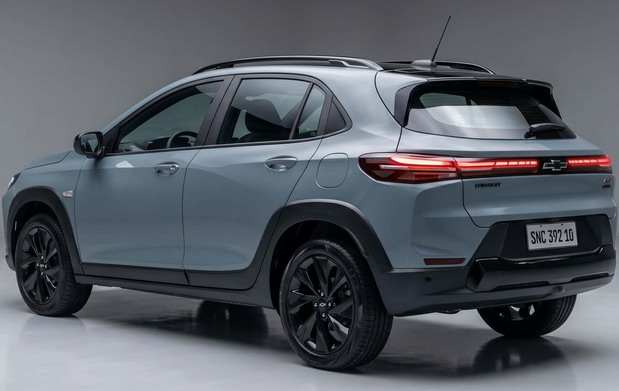
Regardless of the trim level, the vehicle name emblems and the "Turbo" engine badge are black.
According to the report, the Sonic is not intended to be just another compact SUV on the market. With a more emotional appeal, the model represents a significant shift in General Motors' strategy in Brazil.
A key new feature will be the debut of a new intelligent driving system, with sophisticated advanced driver assistance systems (ADAS).
Although Chevrolet has not yet released official details, it is expected that the Sonic will use the 1.0-liter three-cylinder turbocharged gasoline engine from the Chevrolet Onix, which has 116 hp.
Official sales of the Sonic will start in May.
by Autonews



Nenhum comentário:
Postar um comentário