CITROEN

ë-C3 Urban Range 2026: the city car that brings electric vehicles to the real world...All this for 12,000 euros
Citroën had already explored the urban electric car long before it became a trend. The electric Saxo represented a first attempt, limited by technology, which some of us had the opportunity to test in Paris in the late 1990s.
But now the current C3 breaks with everything we knew until then... especially in the electric ë-C3 version. It needs 4.01 meters of space on the curb to parallel park and adopts an aesthetic closer to an urban crossover than a classic hatchback. The body gains height, with greater ground clearance — 163 mm in the electric version — and a more robust presence.
Citroën has taken a sharp, practical step with the Citroën ë-C3 Urban Range. Instead of chasing a larger battery and a bigger brochure number, it has built a version of the ë-C3 that targets what many European drivers actually do every day: short commutes, school runs, supermarket stops, and steady city traffic. That decision gives the car a clear role in the market. It also gives buyers a more realistic entry point into affordable electric car ownership.
That matters because the small EV market still suffers from a basic problem. Many buyers want the lower running costs and quiet operation of an electric car, but they do not want to pay for battery capacity they rarely use. The new Citroën ë-C3 Urban Range answers that concern with a smaller 30 kWh battery, the same 113 hp electric motor, and a full-sized supermini body that still works as an everyday family hatchback.
Citroën is not selling fantasy here. It is selling a simpler equation. Keep the cabin space. Keep the decent power output. Keep the ride comfort. Trim the battery. Trim the price. For city-focused buyers, that formula makes more sense than many longer-range EVs that spend most of their lives carrying unused battery weight.
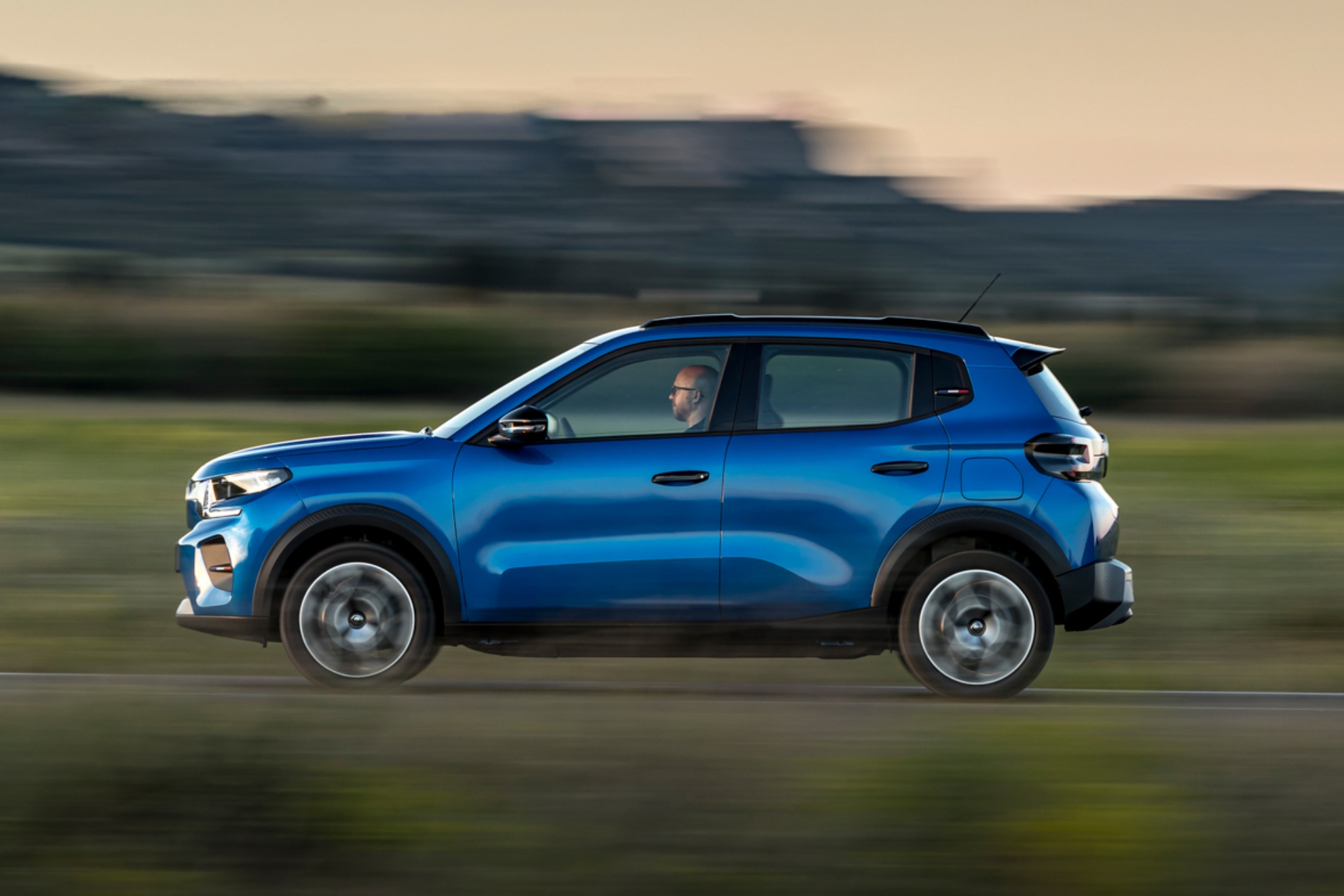
What the Citroën ë-C3 Urban Range actually is...The Citroën ë-C3 Urban Range sits below the standard ë-C3 electric model in battery capacity, but not in the things that define daily usability. It remains a proper B-segment hatchback with a tall roofline, upright seating position, and a footprint large enough to serve as a main household car for drivers whose lives stay mostly local.
Citroën keeps the same 83 kW motor, equivalent to 113 hp, and pairs it with a 30 kWh LFP battery. The result is a car aimed at city and suburban use, with over 200 km of WLTP range and over 300 km in urban driving. Those figures do not try to impress long-distance drivers. They are aimed at buyers who want a dependable, compact EV that fits modern urban routines.
The important part is that the Urban Range does not turn into a bare-bones compromise. It still offers the basic shape, stance, and practicality of the standard ë-C3. That gives Citroën a stronger argument than ultra-small budget EVs that save money by shrinking everything.
The front features Citroën's new design language, with horizontal LED headlights and a simple light signature. The pronounced wheel arches, black protective elements, and details such as the roof bars and colored clips reinforce this image, which is more functional than aesthetically pleasing.
A city dweller inside...The interior follows a clear logic: reducing complexity. Traditional instruments are replaced by a head-up display, while the multimedia system is based on a 10.25-inch central screen with wireless connectivity. There is no excessive digitization.
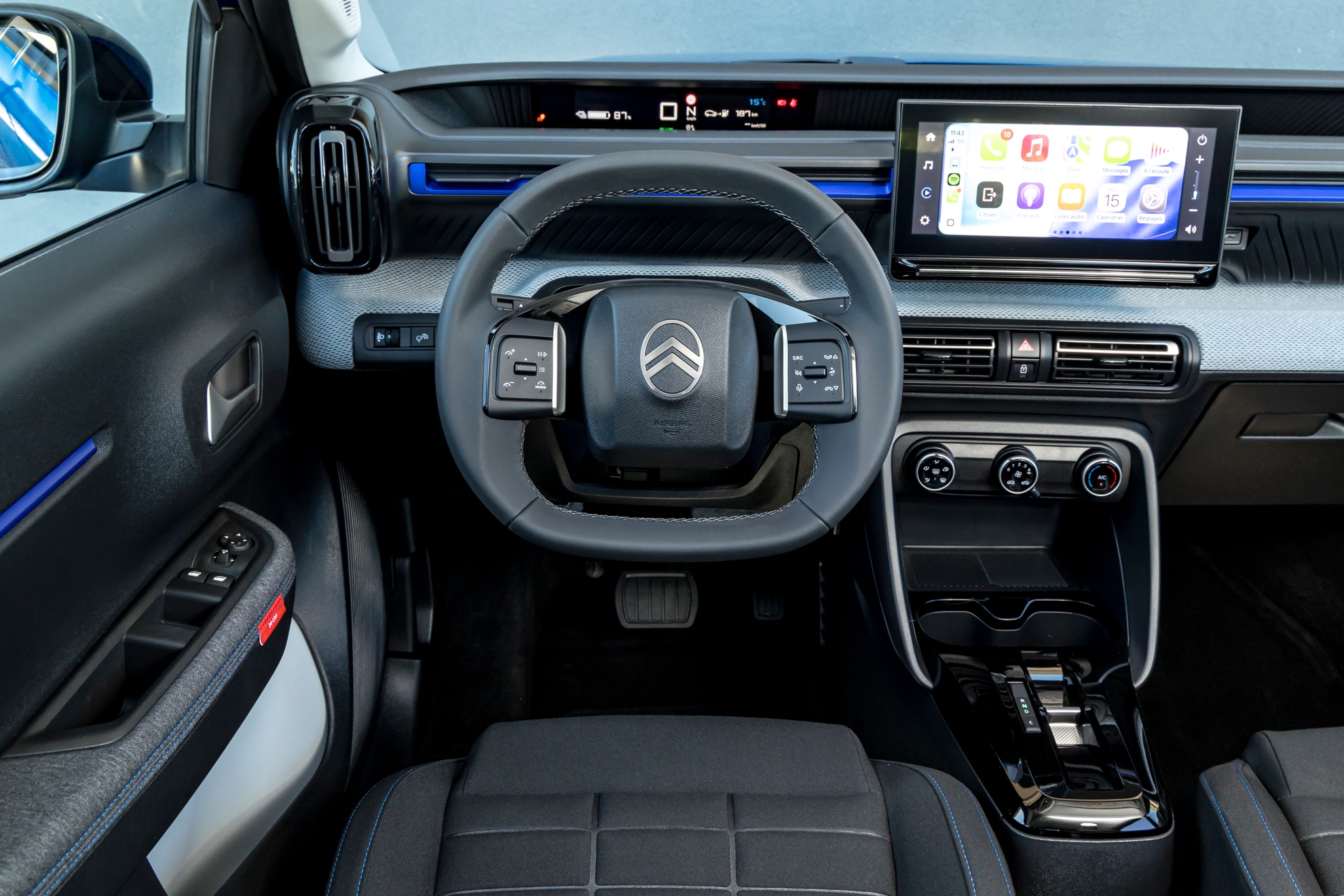
Physical controls for basic functions and a simple layout have been maintained. The interior space is well-designed for the segment, with five seats and a 328-liter trunk, more than enough for daily use. The Advanced Comfort seats and the interior design as a whole prioritize comfort over any sporty features, in line with the brand's long-standing philosophy.
The ë-C3 incorporates essential assistance systems without seeking the spotlight: automatic emergency braking, lane keeping assist, traffic sign recognition, and cruise control with speed limiter.
Where it truly excels is in comfort. The Advanced Comfort suspension is one of its main features, with a calibration designed to filter out road imperfections. This is complemented by a discreet technological approach, without overwhelming the driver with unnecessary functions. Incidentally, the car's functions are accessed via your smartphone screen, which you can mount horizontally or vertically — the choice is yours.
Engine for everyday use...The electric range revolves around a single 113 hp (83 kW) motor with 124.5 Nm of torque and two LFP battery configurations. The "Urban Range" version, with a 30 kWh battery, boasts a range of up to 213 km according to the WLTP cycle and over 300 km in urban driving, clearly designed for city use. During my initial test, I spent two hours driving in urban and highway traffic and confirmed that its energy consumption is remarkably low.
The higher-capacity variant, with 44.2 kWh, extends the range to 328 km WLTP and up to 460 km in urban cycle. Charging is supported up to 7.4 kW AC as standard (11 kW optional) and up to 30 kW DC in the basic version, while the variant with the larger battery allows fast charging up to 100 kW.
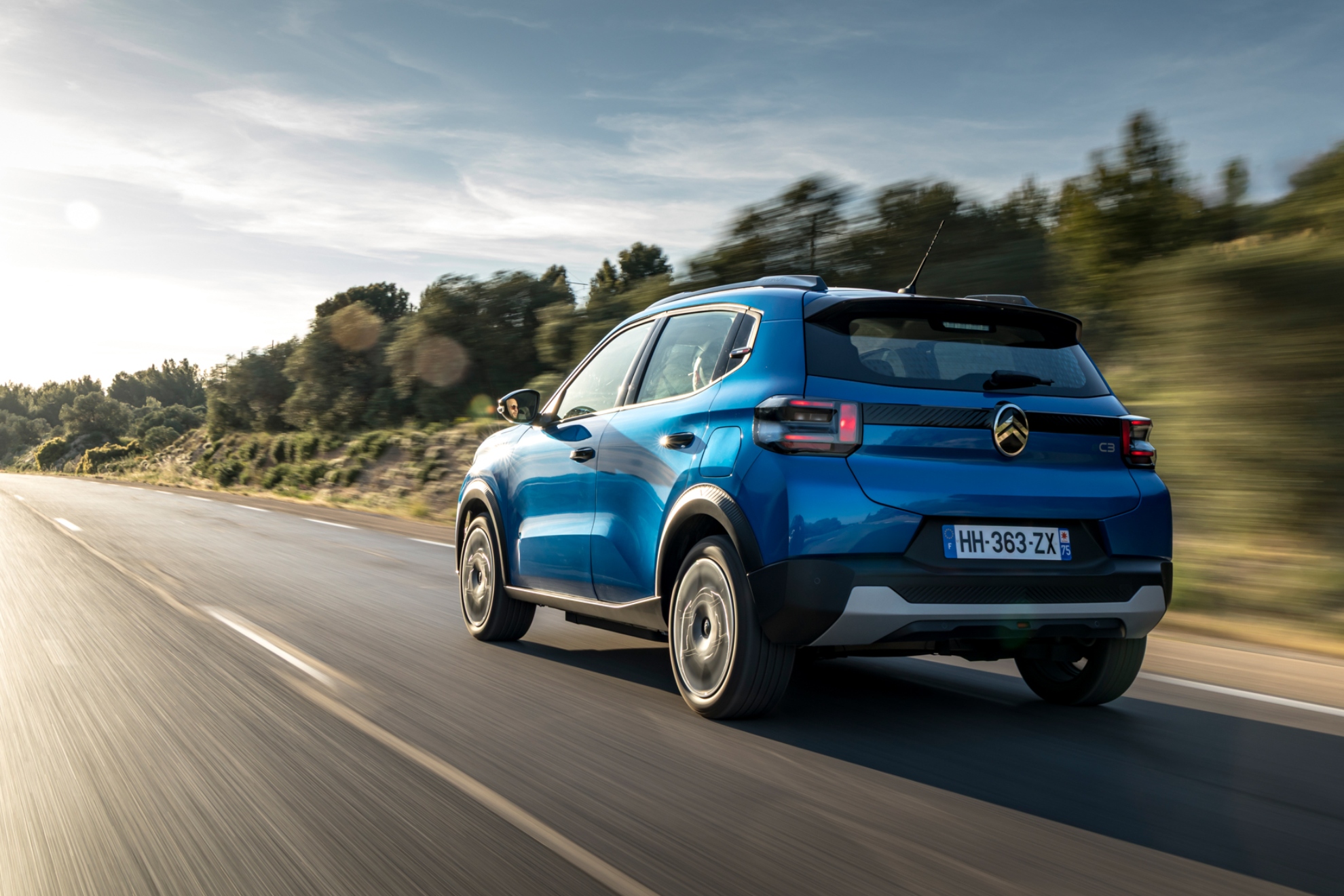
For those who don't want to opt for electricity, the range is complemented by 100 hp combustion engines and 110 hp hybrid versions, which keeps the C3 as a versatile option in its segment. The ë-C3 doesn't aim to lead in performance or technology. Its approach is more specific: to offer an electric vehicle that integrates easily into daily use.
From there, what really matters is its performance on the road: comfortable for short trips, pleasant in the city and very practical.
How much will I spend? Not much...If you're a true city dweller and don't want to drive with polluting emissions, the ë-C3 You with the smaller battery will cost €17,100 before subsidies are deducted, which will make its price even lower than €12,000 with all the discount possibilities offered by the brand (direct reductions, CAE and Auto+ Plan).
by Autonews

:strip_icc()/i.s3.glbimg.com/v1/AUTH_cf9d035bf26b4646b105bd958f32089d/internal_photos/bs/2021/e/R/gSPPBXTC6dO3lVwwNT7g/catsvaii.jpg)


Nenhum comentário:
Postar um comentário