RENAULT
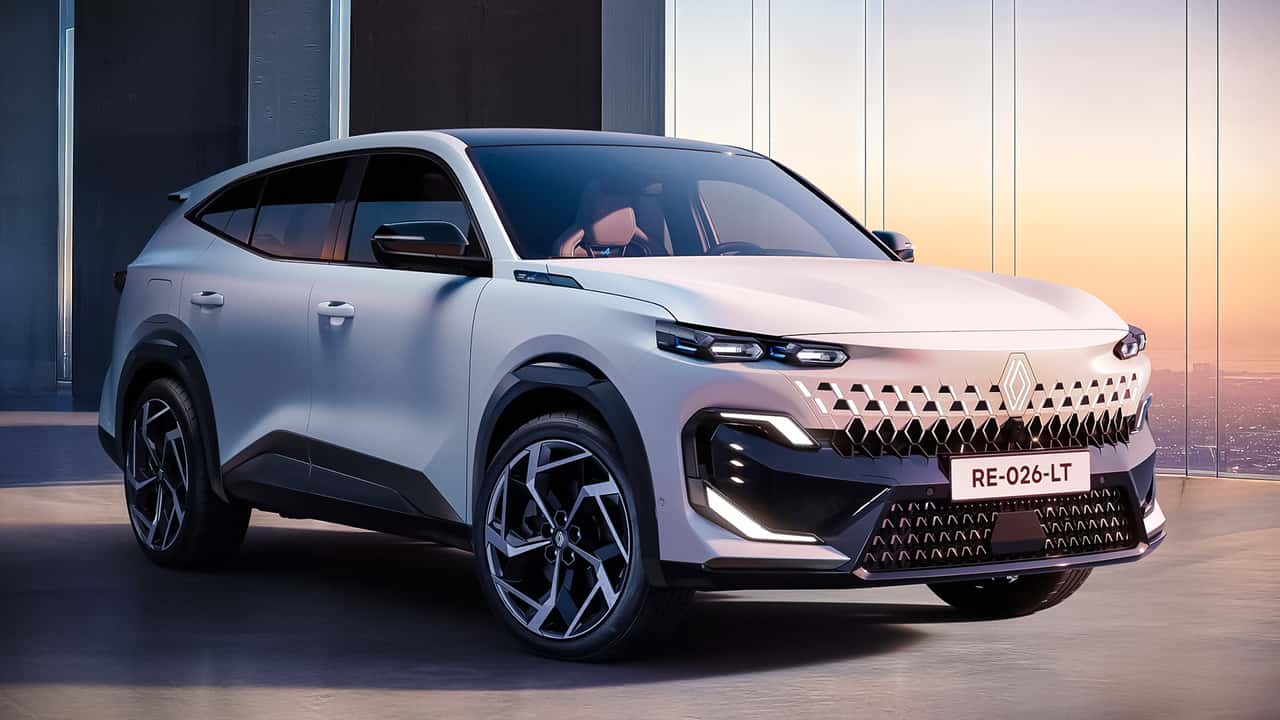
Renault Filante: the new French-Chinese SUV
The new Renault Filante, a luxury SUV designed to compete with brands like Volvo and Audi outside of Europe. Built on the Geely platform, it was developed specifically for regions outside the old continent and it wouldn't be surprising if it arrived in Brazil at some point, as will happen with the Koleos in 2026.
The model was revealed in South Korea, where it is also produced and will be launched first. The Filante is the fifth model in Renault's "International Game Plan 2027," which aims to position the brand more strongly in other growing markets such as Latin America, India, Turkey, South Korea, and Morocco.
It's bold, without a doubt. With the Filante, Renault is targeting the luxury segment and betting on presence. Visually, it looks like an elongated version of the Renault Rafale. What also catches the eye at first glance in the photos: in the side profile, certain similarities with BMW's controversial XM tank are undeniable.
Renault itself describes the vehicle as a crossover between a sedan and an SUV. However, in our opinion, it has much more of an SUV and little (or nothing) of a sedan. The front features a radiator grille that clearly differentiates itself from current European models. An illuminated 3D structure is reminiscent of the Renault diamond, with a gradient from the car's color at the top to glossy black at the bottom.
At 4,915 mm long, 1,890 mm wide and 1,635 mm high, the Filante is the largest car in Renault's current lineup. For comparison: it is only three centimeters shorter than a BMW X6.
Large, the Filante measures over 4.9 m in length, 1.90 m in width, 1.63 m in height, and a wheelbase of around 2.82 m. The excellent trunk of over 630 liters is surprising, which is only possible thanks to an important detail of the model's design: it only exists in five-seater versions, without a third row of seats. In any case, there is plenty of luxury, refinement, and interior space in the SUV, which, here, will be the most luxurious car of the brand.
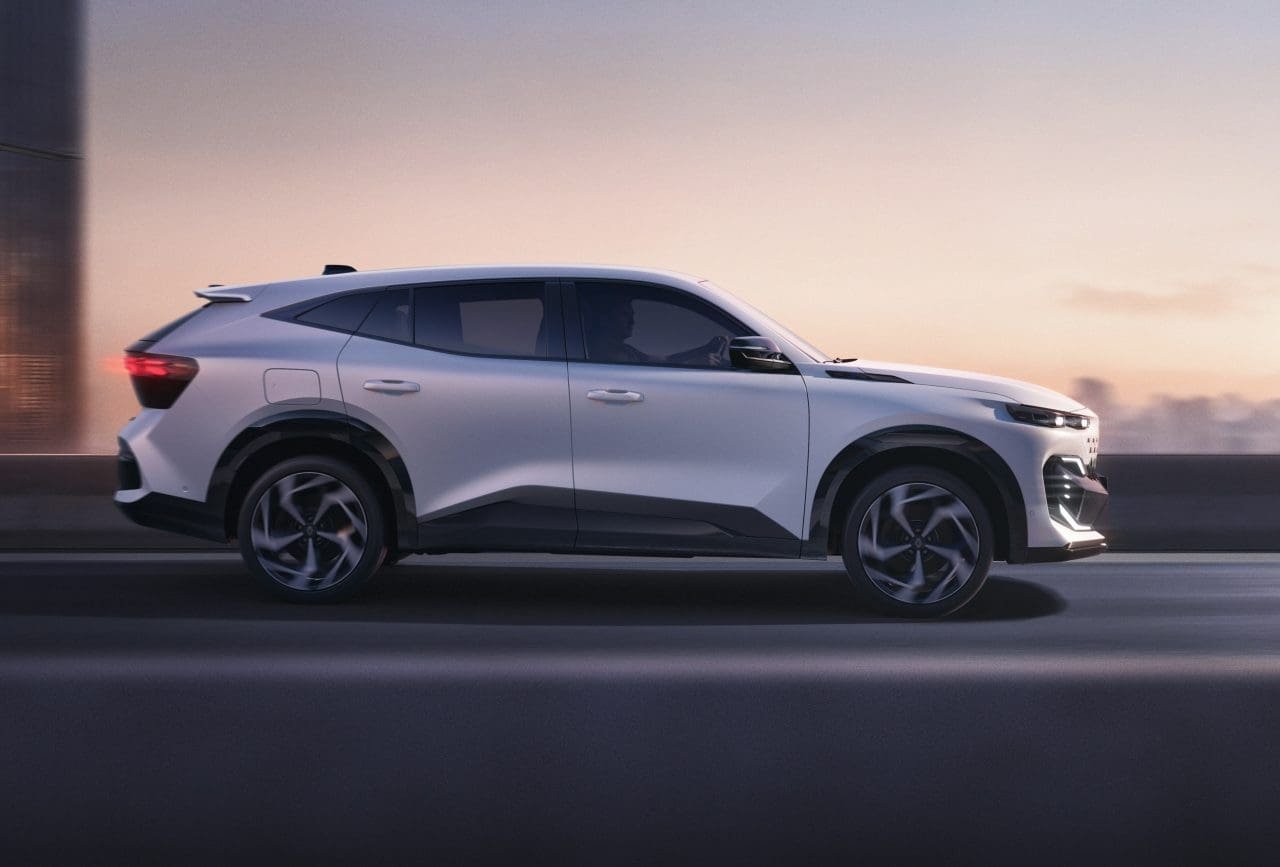
In terms of design, it draws from Renault's most recent global source. It bets on bolder and, at the same time, clean lines. Fluidity and sportiness prevail in the side and, especially, rear views. Its front is also one of the most modern, but it is reminiscent of our well-known Boreal. Inside, the highlight is the three screens, totaling almost 37 inches: one for digital instrumentation, another for the central multimedia system, and a third for front passenger entertainment, with 12.3 inches each. There is also a huge panoramic sunroof.
Judging by the photos, the car seems to follow a line of refinement typical of Chinese cars: exquisite materials, a good mix of colors, shapes and textures, and a bold appearance like the exterior. Still, it maintains the Renault personality. It promises a sound system signed by Bose, unprecedented driver assistance systems, automatic digital air conditioning with different temperature zones, seats with electric adjustments and massage, among other luxuries.
Renault also excels in the cockpit. The instrument panel is dominated by three 12.3-inch screens (speedometer, central display and a separate screen for the passenger). This is complemented by a 25.6-inch augmented reality head-up display.
The "lounge" seats are made of a leather-like material and have integrated headrests. The metallic trim on the headrests reinforces the impression that it was heavily inspired by the Munich luxury range (keyword XM).
Among the technical innovations available for the first time in a Renault are a digital rearview mirror (which eliminates the need for a rear windshield wiper), a steering assist system, and a child recognition system.
Under the bodywork lies familiar Chinese technology: the Filante is based on an adapted version of Geely's CMA platform. We already know this architecture from the Volvo XC40 or the Polestar 2.
The car is powered by a 1.5-liter turbocharged gasoline engine, assisted by two electric motors. The system output is 250 hp. As charging infrastructure in target markets is often still incomplete, it is a classic hybrid (HEV), not a plug-in hybrid. Renault promises that the car consumes 50% less fuel in real-world driving conditions than a comparable internal combustion engine vehicle.
The name "Filante" is a Renault tradition. The Étoile Filante (shooting star) was a vehicle that broke speed records in the 1950s. Only in 2025 did the French revive the name with a record-breaking electric concept car. The fact that it is now precisely a robust and aerodynamically challenging SUV that bears this name is somewhat ironic.
Autonews



Nenhum comentário:
Postar um comentário