AUTONEWS
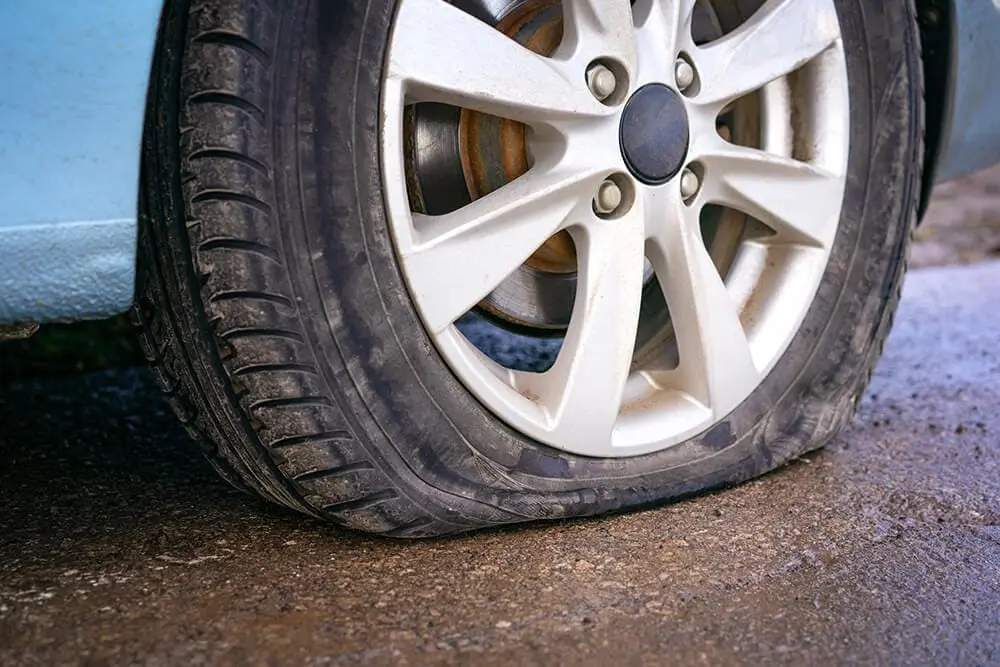
What is more profitable when you have a flat tire - repair or replacement?
There are things that nobody likes, and a flat tire definitely falls into that category.
In addition to taking your nerves and time, a flat tire can also fill up the bill. However, it does not mean that you have to buy a new one right away. At least that's what DEKRA claims, the largest independent vehicle testing and certification organization in the world.
"In principle, there are many things that can be repaired on tires," explains Christian Koch, tire expert at DEKRA, and adds that a small defect does not have to immediately mean replacing the entire tire. If properly repaired, it can often be used for a long time.
He also busts one of the myths:
"It is not true that only tires approved for a certain speed can be repaired. It always depends on the extent of the damage and the general condition of the tire.
Expert assessment is key
"The most important thing when repairing a tire is not the procedure itself, but the expert assessment of whether the damage can be repaired at all. This is a complex issue and should be left to trained service personnel," emphasizes Koh.
In order to assess whether a tire is suitable for repair, it is prescribed that it must be removed from the rim. Only then can an expert thoroughly inspect the tire and the interior, including the sidewalls, to determine whether they are undamaged.
"From a technical point of view, tire repair is no longer a mystery today," says Koh, but he still advises drivers not to try it themselves.
In addition to professional knowledge and experience, technical equipment is also required, which not every workshop has.
Mistakes that make it impossible to repair...Those who want to preserve the possibility of repairing a tire should avoid making these mistakes. “If, for example, you pour sealant into a tire to seal a puncture from the inside, you can’t repair it later – the tire has to be replaced,” explains Koh. He adds that a flat tire should never be driven without pressure, even for short distances, as this can permanently damage the tire.
The best solution when a puncture occurs is to fit a spare or temporary tire immediately. This way, the damaged tire can be repaired later and its lifespan extended.
Repairing a flat tire is generally more profitable and cost-effective than replacing it, provided the damage is minor and located within the safe repairable zone. A typical repair cost is roughly $20-$30, whereas a new tire can cost upwards of $100.
However, the decision depends on safety and the extent of the damage. Here is a breakdown of when to choose each option based on profitability and safety:
When repair is most profitable...Small punctures: A nail or screw in the center tread area (about 1/4 inch or smaller) can usually be repaired with a patch-plug combo, maintaining the tire’s longevity.
Good tread remaining: If the tire is relatively new, repairing it saves the cost of a new tire.
Free repair programs: Many tire shops offer free repair if you bought the tires from them, making it the most profitable option.
When replacement is necessary (Less Profitable, Safer)
-Sidewall or shoulder damage: Punctures or cuts on the edge or sidewall cannot be safely repaired and require replacement.
-Run-Flat damage: If the tire was driven while totally flat, the inner lining may be destroyed, making repair impossible.
-Low tread depth: If the tread is already close to the limit (below 4/32 inch), it is better to replace the tire than to invest in repairing an old one.
-AWD vehicles: Some All-Wheel Drive vehicles require replacing all four tires if one is destroyed, making repair highly desirable if possible.
-Key takeaway: Always have a professional inspect the flat tire. A "patch-plug" repair from the inside is preferred over a simple exterior plug for long-term safety.




Nenhum comentário:
Postar um comentário