AUTONEWS
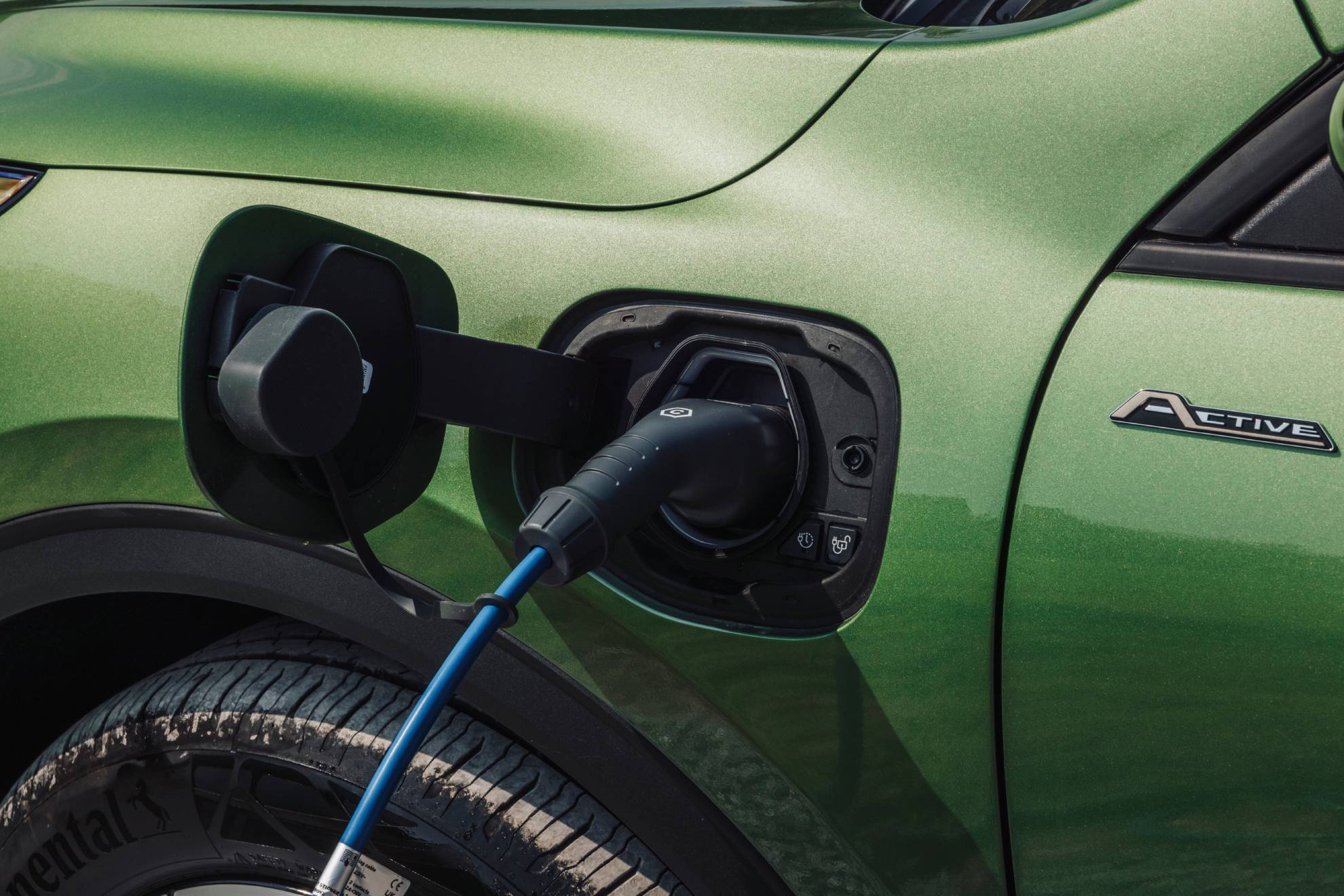
Fact or fake: plug-in hybrid cars consume 'like a moped'
Those absurdly low fuel consumption figures that plug-in hybrid cars boasted are now a thing of the past. Since January 1st, all cars sold must comply with the Euro 6e-bis standard, which has brought a bit more rationality by reflecting more realistic fuel consumption and emissions figures for this type of car.
Most models available until December 31, 2025, obtained their homologation through fairly flexible methodologies, and now all these models have had to be revalidated to maintain their sales authorization. This means, for example, that the Ford Kuga PHEV no longer boasts an average fuel consumption of 0.9 l/100 km, but rather an average of around 2.7 l/100 km, which is more in line with the reality of daily use. The same applies to its carbon dioxide emissions, which have increased from 20 to 52 grams per kilometer.
The reason for this change lies in the so-called "Utility Factor". This factor estimates the proportion of the journey made in electric mode compared to the use of the combustion engine. Previously, calculations were based on a simulated distance of 800 kilometers. The new standard raises this value to 2,200 kilometers, recognizing that the combustion engine is used more frequently than initially thought. These emissions tests are also more rigorous, as the new tests cover a wider range of temperatures, including tests at zero degrees Celsius.
As a result of this new regulation, many cars have lost the tax incentives they previously enjoyed. This means that, in some cases, their price may have increased.
The claim that plug-in hybrid (PHEV) cars consume "like a moped" is technically possible in specific scenarios, but requires the battery to be charged regularly. By 2026, modern models will deliver efficiency figures that exceed the average consumption of 50cc mopeds, which are around 35 to 50 km/l.
Fuel consumption comparison (2026 data):
While a traditional moped gets around 45 km/l, the most efficient plug-in hybrid cars on the Brazilian market show equivalent or superior numbers in Inmetro tests:
BYD King 2026: Registers up to 44.2 km/l of equivalent consumption in an urban environment, surpassing many low-displacement motorcycles.
BYD Song Pro 2026: The SUV reaches 40.6 km/l (equivalent consumption) combining electricity and gasoline.
Caoa Chery Tiggo 8 Pro PHEV: Shows averages of approximately 30.3 km/l.
Toyota Yaris Cross Hybrid (2025/2026 Launch): Promises averages of up to 30 km/l.
The "Secret" to moped fuel consumption(below)
To achieve this economy, the vehicle must be used strategically:
Daily Charging: High efficiency (e.g., 44 km/l) is only real if the driver charges the battery at an outlet. Without a charge, the car becomes just a heavy combustion vehicle, with much lower consumption (often below 15 km/l).
100% Electric Mode: Many current PHEVs have an electric range of 80 to 120 km. If your daily commute is less than that, gasoline consumption will be zero, which is infinitely superior to any moped.
Urban Environment: Unlike regular cars, hybrids are more economical in the city because they recover energy during braking and use the electric motor in stopped traffic.
This change also represents a problem for manufacturers, as the European Union is closely monitoring the average CO2 emissions limit of 115 grams per kilometer, established for the period up to 2027. Exceeding this limit entails enormous penalties that manufacturers are trying to avoid, among other measures, by optimizing their plug-in hybrid systems.
When they consume "like a moped" (Efficient Use)
100% electric mode: Recent models can travel more than 100 km without consuming a drop of gasoline, depending only on the battery being charged from a wall socket.
Urban traffic: In cities, with daily charging, the combustion engine is rarely used, resulting in an average of over 30 km/l or even 70 km/l in equivalent calculations.
Ideal scenario: The driver who charges the car every night and travels short distances (up to 50-80 km) will hardly use the gasoline engine.
When the "spell backfires" (Inefficient Use)
Depleted battery: If the driver rarely charges the car, the PHEV becomes a heavy gasoline vehicle, consuming more than a conventional hybrid or a conventional car, as it carries the extra weight of the batteries.
Highways/Long distances: When the battery runs out, consumption on long trips can be inefficient, with reports that the combustion engine consumes a lot to keep the car moving.
Real emissions: Studies indicate that, if not charged correctly, plug-ins can pollute up to 400% more than declared, approaching the emissions of a common combustion engine car.
Conclusion: In 2026, plug-in hybrids will truly deliver the efficiency of a moped (or better), provided you use a plug. Without electric charging, they operate like efficient conventional cars, but far from record-breaking fuel economy.
by Autonews

Nenhum comentário:
Postar um comentário