AUTONEWS
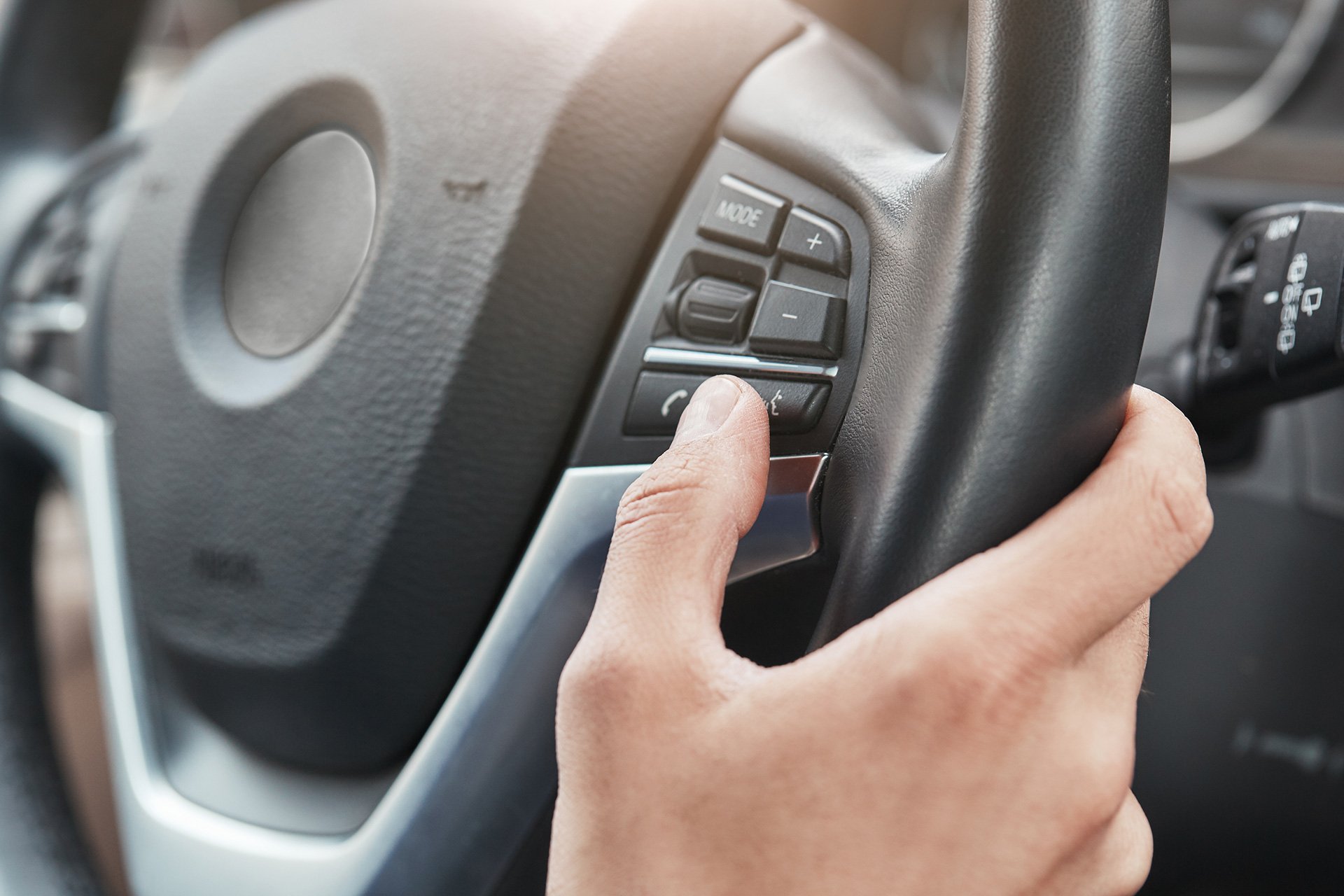
The button you shouldn't press while driving on ice roads
Driving experts warn that a seemingly harmless habit can be extremely dangerous in winter conditions
Cold weather and low temperatures, ice and difficult road conditions are the main problems these days. As the winter wave continues, it is increasingly important to remember the basic rules of safe driving - especially when it comes to icy and slippery roads.
Driving experts warn that a seemingly harmless habit can be extremely dangerous in winter conditions: using cruise control, reports Autonews.
"In such road conditions, a car can suddenly accelerate and skid, and by the time the driver realizes what is happening, it may already be too late," it says.
Instructors from Adams Driver Training advise drivers to avoid cruise control altogether when roads are wet or icy.
“While cruise control is very practical in normal conditions, it can be extremely dangerous on icy roads because it reduces your ability to react quickly to sudden changes in the road surface,” they pointed out.
A small button that makes a big difference...Most people use this button in their cars incorrectly – and thus harm the climate, health and even fuel consumption.
Cruise control is a system that allows you to maintain a constant speed without constantly pressing the accelerator pedal. However, this is precisely what can become a problem when road conditions require constant and rapid adjustments.
In winter conditions, the driver must have full control over acceleration and deceleration, which is much more difficult with cruise control on.
The most critical feature to avoid using while driving on icy or snowy roads is Cruise Control.
Using cruise control on slippery surfaces is dangerous because it can cause the car to surge forward unexpectedly, leading to a loss of traction, a skid, or a spin-out, often too fast for a driver to correct.
Autonews1@yahoo.com answer---Why you should never use cruise control on ice:
Reduced Driver Reaction Time: Cruise control makes you less attentive, causing you to react to hazards rather than prepare for them.
Loss of Traction Control: If your tires lose grip (hydroplane or skid), the cruise control system may actually accelerate to maintain the set speed, making the skid worse.
Delayed Response to Hazards: It prevents you from reacting immediately to sudden changes in traffic or road conditions.
Another button to avoid: air recirculation...While not directly related to losing control of the car, you should avoid the air recirculation button (usually an arrow inside a car outline) in winter.
Mist/Foggy Windows: It traps moisture inside the vehicle, causing windows to fog up instantly, which reduces visibility.
Safety Risk: Trapped humidity can turn your windscreen into a hazy, dangerous view.
What You Should Do Instead
Keep Cruise Control OFF: Turn it off anytime the roads are wet, icy, or snowy.
Keep Ventilation on Fresh Air: Turn off air recirculation to prevent condensation.
Use "Snow Mode": If your car has a dedicated "Snow" or "Low Traction" mode, use it to optimize performance.
Use Traction Control (Usually): Keep your traction control (TCS) on, as it helps prevent wheel spin, only turning it off if you are actually stuck in deep snow and need to rock the car.


Nenhum comentário:
Postar um comentário