AUTONEWS
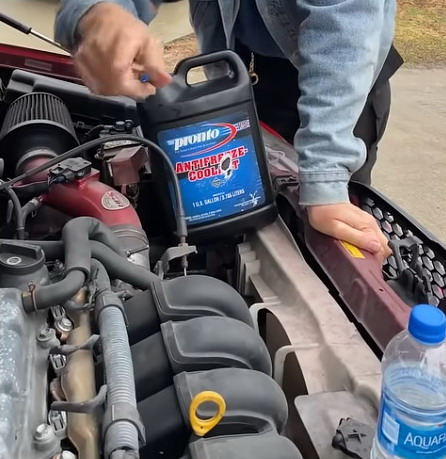
Be careful what you use on your car - the fluid that can destroy your engine during the winter
Always keep in mind that certain fluids should be used during the winter, as well as that they should be in a certain proportion to be more effective.
American car mechanic and YouTuber, whose channel has 6.43 million subscribers, Scotty Kilmer warns owners of gasoline and diesel cars that they could damage their vehicles if they make a mistake that some often make, especially in the winter.
Kilmer stressed that using plain clean water instead of antifreeze can be a big mistake. Although water is essential for cooling vehicles, antifreeze is specifically designed to prevent vehicles from "freezing".
Given the drop in temperatures at this time of year, a sufficient amount of antifreeze can be vital and save drivers from expensive vehicle repairs, writes the portal Express.co.uk.
“I’m going to explain why you shouldn’t just use water. There’s a reason your car’s radiator should be half full of antifreeze and half full of water. Water actually dissipates heat better than antifreeze, but antifreeze prevents freezing in the winter and protects the engine from cavitation. If you drive on pure water, cavitation can destroy the engine, which happened to one Toyota owner. The previous owner used water and the new owner didn’t know. The engine was destroyed. So please, don’t drive your car with pure water,” Kilmer said in his video.
BookMyGarage, an online portal for comparing auto repair services, stressed that drivers need to make sure that antifreeze is diluted before hitting the road, reports Autonews.
They also stressed that drivers should not use tap water because it can contain too many minerals that are unsafe for vehicles. They confirmed that drivers should follow the 50:50 ratio whenever possible to keep the engine in good condition.
“If you regularly use water instead of coolant, you could be causing costly engine damage. Water freezes at 0 degrees Celsius and boils at 100 degrees Celsius – temperatures that a car engine can easily exceed under normal driving conditions. If you use only water, you increase the chances of your radiator freezing or overheating – especially in colder climates. Antifreeze raises the boiling point and lowers the freezing point of water, preventing the engine from overheating or freezing when it is turned off,” they explained.
See the expert's tips below (autonews1@yahoo.com): Using plain water instead of a proper antifreeze mixture is the most dangerous choice for your car's engine during winter. While water is effective at cooling in mild weather, it can cause catastrophic and often irreversible damage in freezing temperatures.
How plain water destroys your engine:
Expansion and Cracking: Water expands by approximately 9–10% when it freezes. Because engine cooling passages are narrow and sealed, this expansion can exert enough force to crack the engine block, radiator, or cylinder head.
Internal Component Failure: Ice can seize the water pump. Attempting to start an engine with a frozen pump can strip the teeth off the timing belt or snap the serpentine belt, leading to immediate and fatal engine failure.
Rapid Corrosion: Unlike formulated coolant, plain water lacks rust inhibitors. In winter, this can lead to "rusty crud" that blocks internal passages, causing the engine to overheat even in sub-zero temperatures.
Other critical "winter-dangerous" fluids...Beyond plain water, these fluid-related mistakes can also lead to engine or vehicle damage:
Summer-Grade Windshield Washer Fluid: Using non-winterized washer fluid can cause it to freeze in the reservoir or lines. Expansion can crack the plastic reservoir or burnout the pump motor if you try to use it while frozen.
Thick Engine Oil: If you use oil with the wrong winter viscosity (the number before the "W"), it can become as thick as honey in extreme cold. This prevents immediate lubrication upon startup, causing severe metal-on-metal wear.
Low Fuel Levels: Keeping a near-empty gas tank allows condensation to form. This moisture can freeze inside the fuel lines, blocking fuel flow and preventing the engine from starting.
Best Practice for 2026: Ensure your cooling system is filled with a 50/50 mix of manufacturer-specified antifreeze and distilled water to protect against freezing down to -34°F (-37°C) or lower.




Nenhum comentário:
Postar um comentário