AUTONEWS
Auto, Eco, and Sync: How to (correctly) use these three often "forgotten" climate control modes in your car
Sitting behind the wheel and pressing the air conditioning button is part of the daily ritual for millions of people. Especially at times like this, when the cold makes everything even more appealing. However, many drivers tend to use the climate control system in the same way, turning it on for cold in the summer and for heat in the winter, manually adjusting the airflow and temperature without ever wondering what's behind those other buttons they may never have used, labeled Auto, Sync, and Eco.
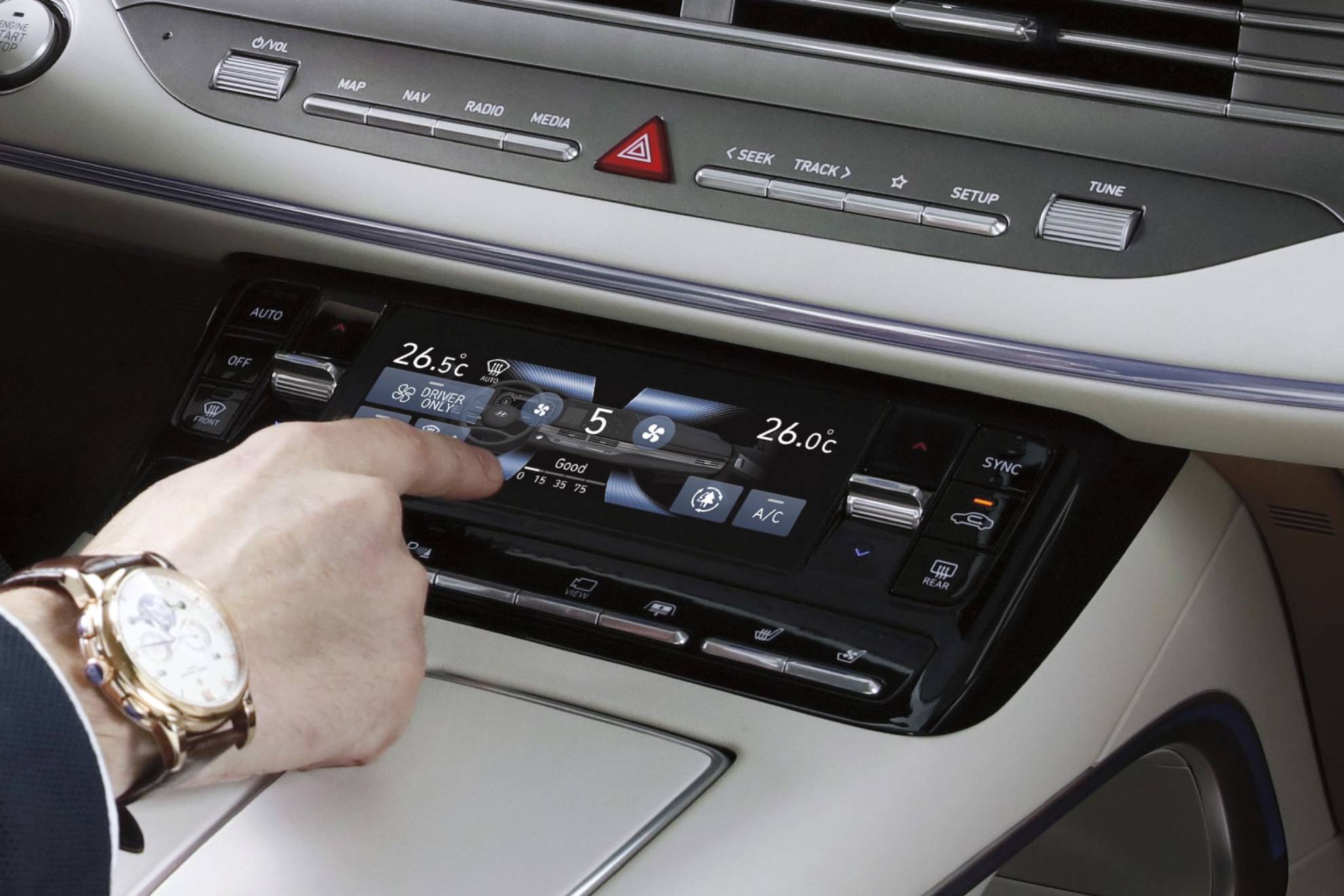
The Auto function is the simplest way to use the climate control system. It acts as an invisible assistant, managing ventilation, temperature, and air speed to maintain the chosen temperature. After setting the desired temperature, the system analyzes information from various sensors throughout the car and begins to operate autonomously.
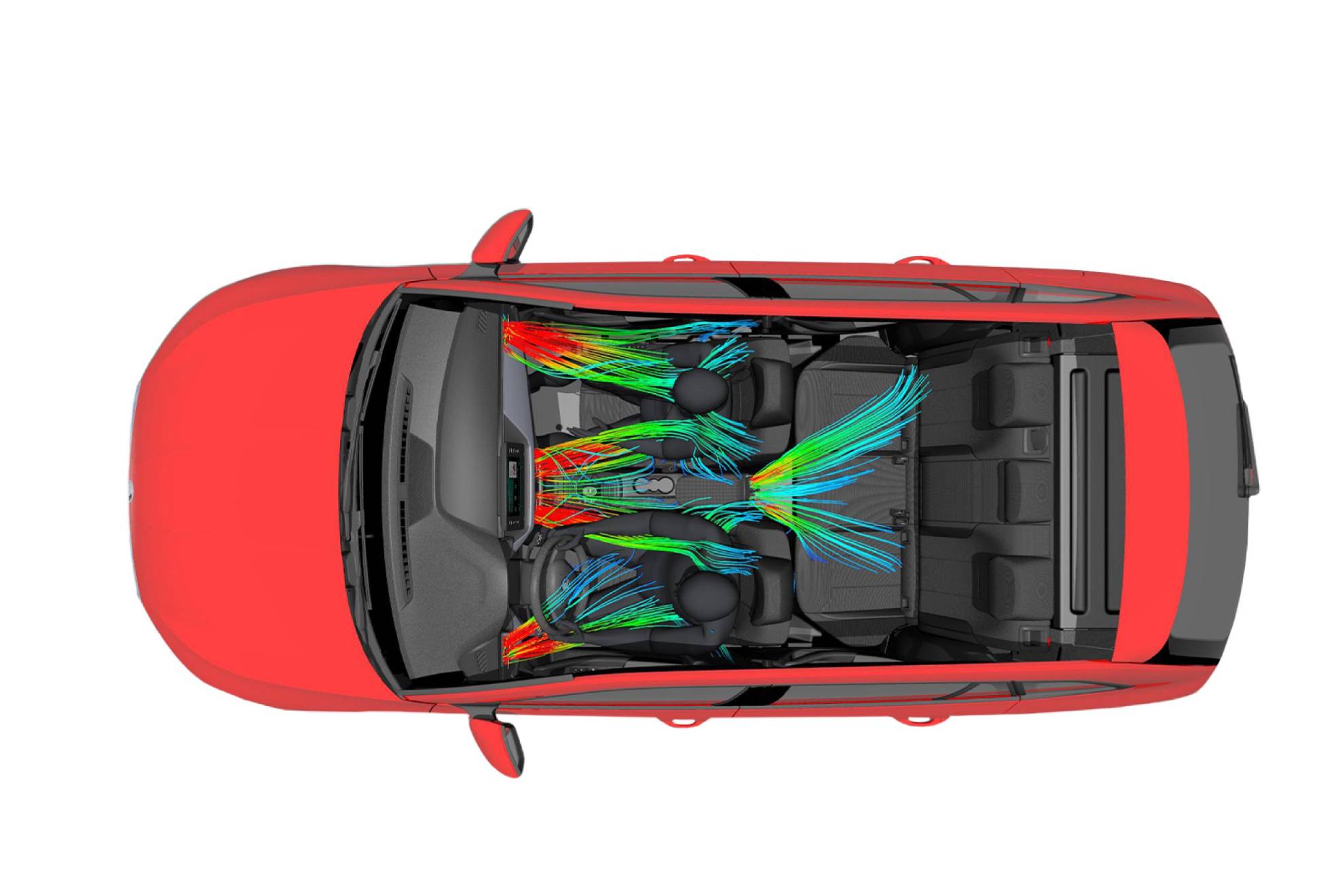
If it's winter and the outside temperature drops, the system increases the intensity and heat. If it's hot outside, it reduces the intensity. And if it's summer and the car has been exposed to the sun for hours, the system makes an extra effort in the first few minutes to compensate for all the heat accumulated inside. All this happens without you having to do anything other than adjust the temperature and press the "Automatic" button.
The automatic mode also avoids those typical impulses to increase or decrease the temperature every few minutes. The climate control system accurately interprets the needs of the cabin. Therefore, you should choose a "reasonable" temperature (not the maximum just because it's cold outside) and let the system do its magic. In the end, the goal is to achieve thermal stability and avoid that suffocating heat that burns your hands.
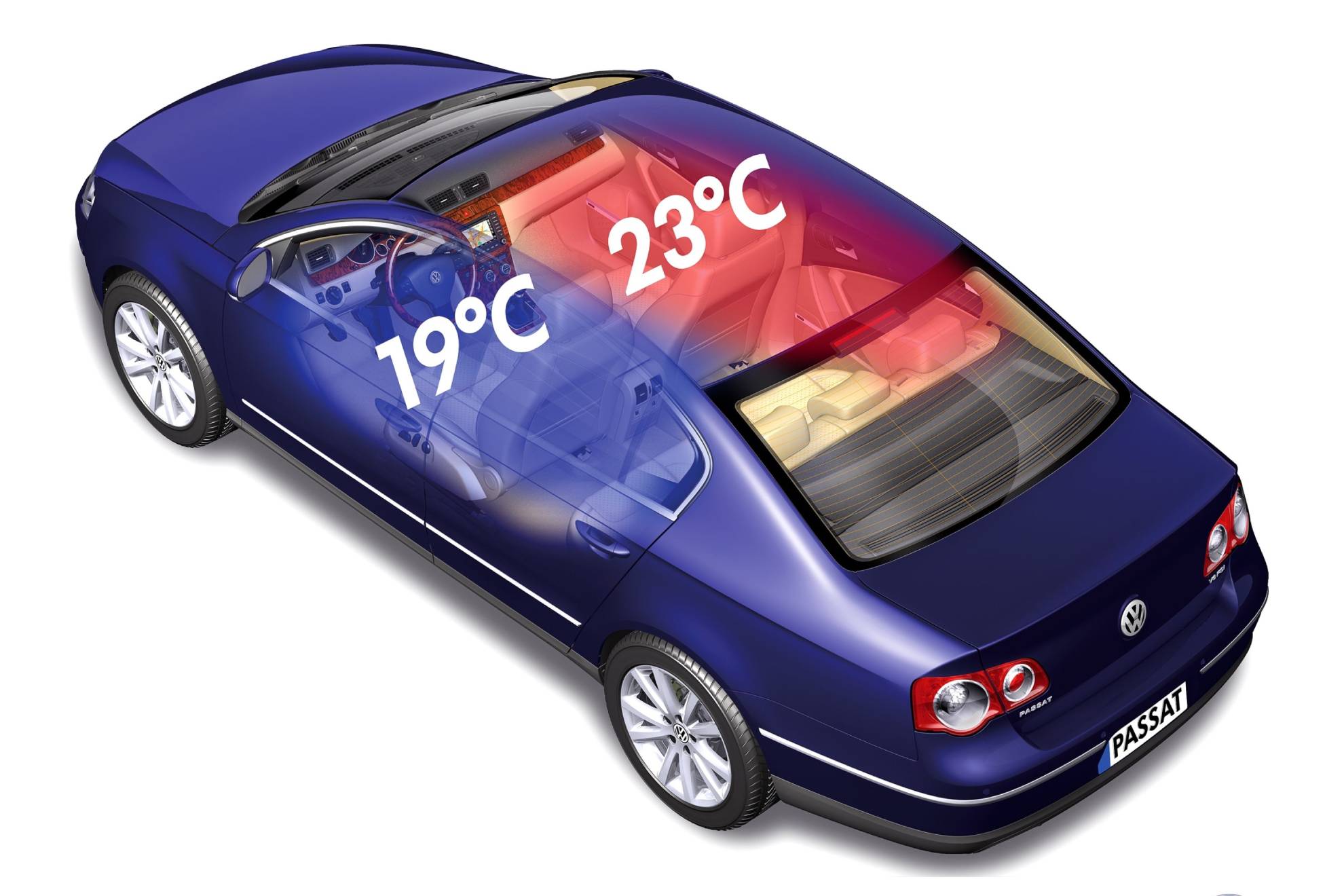
Sync mode...But traveling alone is one thing, and traveling with other people is another, because everyone feels the heat differently. For these moments, there is the Sync function, which is always present in cars with two, three or even four-zone climate control. While a multi-zone system allows each occupant to regulate their own space, the Sync function does the exact opposite: it coordinates all zones and adjusts them according to the driver's preference. This avoids arguments about temperature with passengers like children, who sometimes fiddle too much with the controls and may end up getting cold. It's also very useful when traveling with occasional passengers and you don't want to waste time explaining how each button or selector works. This way, the driver sets their temperature, presses the Sync button, and that's it.
Eco Function...The third underutilized feature is the Eco function, a term now present in almost all modern cars. Its presence is sometimes interpreted as a sacrifice in comfort, although its intention is to balance this comfort with more efficient energy use. What the Eco function does is moderate the power of the climate control system to reduce fuel consumption. In a car with a combustion engine, this can be observed in a reduction of approximately 0.1 liters per 100 kilometers. In an electric car, it translates to greater range. In both cases, the feeling inside the cabin remains pleasant. In fact, the only disadvantage is that temperature changes take a little longer to occur.
The Eco function is indispensable in urban driving, where heavy traffic is frequent and every kilometer counts. It is also very useful on mild days, when a balanced environment is desired, without the need for a jet of hot or cold air at maximum power. When this mode is activated, the car uses fewer resources to reach a comfortable temperature, which is achieved gradually. And, once the internal temperature stabilizes, the difference in comfort compared to Normal mode is imperceptible.
In other words, these three functions have different purposes, although they complement each other. Auto mode frees the driver from the need to constantly adjust the airflow and temperature. Sync mode maintains a constant temperature in the cabin, providing the best comfort for everyone. Eco mode offers a slightly more economical way to use the temperature control, without you noticing much difference in comfort. You don't need to be a tech expert to use them, and they'll help you deal with the cold (or heat) in an easier and more intuitive way.
Here is a guide on how to correctly use the Auto, Eco, and Sync modes in your car's climate control system for optimal comfort and efficiency.
Auto Mode: The "Set and Forget" for Comfort
The Auto mode is the core of an automatic climate control system. Its purpose is to reach and maintain your desired cabin temperature efficiently without manual adjustments.
How it works: When activated, the system automatically controls the fan speed, air intake (outside air or recirculation), air distribution, and decides whether to use the A/C compressor or the heater. It constantly monitors interior sensors to achieve the set temperature as quickly as possible.
Correct Usage:
-Set your desired temperature (e.g., 20°C/68°F is a common recommendation for balance).
-Press the "Auto" button and leave the system to work. There is no need to manually adjust the fan speed or other settings; doing so typically deactivates the "Auto" function.
-Best for: Most driving conditions, as it provides maximum comfort with a good balance of energy use by only using the necessary power.
-Eco Mode: The Fuel Efficiency Priority
-The Eco (Economy) mode prioritizes fuel or energy savings over maximum climate performance. It's often part of a vehicle's overall eco-driving features, which can also affect engine performance and transmission shifts.
How it works: In climate control, Eco mode limits the A/C's cooling or heating output, reduces fan speed, and uses the compressor less frequently to conserve energy. The cabin temperature may fluctuate slightly more than in Auto mode.
Correct Usage:
-Use it for prolonged, steady drives where minor temperature fluctuations are acceptable.
-Ideal for city driving or stop-and-go traffic where high power is not needed.
Avoid in extreme heat or cold when you need rapid cooling or heating, as it will take longer to reach the set temperature. For immediate demisting or defrosting, you'll need to use specific functions or switch to Auto or manual mode.
Sync Mode: Unifying Multi-Zone Settings
The Sync button is found in vehicles equipped with dual-, tri-, or quad-zone climate control systems.
How it works: It synchronizes the temperature settings for all passenger zones with the driver's side setting. This means that adjusting the driver's temperature knob or control will change the temperature for the entire cabin simultaneously.
Correct Usage:
-Activate Sync when you are driving alone or when all passengers prefer the same temperature setting. This offers convenience and efficiency.
-Deactivate Sync (usually by adjusting a passenger's temperature control) if a passenger wants a different temperature in their specific zone.
-Best for: When a single climate setting is desired throughout the vehicle.


Nenhum comentário:
Postar um comentário