AUTONEWS
The urgency of simplifying the future of mobility
Electric mobility is already a reality on the roads, in businesses, and in the choices of the Portuguese. The challenge has shifted from technological to operational: transforming intentions into accessible, efficient, and scalable solutions.
Portugal has unique conditions to lead—modern infrastructure, ideal size, and technical talent. The revision of the legal framework for electric mobility has opened doors to simpler processes and new possibilities, but it will only be effective with regulatory stability and investment capacity. Progress depends on everyone keeping pace with innovation, with resources aligned with needs. To guarantee access to electric mobility, the sector needs priority and urgent access to the network, unlocking constraints and responding to growing demand.
Electric mobility is the logical path to a more competitive, clean, and resilient economy. The sector's dynamism is visible, but society expects a broader and more accessible network. This requires collaboration, renewed ambition, and a collective vision, consolidating Portugal as a European benchmark and innovation laboratory.
However, for this development to happen at the necessary pace, it is essential that the public bodies responsible for licensing and grid connection — at the municipal, infrastructure, and national levels — streamline processes and keep pace with the sector's evolution. Only in this way will it be possible to remove obstacles and accelerate the expansion of electric mobility.
None of these ambitions will be realized without priority and urgent access to the electricity grid. Only in this way can we unlock constraints and truly transform electric mobility in Portugal.
The mobility of tomorrow depends on a simple principle: putting the user at the center. Immediately, it is essential to guarantee access and meet the growing demand.
The future will be defined by the ability to remove barriers and build bridges between innovation, regulation, and infrastructure. Simplifying grid access is the decisive step for electric mobility to cease being a promise and become a reality for everyone. This is the challenge ahead of us — and it is on this that we must focus all our ambition.
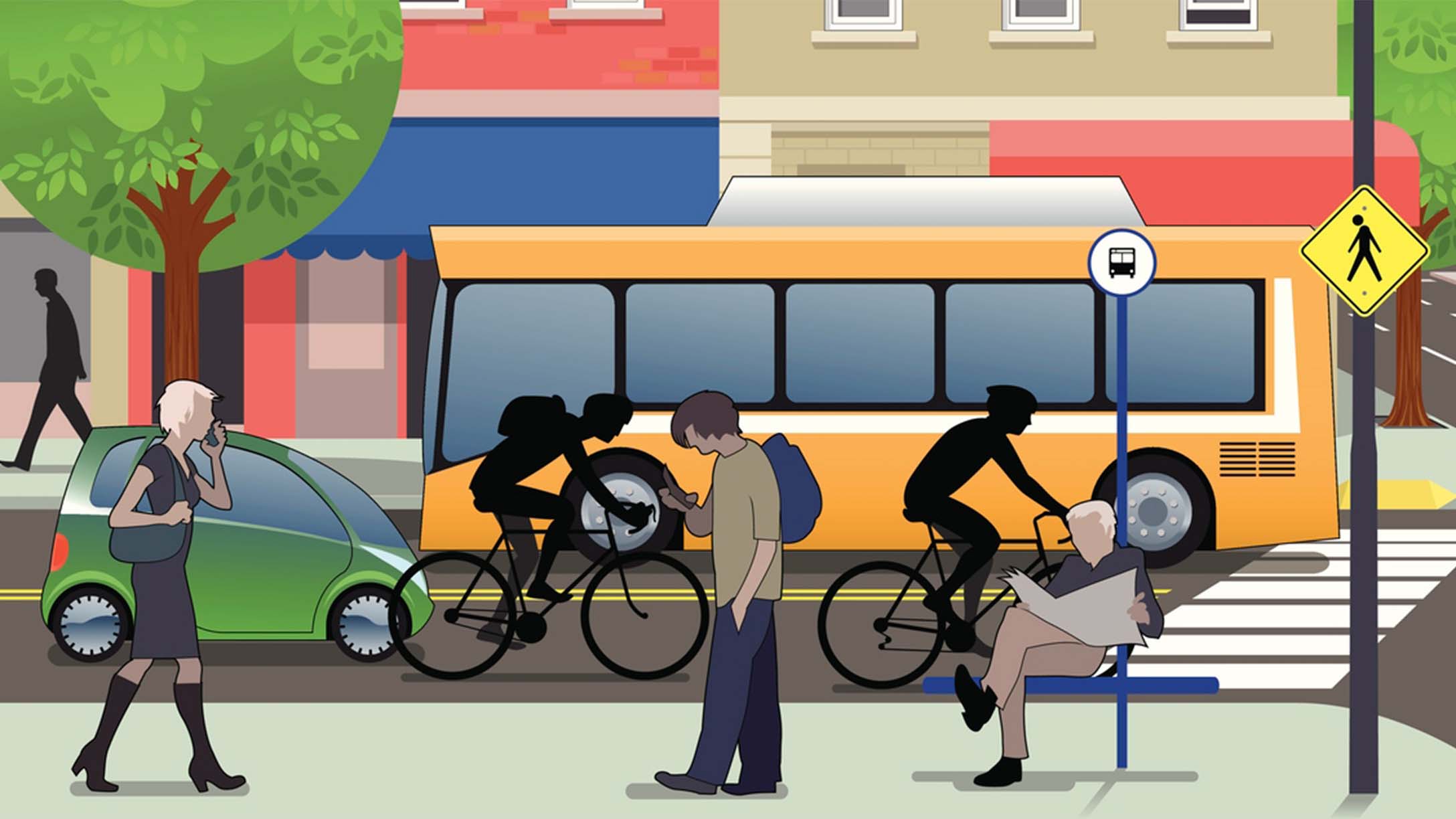
Simplifying the future of mobility depends on integrating technologies, intelligent urban planning, and prioritizing sustainable and efficient modes of transportation.
The main strategies for simplifying mobility include:
1. Integration and Technology
-Data Management and AI: Using Artificial Intelligence, IoT (Internet of Things), and real-time data analysis to optimize routes, manage traffic flow (such as intelligent traffic lights), and ensure the punctuality of public transportation.
-Unified Platforms: Creating applications or platforms that integrate all available transportation modes (public, shared, micromobility), allowing users to plan and pay for their entire trip in a simple and connected way.
-Autonomous and Electric Vehicles: The development and adoption of electric and, in the future, autonomous vehicles promise to make transportation cleaner, safer, and more efficient, optimizing the use of urban space.
2. Urban Planning and Infrastructure
-Prioritization of Public Transportation: Continuous investment in high-quality, agile, and accessible public transportation systems, such as electric buses, subways, and trains, which are the backbone of efficient mobility.
-Active Mobility and Micromobility: Expansion and improvement of infrastructure for pedestrians and cyclists (accessible sidewalks and safe bike paths), encouraging "active mobility" for short distances and "micromobility" (electric bicycles and scooters).
Self-Sufficient Neighborhoods: Designing neighborhoods where most daily needs can be met on foot or by bicycle, reducing the need for long motorized commutes.
3. Change of Mindset and Policies
-Incentive to Sharing: Promoting car-sharing and ride-sharing services to reduce the number of individual vehicles on the streets.
-Demand Management Policies: Implementing measures such as car rotation schemes and urban tolls in congested areas to discourage excessive use of private vehicles.
-Flexible Hours: Encouraging remote work and flexible working hours to better distribute traffic flow throughout the day, avoiding congestion peaks.
By focusing on integrated and user-centric solutions, it is possible to create a simpler, more efficient, sustainable, and accessible future of mobility for all.




Nenhum comentário:
Postar um comentário