AUTONEWS
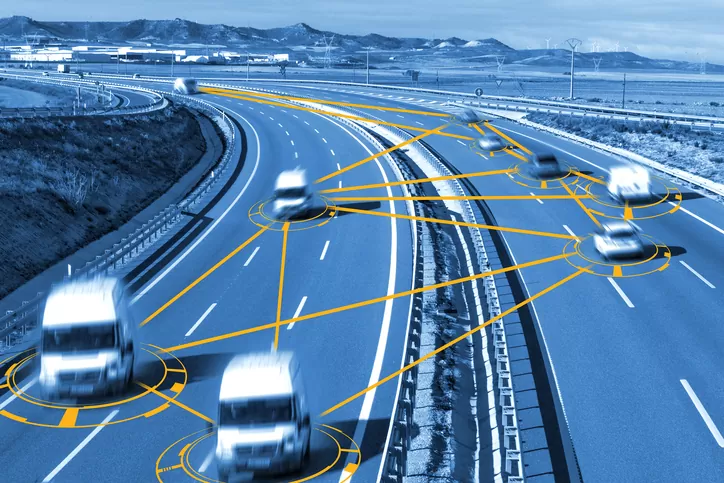
Artificial intelligence on the roads: Fewer accidents, more lives saved...According to Yunex Traffic
Road safety remains one of the greatest challenges for modern societies. Despite advances in legislation, enforcement, and automotive technology, roads remain the scene of thousands of accidents every year. Many of these accidents could be avoided if there were a more effective ability to anticipate risks and act before the danger materializes. It is precisely at this point that artificial intelligence (AI) begins to play a decisive role.
In traffic management, AI allows for the creation of a real-time perception of everything that happens on the roads, transforming data captured by cameras and sensors into useful information to prevent accidents. By identifying traffic patterns, excessive speeds, or risky behaviors, these systems enable immediate intervention - whether through the automatic adjustment of traffic lights, the issuance of alerts, or the adoption of measures that prevent conflicts between different road users.
The biggest beneficiaries of this technology are, without a doubt, vulnerable users: pedestrians, cyclists, and scooter users. AI can detect the presence of these groups, calculate their trajectory, and assess the probability of collision with motor vehicles. This rapid response capability significantly reduces the risk of pedestrian accidents and other serious accidents.
But road safety is not limited to direct protection against collisions. Congestion, for example, increases the likelihood of accidents and exacerbates environmental problems. AI allows for the dynamic management of intersections, adjusting traffic light timings according to the actual traffic flow, which reduces unnecessary stops, improves traffic flow, and decreases driver frustration.
The integration of artificial intelligence into road safety is no longer a futuristic vision, but an expanding reality, and the success of this transformation will depend on adequate investment, cooperation between authorities and experts, and an ethical commitment to simultaneously protecting people and their data.
Currently, AI is already demonstrating that it can be a decisive ally in reducing accidents and protecting lives. The challenge lies in ensuring that its implementation respects ethical principles, safeguards privacy, and serves the public interest.
If used responsibly, it will not only be a technological tool, but a true agent of change capable of transforming roads into safer, more humane, and sustainable spaces. In the future, we will be able to look back and realize that the difference between an accident and a life saved began with the decision to put intelligence at the service of safety.
How AI is transforming roads around the world...The scene is familiar: seemingly endless traffic jams, treacherous potholes, and the constant risk of accidents. But imagine a different scenario, where the roads themselves "think," predict problems, and even communicate with vehicles. This isn't science fiction; it's artificial intelligence (AI) transforming the global road network, promising a future with greater safety, efficiency, and traffic flow.
From traffic lights that adjust in real time in Germany to highways that generate solar energy in China, AI is already a tangible reality in many parts of the world, and Brazil, although in its initial stages, is beginning to integrate this technology into its daily life on the roads.
Anyone who has used apps like Google Maps or Waze knows the power of AI in traffic prediction. Behind the suggestions for faster routes are complex algorithms analyzing data in real time, from vehicle speeds to incidents and weather conditions. This predictive capability is the basis for more advanced systems, such as intelligent traffic lights, which optimize vehicle flow, reducing congestion in cities like Wolfsburg, Germany.
But AI goes far beyond simply directing traffic. It is becoming the eyes and ears of road infrastructure. In China, for example, more than 3,500 kilometers of smart roads use AI for monitoring and maintenance. Cameras and sensors identify cracks and potholes with robotic precision, long before a human eye notices them, allowing for quick and efficient repairs. In Brazil, the Department of Buildings and Highways of Minas Gerais (DER/MG) already employs artificial intelligence developed by UFSC to monitor its road network, speeding up maintenance.
Safety is another area where AI shines. In addition to driver assistance systems (ADAS) in modern vehicles, which include automatic braking and lane departure warning, there are innovations such as the "artificial rainbow" tested in China. Laser beams project a visual effect onto the highway to keep drivers alert during nighttime journeys, combating fatigue and preventing accidents.
In Michigan, USA, a highway is being adapted with a dedicated lane for cars that "talk" to the infrastructure, receiving real-time information about traffic, accidents, or even the presence of animals. Projects like "The Ray" in Georgia are testing solar-powered pavements and communication systems between vehicles and the road, paving the way for a future where cars move more safely and efficiently, with almost no human intervention.
In Brazil, despite some progress, the journey is still long. Concessionaires like Arteris and Renovias already use AI for enforcement, detecting infractions such as not wearing seatbelts. There is also promising research to detect wild animals on the roads, aiming to reduce accidents and protect wildlife. However, the country still faces challenges such as the need for massive infrastructure investments and the development of clear regulations so that AI can reach its full potential on the roads.
The smart highway revolution is underway. With artificial intelligence paving the way, we can expect safer, less congested roads, and perhaps even roads capable of generating their own energy. The future of transportation is already being built, meter by meter, with bytes and algorithms.
Artificial intelligence (AI) is being applied to roads to increase safety and efficiency, with systems that monitor traffic in real time and identify risky behaviors. In Brazil, AI cameras are used to monitor infractions such as using a cell phone while driving and not wearing a seatbelt, alerting the police to fine offenders. The technology also helps prevent accidents by detecting stopped vehicles, objects on the road, adverse weather conditions, and managing traffic flow, such as in intelligent traffic lights.
Main applications of AI on roads:
Enforcement: AI cameras identify and notify drivers who commit infractions, such as not wearing a seatbelt, using a cell phone while driving, or transporting children without due care.
Safety monitoring: AI analyzes images to detect dangerous situations, such as vehicles stopped in inappropriate locations, foreign objects on the road, pedestrians in prohibited areas, or animals on the road.
Accident prevention: The technology can predict and warn about risky events, such as traffic jams, accidents, extreme weather conditions, or crime situations.
Traffic management: AI systems can optimize traffic flow and manage traffic lights to reduce congestion and improve road flow.
Fleet management: Companies use AI with video telemetry to monitor their vehicles, helping to save fuel, reduce accidents, and improve operational efficiency.
Maintenance: AI can be used to oversee the construction, management, and maintenance of roads, as well as optimize the productivity of machinery and equipment.



Nenhum comentário:
Postar um comentário