PEUGEOT
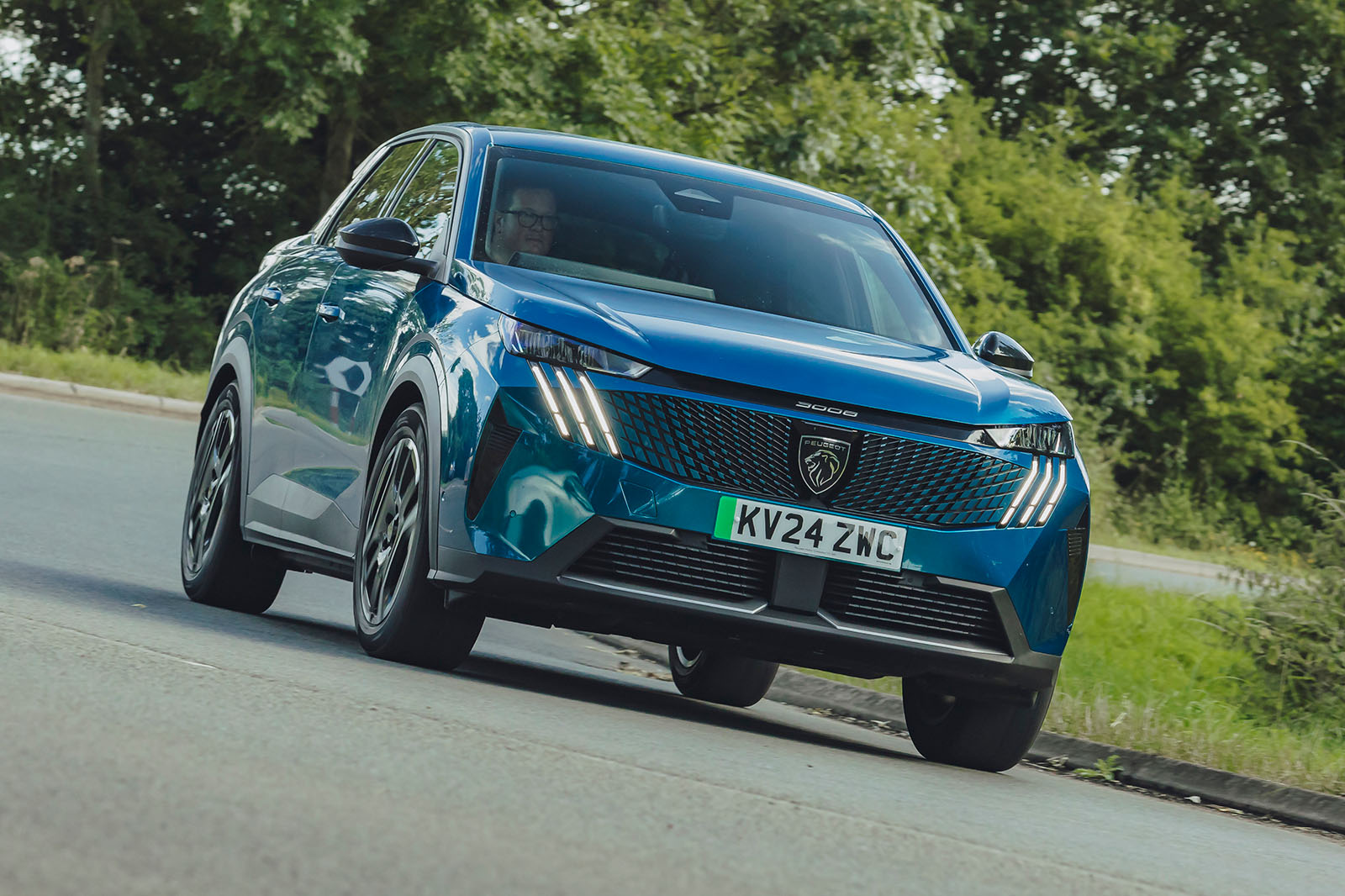
Peugeot e-3008 review
Its parent organisation’s e-CMP architecture has been scaled up as far as smaller crossovers and VW Golf-sized hatchbacks and estates, having started out beneath the e-208 supermini in 2019. But while rivals dived enthusiastically into niches for bigger electric cars, Peugeot has had to bide its time and wait for a more suitable launchpad.
With the Peugeot e-3008 tested here, the French brand’s moment has arrived. Based on a platform called STLA Medium, the e-3008 will be the first of many new cars from Stellantis’s brands aimed at buyers of more upscale electric family cars.
This is the slightly smaller, swoopier, five-door SUV-coupé sibling to the forthcoming e-5008 seven-seater and has its sights set on everything from the Renault Scenic E-Tech and Hyundai Ioniq 5 to the BMW iX2 and Volvo EC40. Although top-of-the-range models are priced in competition with the BMW iX3, capable of 503 miles on a charge.
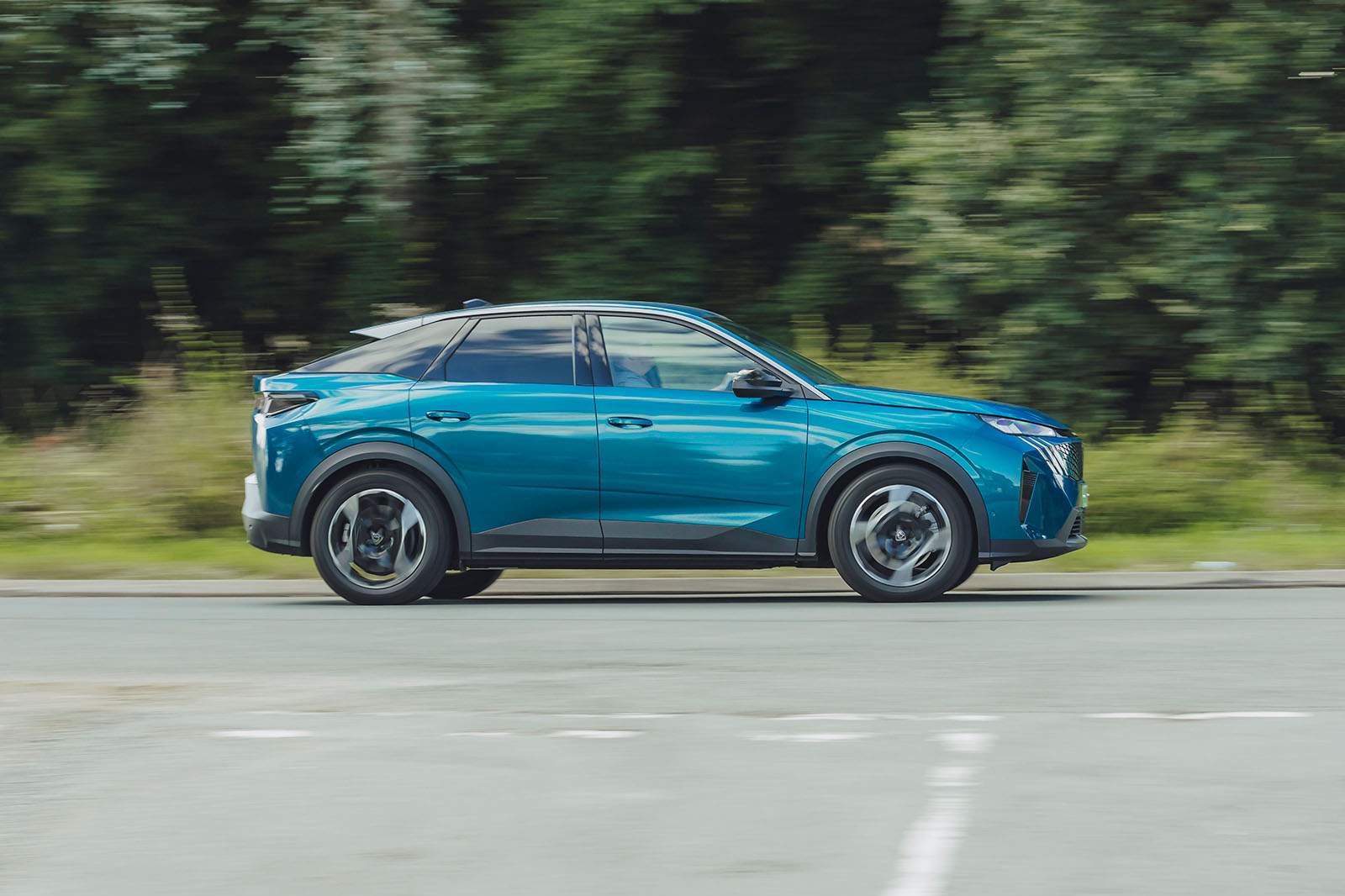
The e-3008 clearly represents another significant stretch upmarket for Peugeot in terms of digital technology, luxury cabin ambience and visual appeal. It also brings the potential for greater range, better performance and faster rapid charging than any of the firm’s smaller EVs.
So far the 3008 has been riding a wave of success with 130,000 units sold across the continent, with the e-3008 making up almost 25% of the share. For those potential buyers who were feeling left out because they need four-wheel drive and more than 300bhp, Peugeot has added a more powerful, all-wheel drive version.
Taking the 3008 and e-3008 ranges as a whole, the car covers a reasonable amount of market territory, offering regular hybrid, plug-in hybrid and fully electric models. Only when the upper-level e-3008 Long Range joins the line-up in 2025 will we know the car’s upper limit on price, but it currently reaches as high as £56,000 for the Dual Motor.
The e-3008 offers a nickel-manganese-cobalt battery of 73kWh of usable capacity and one motor, producing 211bhp and 254lb ft for the front wheels. This will be the de facto standard-range version (worth up to 327 miles of WLTP combined range).
Moving up the range, there’s the 325 Dual Motor variant which gets an all-wheel drive powertrain that makes 321bhp and can travel up to 303 miles on a charge officially. The Long Range single-motor model with a 227bhp front-mounted electric motor can travel up to 435 miles on a charge thanks to its larger 97kWh battery.
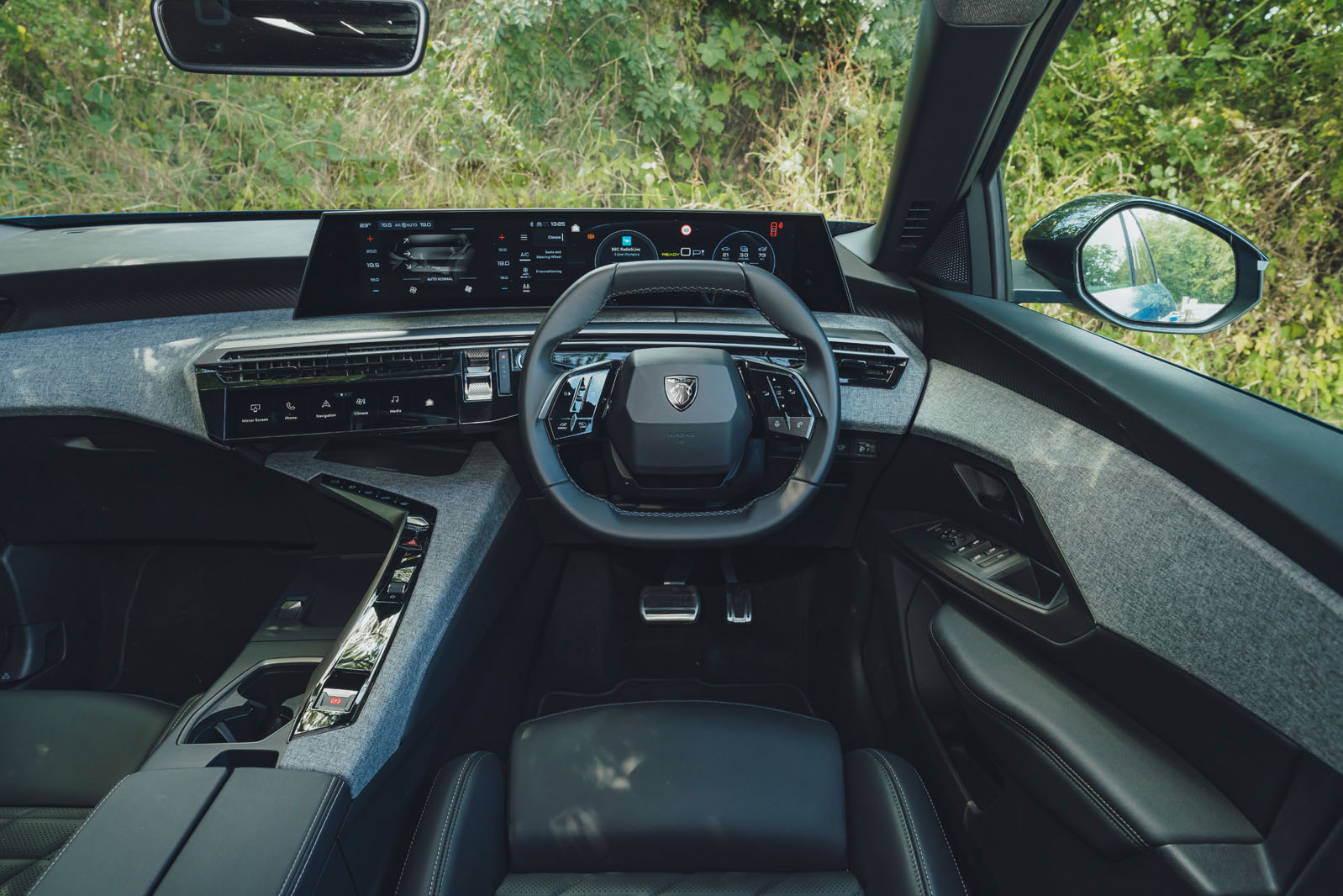
It’s also capable of putting most of the information you want just where you want it thanks to the ‘tiled’ arrangement of the central part of the display, although it’s occasionally guilty of over-stylising the graphical execution.
There’s no physical controller for the main infotainment part of the screen, which we miss somewhat. However, the secondary i-Toggle quick-access screen below provides a big boost to usability, but would work even better as physical buttons, or with permanent temperature shortcuts (at least they're on the main screen with the native sat nav on though).
The twin-motor is almost 100kg heavier than the single-motor, tipping the scales at 2262kg. It's also more than 150kg heavier than the 84kWh all-wheel drive Hyundai Ioniq 5.
Suspension is via coil springs and conventional passive dampers and is all independent (struts up front, multi-link at the rear). However, the combustion-engined 3008 Hybrid 136, which uses the same platform as the e-3008 and a 1.2-litre 48V hybrid powertrain, gets torsion-beam rear suspension instead.
While rivals have maximised the packaging advantages yielded by their underpinnings through long wheelbases and flat cabin floors, creating an impression of space that’s becoming particular to EVs, the e-3008 is a little different.
It’s aiming for more of a high-waisted, materially lavish, cocooning ambience than an open, spacious and airy one. It has quite a high-rising front bulkhead, which is necessary to make space for the car’s control and display concept (to which we will come) and which naturally flows into quite a high-set lower window line.
Buyers can choose between lower-rung Allure and upper-level GT, or Launch Edition for the Dual Motor - the only four-wheel drive model. GT trim typically adds 20in wheels, adaptive cruise control, LED headlights and a powered tailgate over the already well-equipped Allure, with Launch Edition adding a panoramic opening sunroof, acoustic glass, cabin pre-conditioning and a heat pump.
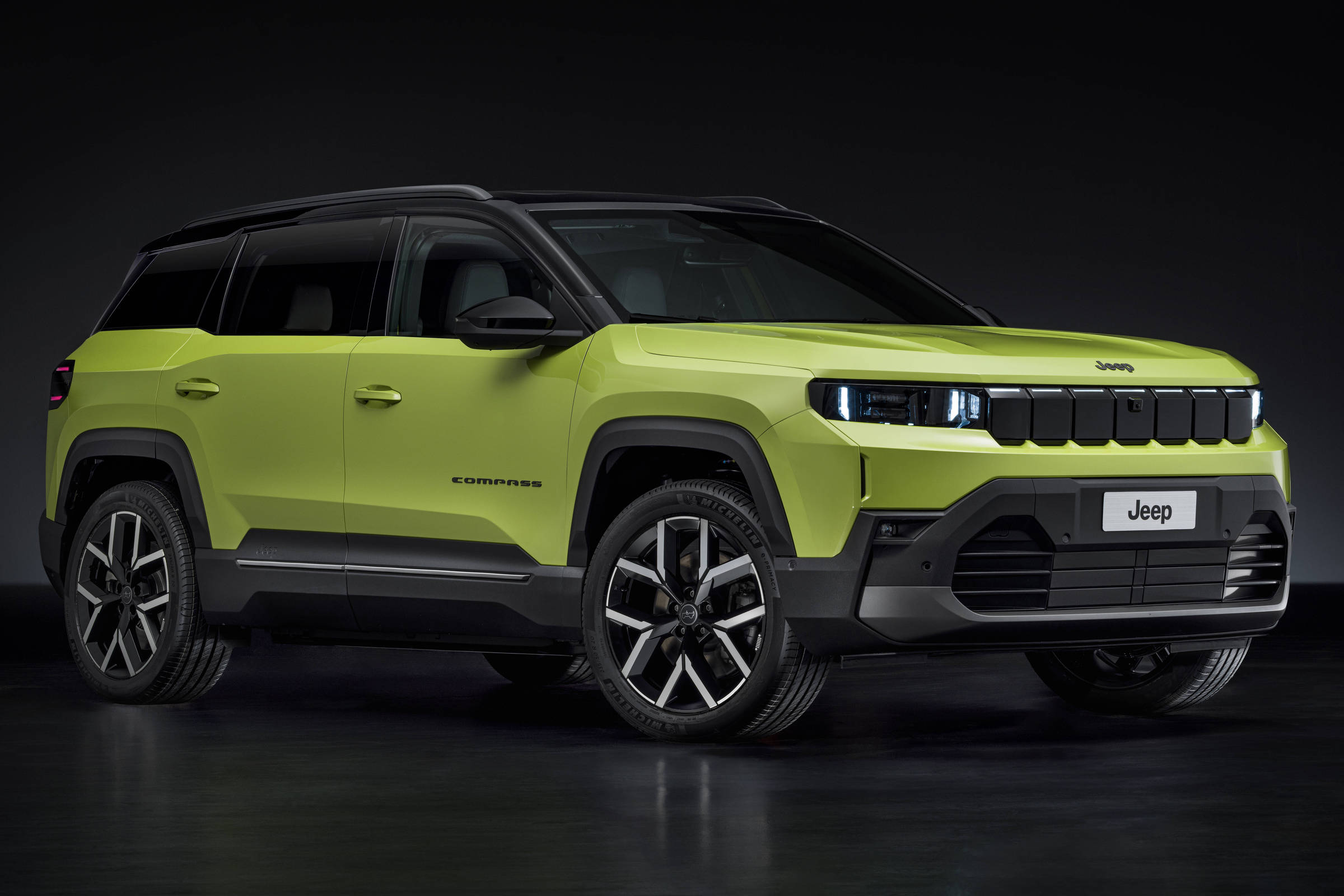
‘BEV by design’ is the catchphrase being used to describe the platform on which the e-3008 is built. As well as being adopted by the bigger e-5008, STLA Medium also serves under the similarly sized, but cheaper, Citroen e-C5 Aircross and Jeep Compass.
It accommodates bigger battery packs and more powerful motors and can be stretched over longer wheelbases than the e-CMP platform ever could – and it supports bigger, heavier cars.
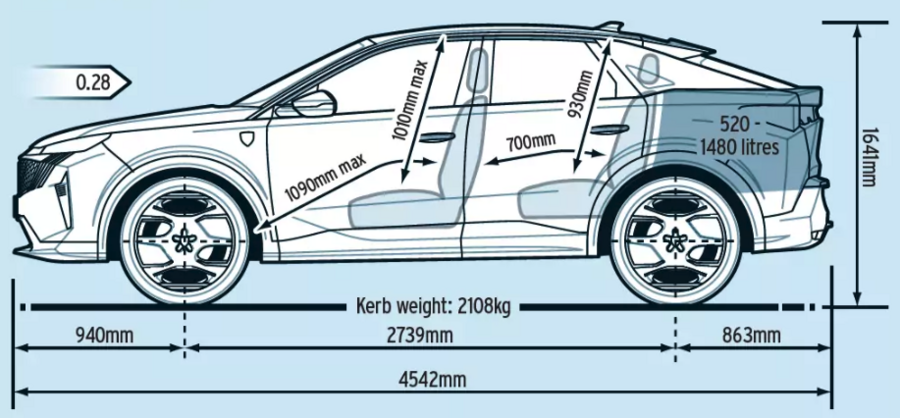
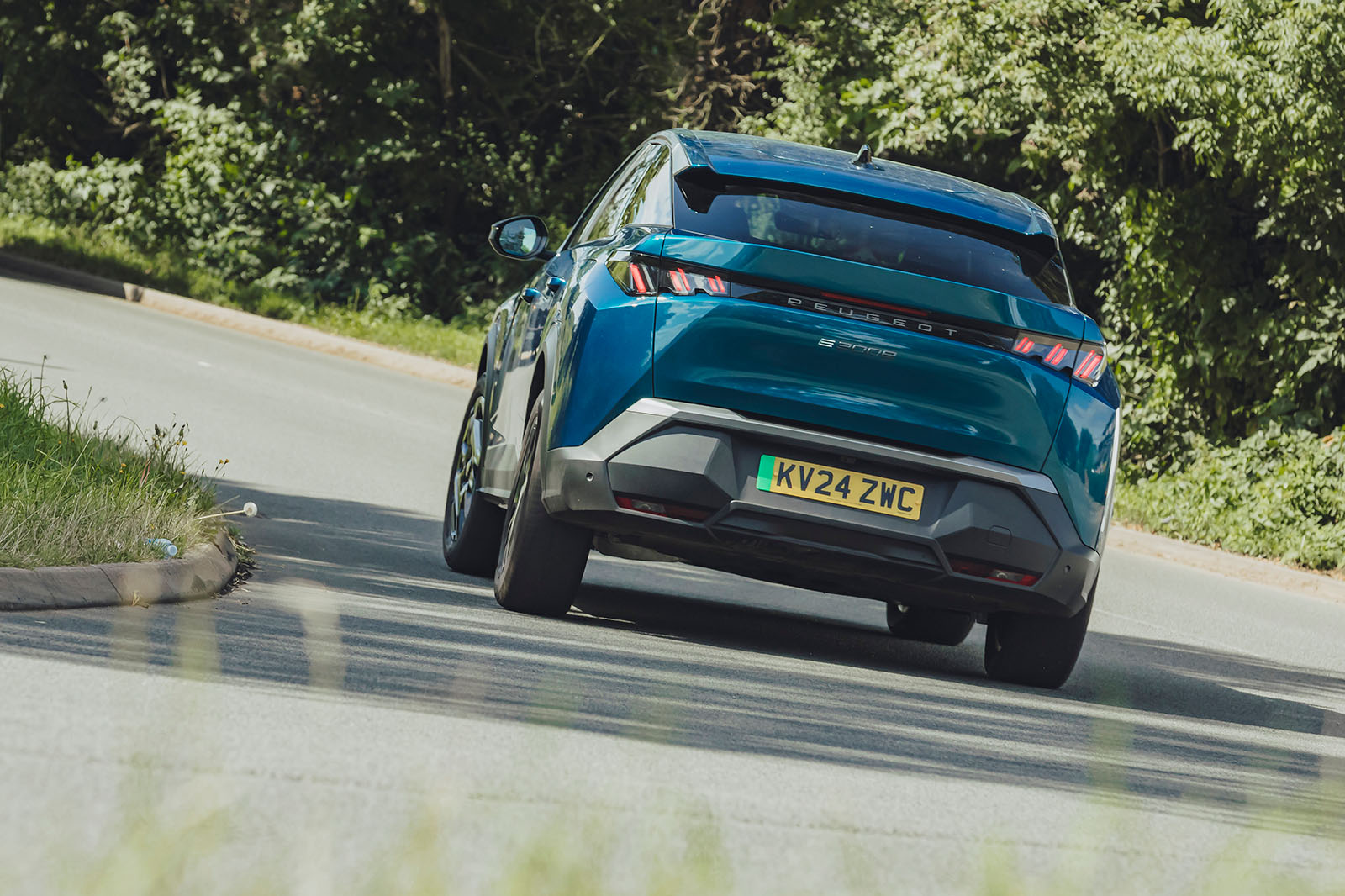
The e-3008, ironically, is fairly small – relative to future platform cousins and the cars in its class. At only a little over 4.5m in length, it sits between a Scenic E-Tech and Ioniq 5 for the space it takes up at the kerb, but it rises to a height just shy of 1.9m, unlike many EV rivals, which have lower silhouettes. It has a raked, sloping rear similar to the Polestar 2’s and plenty of coupé-aping angles and attitude about its styling, but they’re mated to a waistline and access height more typical of an SUV than a crossover.
Between the front-row occupants is a high-rising, two-tier centre console that envelops the driver, carrying physical drive mode and heater controls on its upper surface and making plenty of storage space available at the lower one. It flows seamlessly into a fixed armrest console between the front seats.
In the three-seat back row, there’s a small bubble in the floorpan ahead of the centre seat and space to accommodate smaller adults and teenagers fairly comfortably but certainly not enough to stand out for passenger practicality in a
class where spacious five-seat cars are easy to find.
Boot space, according to our tape measure, is broadly similar below the window line to what you will find in the Scenic E-Tech, although a way behind the Model Y or Ioniq 5 and eaten into above the window line by the raked rear hatch.
Up front, the revision that this car represents to Peugeot’s well-established i-Cockpit control layout is significant. The e-3008’s steering wheel remains small and naturally sits quite low in your lap, but the instruments have been moved up behind it, integrated on a wide, 21in curved display panel that spans the top of the centre console as well as the instrumentation zone. Not allowing reach adjustment for the steering wheel is an oversight, but will effect people of different proportions differently.
This is free-standing and backlit quite attractively, so that it appears to float in front of the fascia. Perhaps most importantly, it sits sufficiently high on the dash so as to prevent the wheel from obscuring the digital instrumentation (which itself is a little too graphic and over-stylised for some testers’ preference in some modes but clearer and simpler in others).
Autonews



Nenhum comentário:
Postar um comentário