FORD
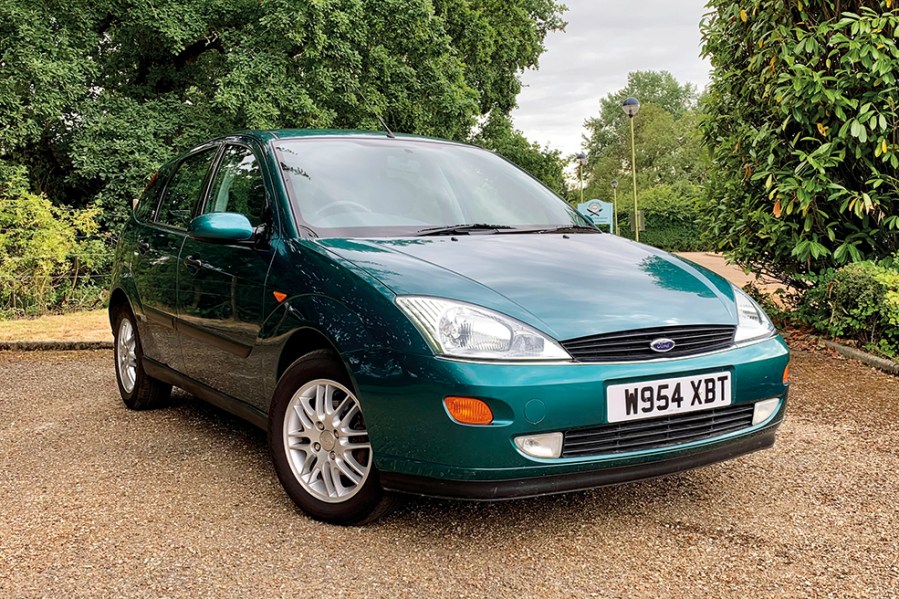
Mechanic claims this 20-year-old car is the world's most reliable: it can last for decades
"It was designed before all the unnecessary extras were added to the car," said the expert. Choosing a car is one of the most important decisions for any driver, whether buying their first car or replacing an existing one. A car is not just a means of transportation, but also a part of everyday life that affects comfort, safety and costs. When choosing, it is important to take into account a number of factors - from the type of engine, fuel consumption and size of the vehicle, to maintenance costs, safety features and personal needs. A top car mechanic has discovered which 20-year-old car has incredible reliability and can be an excellent recommendation for those looking for a used vehicle, reports Večernji.hr.
That same year also brought a minor facelift, with indicators moving to the headlamps rather than the front bumper as the most obvious change. A wide range of trim levels meant there was something to suit every taste and budget, and by the time the second-generation Focus appeared in 2004, the model had already become a resounding success.
It remains just as impressive today, and a well-kept example is genuinely rewarding to drive. Being a Ford, there was a wide choice of petrol and diesel engines. Petrol options were 16-valve Zetec units, from a modest 1.4-litre producing 74bhp to a brisk 2.0-litre with 129bhp. Aside from the outright RS, those seeking extra performance could choose the ST170, boasting 168bhp along with upgraded brakes and suspension. The 1.8-litre TDdi diesel was economical but produced only 89bhp, later replaced in 2002 by a common-rail TDCi delivering a more useful 115bhp.
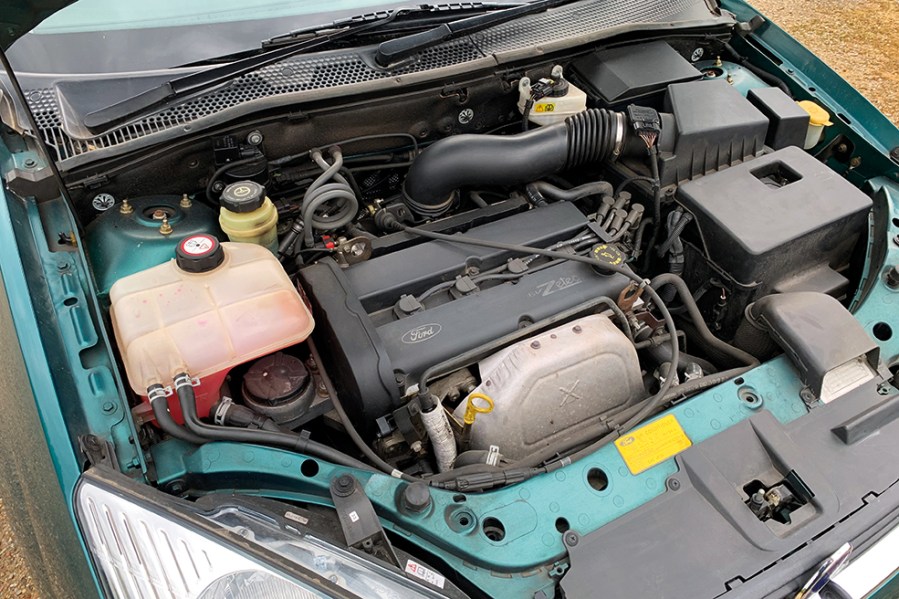
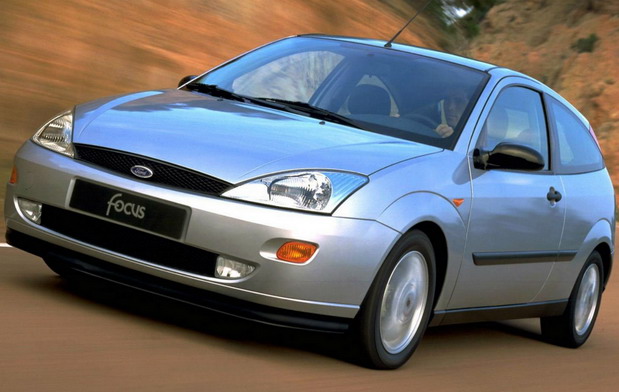
The Ford Focus still manages to impress: its keen handling and excellent engines have stood the test of time, and it remains genuinely enjoyable to drive. The car continues to be a superb choice for family use, and thanks to its popularity when new, there’s a healthy supply of examples across all ages. We’d favour a rarer, early-production example. As the purest expression of Ford’s New Edge design, the Mk1 Focus is also most likely to appreciate in value as the years go by.
Mechanic Paul Lucas said that the Ford Focus Mk1 is his top choice for drivers who want a car that will last for years. Lucas explained that he bought his Focus 15 years ago and that the Mk1 model still works flawlessly. He admitted that he had no regrets because the car had not shown any serious flaws in all that time, reports the Daily Express.
“For me, the 20-year-old Ford Focus Mk1 with a 1.6-liter engine is at the top of the reliability list. It was designed before cars started to be fitted with all those unnecessary extras, and you can still start it with a real key, not by pressing a button,” said Lucas.
The Mk1 Focus was extremely popular when it was launched, and in 1999 it won the European Car of the Year award, confirming its heritage that stands the test of time. It was produced between 1998 and 2004, while the sporty RS version was introduced in 2002. The Focus Mk1 is still very affordable and easily available on the used car market today.
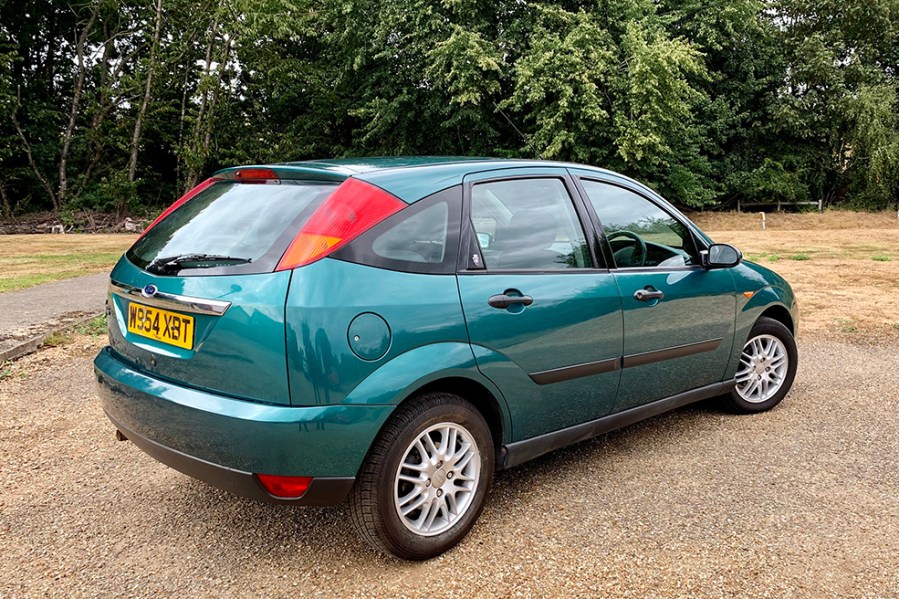
“Compared to today’s family hatchbacks, the original Ford Focus is a relatively simple car, which means there’s less that can go wrong. Any service actions and recalls should have been completed long ago. So if you’re buying one, pay attention to the condition of the vehicle and its service history – if it looks like it’s been driven carefully, it probably has. Ask for the service book and make sure it’s neatly filled out,” the magazine concluded.
Autonews



Nenhum comentário:
Postar um comentário