VW
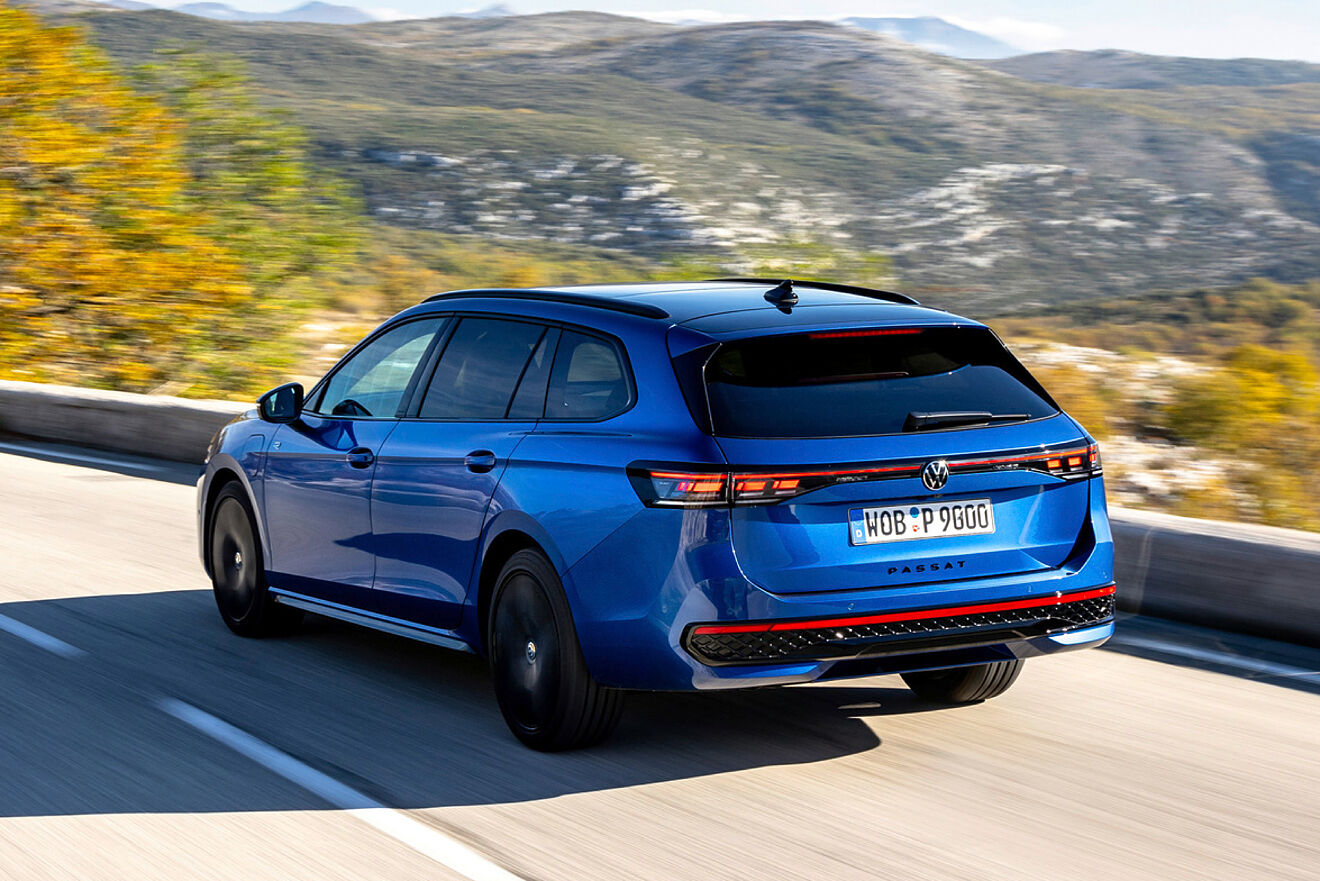
VW Passat e-Hybrid: more of a traveler than Willy Fog
When talking about the Volkswagen Passat, we should start by saying that it's practically an institution. Or rather, almost. Over more than half a century, it has become synonymous with the family sedan, the car for endless roads, family trips, suitcases that fit without needing to play Tetris... And in its latest evolution, named eHybrid, it also does so with the spark provided by its plug-in hybrid engine, transforming it into a veritable "Willy Fog" of the road.
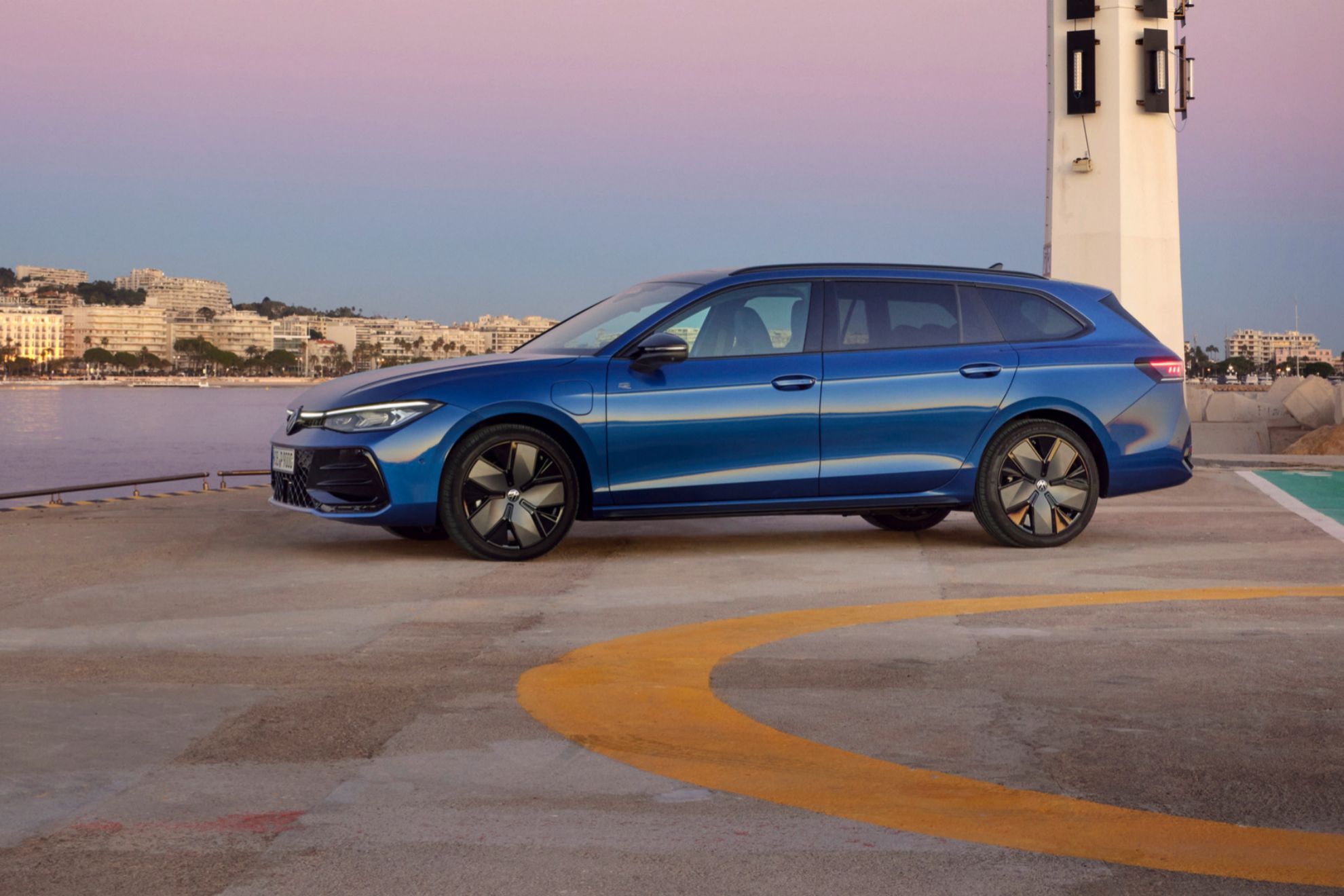
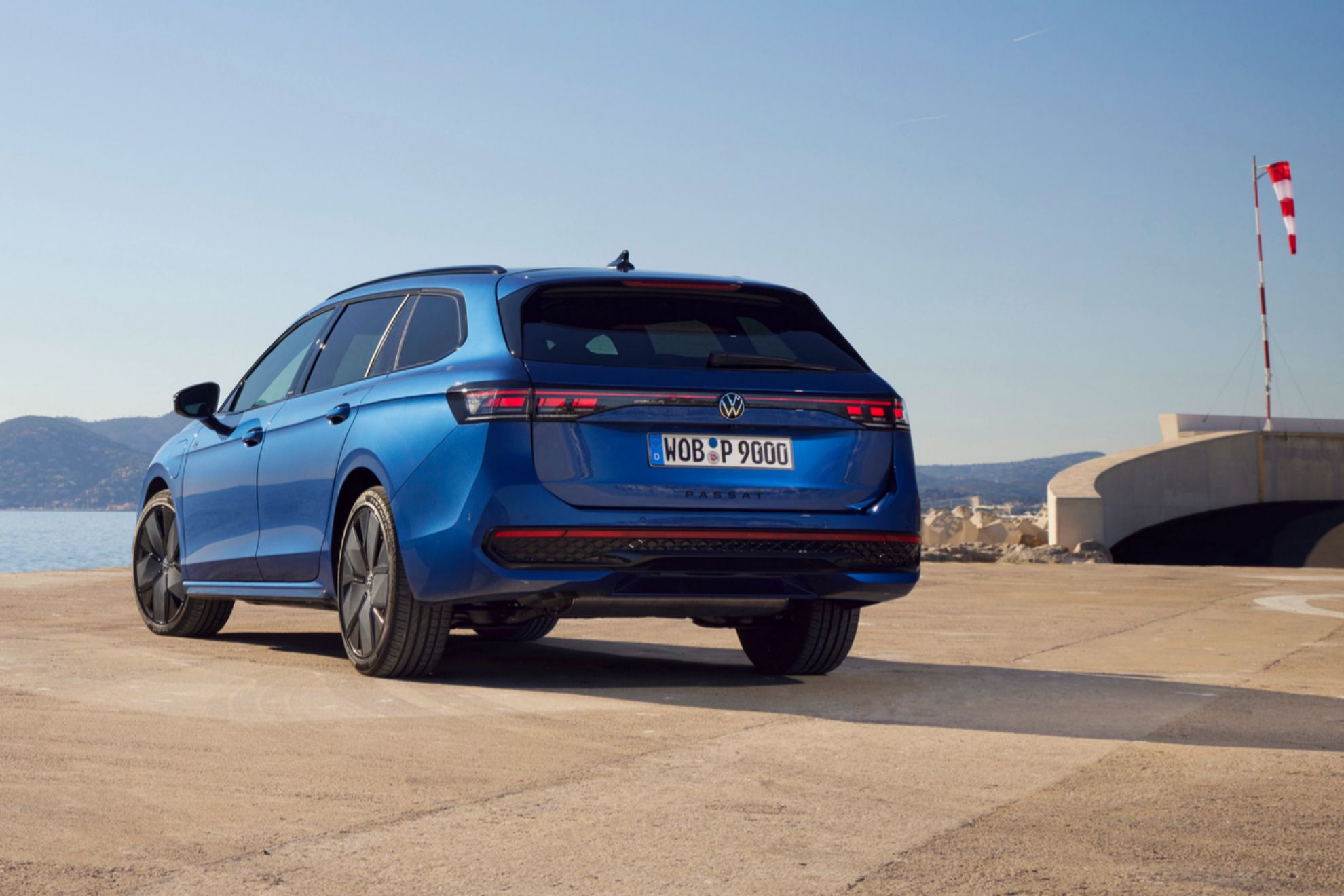
A careful observer might notice that this eHybrid version has a cargo cover located on the left front fender. Or that the 19-inch wheels are eye-catching, but quite closed to allow for cleaner airflow. If we add a certain sporty appeal to this, we also note that the R-Line version adds specific bumpers, a rear diffuser, and darkened details, maintaining the aforementioned sobriety.
Cabin: spaciousness and well-understood sobriety...Inside, there's plenty of space. In the front seats, this space isn't so much in height, but rather in width, where it feels generous. Here, we also find front seats that offer cushioning balanced between firmness and comfort, and also include heating, ventilation, and massage. And we must consider that, on long trips, these extras aren't so much unnecessary indulgences as they are allies against fatigue.
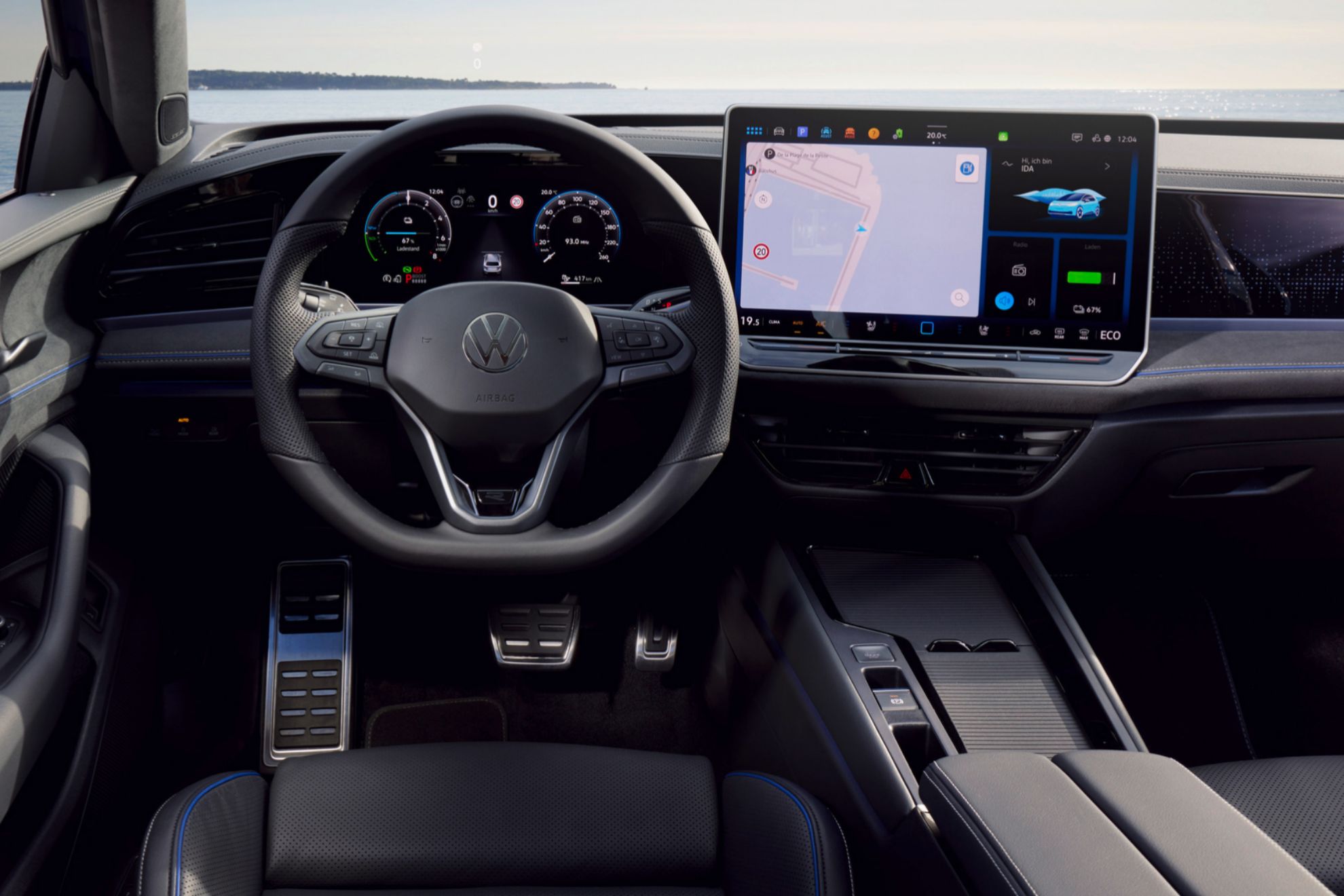
On the contrary, the interior design that the driver encounters doesn't seek to surprise, with two screens that concentrate the main functions. The first is 10.25 inches for the digital instrumentation, very clear and configurable, and the second, 14.9 inches, is for the infotainment. The latter allows for Apple CarPlay and Android Auto connectivity, but the car generally dispenses with physical buttons, which requires an initial learning curve to navigate the menus if you've never driven a Volkswagen of this generation before. Yes, it takes some getting used to, but we always prefer physical buttons that provide direct access to, for example, the climate control.
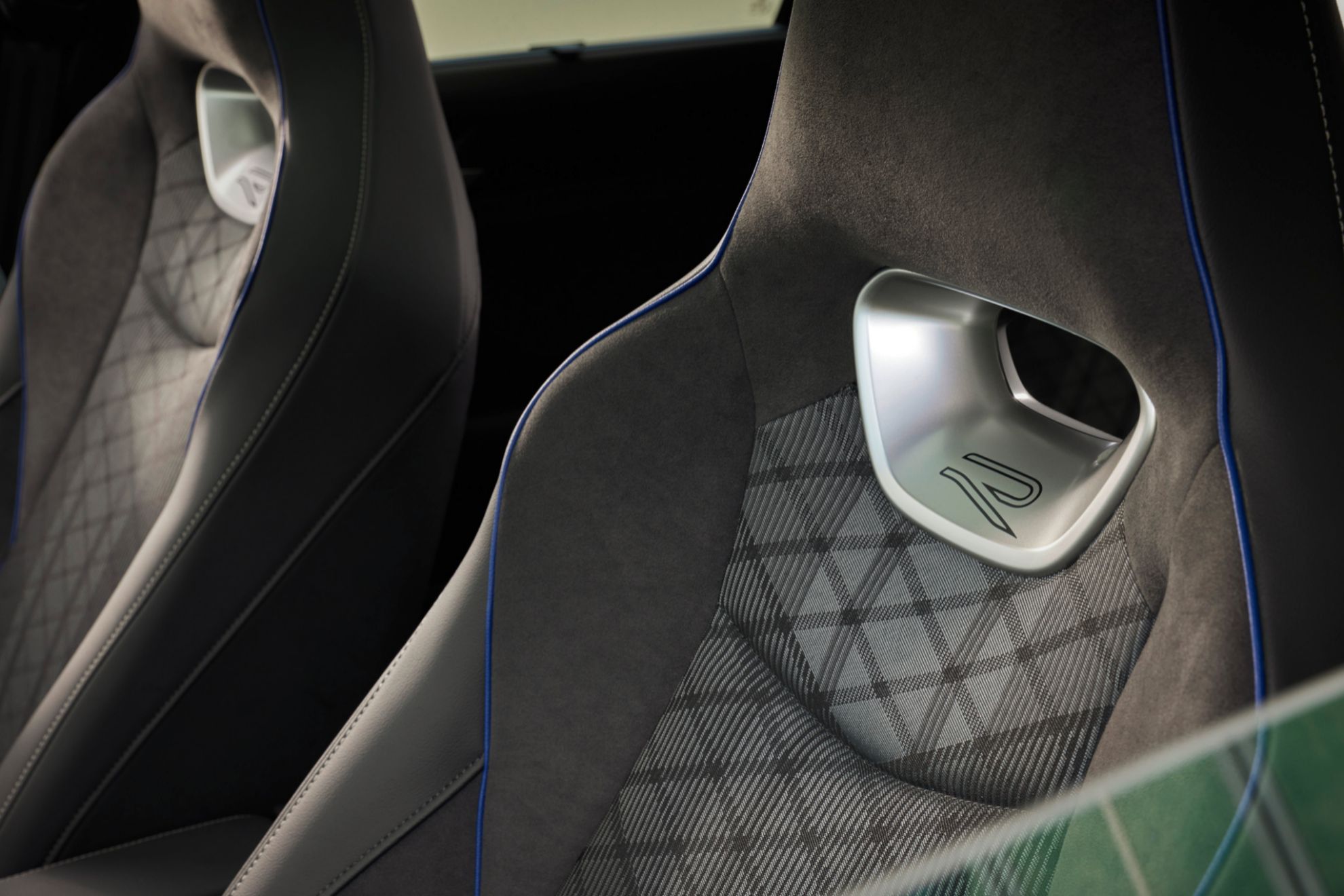
Durable durability...As for the finishes, they maintain the expected Volkswagen standard, with padded surfaces and plastics that don't creak or feel brittle when you try to move them. All of this contributes to lasting solidity. An added bonus, considering we already mentioned that this is an R-Line version, are the specific upholstery and seats with integrated headrests, which lend a sporty feel without sacrificing elegance.
As for the rear seats, two passengers enjoy generous legroom and headroom. But we repeat: two, because the "bridge" between the center passenger's feet is so bulky that it will be difficult to accommodate their lower limbs, and the backrest (the center armrest, once folded down) is a bit hard.
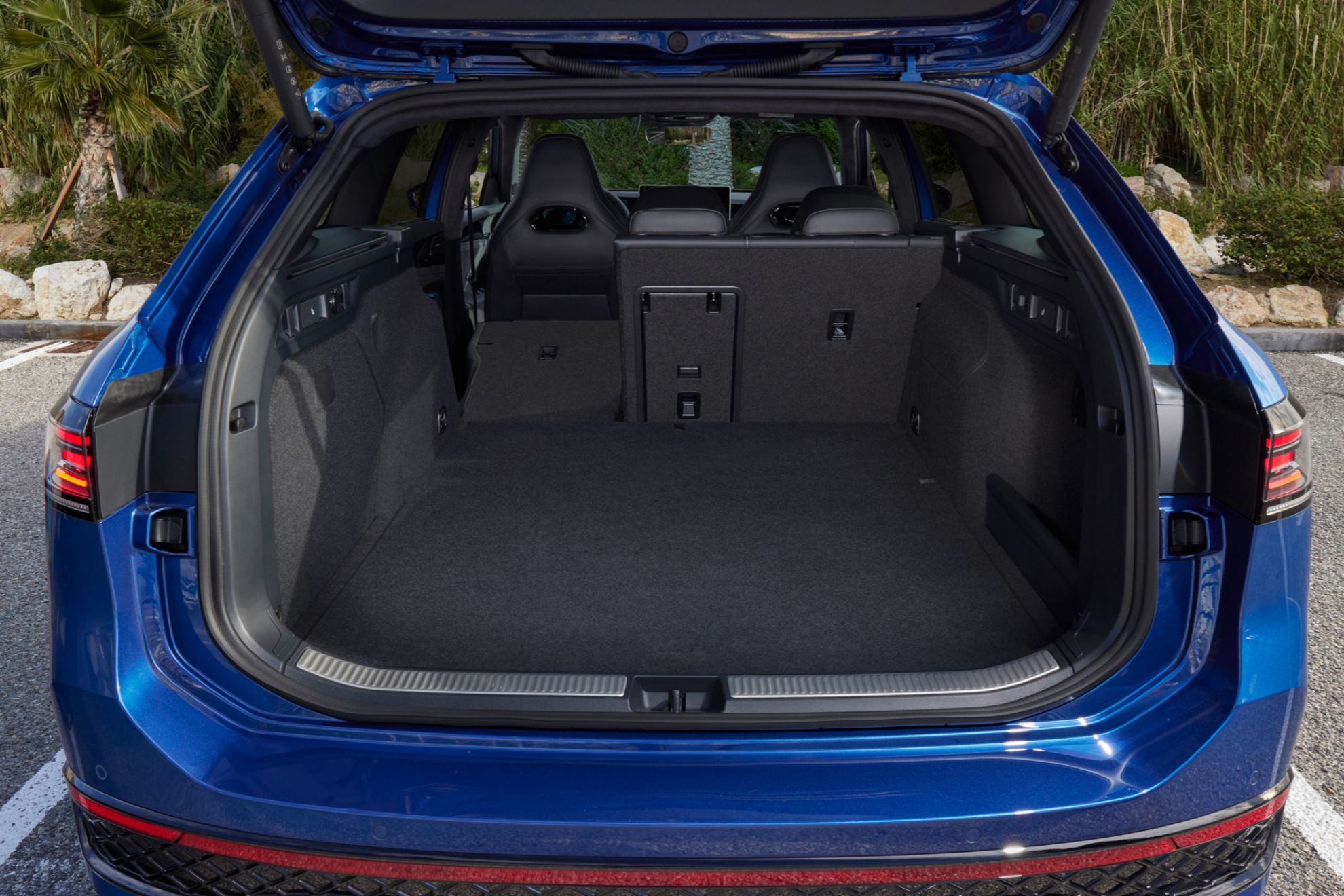
The Passat has always boasted a large trunk, and in this plug-in version, the story is more subtle. At 510 liters, it's still more than enough for a family going on a summer vacation, but it falls short of the massive 690 liters offered by the non-electrified versions. This is because the battery, located under the cargo floor, takes up space, though without compromising the regular, practical shapes that facilitate luggage storage. In any case, when the second row is folded down, this volume increases to 1,770 liters, a figure that keeps it on the podium of largest family cars. It's not the absolute leader, but it's still a car that can carry bicycles, luggage, and a good variety of items without any hassle when traveling alone or with a companion.
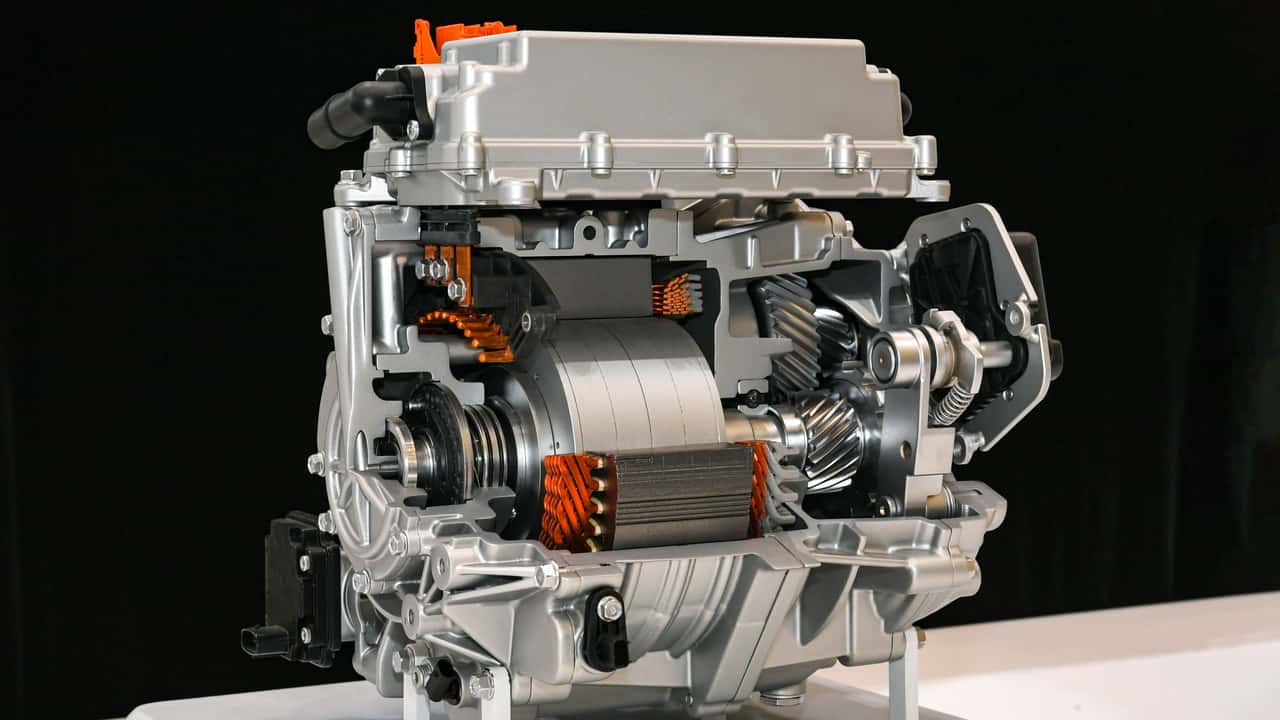
The heart of the eHybrid combines a 177 hp 1.5 TSI gasoline engine and a 116 hp electric motor powered by a 25.7 kWh battery. Together, they deliver 272 hp and 400 Nm of peak torque. These are high numbers, but not overwhelming, which doesn't seem right, given how electrification is giving "family cars" power outputs that sometimes seem unnecessarily high, if not illogical.
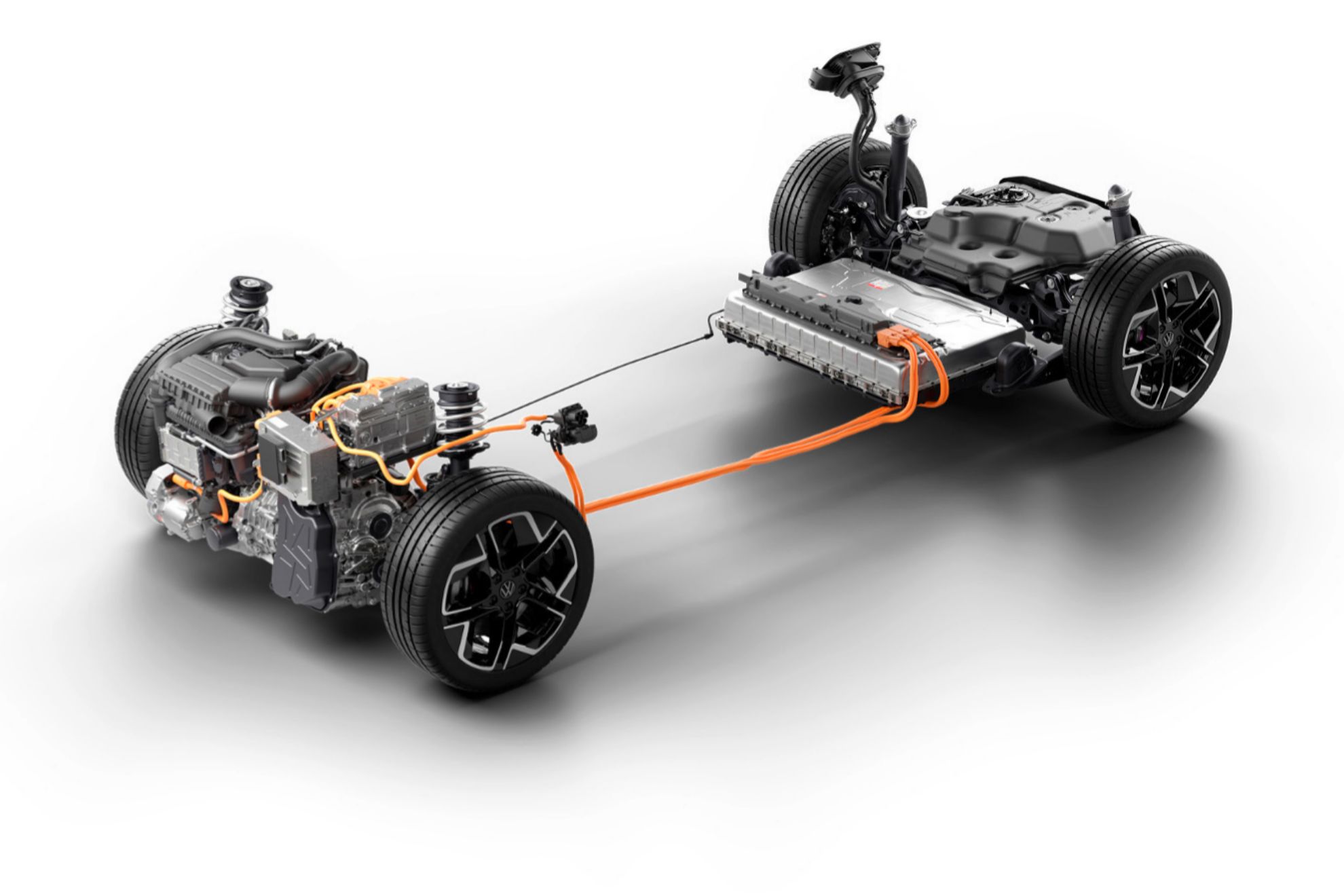
High performance...In electric mode, it moves quite nimbly around town, with extreme smoothness and the agility of a pure electric vehicle. And when combined with the gasoline engine, performance improves, reaching 0 to 100 km/h in 7.1 seconds and a top speed of 225 km/h. Again, these are very high numbers, but not absurd, as befits its role as a tireless traveler.
The electric range is even more surprising. Although the WLTP cycle is approved for 124 km, when we got to real-world driving (combining highway and city driving), the figure was around 100 km, which is still excellent for a plug-in hybrid and allows most daily trips to be made quietly and pollution-free. The battery charges in two and a half hours at an 11 kW AC charging station, while DC fast charging allows up to 40 kW. So, going from 10% to 80% takes about 26 minutes.
Comfort and silence...Behind the wheel, the Passat eHybrid seems to prioritize comfort above all else, judging by how the suspension absorbs the first bumps we encounter without becoming uncomfortably soft. But that doesn't mean it feels unstable on the road, because once you start picking up speed and are moving along the highway, it feels very stable. We're not talking about agility, an aspect in which its high weight (1,858 kg) is noticeable when driving on winding roads, but rather its stability on fast roads and how it allows us to maintain long journeys without feeling tired. Other than that, the steering offers just the right amount of weight, and although the brake feel requires some adjustment (due to electric regeneration), it quickly becomes natural and easily controlled.
We tested its off-road approach after driving it for nearly 1,000 miles, which gave us a realistic idea of its fuel consumption. Considering we used only four full electric charges, which averaged just over 100 km of range each, and that we drove extensively on highways (at legal speeds and with the car fully loaded), but also on back roads and in the city, the average fuel consumption (excluding electricity) was just 3.3 l/100 km—an astonishing figure for a car of its weight, size, and power. The added bonus is that driving with a full tank and battery means you can easily exceed 1,000 km without refueling, which helps us understand why the Passat remains a car for long trips.
In terms of assistance systems, the Passat's most notable feature is its comprehensive Travel Assist, which combines adaptive cruise control, lane-keeping, and traffic sign recognition. Everything works perfectly, with no false alarms or unnecessary braking. However, as is common with Volkswagen Group models, the electronics brake the car with excessive (and even annoying) force when we're parking, and "understand" that we might bump into a pillar or another car (even if we're looking in the rearview mirror to make sure we don't hit them). This is the most obvious dynamic flaw we can attribute to it. In fact, it might be the only one.
The Passat eHybrid R-Line costs €59,380 in Spain. Of course, cheaper alternatives include not only petrol, diesel and micro-hybrid versions, but also the same engine in the simplest Business version (€54,655) and another, also plug-in hybrid, but with 204 hp (in the Passat version), starting at €50,450.
Autonews



Nenhum comentário:
Postar um comentário