AUTONEWS
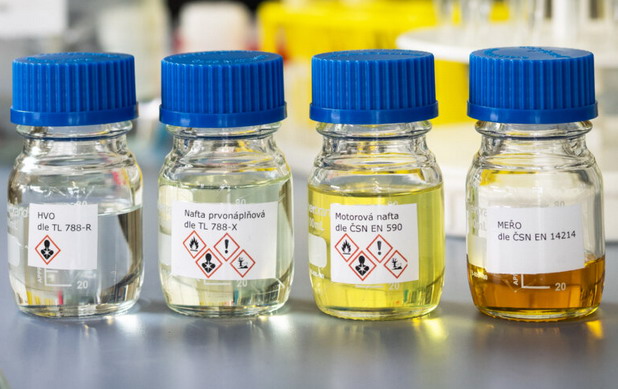
Škoda Auto uses sustainable HVO fuel in new diesel models and logistics fleet
Škoda Auto is now using sustainable HVO (hydrotreated vegetable oil) fuel for the initial filling of new diesel models produced in Czech factories and for filling its logistics fleet. This synthetic diesel is produced from waste materials and is different from biodiesel, which is obtained from agricultural crops. HVO fuel is produced from used fats and oils through a chemical hydrogenation process and therefore does not require any agricultural land, making it even more sustainable. The advanced generation biofuel is supplied by the Czech state-owned company ČEPRO. The initiative is part of joint company-wide decarbonization measures and is designed to significantly reduce the carbon footprint of Škoda Auto’s corporate activities. In production and logistics, the Czech carmaker aims to achieve carbon-neutral operation at all of its factories in the Czech Republic and India by the end of the decade.
“HVO fuel offers up to 90% lower net carbon emissions compared to fossil diesel. As the first Volkswagen Group brand to adopt this innovative solution, we use HVO not only in our personal vehicles, but also to fuel the trucks that manage internal logistics at our Czech plants. From August to December 2024, these internal vehicles consumed approximately 46,000 liters of HVO fuel – corresponding to an annual saving of around 300 tons of CO₂. This initiative takes a significant step towards reducing the carbon footprint of our business and achieving CO₂-neutral production at our production sites.”
* Earth Day celebration: Škoda Auto switches to high-quality HVO (water-treated vegetable oil) fuel for the initial filling of newly produced diesel vehicles and for refueling its logistics fleet
* HVO fuel has up to 90% lower net carbon emissions compared to fossil diesel and contributes to Škoda Auto's sustainability strategy
* Škoda Auto is the first Volkswagen Group brand to introduce HVO to reduce carbon emissions along the entire value chain
* All Škoda diesel models from model year 2022 onwards have HVO approval
* Škoda Auto has committed to achieving carbon-neutral production at all its production sites in the Czech Republic and India by the end of the decade
HVO: A sustainable fuel with a range of advantages...HVO fuel is an advanced biofuel classified as a synthetic diesel substitute. It is produced through a hydrogenation process, primarily using waste oils, including used cooking oil and vegetable and animal fats. Unlike biodiesel, the production of HVO fuel does not rely on agricultural crops.
HVO fuel is clear in appearance, virtually odorless and has a significantly higher cetane number than fossil diesel (70 compared to 51). This improves combustion efficiency and helps reduce emissions of pollutants, especially particulate matter. HVO fuel is also free of sulfur, aromatic hydrocarbons and high-boiling hydrocarbons. As a result, pollutant emissions are reduced and lead to fewer regeneration cycles of the diesel particulate filter (DPF). In older diesel engines, HVO fuel can also contribute to quieter and smoother operation. The fuel can be freely mixed with conventional diesel.
Škoda vehicles with HVO fuel approval...All Škoda diesel models from model year 2022 onwards (manufactured from calendar week 25 of 2021) are approved for the use of HVO fuel. Vehicles with HVO approval are marked with the XTL symbol on the fuel tank cap, while for older models, compatibility can be confirmed by authorized Škoda dealers. HVO fuel and HVO diesel blends are now widely available in European markets.
Škoda Auto’s path to decarbonisation...Škoda Auto is working to reduce its environmental impact and remains committed to achieving carbon neutrality at all production sites in the Czech Republic and India by 2030, with the Vrchlabí plant already achieving carbon neutrality in 2020. A key milestone is the conversion of the heating plant in Mladá Boleslav, which was carried out in partnership with ŠKO-ENERGO. Once the plant is fully converted to biomass, it will reduce net CO₂ emissions by up to 290,000 tonnes per year.
by: Škoda


Nenhum comentário:
Postar um comentário