AUTONEWS
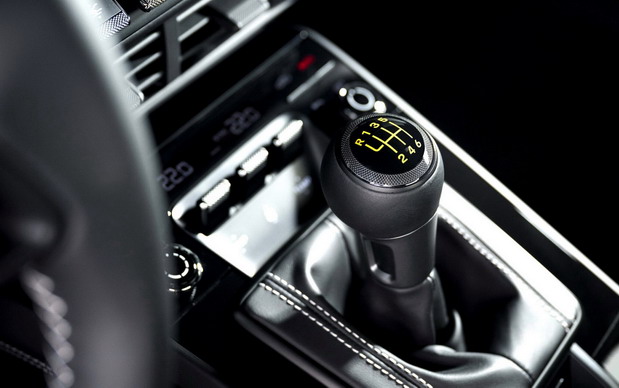
Number of cars with manual transmissions has fallen by 57 percent in the last ten years
Manual transmissions are becoming increasingly rare, and a new study highlights just how drastic the change is. Specifically, the number of vehicles with manual transmissions has fallen by 57 percent in the last ten years, according to new research by Car Gurus.
The study was conducted in the United Kingdom and focused on the 30 best-selling brands. It was found that in 2015, 192 models were available with a manual transmission. However, that number has been steadily declining, to 109 models in 2023, 89 in 2024 and only 82 this year.
Given this, it is not surprising that the number of brands that do not have manual transmissions is growing. Mini and Land Rover will offer only automatic transmissions from 2025, joining Lexus, Mercedes, Tesla and Volvo, according to Jutarnji.hr.
By comparison, in 2025, there were 196 models available exclusively with automatic transmissions among the top 30 manufacturers. Models available with manual transmissions account for just 29 percent of the models from the UK’s top-selling carmakers.
Seven models dropped manual transmissions last year and, if the trend continues, manual transmissions could be extinct by 2037, the study found. The shift to electric vehicles won’t help manual transmissions, but some carmakers are exploring ways to keep the option alive in such cars.
Volkswagen offers seven manual transmission models in the UK. It is followed by Citroen and Ford, each with six manual transmission models. Dacia, Hyundai, Mazda and Skoda each have five manual transmission models.
"Given the increasing number of new all-electric cars and the general market demand for larger and more premium vehicles, it is not a big surprise to see the decline in manual transmissions continuing in the 12 months since we last conducted this study. Increasingly, automatic transmissions are no longer a luxury that customers have to pay extra for, but an expected standard feature," said Chris Knapman of Car Gurus.
At the current rate of decline, CarGurus predicts that there will likely be no manual gearbox offerings available on new models by 2037 (based on a rate of seven models a year, the decrease from 2024 to 2025).
However, the ban on sales of new petrol and diesel cars from 2030 means manual transmissions are likely to disappear entirely from mainstream showrooms at the end of the decade.
From 2030, only conventional hybrid, plug-in hybrid and fully-electric cars will be available from new in dealerships.
Currently, not a single model across these three fuel types have a manual gearbox. This is because an electric drivetrain with instant torque simply requires a single gear.
That said, Hyundai's Ioniq 5 N hot SUV (costing from £65,000) has a 'simulated' manual gearbox using paddleshifts behind the wheel.
Despite having a single-speed gearbox, the N e-shift system replicates the sensation and engine sound of a combustion engine.
It even has a rev counter redlined to 8,000rpm - once you hit this in a gear, it will accelerate no more, as with a conventional manual transmission. Change down the gears and it will simulate the blipping of the throttle.
It's a clever feature design to make EVs more engaging, with Toyota also developing its own simulated manual gearbox.
That said, the mechanical transmission most licence holders have learned to drive in will soon be extinct when new cars transition to electric power.
Supercars and niche models built in low production volumes - think small sports car like Caterhams and Ariels - have also been given a stay of execution from the ban on new petrol and diesel models at the end of the decade.
It means only the super-rich and petrol head enthusiasts will theoretically still be able to buy manual cars after 2030.
However, by 2035 these are also likely to be forced to go electric, almost certainly rendering the gear shift extinct.
Mundoquatrorodas



Nenhum comentário:
Postar um comentário