AUTONEWS
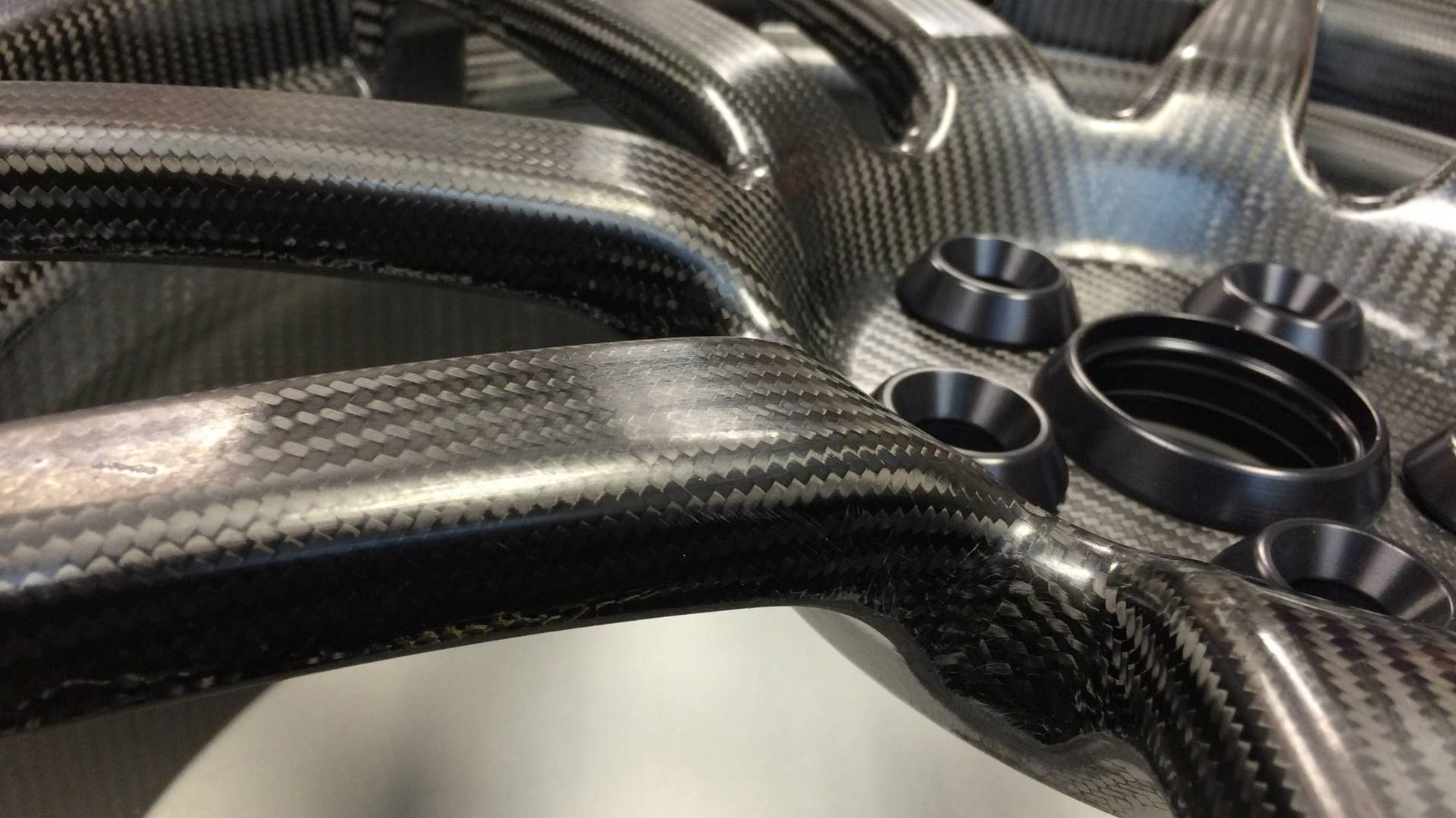
Carbon fiber, a material that has become synonymous with lightness and high performance in the automotive industry, is under threat in Europe.
European Union lawmakers are discussing including the compound in the list of hazardous materials, which could lead to its ban in new cars in the coming years.
The reason? Concerns about environmental impacts and risks to human health during the recycling process.
The proposal is part of a revised version of the End of Life Vehicles (ELV) Directive, presented in April 2025, as revealed by the Japanese newspaper Nikkei.
According to the text, carbon fiber fragments released when the material is cut or recycled can pose risks to both the environment and exposed workers.
Although the proposal is still under debate and has not been approved, its mere existence is already causing concern among automakers and suppliers. After all, this would be the first time that a major jurisdiction has officially classified carbon fiber as a hazardous substance.
What’s more, the text only allows for exceptions “when there are no viable alternatives” — which indirectly suggests that European authorities believe such alternatives already exist, although none have been named so far.
Originally used in racing cars and supercars, carbon fiber has been gaining ground in larger production models in recent years, especially with the rise of electric vehicles.
Because batteries are heavy, automakers are looking for lightweight materials to offset the extra weight and maintain competitive range. The BMW iX, for example, uses a set of structural carbon fiber panels called Carbon Cage.
However, if the proposal goes ahead, plans to reduce weight with this material could be drastically affected.
The expectation is that, if approved, the ban will come into effect from 2029 — enough time, according to lawmakers, for the industry to adapt.
Initially, the measure would only apply to the automotive sector. There is no mention, so far, of restrictions on the use of carbon fiber in other segments where the material is also widely used, such as in the aeronautical industry (such as the Boeing 787 Dreamliner), wind turbines, high-performance bicycles, sailboat masts and fishing rods.
Still, the concern is widespread. Manufacturers and users of the material are already mobilizing to try to block the proposal or, at least, guarantee specific exemptions, as is currently the case with other materials classified as hazardous — among them lead, mercury, cadmium and hexavalent chromium, all of which are still permitted for certain uses in the automotive industry due to the lack of viable technical alternatives.
The EU's decision could have a cascade effect on several production chains, especially at a time when the automotive industry is already facing challenges in meeting emissions targets, the transition to electric vehicles and rising production costs.
The reaction from automakers, especially those that have invested heavily in lightweight technologies for their electrified models, is expected to be intense.
If the proposal is upheld, it is possible that carbon fiber could end up being classified as a hazardous material, but with practical exceptions that allow for its controlled use — which would prevent ongoing projects from being halted.
On the other hand, there is also the chance that, in the face of political and industrial pressure, the idea could simply be abandoned.
As the European Parliament, the European Commission and the European Council prepare to discuss the issue in the coming weeks, one thing is certain: the controversy surrounding carbon fiber is just beginning — and the future of lightweight materials in the automotive industry could be about to change dramatically.
Mundoquatrorodas




Nenhum comentário:
Postar um comentário