AUTONEWS
Adaptive cruise control is causing more accidents, study finds
Often referred to as electronic nannies, modern cars have more technological and safety features than ever before. In theory, they not only reduce stress, but also add a level of safety. In practice, these systems work that way. However, a recent study suggests that cruise control may do more harm than good.
At least that’s according to studies by several researchers in the Netherlands, who gathered data from around the world on the effectiveness of automated driver assistance systems (ADAS) in reducing accidents. The study focused on 28 specific vehicle functions, ranging from simple informational features like real-time tire pressure monitoring to camera systems, navigation modes, blind spot warnings and active safety technology like automatic emergency braking. The systems were categorized into four levels of interaction:
Information systems – low levels of control and urgency
Warning systems – low control and high urgency
Intervention systems – high control and high urgency
Comfort-enhancing systems – high control and low urgency
The study concluded that systems in the first three categories either had no effect or did not reduce the likelihood of accidents. A tire pressure display (information system) made no difference, but lane-keeping assistance led to a 19.1 percent reduction in accidents. A driver attention monitoring system reduced accident rates by 14 percent. These are considered Warning and Intervention systems and scored much higher in the study.
On the other hand, comfort-oriented systems, such as adaptive cruise control, had the opposite effect. Standard and adaptive cruise control were the only systems that increased the likelihood of accidents. Standard cruise control was associated with a 12% increase in incidents, while adaptive cruise control (ACC) increased the likelihood by 1.8%. One data point showed an 8% increase for adaptive cruise, although other reports have indicated that it may reduce the risk somewhat.
Unsurprisingly, driver distraction is cited as the main reason for these increases, especially in the case of standard cruise control. By relieving the driver of some of the driving duties, the system can make them less aware of their surroundings.
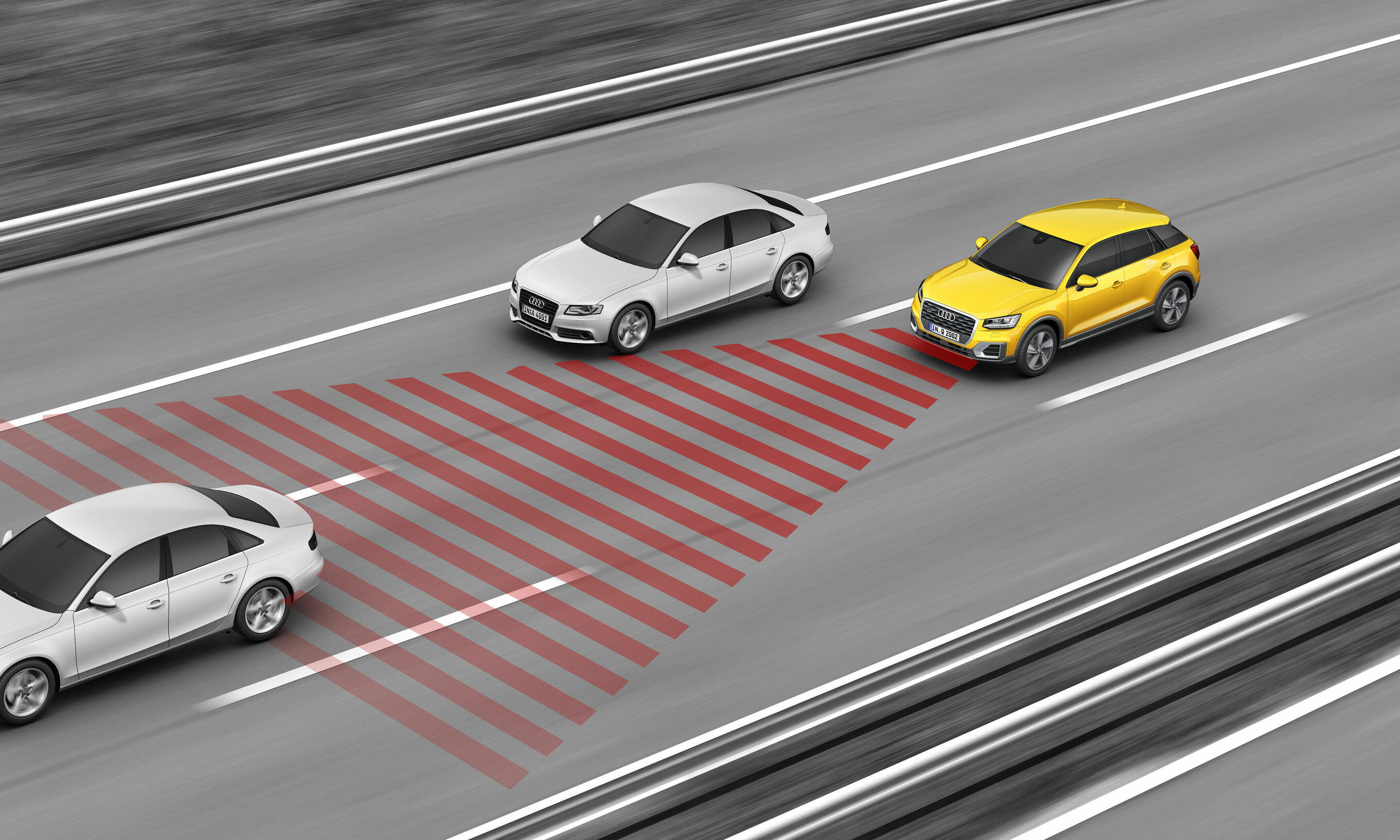
Adaptive cruise control, which allows the car to automatically accelerate and brake to maintain a safe distance, can also lead to a state of decreased attention rather than active driving. However, the study notes that not all adaptive cruise systems are able to correctly detect slow-moving or stationary objects.
In theory, automatic emergency braking should intervene in these situations, but not all vehicles equipped with adaptive cruise control have this technology. This can lull the driver into a false sense of security, relying on the system to stop when it may not be able to do so. In addition, the use of mobile phones and other objects in conjunction with assistance systems also contributes to distraction, especially when the car takes over some of the driver’s tasks.
Ultimately, regardless of the assistance systems on board, the responsibility for safety behind the wheel remains with the driver.
Mundoquatrorodas




Nenhum comentário:
Postar um comentário