sábado, 5 de setembro de 2026


JENSEN


Jensen Interceptor GTX

Jensen International, the British restorer of early Jensen vehicles and classic Range Rovers, is launching this new Interceptor, having recently acquired the rights to the legendary name.

No arguments: ‘Interceptor’ is the coolest name a British car ever wore. Jensen built the original from 1966 to 1976, until it went the way of most British car companies. Bust.

A company in Oxfordshire has been diligently restoring old Interceptors since 2007 – we tested one of their fine £300,000 revamps here – but now Jensen International Automotive has decided the time is right for an all-new Interceptor. But it’s going about it in a deeply unusual way.

Normally, a company builds a spangly concept car, then a watered down production road car, and if it turns out to be any good, then strips it out and takes it to the track. Jensen International has decided to flip that around, and mash it all up. Welcome to the Jensen Interceptor GTX. A track only concept car you can’t race. Huh?

The idea is that this ultra-extreme prototype will test the design and components to destruction. Once they’re tough enough for track-spec abuse, Jensen will know its future road-going version won’t perform the British sports car party piece of expiring in a steamy cloud of embarrassment.

This first prototype, the Interceptor GTX, is a two-door track-ready coupe with an aluminum body. It has a front-mounted engine, rear-wheel drive, a six-speed sequential gearbox and a 6.8-liter V8 GM LS engine with a supercharger. It produces 960 hp here, but could be tuned to 1200 hp later.

A huge carbon fiber rear wing, along with a splitter, flat floor and diffuser, helps generate more than 350 kg of downforce.

Inside, there are carbon fiber racing seats, six-point harnesses, a roll cage and a MoTeC display.

The GTX will be followed by more road-focused models - the GTR and GT - which will not only have four seats, but also four doors.

There are no prices for the road-going cars yet, but if you want a car with this specification, it would cost somewhere between £850,000 and £950,000.

The prototype is now set for six months of testing while Jensen assesses the car's response. "We're flexible," the company says.


Autonews


AUTONEWS


Study suggests metal foam would make cars safer in collisions

A new study finds that composite metal foam (CMF) could significantly improve automobile safety during frontal collisions. Using computational models to run detailed simulations, researchers found that incorporating CMF into automobile “front rails” would allow them to absorb more energy during high-velocity impacts.

CMFs are foams that consist of hollow spheres – made of metals or alloys such as steel – embedded in a metallic matrix. The resulting material is both lightweight and remarkably strong at absorbing compressive and impact forces, with potential applications ranging from aircraft wings to vehicle armor to body armor.

“CMF is lighter than conventional metals without sacrificing strength, and our work here tells us that its unique structure allows it to better absorb energy during high velocity impacts,” says Afsaneh Rabiei, corresponding author of the study and a professor of mechanical and aerospace engineering at North Carolina State University. “This is important, because it slows the rate at which a vehicle decelerates during a crash – and slowing deceleration improves driver and passenger safety.”

During a high-velocity, frontal car crash, the bumper system of an automobile transfers the impact energy to the front rails, which are designed to absorb that energy. These front rails are meant to deform in a way that limits the amount of energy that is transferred to people in the vehicle, and to stop the vehicle from decelerating too rapidly. If deceleration is too sudden, vehicle occupants can sustain severe injuries, including head injuries.

Two common front rail designs in commercially-available vehicles are “rectangular cross-section” and “double-octagonal cross-section.” Rectangular cross-section rails are long, hollow steel rectangles. Double-octagonal rails consist of two long, hollow aluminum octagons stacked on top of one another.

For this study, researchers wanted to see how those common front rail designs would perform compared to front rails consisting of an aluminum tube with a steel CMF core. The researchers drew on extensive experimental data on CMF and publicly-available material and design data for the conventional front rails in order to conduct detailed computational modeling of how the rails perform during high-velocity frontal impacts.

In simple terms, the CMF front rails allowed the vehicle to withstand much higher impact speeds before reaching critical safety limits. Compared with conventional double-octagon front rails, the vehicle could travel about 34% faster before reaching the critical crash-severity limit and about 40% faster before reaching the head-injury limit. Compared with rectangular front rails, those limits increased by about 32% and 48%, respectively.

Inside the university’s engineering lab, the material looks at first like a simple metal block sprinkled with tiny bubbles. Those bubbles are actually airtight hollow spheres fused inside a metal matrix. When struck, they collapse inward and absorb energy that would otherwise pass straight through a solid steel shell.

“This is the sample we put in front of a 300,000-pound ram car,” lead researcher Afsaneh Rabiei said as she held a cross-section of the material. “It didn’t disintegrate or punch through. The spheres squeezed down like bubble wrap and protected the plate behind it.”

Earlier federal testing showed that a ram car traveling just over 5 mph tore through a steel plate the same thickness used in tank cars. When a layer of composite metal foam was added, the railcar bounced backward and the steel remained intact.

In smaller demonstrations, the differences were just as clear. Rabiei held up two aluminum samples to show the contrast. One bent and cracked. The foam version compressed uniformly.

“This is before loading, and this is after,” Rabiei said. “The foam goes straight down and absorbs the energy instead of sending it through.”

Tank cars carrying crude oil, ethanol and chemical feedstocks can spill large quantities of hazardous material if their steel shells rupture. The study outlines how a thin layer of composite metal foam could be added between steel walls to prevent puncture in a derailment.

CMFs are foams that consist of hollow spheres – made of materials such as stainless steel, nickel, or other metals and alloys – embedded in a metallic matrix. The resulting material is both lightweight and remarkably strong at absorbing compressive forces. (Source: Jie Sun/ NC State University)

“CMF outperformed the conventional rails across the board,” Rabiei says. “And the higher the speed, the better the CMF performed compared to the conventional front rails. Comparing front rail performance during a 55 mph crash offers a good overview of the difference between designs.”

Compared with double-octagon rails, CMF of the same weight and length reduced the maximum deceleration experienced during the crash by about 38%, reduced overall crash severity by about 45%, and reduced the Head Injury Criterion (HIC) – a measure of the likelihood of serious head injury – by about 45%. Compared with rectangular rails at the same 55 mph impact speed, CMF of the same weight and length, reduced maximum deceleration by about 84%, crash severity by about 94%, and HIC by about 83%.

Combined with CMF’s previously demonstrated resistance to heat and fire, the new findings also point to potential applications in electric vehicles, including structures designed to help protect high-voltage battery packs from crash-induced damage.

And the improved safety does not require sacrificing fuel economy: the CMF front rails were the same length and weight as the conventional front rails they were being compared to.

“This also means that you could reduce the length of the front rails, still improve safety, and also make the vehicles more fuel efficient,” Rabiei says.

“We are open to working with the automobile industry to conduct testing of rails that make use of CMF in their existing front rail designs – or to develop new rail designs that make use of CMF to improve safety and fuel efficiency,” says Rabiei.

“We are also interested in working with automakers, suppliers and battery manufacturers to evaluate CMF-based structures for electric vehicles, including battery protection systems. CMF’s combination of lightweight impact-energy absorption and resistance to heat and fire creates opportunities to address multiple vehicle safety challenges with a single material system.”

Composite metal foam (CMF) could revolutionize automotive safety by absorbing impacts and drastically reducing the severity of accidents. A recent study led by researcher Afsaneh Rabiei at North Carolina State University demonstrated that replacing the interior of a car's front frame rails with this material reduces violent deceleration and protects occupants from fatal head injuries, without adding weight to the vehicle.

The material functions similarly to bubble wrap, but with ultra-high strength. It consists of hollow metal spheres (such as steel) embedded in a metallic matrix. This structure allows the material to compress to up to 80% of its original size, progressively absorbing mechanical impact energy rather than transferring it to the passenger cabin.

Additional benefits:

Fuel Efficiency: Since CMF offers the same level of protection while weighing less, vehicles do not suffer fuel economy penalties. Alternatively, the front ends of cars could be shortened to make them even lighter.

Protection for Electric Vehicles (EVs): The material is highly resistant to fire and heat, sparking interest in using it to encase and protect high-voltage battery packs against collision damage and fire risks.

The technology—which has previously been successfully tested for disintegrating armor-piercing .50-caliber projectiles—is now seeking partnerships with automakers and battery manufacturers for real-world road testing.


sexta-feira, 4 de setembro de 2026


CITROEN


Citroën C5 Aircross Hybrid: comfort and technology in a hybrid version that surprises with its logic and driving pleasure

The new Citroën C5 Aircross is quite new (having hit the market late last year), and its mission within the Stellantis and Citroën families is simple: to maintain the family-oriented philosophy of the original C5 Aircross while moving to a more modern platform with more space and technology, and taking the necessary steps toward electrification. After a few months on the market—and with the initial novelty having worn off—we can now put things into perspective; we tested how well the car meets a family's transportation needs. We did this behind the wheel of the 145 hp hybrid version (technically a mild-hybrid), and the verdict we’re sharing centers on a word Citroën has used as a motto for years: comfort.

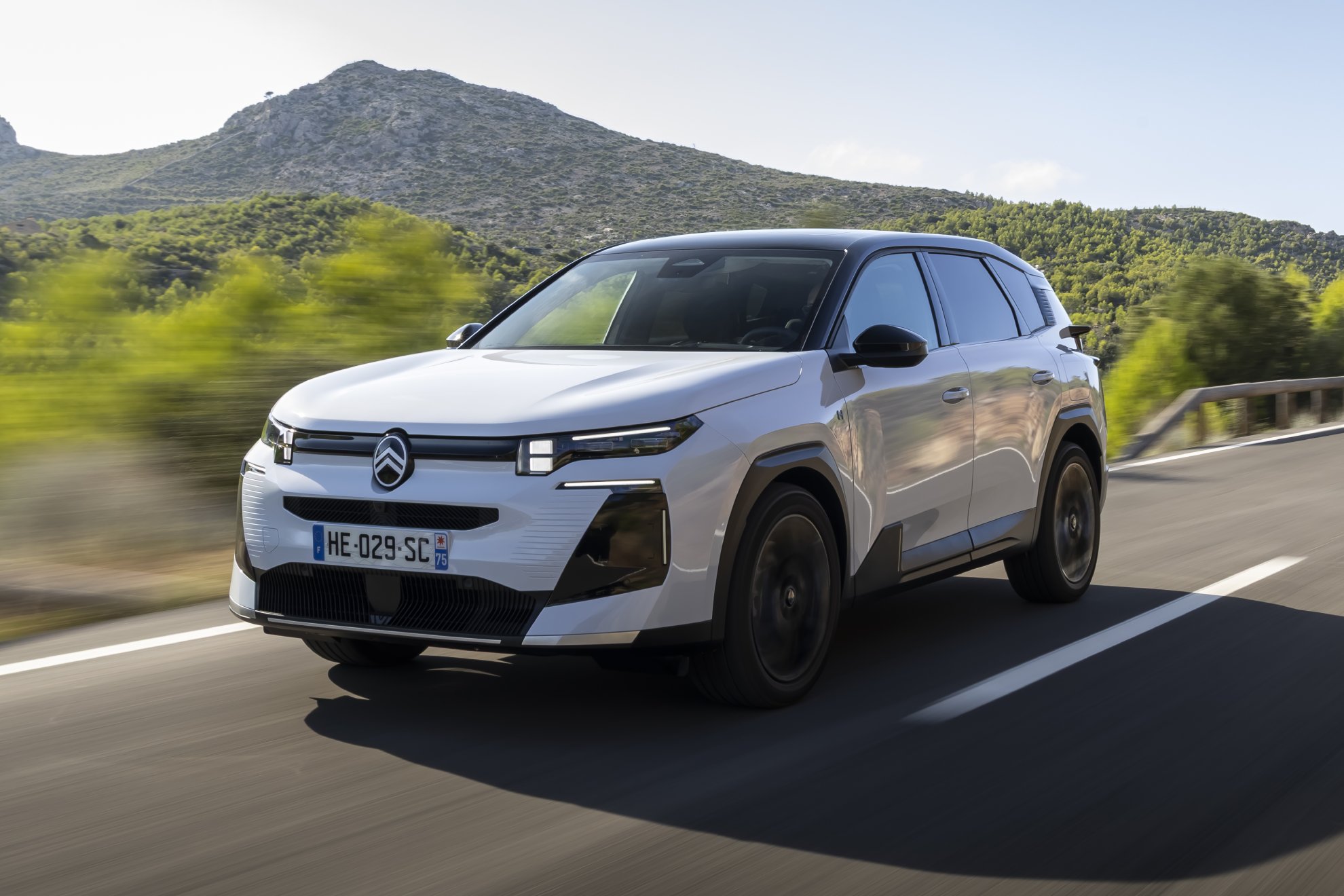
The visual changes compared to the previous C5 Aircross represent a clear improvement. The new generation has moved away from the rounded SUV look (which, viewed from the perspective of 2026, might even be described as stubby) to adopt a longer, lower, and more angular silhouette. Its length has increased by over 16 cm compared to the previous model, bringing the bodywork closer to the dimensions of SUVs in a higher segment. This is all made possible by the STLA Medium platform, which allows for this growth while also opening the door to a family of engines shared with other brands in the Group.
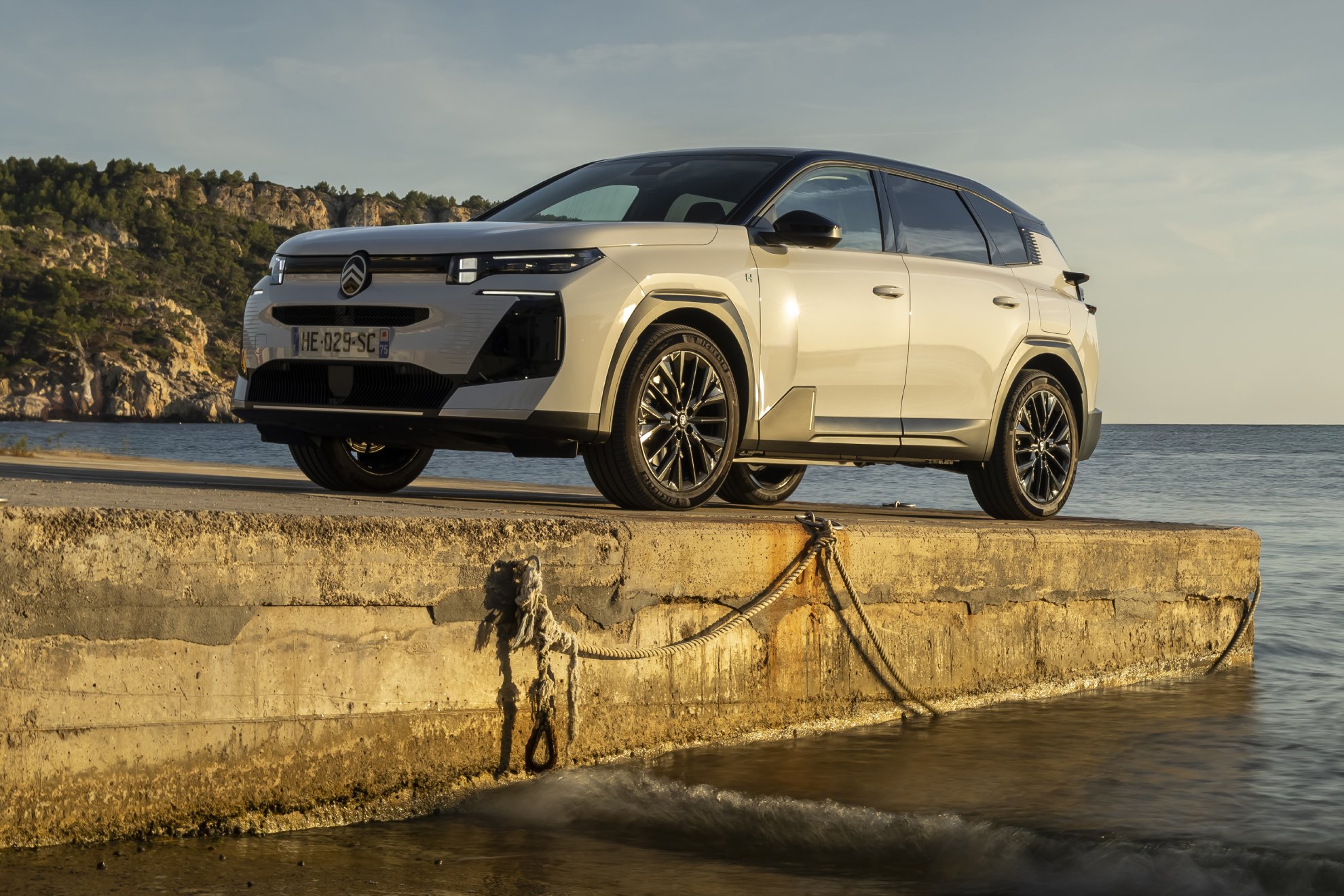
The front end is clean, the side panels are relatively flat, and the rear retains a distinct personality—though, in truth, the entire silhouette is full of character, making it hard to mistake for any other SUV.

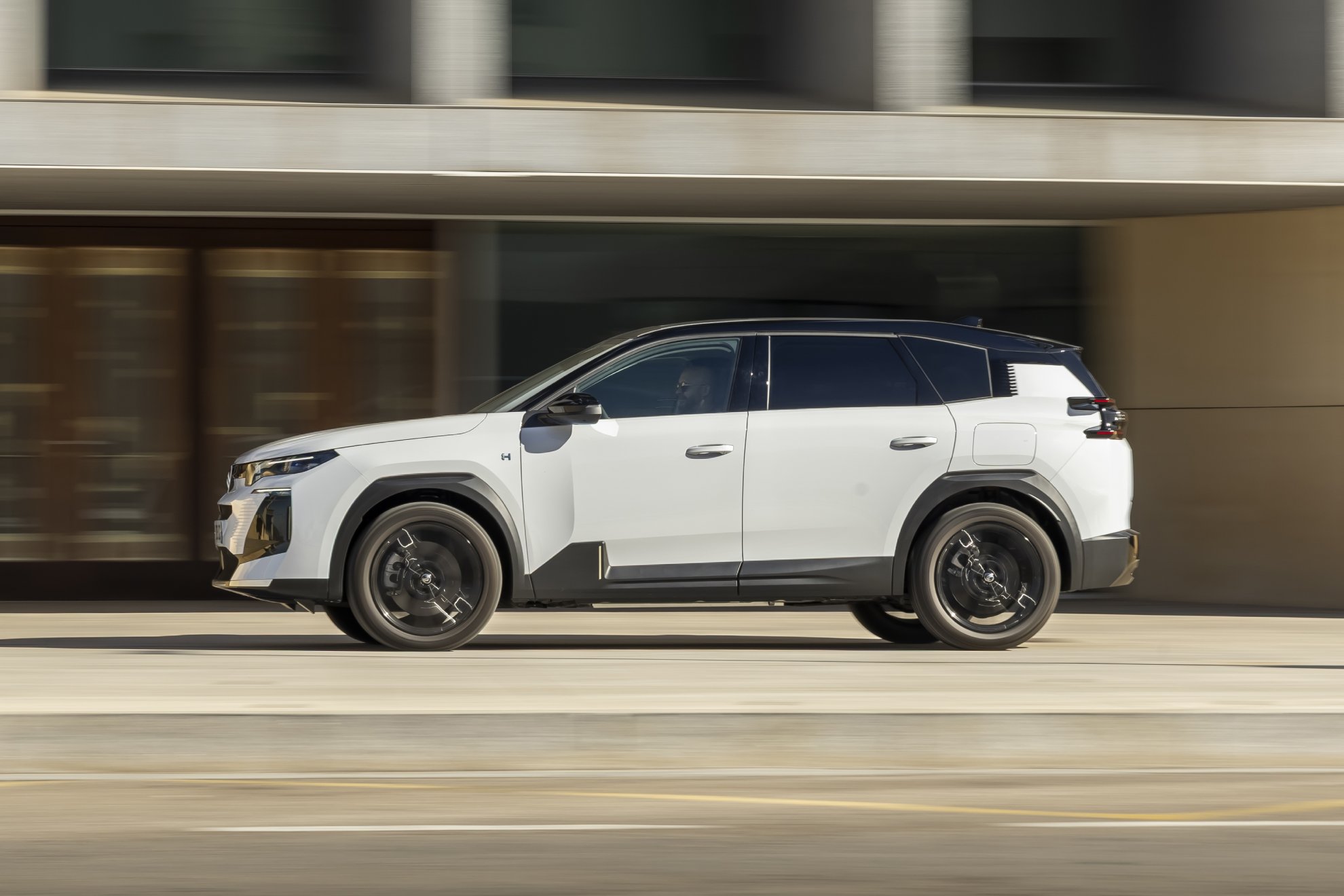
Unlike SUVs from other brands, the hybrid and electric C5 Aircross models look very similar; this allows you to choose your powertrain without it being "written" all over the bodywork—such as through a blanked-off grille or nearly flat wheel covers. The overall impression is of a large, solid, and well-built car—a feeling confirmed when you open the doors and discover where those extra centimeters went.

Inside, it feels as though Citroën prioritized creating a pleasant space rather than chasing a luxury-mimicking atmosphere. Soft-touch plastics are virtually non-existent, but the brand uses a thick strip of padded fabric on the doors and dashboard, adding a touch of style and a certain charm.
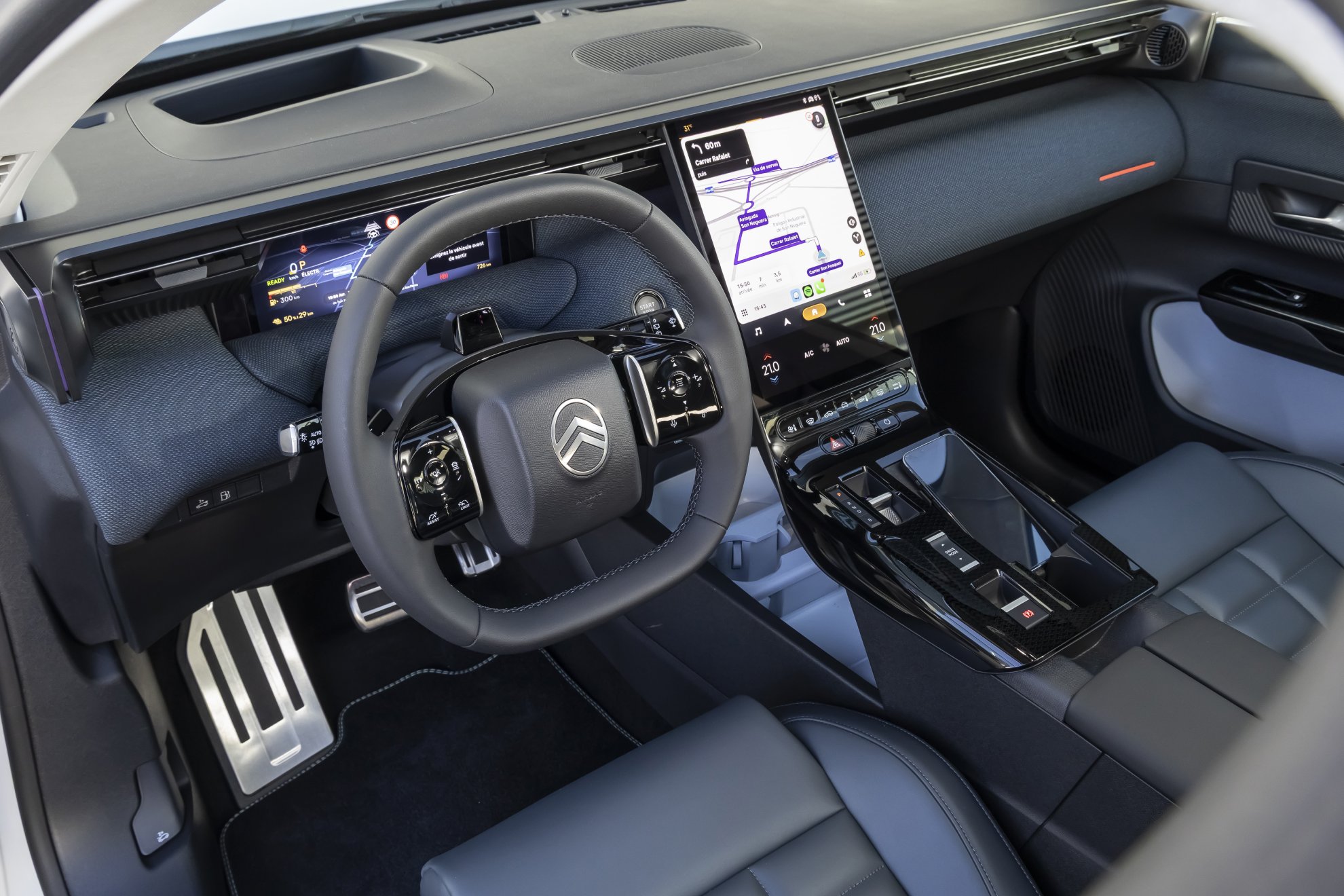
With physical buttons... The interior technology is highlighted by a 13-inch central screen, smartly oriented vertically to make navigation easier. Fortunately, you don't always have to use it to control the air conditioning; turning it on and off—as well as resetting the temperature to the last setting or the minimum for rapid cooling—is handled via physical buttons. In fact, drive mode selection (Sport, Normal, and Eco) is also controlled physically, using a rotary dial located next to the small gear selector.

The graphics are adequate—fitting for a car that doesn't aim to dazzle with tech the way a luxury SUV might. And while navigating the menus (which are quite intuitive) isn't lightning-fast, it works perfectly.

As for the seats in our "Max" (top-of-the-line) version, they are spacious, soft, and designed for hours of comfort without causing lower back pain. We can confirm they live up to that promise. But Citroën understands that a family SUV also needs to meet the needs of rear-seat passengers. That’s where the new platform and longer wheelbase really make sense, as second-row legroom is one of the car's greatest strengths.

In fact, four tall adults can travel with ample legroom—and in a family-oriented car, that matters more than screen resolution or the soft-touch materials on the dashboard. Furthermore, even a fifth passenger in the back seat enjoys plenty of room and a middle seat that is far more comfortable than what is typically found in other brands, thanks to the flat floor and a backrest that doesn't cause discomfort.

The cargo space confirms the vehicle's practicality, offering a capacity of 651 liters—a figure that places it among the best SUVs in its segment and reinforces its appeal for trips requiring all your belongings. This total volume—which can be configured to your liking thanks to two adjustable trunk floor heights—includes an under-floor compartment that, naturally, is not perfectly regular in shape. The advantage is that this dual-floor setup allows you to carry more than you might expect, organize items that would otherwise roll around the trunk, and create a flat loading surface when the 40/20/40 split rear seats are folded down. While this may not be the primary selling point for a car of this type, it makes loading luggage much easier in everyday use.

As for power...The 145 hp hybrid model uses a 1.2-liter, 3-cylinder turbocharged gasoline engine paired with an electric motor integrated into the e-DCS6 dual-clutch automatic transmission. The combustion engine produces 136 hp, while the system achieves a combined output of 145 hp. The electric motor can deliver up to 29 hp and 55 Nm of torque, powered by a 0.88 kWh lithium-ion battery operating at 48 volts. It is worth noting, therefore, that this is a mild hybrid, even though Citroën markets it simply as a hybrid.
The system's peak torque is 230 Nm; the six-speed transmission sends power exclusively to the front axle. Both on paper and in practice, this system is designed for efficiency rather than performance, and the figures bear this out. The C5 Aircross reaches a top speed of 201 km/h and takes approximately 11.2 seconds to accelerate from 0 to 100 km/h. In other words, its performance is adequate in this regard, though not impressive.

The main advantage—considering the car's design philosophy—becomes apparent while driving: the electric motor can propel the vehicle on its own over short distances with gentle acceleration. This means that in city traffic—during maneuvers, pulling away, or driving under light load—the system can disengage the gasoline engine and run solely on electric power. In fact, Citroën claims that up to 50% of city driving time can be spent in electric mode, though we understand this applies to highly favorable acceleration and deceleration conditions.

Upon starting, the electric motor provides the initial boost and smooths out acceleration. As power demand increases, the gasoline engine kicks in. At constant speeds, both systems work together to reduce fuel consumption, and when conditions allow, the system shuts off the combustion engine again—all through a management process that feels far more natural than one might expect from a mild-hybrid system.

Mile after mile... But nothing speaks louder than the numbers, and here we were pleasantly surprised: during our multi-week test—driving within speed limits but with a fully loaded car and almost exclusively on highways—this 145 hp C5 Aircross Hybrid averaged just 5.1 l/100 km. That is a fantastic figure for an SUV of this size, considering the weight and load it was carrying. In fact, we came in well below the official combined fuel consumption figure of 5.4 l/100 km and the rated 950 km range; with a 55-liter tank, we could easily have exceeded 1,050 km.

On the open road, however, the 3-cylinder engine offers more than the numbers suggest. Acceleration from a standstill isn't breathtaking, but once at cruising speed, the C5 Aircross maintains its pace with ease. The engine revs willingly, and the transmission makes good use of the available power. Excellent sound insulation also contributes to a more refined feel at highway speeds.

The situation changes when the car is loaded and you tackle a mountain road. The 145 hp engine has a large body to move, and the weight of passengers and luggage becomes noticeable. In these conditions, acceleration requires anticipation, and the engine works harder. The system does its job, though it is clear that its natural habitat is long-distance travel and driving at legal highway speeds. Regarding the previously mentioned e-DCS6 transmission, it is a six-speed dual-clutch unit that keeps the engine within an efficient rpm range, utilizing electric assistance and delivering very smooth gear changes. This philosophy differs significantly from that of an SUV designed to turn every instance of acceleration into a dramatic event.

Driving modes allow the vehicle's response to be adjusted. Normal mode is suitable for most situations. Eco mode aims to reduce fuel consumption and soften engine response, while Sport mode makes the throttle, transmission, and steering more responsive. In practice, Normal mode—which is the default setting upon startup, even if the car was turned off in a different mode—proves to be the most suitable configuration for the vehicle, whereas Sport mode is best when a quicker transmission response is desired on winding roads.

Driving dynamics are not its strong suit, although this new generation has gained in composure. The previous C5 Aircross had a soft suspension that resulted in significant body roll. The new car controls this roll better and conveys a greater sense of control, even though it still prioritizes comfort over sportiness—provided the noticeable body movement doesn't bother you.
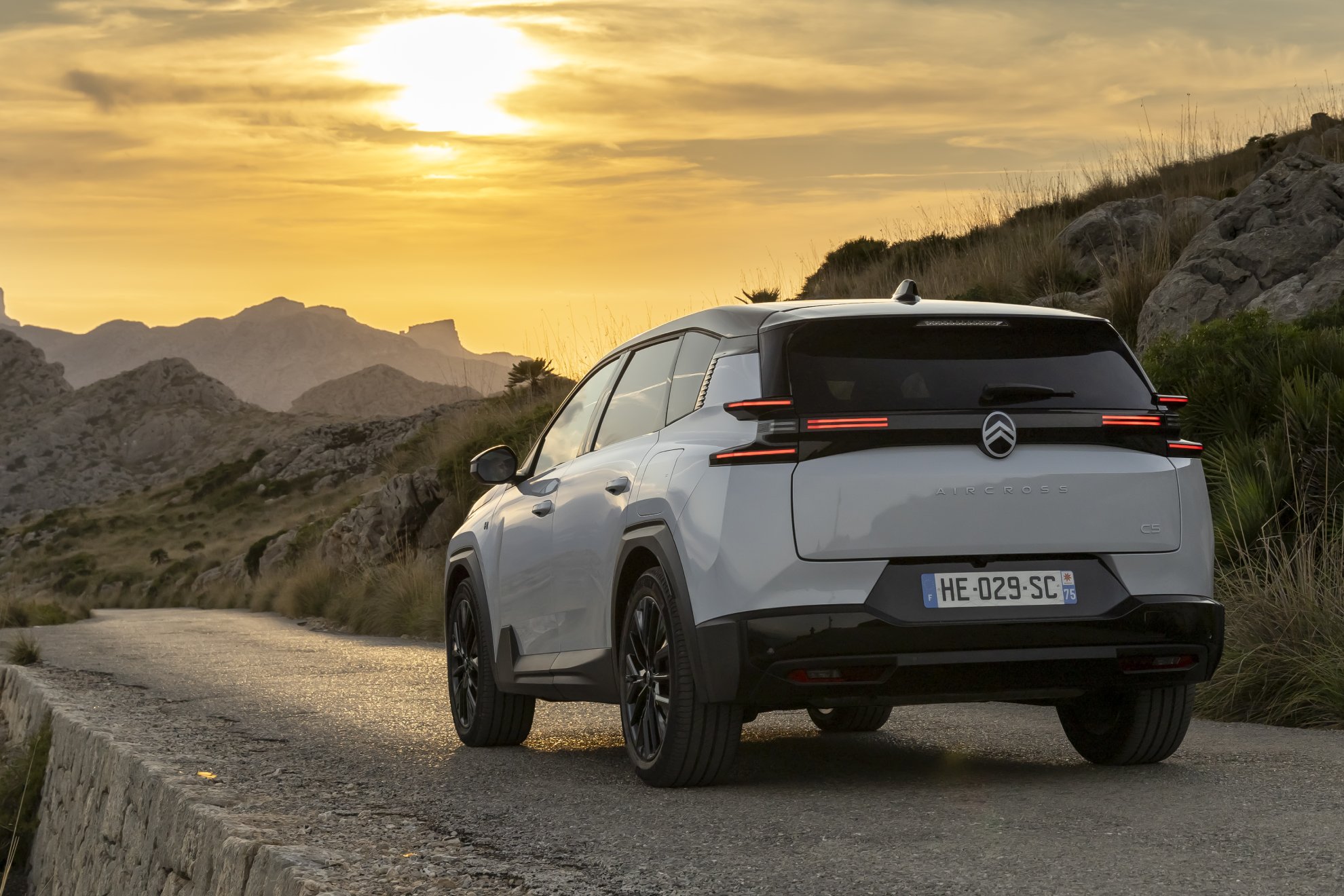
Suspension...The suspension absorbs impacts well. On the open road, the C5 Aircross delivers that feeling of a car that invites you to eat up the miles without fatigue. However, a curious quirk arises when driving over potholes and speed bumps: the suspension can feel a bit stiff over certain sharp, short irregularities—especially where there are abrupt changes in road level, such as speed bumps. In other situations, that same suspension might even feel a bit soft. It is a combination that can be disconcerting at first, though it doesn't change the fact that the primary goal remains filtering out the outside world and keeping occupants relaxed.

It is good to see, however, that grip and stability are adequate for this type of vehicle. Fast corners are taken with confidence, though the bodywork reminds you that this is a family SUV over 4.6 meters long; ultimately, you are encouraged to maintain a smooth pace rather than trying to hit the apex of every curve.

All this is complemented by light, easy-to-handle steering that follows the same philosophy. Overall, it conveys stability and confidence, with a progressive response that promotes relaxed driving.

In Spain, the Max version sits at the top of the range and adds features that complement the car's overall package. Highlights include a 360° camera, a head-up display, a semi-autonomous driving system, and aluminum pedals. Price is another of its most compelling arguments: the C5 Aircross Hybrid 145 hp Max starts at €36,190, placing the C5 Aircross in a very competitive position relative to other models it competes with in the market.

Autonews


AUTONEWS


Cupra Raval in Euro NCAP test

Interestingly, the Spanish model received two ratings: it was assessed with both 4 and 5 stars. Everything changes with the optional inclusion of the Safety Pack, as noted in a statement: "It significantly boosts the car's active technologies and improves its ability to respond to potential hazards, especially during low-speed driving and at intersections."

Euro NCAP observes: "While it would be preferable to provide all safety equipment as standard, an optional safety pack keeps the vehicle affordable while offering additional safety technologies to customers who choose them."

Equipped with the standard package, the Raval was awarded four stars, standing out for its "impressive crash protection." It scored 58 percent for safe driving and 66 percent for crash prevention—figures that rise to 72 percent and 77 percent, respectively, with the Safety Pack, which bumps the overall rating to 5 stars (the maximum on the scale). Crash protection (91 percent) and post-crash safety (95 percent) remained unchanged.

A lack of a child presence detection system—capable of alerting the driver if a child is left inside—was noted. However, Euro NCAP technicians found the performance highly satisfactory in several other areas, such as lane departure prevention, automatic emergency braking, and physical protection, as well as in side-barrier impacts and full-width rigid frontal tests (where it achieved a maximum score).

Currently on sale in Portugal starting at €29,000, the Cupra Raval comes in three trim levels (Plus, Endurance, and VZ), with power outputs ranging from 135 hp to 226 hp. With the Safety Pack, the model combines predictive adaptive cruise control with front cross-traffic alert.

With the safety equipment fitted as standard equipment across the model range, the Cupra Raval demonstrated good performance in each of the four stages of safety, leading to a four-star rating.  The car with the optional safety pack offers predictive adaptative cruise control and front traffic alert.

Safe Driving...The Raval scored full points for ensuring correct driver seatbelt use: it correctly identifies misuse, such as a belt worn behind the driver's back, and has a seatbelt reminder for all rear seats.  The front passenger airbag can be manually disabled to allow a rearward-facing child restraint to be used in that seating position.  The Raval does not have a system to recognise if the front passenger is sitting in a position that would be dangerous in an accident, with their feet on the dashboard, for example.  However, the car can identify the stature of the front seat occupants and adapt the restraint systems accordingly.  The Raval does not have a child presence detection system to warn if a child has been left in the car.The driver monitoring system scores well, both for distraction and for impairment. Good use is made of physical controls such as buttons and switches, both for key driving controls and infotainment. Based on a test drive of some 2000 km through Italy, France and Spain, the speed limit information function correctly identified the limit in 80 percent of cases, equivalent to some 92 percent of the driving distance.

Crash Avoidance...The Raval has all of the latest crash avoidance systems. Its autonomous emergency braking (AEB) system far exceeds the requirements of legislation and performs well in many of the advanced test scenarios required by Euro NCAP. The car has a system to prevent 'dooring', where a door is opened into the path of a cyclist approaching from behind.

Crash Protection...Protection was good or adequate for all occupants in the frontal offset test. Good protection was provided to both of the child dummies, sitting in the rear seats, and to the small female in the front passenger seat. In the full-width test, protection of all critical body areas was good for all occupants and maximum points were scored. Additional data and validated computer modelling demonstrated good protection in most of the various combinations of test configuration and occupant stature. Overall, the Raval scored well for the robustness of the protection it offered.Full points were scored in the side barrier test, but chest protection was rated as marginal in the more severe side pole impact, based on dummy readings of rib compression.  The Raval has a centre airbag to mitigate occupant to occupant injuries in side impacts.  The airbag performed well, with good protection for both occupants in the side pole test.Protection of of the head of a struck pedestrian or cyclist was mostly good or adequate, with poor results recorded at the base of the windscreen and on the stiff windscreen pillars.  Maximum points were scored for the protection offered to the pelvis, the femur and the knee and tibia.

Post Crash...The Raval drops only a few out of a maximum 100 points in Post Crash Safety.  In the event of a crash, the advanced eCall system provides detailed information to the emergency services regarding the type and severity of the accident, and the occupants in the car.  Good provision is made for speedy extrication by first responders.


AUTONEWS


AI framework predicts ambulance speeds through city traffic

Researchers at New York University's Tandon School of Engineering and the C2SMART transportation center, in partnership with the New York City Fire Department, have developed an artificial intelligence framework to predict ambulance travel speeds through urban traffic. Published in Data Science for Transportation, the initiative addresses a sharp deterioration in emergency response metrics; FDNY average response times to medical emergencies increased nearly 32 percent between 2015 and 2023, rising from 10.4 to 13.7 minutes. The framework enables fire departments to simulate and evaluate response strategies in a virtual environment prior to field implementation.

Standard navigation tools and traffic models are ill-suited for emergency vehicles, which operate under different rules and maneuvers, such as crossing intersections against signals and bypassing congestion. To rectify this limitation, the research team constructed a high-fidelity Traffic Digital Twin encompassing the M6 dispatch zone in West Harlem and Morningside Heights. This digital environment synthesizes granular traffic simulation with real-world GPS data captured from approximately 1,000 FDNY ambulance responses throughout 2023.

Central to the framework is EMVAID, an algorithm trained to estimate ambulance speeds across individual road segments. The developers opted for an Explainable Boosting Machine architecture to maintain transparency for urban planners, offering interpretability comparable to black-box models while providing clear insights into prediction drivers. Analysis identified background traffic speed as the dominant factor influencing ambulance velocity, followed by congestion levels. Infrastructure design significantly impacts performance; two-lane corridors facilitate faster transit than single-lane roads, whereas adding further lanes offers minimal gain. Streets featuring unprotected bike lanes were associated with slightly improved speeds, potentially due to additional clearance for emergency vehicles to navigate around stopped traffic.

The team demonstrated the framework's planning utility by simulating the optimization of ambulance base locations. The model projected that relocating stations to strategic cross-street positions could decrease expected travel times by 14.5 percent and raise the share of incidents handled by neighborhood-based units from 41 to 55 percent. The framework exhibited strong robustness, maintaining accuracy even when prediction errors were intentionally introduced.

Researchers caution that the station location analysis serves as a demonstration of capability rather than a formal recommendation. They noted that projected improvements likely represent optimistic estimates, as the simulation employed simplified assumptions that do fully account for dynamic constraints such as ambulances already en route to active calls. C2SMART envisions extending the model beyond localized zones to support city-wide travel time estimation, allowing emergency agencies to leverage AI-driven insights for resource allocation without the computational overhead of exhaustive traffic simulations.

A new AI framework can predict how fast an ambulance will move through city traffic, giving fire departments a way to test emergency response strategies in a virtual environment before making changes on real streets.

NYU Tandon researchers developed and validated the framework as part of a multi-year project with the New York City Fire Department (FDNY) and Tandon's C2SMART transportation center. Their findings appear in Data Science for Transportation.

The work addresses a growing problem. Between 2015 and 2023, FDNY's average response time to medical emergencies increased from about 10.4 minutes to nearly 13.7 minutes, an increase of almost 32% that highlights the growing pressure on city emergency services.

“Every second matters when someone calls 911 for a medical emergency, and finding new ways to respond as quickly as possible can save lives,” said Fire Commissioner Lillian Bonsignore. “This partnership with NYU Tandon and C2SMART demonstrates how innovation and collaboration can help us better understand the challenges our ambulances face on our City's streets. By testing strategies using AI before implementing them in the field, we can make more informed decisions that strengthen our emergency response while ensuring our resources are deployed where they’re most needed. We are proud to work alongside researchers who share our commitment to improving public safety and delivering the highest level of service to New Yorkers.”

"Emergency response agencies operate in environments where even small improvements in travel time can make a meaningful difference," said Kaan Ozbay, Founding Director of C2SMART and the paper’s senior author. "Our collaboration with FDNY demonstrates how transportation engineering and artificial intelligence can come together to help agencies evaluate new strategies before putting them into practice."

Part of the challenge is that ambulances do not move like ordinary vehicles, said C2SMART senior research associate Fan Zuo, who led the simulation development and calibration efforts.

"EMV travel times with sirens on are not identical to passenger vehicle travel times that follow traffic control rules," the researchers write. Ambulances can legally pass through red lights and maneuver around stopped traffic, but they also depend on nearby drivers noticing them and moving aside. As a result, navigation tools such as Google Maps, which are designed around normal traffic, cannot reliably predict ambulance travel speeds.

To address that gap, the team built a high-fidelity Traffic Digital Twin covering West Harlem and Morningside Heights, FDNY's M6 dispatch zone. The digital twin combines a detailed traffic simulation with real-world traffic and GPS data from nearly 1,000 FDNY ambulance responses in 2023.

Using information generated by that simulation, the researchers — led by Joseph Chow of C2SMART — trained an AI model called EMVAID to predict ambulance speeds on individual road segments.

The model identified background traffic speed as the strongest predictor of ambulance speed, followed by roadway congestion. Two-lane streets generally helped ambulances move faster than one-lane streets, while additional lanes offered little extra benefit. Streets with unprotected bike lanes were also associated with slightly faster ambulance speeds, possibly because they provide additional room for emergency vehicles to maneuver around stopped traffic.

To demonstrate how the framework could support planning, C2SMART researchers tested whether changing ambulance base locations — known as Cross Street Locations — could reduce travel times. In their simulated study area, an optimized set of locations reduced expected travel time by 14.5% while increasing the share of calls handled by neighborhood-based ambulances from 41% to 55%. The findings remained stable even after the researchers intentionally introduced prediction errors into the AI model to test its robustness.

Instead of relying only on high-performing "black box" AI models, the team chose an Explainable Boosting Machine that lets planners see why the model produces a particular prediction. Although its accuracy was close to models such as random forests and XGBoost, its transparency made it more useful for planning applications.

The researchers emphasize that the station location analysis is a demonstration of the framework's capabilities, not a recommendation. Because ambulances are often already responding to calls or returning from hospitals, the projected improvement likely represents an optimistic estimate under simplified assumptions.

The C2SMART team ultimately envisions using the AI model to extend the framework beyond a single neighborhood, allowing emergency planners to estimate ambulance travel speeds across the city without having to run detailed traffic simulations everywhere.

The FDNY project was first announced in January 2024 and was recognized in Popular Science's Best of What's New 2024 awards in the Emergency Services category later that year. It adds to Tandon's growing roster of collaborations with New York City agencies. In May, Tandon announced a partnership with the NYC Mayor's Office of Climate & Environmental Justice to develop benchmarks for embodied carbon in city buildings.

In addition to Ozbay, Zuo and Chow, the paper's authors are Jingqin Gao, Farnoosh Namdarpour, Di Sha and Hannah Bonestroo, all of C2SMART. Funding for the project was provided, in part, by the U.S. Department of Transportation through the C2SMART University Transportation Center.

quinta-feira, 3 de setembro de 2026


AUTONEWS


Study shows plug-in hybrids polluting far more than expected

Plug-in hybrids have enjoyed a surge in popularity, but a study published Thursday showed they are polluting far more than most buyers think, as they run on batteries less than regulators expected.

The study by the International Council on Clean Transportation, an environmental research group, looked at data from the onboard monitors of roughly 920,000 plug-in hybrids registered between 2021 and 2023.

It found a “substantial and fast-growing gap between real-world and type-approval CO2 emissions for PHEVs registered in 2021–2023.”

The type-approval norms include an assumption by regulators about the pollution the vehicles would emit based on the distances they would be driving using the battery and the distances using internal combustion engines.

But the study found that average carbon dioxide emissions in real-world driving were 3.5 times higher than the 2021 type-approval values and 4.6 times higher than the 2023 type-approval values.

The growing difference was due to an assumption that bigger batteries would lead to increased driving on battery power, but the real-world use data did not bear this out.

The divergence “misleads consumers about expected energy costs” with plug-in hybrids, the ICCT said, as well as unduly opening them up to incentive schemes and skewing the determination whether automakers are complying with emissions rules.

The ICCT, which was behind the 2015 revelations about diesel emissions that became known as the “Dieselgate” scandal, urged the EU to not delay a planned 2027 update to the calculations that would reduce the discrepancy with real-world emissions.

It also called on the European Union to use real-world data to guide further updates.

The publication of the study comes as certain automakers, particularly German carmakers, want to see plug-in hybrids continue to be included in the EU’s strategy to decarbonize the auto sector.

Pushed by Germany, the EU last December abandoned its plans to ban the registration of new internal combustion engine vehicles in 2035.

Instead, carmakers are supposed to reduce carbon dioxide levels by 90% from 2021 levels and compensate for the remaining 10%.

However, Germany and its allies want the rules loosened further to make more room for hybrid vehicles, according to news reports.

Pollute almost as much as petrol cars...Plug-in hybrid electric vehicles (PHEVs) pump out nearly five times more planet-heating pollution than official figures show, a report has found.

The cars, which can run on electric batteries as well as combustion engines, have been promoted by European carmakers as a way to cover long distances in a single drive – unlike fully electric cars – while still reducing emissions.

Data shows PHEVs emit just 19% less CO2 than petrol and diesel cars, an analysis by the non-profit advocacy group Transport and Environment found on Thursday. Under laboratory tests, they were assumed to be 75% less polluting.

The researchers analysed data from the onboard fuel consumption meters of 800,000 cars registered in Europe between 2021 and 2023. They found real-world carbon dioxide emissions from PHEVs in 2023 were 4.9 times greater than those from standardised laboratory tests, having risen from being 3.5 times greater in 2021.

“Real-world emissions are going up, while official emissions are going down,” said Sofía Navas Gohlke, a researcher at Transport and Environment and the co-author of the report. “This is the gap that is getting worse and it is a real problem. As a result, PHEVs pollute almost as much as petrol cars.”

The researchers attributed most of the gap to overestimates of the “utility factor” – the ratio of miles travelled in electric mode to the total miles travelled – finding that 27% of driving was done in electric mode even though official estimates assumed 84%. The European Commission has announced two corrections to the utility factor ratio that will narrow the gap but not close it entirely, according to the analysis.

Even when the cars were driven in electric mode, the analysis found that levels of pollution were well above official estimates. The researchers said this was because electric motors were not strong enough to operate alone, with their engines burning fossil fuels for almost one-third of the distance travelled in electric mode.

Patrick Plötz, head of energy economics at the Fraunhofer Institute for Systems and Innovation Research, who was not involved in the study, said it was a “very useful contribution” after years in which parts of the automotive industry argued there was too little data to accurately assess real-world emissions.

“The results demonstrate, beyond any doubt, that the gap between official and real-world PHEV fuel consumption and CO2 emissions is much, much larger than for gasoline or diesel cars,” said Plötz, who has published research on the topic. “Any policy changes with respect to PHEVs should be made with utmost care and in the light of that data.”

Hybrid cars have been drawn back into the political debate as carmakers have pressed the EU to weaken CO2 targets. A ban on new combustion engine cars in 2035 has been subject to heavy lobbying from the automotive industry and opposition from member states with large car industries.

“There must not be a drastic cut in 2035,” the German chancellor, Friedrich Merz, said after a summit last week with the country’s struggling automobile industry, promising to do “everything in [his] power” to achieve that. Other senior German politicians have floated plug-in hybrids as one example of possible “flexibilities” they could introduce to the legislation.

The researchers calculated that the underestimate of PHEV emissions had let four major carmaker groups avoid more than €5bn (£4.3bn) in fines between 2021 and 2023, by making it artificially easier to comply with the EU’s fleet-average CO2 targets. They added that drivers of PHEVs would also be paying about €500 more a year in running costs than would be assumed under laboratory tests.

“The bold claims that manufacturers like to make about their plug-in hybrid vehicles are clearly way off the mark,” said Colin Walker, a transport analyst at the Energy and Climate Intelligence Unit.

“Consumers are being duped into believing that in buying a PHEV, they are helping the environment and saving money,” he said. “In reality, PHEVs are little better than regular petrol and diesel cars when it comes to the fuel they consume, the CO2 they produce and the money they cost to run.”


PORSCHE


The Porsche Taycan Turbo GT advertises 1,034 hp, but delivers only 223 hp

Imagine a driver who, after paying €253,000 for a Taycan Turbo GT—Porsche’s most powerful electric car with family-friendly credentials—is eager to experience the thrill of flooring the accelerator and unleashing the promised 1,034 hp. Instead, they are informed that, according to German authorities, the electric sports sedan has a registered power output of just 223 hp. Such a 78.5% drop in power—especially without a corresponding price cut—would leave owners surprised, to say the least...and not in a good way.

Unlike internal combustion sports cars—which advertised a specific power output that could be verified on a dyno almost continuously (or at least until the engine broke or seized)—electric vehicles face certain limitations. This is particularly true for models using multiple motors, like the Taycan Turbo GT, which employs two drive units—one on each axle. If the motors are extremely powerful and the manufacturer lacks the technology to manage the temperature of the motors, inverters, and battery cells, power output must be reduced to prevent overheating that could lead to fires or severe mechanical damage.

The Taycan Turbo GT advertises 1,034 hp, but only for a brief two seconds and solely if the driver selects the "Overboost" option. With "Launch Control" activated, the two motors combine to produce 1,019 hp (for 10 seconds); however, under normal conditions, the Taycan Turbo GT is limited to 789 hp. Clearly, there is a vast difference between peak power and sustained power: the former explains the blistering acceleration, while the latter ensures consistent high performance. As it happens, according to the German publication *Auto Motor und Sport*, Porsche calculates total power output based on the UN GTR No. 21 standard (known as GTR 21). This system aims to determine the maximum power of a vehicle with multiple motors—even though real-world power may be lower depending on factors such as battery temperature, state of charge, and the duration of the power demand (ranging from 2 to 10 seconds). This system still presents certain limitations regarding launches from a standstill (0 km/h), requiring adjustments to calculate acceleration figures.

On the other hand, European regulations require electric vehicle manufacturers to use UN Regulation 85 (also known as ECE R85) for assessment and registration purposes; this standard is based on continuous power output over a 30-minute period. This poses much greater challenges for cooling systems, which must employ more efficient technologies to keep temperatures within limits during a sustained 30-minute load—as opposed to the aforementioned 2-to-10-second bursts. Germany also uses ECE R85 to determine the actual power output of electric models. It was precisely this method that rated the Porsche Taycan Turbo GT at just 223 hp, rather than its advertised 1,034 hp—a staggering difference.

Interestingly, other sports models do not suffer as significant a drop as the Porsche when evaluated under the more demanding ECE R85 standard instead of GTR 21. One example is the Hyundai Ioniq 5 N, which advertises 650 hp but sees its output drop to 216 hp under ECE R85. While the South Korean sports car also experiences a substantial reduction—dropping 66.7% with the switch to the stricter method—it still fares better than the Porsche Taycan, which, it is worth noting, lost 78.5% of its power.

The Porsche Taycan Turbo GT actually does deliver up to 1,034 hp (and even up to 1,108 hp with maximum overboost), but the 223 hp figure comes from strict European regulatory testing standards that measure continuous, sustained power rather than temporary peak performance.

The massive difference comes down to how electric vehicles (EVs) operate and how Germany’s vehicle licensing authorities mandate power classification.

Why the dual numbers exist:

MetricPower OutputWhat It Actually Means
Peak Power (Advertised)1,034 – 1,108 hpThe maximum burst of energy available during Launch Control or Attack Mode. It is fully accessible to the driver but only for short bursts (2 to 10 seconds) to prevent the battery and motors from overheating.
Sustained Power (Official Registration)~223 hp (162–165 kW)The UN ECE R85 regulatory standard used by German authorities. It measures the maximum power an EV can continuously maintain for 30 uninterrupted minutes without overheating the powertrain.

The real-world reality...The 223 hp registration does not mean your car is slow. Electric motors are incredibly efficient at delivering massive amounts of instantaneous power, but they heat up quickly under constant load. Because no real-world scenario requires a driver to floor a vehicle at 1,000+ horsepower for 30 straight minutes, manufacturers optimize EVs for massive burst capacity.

When you stomp on the accelerator, the car delivers the full four-figure horsepower, throwing you from 0 to 60 mph in just 2.2 seconds. The lower number on the registration paper is simply a legal technicality of European bureaucracy.

If you would like, I can explain how Attack Mode works or compare the Taycan's performance to other high-performance EVs like the Tesla Model S Plaid or Lucid Air Sapphire.

by: Autonews

  AUTONEWS Scientists create four low-carbon fuels that could keep gasoline engines running The shift toward electric vehicles has left int...